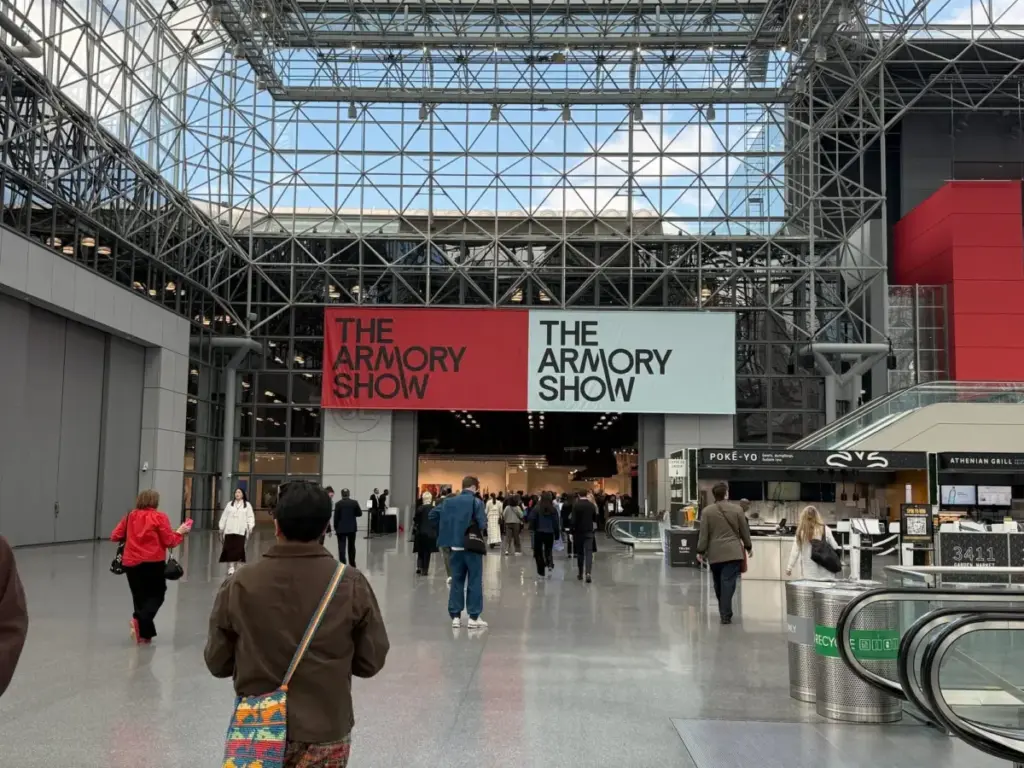
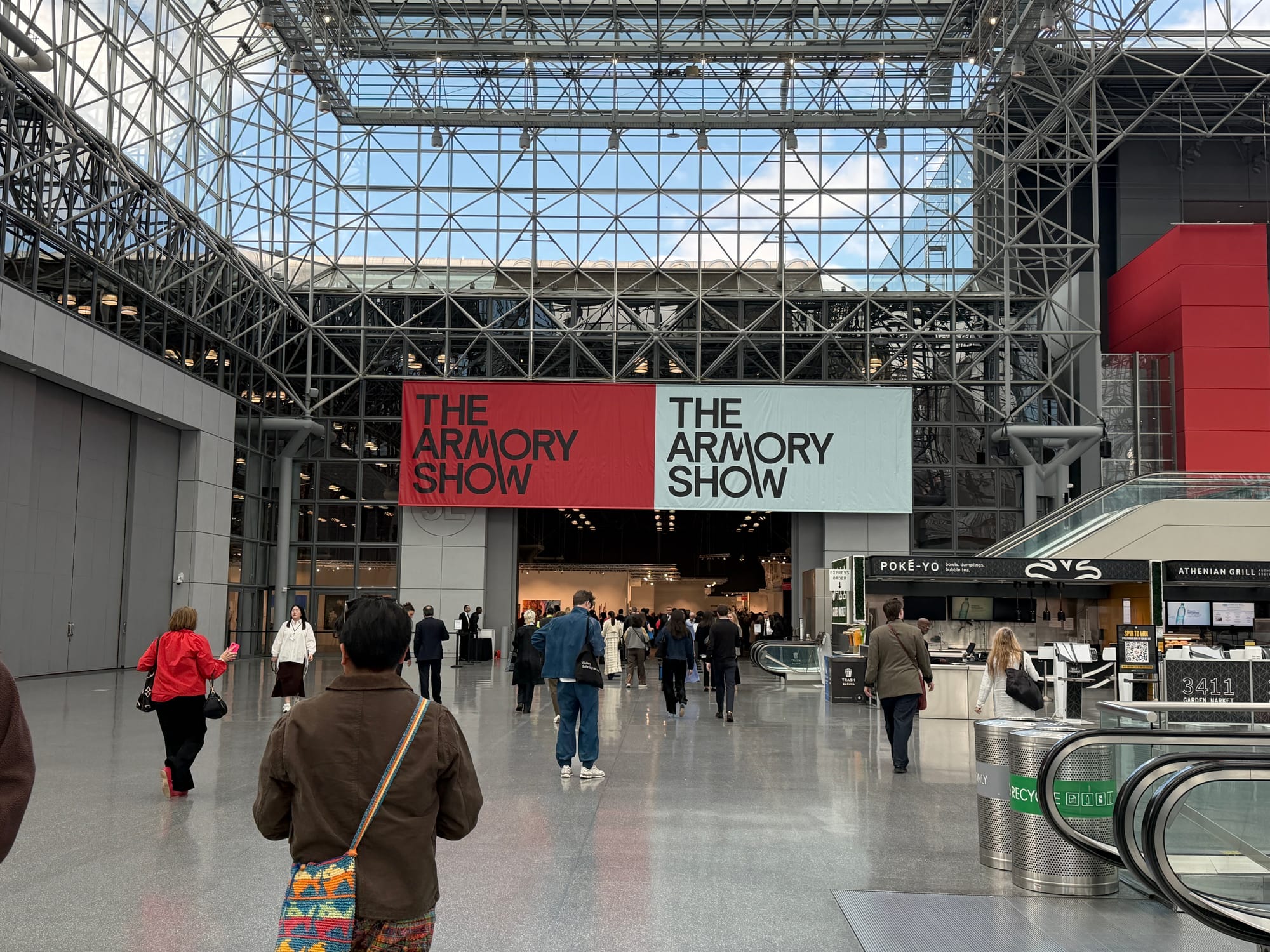
Walking through the expansive aisles of Manhattan’s Javits Center for this year’s edition of the Armory Show, one might have experienced a distinct sense of déjà vu. Reviewers and art enthusiasts hoping for a radical reinvention or a dramatic departure from recent years were instead met with a familiar mélange. The exhibition floor presented the customary juxtaposition of uninspired hotel-lobby art alongside countless inoffensive, predictable works purportedly designed to "explore identity and memory."

Yet, beneath the surface of the standard commercial hustle and bustle, where art dealers and collectors engaged in the usual wheeling and dealing, something felt markedly different. The atmosphere throughout the sprawling convention center was oddly muted. This year’s edition seemed remarkably quiet and downcast, lacking the frenetic energy and palpable excitement that typically characterize one of New York City’s premier contemporary art fairs. In fact, the quiet was so pronounced that a financial sector trade show unfolding on the floor directly below—essentially the same massive industrial space, minus the paintings and sculptures—somehow managed to look and feel like a riot by comparison.
Despite the subdued overall atmosphere, the fair was not entirely devoid of creative sparks. A slim minority of memorable standouts managed to puncture the monotony, offering visitors genuine moments of artistic engagement. Many of these high points were concentrated within the fair’s Focus section, an area dedicated entirely to contemporary art from the Caribbean. Curated by María Elena Ortiz of the Modern Art Museum of Fort Worth, this curated segment stood out as a vibrant exception to the fair’s more repetitive tendencies, showcasing rigorous conceptual depth and distinct regional perspectives.
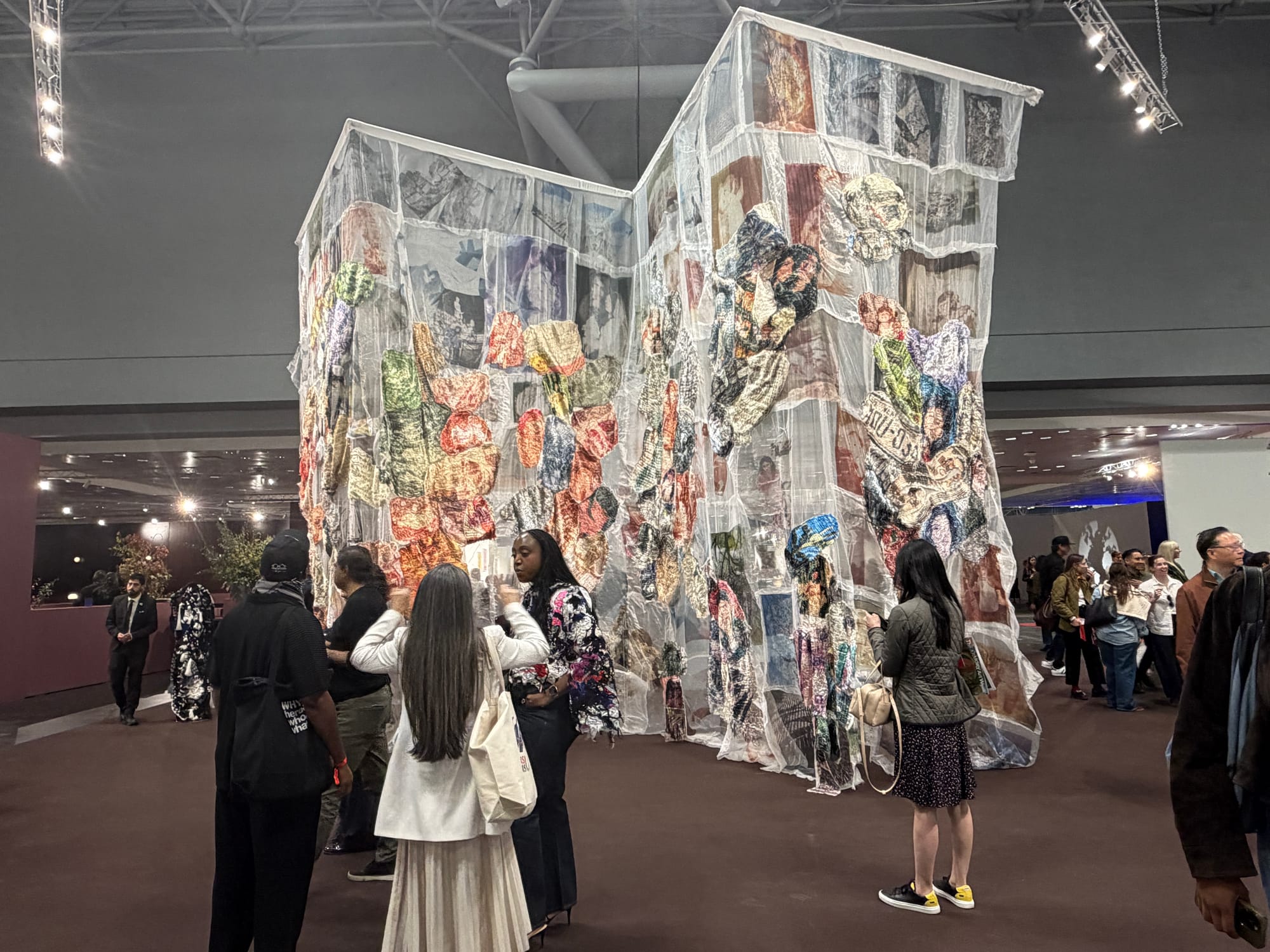
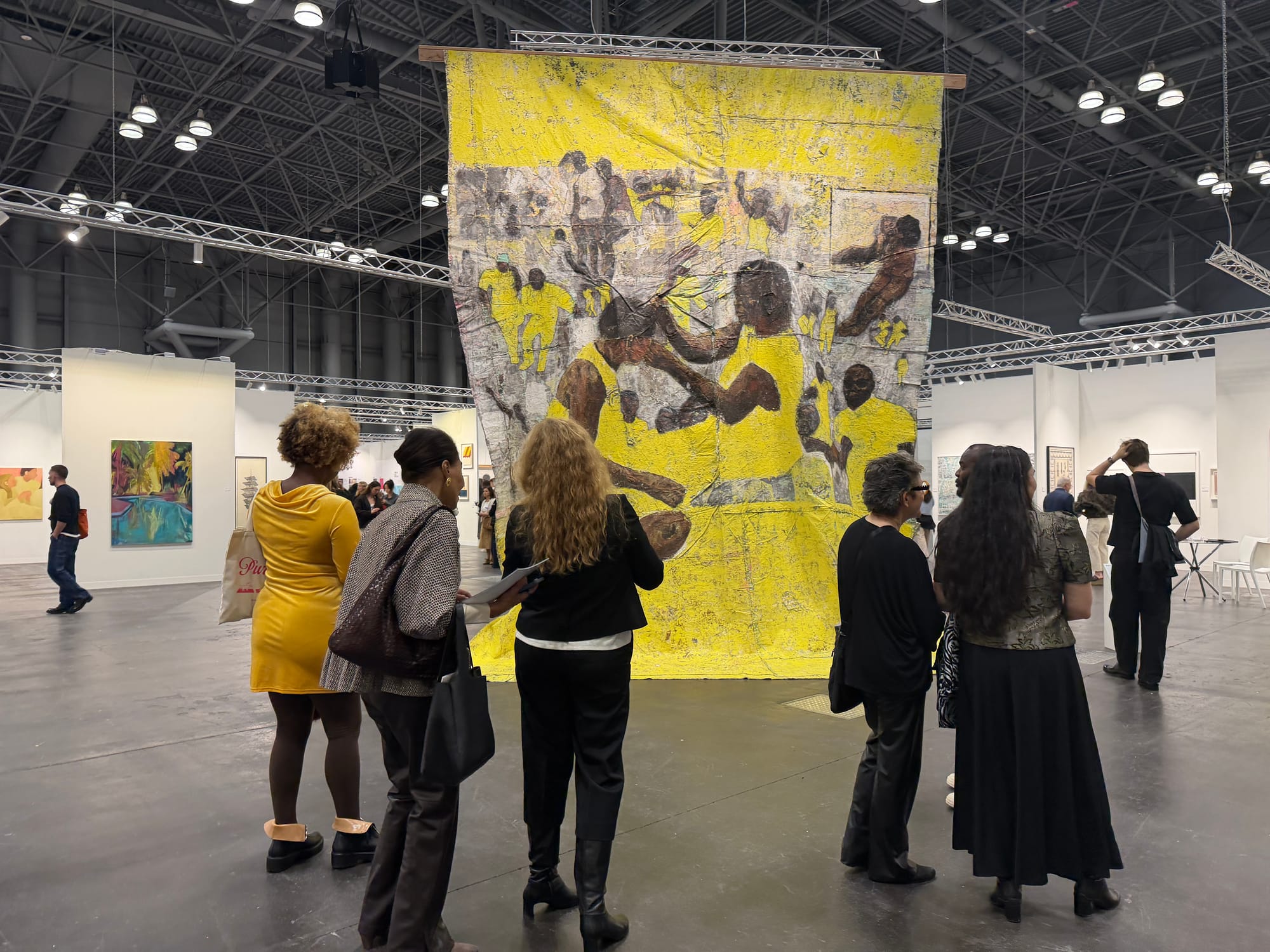
Navigating the various booths revealed a broad spectrum of practices, ranging from large-scale sculptural installations to intricate textile and mixed-media works. Among the notable sights greeting visitors upon entry was Mickalene Thomas’s striking sculptural book stack, a compelling arrangement that immediately commanded attention with its layered textures and commanding presence. Nearby, Lisu Vega’s "A Momentary Whole" (2025) and Kaloki Nyamai’s "Tusukane" (2023) introduced dynamic visual narratives through contrasting textures and expressive mark-making, while Zenobia Lee’s Banana Leaves et Los Rios (2026) brought a lush, atmospheric quality to the gallery offerings.
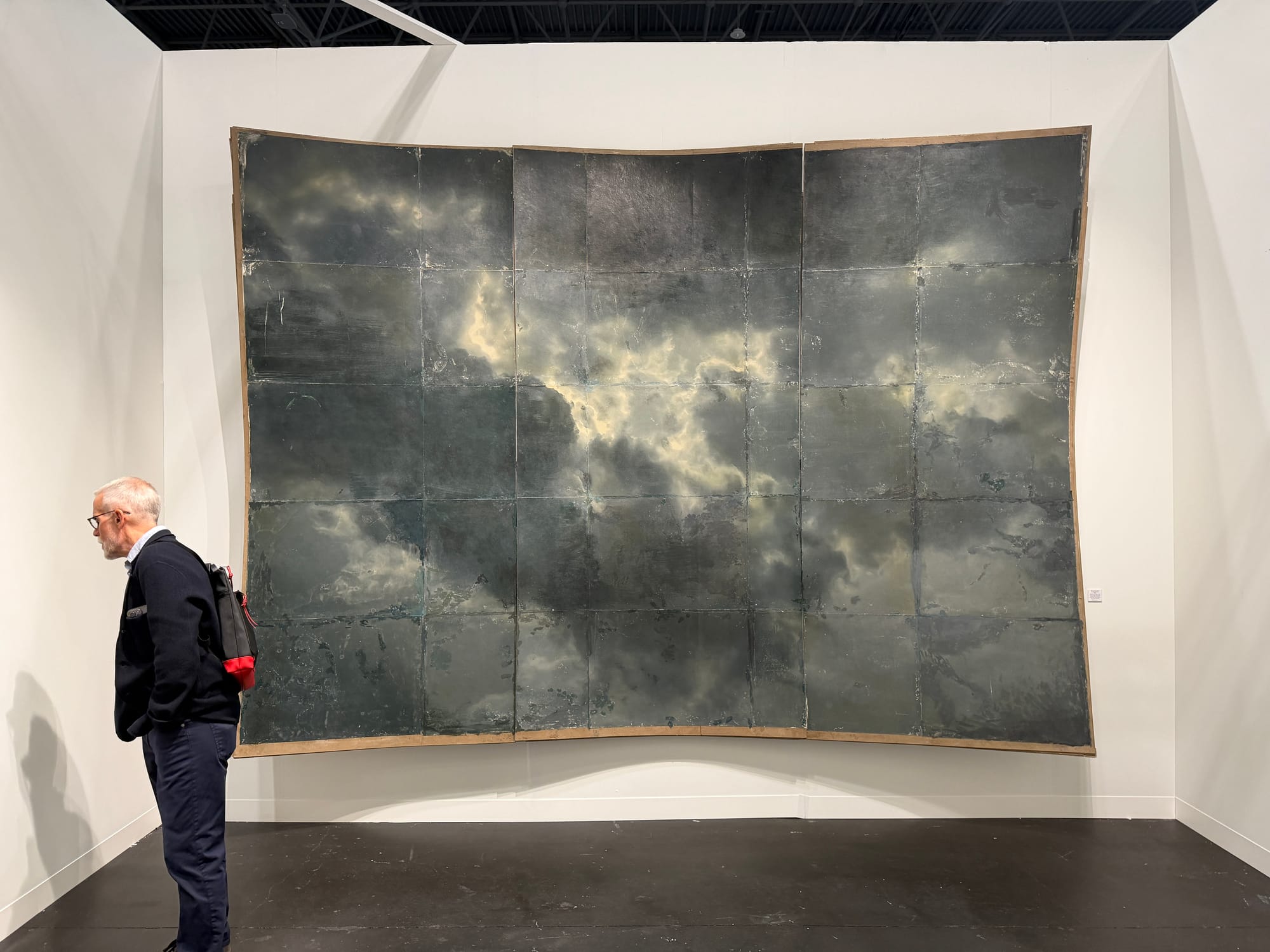
Further enriching the visual landscape, Lucia Hierro presented Nuestra Silla (Our Chair) (2026), a piece that cleverly engages with consumer culture and domestic materiality. Elsewhere on the exhibition floor, Mike and Doug Starn contributed a sweeping, contemplative view of a cloudy sky (2026), contrasting sharply with Manuel Mathieu’s deeply textured and evocative "Shrine" (2025). Sonya Clark’s meticulously constructed Edifice & Mortar (2018) offered viewers a poignant reflection on history and architecture, demonstrating a masterclass in material transformation.
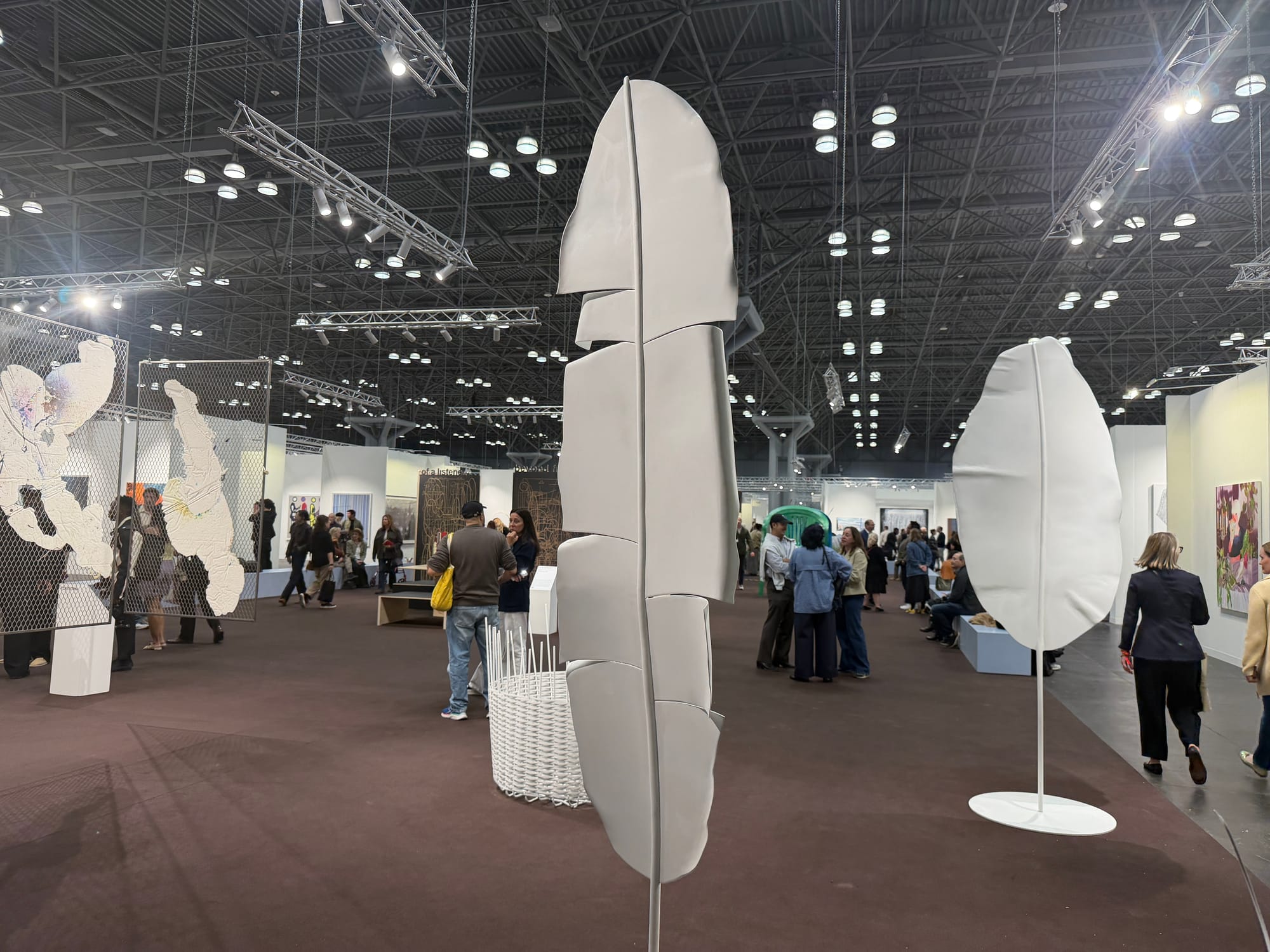
The fair also highlighted compelling works by emerging and mid-career artists whose contributions added much-needed grit and conceptual rigor to the venue. Rosalind Tallmadge’s "Palingenesis" (2026) brought shimmering, mineral-like complexity to its surface, while Michelle Im’s The Auctioneer (2026) addressed the transactional nature of the art world with sharp observational wit. Bony Ramirez’s La Carta (2026) and Sandra Brewster’s "Make Trouble" (2024) offered powerful figurative and narrative explorations, grounding the section in deeply personal yet universally resonant themes.
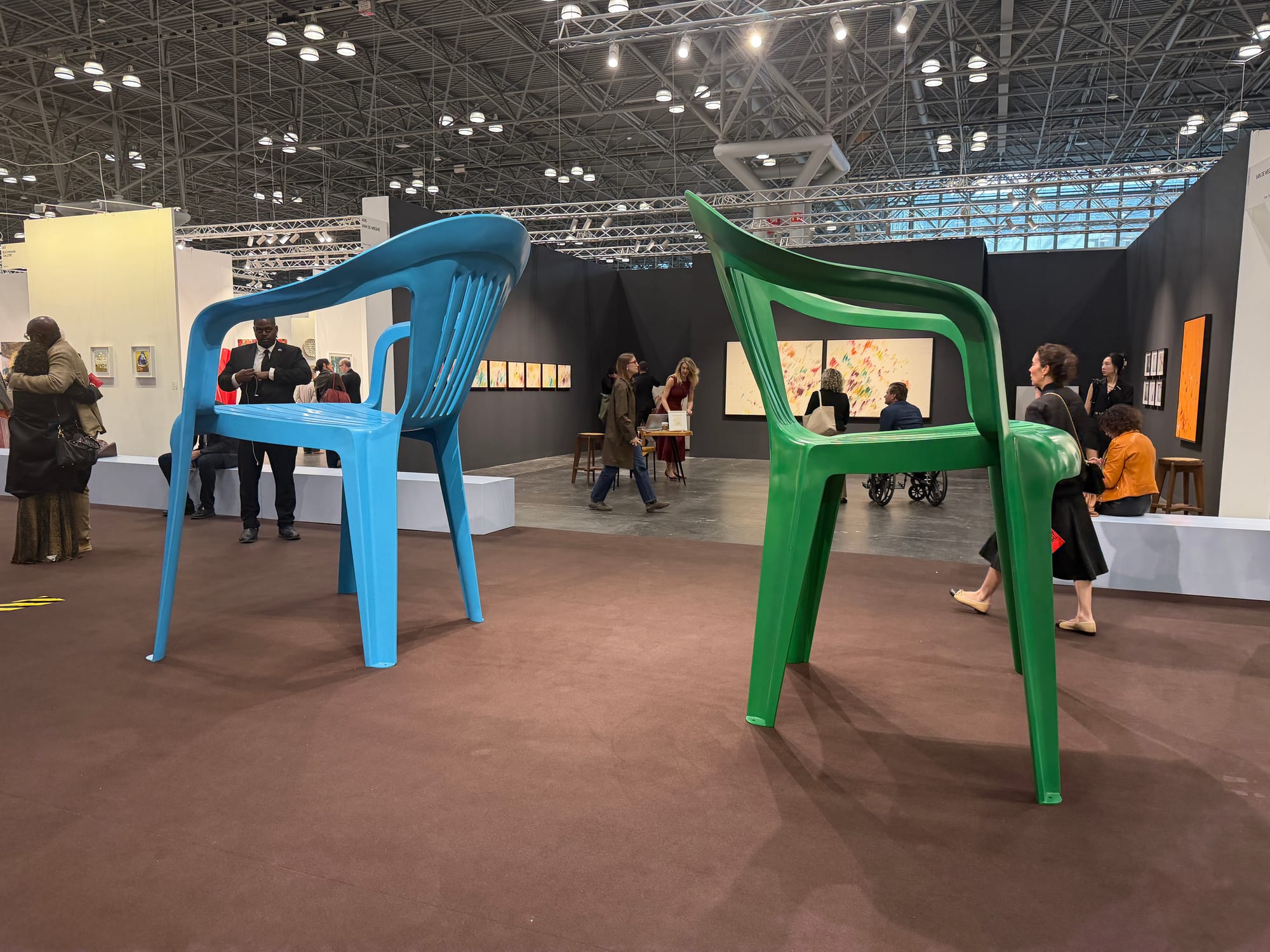
Even amid the quieter corners of the venue, artists and galleries still managed to inject moments of levity and critical commentary. Tamara Kostianovsky’s startlingly visceral sculptures of gutted birds offered a jarring yet ecologically resonant meditation on nature and consumption. Meanwhile, Spinello Projects anchored a strong presentation within the Focus section, and Rebecca Ness contributed a well-received figurative work that drew steady appreciation from passersby. True to form, a contingent of Belgian galleries managed to keep their sense of humor intact, injecting a dose of wry playfulness into an otherwise solemn corporate environment.
Ultimately, while the Armory Show continues to serve as an indispensable commercial hub for the international art market, this year’s iteration will likely be remembered as much for its subdued, introspective mood as for its artistic highlights. As the art world navigates shifting economic tides and changing institutional landscapes, fairs like the Armory find themselves walking a fine line between market demands and artistic ambition, leaving audiences to search ever more closely for the genuine breakthroughs hidden among the familiar noise.