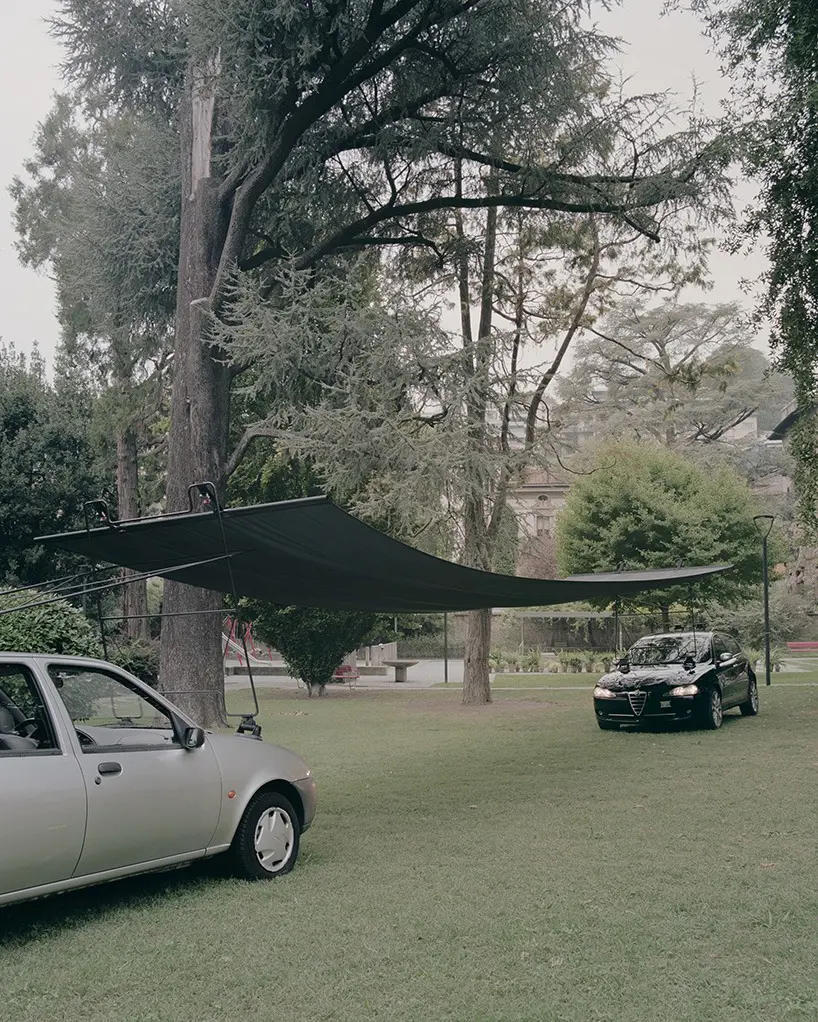
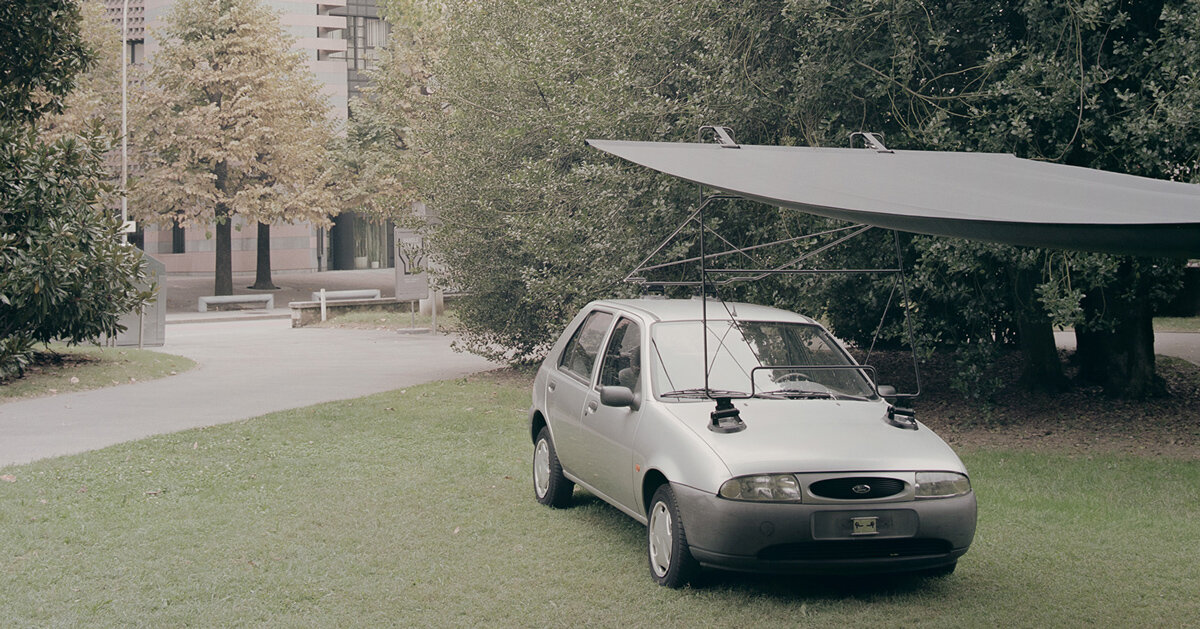
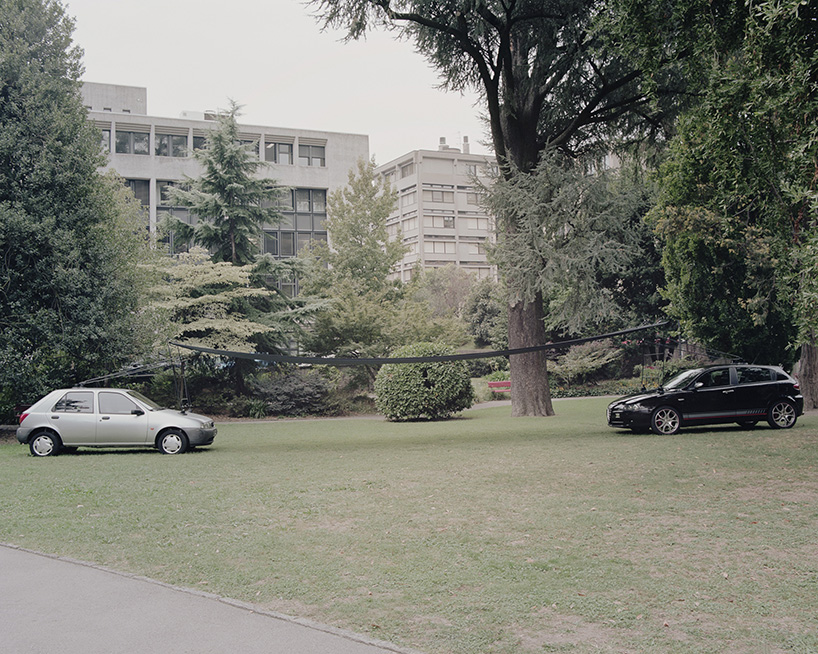
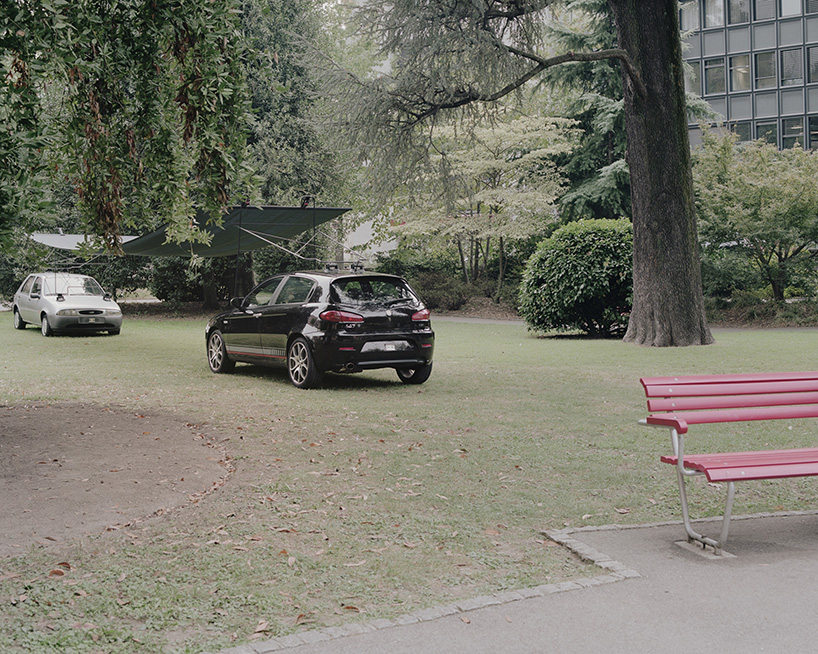
The future of material reuse and resource management in Switzerland is being forced into a radical new perspective through the lens of contemporary design and architecture. As industries worldwide grapple with the impending realities of a post-fossil-fuel society, designers are increasingly challenged to look beyond traditional supply chains and examine the hidden waste streams generated by modern consumer culture. Addressing this pressing ecological and spatial dilemma, designer Giona Bierens de Haan has unveiled a striking art and architectural installation titled It all remains. The project directly confronts Switzerland’s massive automotive waste output, proposing a visionary shift that reinterprets decommissioned vehicles not as industrial junk destined for export or destruction, but as sturdy structural building blocks and vital local resources for future architectural construction.
Swiss Automotive Exports Highlight Untapped Material Resources
To understand the urgency behind Bierens de Haan’s conceptual intervention, one must examine the staggering statistics defining Switzerland’s automotive landscape. The nation currently maintains nearly five million registered vehicles circulating domestically, translating to an average of roughly half a car for every single inhabitant. This high density of private transportation generates a continuous cycle of turnover, with approximately 200,000 vehicles officially removed from service every single year.
However, the fate of these decommissioned automobiles reveals a significant blind spot in national resource accountability. Statistics indicate that a staggering two-thirds of all vehicles retired from Swiss roads are exported abroad, shipped primarily to developing nations or countries with significantly less stringent environmental regulations. This practice effectively outsources the environmental burden of domestic consumption, masking the true ecological footprint of a highly motorized society behind international shipping manifests and out-of-sight waste management policies.
By sending these massive metal assets across borders, Switzerland misses a profound opportunity to capture valuable, embodied carbon and high-grade materials locally. As the global economy slowly navigates toward a necessary transition away from fossil fuels, the continued reliance on foreign markets to absorb domestic industrial waste becomes increasingly untenable. It all remains serves as a sharp critique of this status quo, questioning why a society that prides itself on precision, innovation, and environmental stewardship continues to treat monumental quantities of high-grade steel, glass, rubber, and polymers as disposable export commodities rather than foundational building blocks for its own domestic infrastructure.
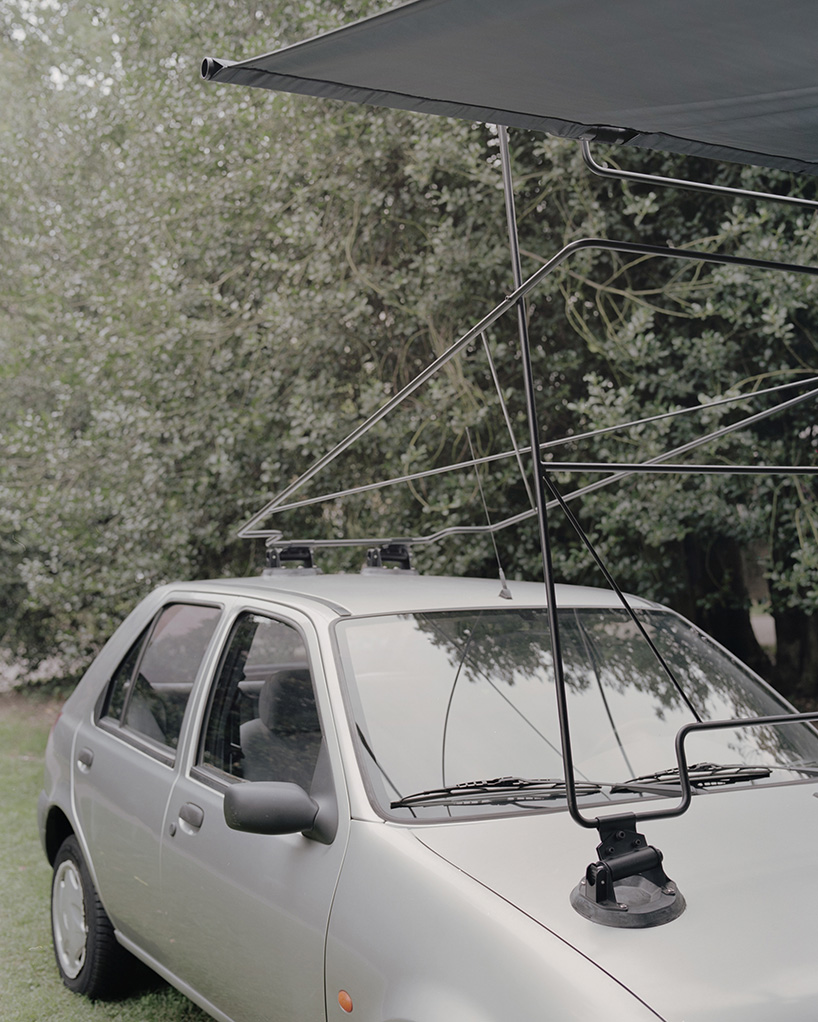
Converting Obsolete Vehicles into Structural Building Blocks
At the core of Bierens de Haan’s project is a fundamental reevaluation of what constitutes a building material in an era of ecological transition. Anticipating a future where the private automobile as we know it becomes obsolete due to shifting energy paradigms, tightening climate regulations, and changing urban mobility models, the installation explores how these stranded assets can find a second life within the built environment. Rather than allowing decommissioned cars to languish in sprawling junkyards or disperse across international trade routes, the designer envisions them integrated directly into the architectural lexicon.
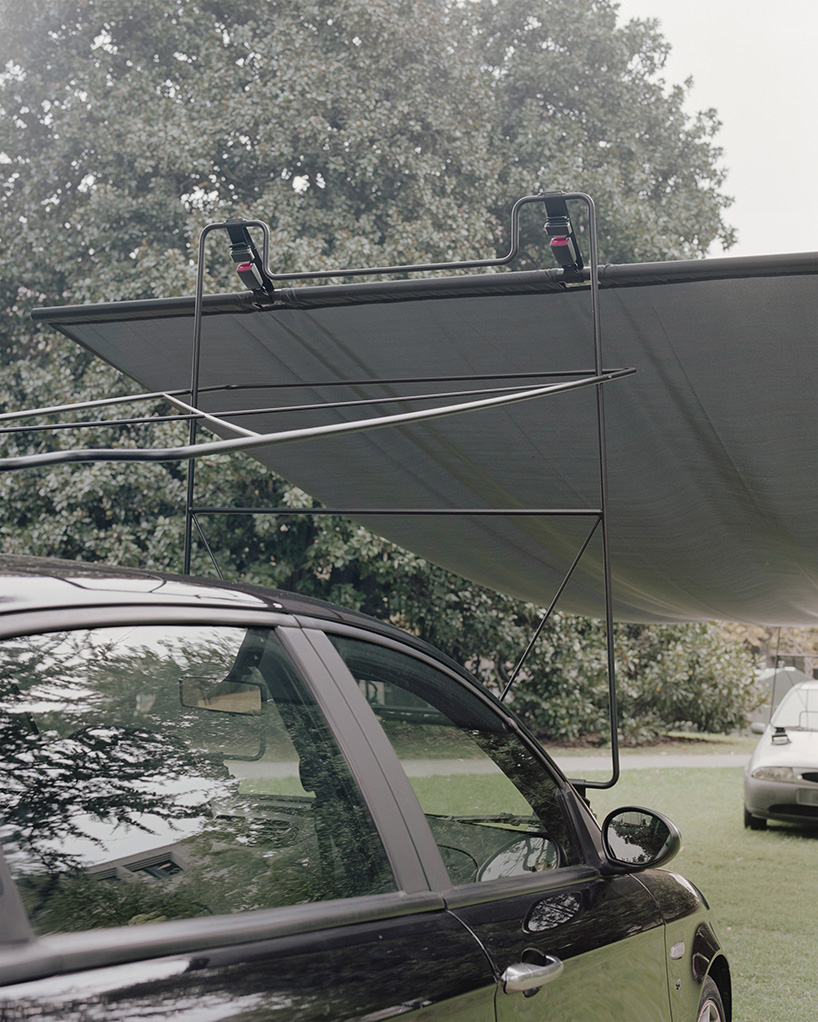
The conceptual framework behind It all remains treats the automobile as a ready-made modular unit—a prefabricated structural component possessing immense compressive strength, intricate internal framing, and durable protective skins. By extracting these retired vehicles from the waste stream and revalorizing them locally, the project demonstrates how industrial salvage can bypass standard energy-intensive recycling processes, which often melt down materials at high temperatures, and instead retain their complex structural geometries for direct architectural application.
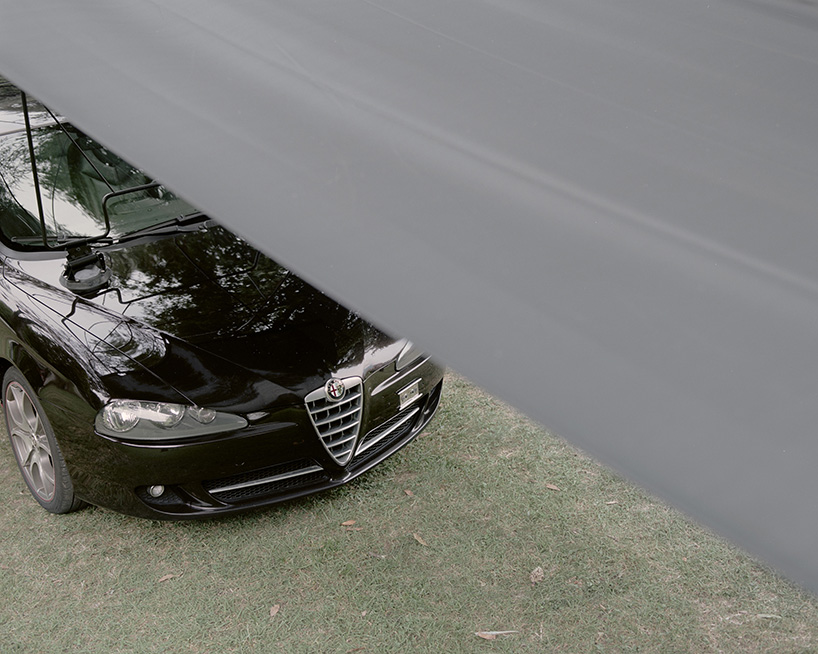
Through carefully curated photographic documentation and conceptual layouts, the installation illustrates how stacked, interlocked, and arrayed car bodies could form load-bearing walls, foundational piers, spatial dividers, or monumental structural cores. This provocative approach challenges architects, engineers, and policymakers to rethink the lifecycle of industrial products, suggesting that the cities of tomorrow may very well be constructed from the physical remnants of the petroleum age. By turning the symbols of individual mobility and fossil-fuel dependency into the physical framework for collective, sustainable architecture, Giona Bierens de Haan offers a compelling glimpse into how localized material circularity might redefine the very substance of our built surroundings.