It is a sunny October afternoon in Manhattan, and the historic steps of the Metropolitan Museum of Art are bustling with an energetic crowd of visitors. Tourists pose for selfies against the grand stone facade of the institution; street vendors peddle chopped-up hotdogs nestled in a bed of French fries; and the steady sound of saxophone music dissolves into the ambient symphony of splashing water fountains and honking cars streaming down Fifth Avenue. It is a portrait of a vibrant, multicultural metropolis, featuring a diverse cross-section of humanity. Yet, looking out over the grand plaza, one is struck by a glaring absence: the Lenape people, whose ancestral land was stolen to make such public spaces and celebrations possible, are missing from this fine Indigenous Peoples’ Day gathering on the steps of The Met.
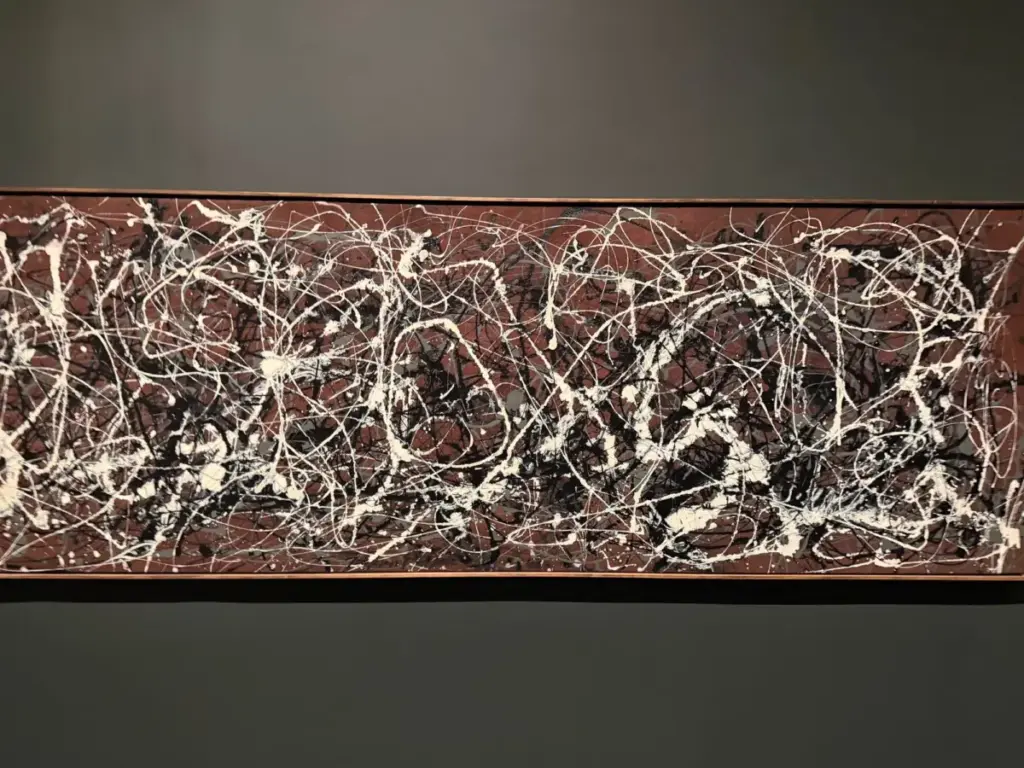
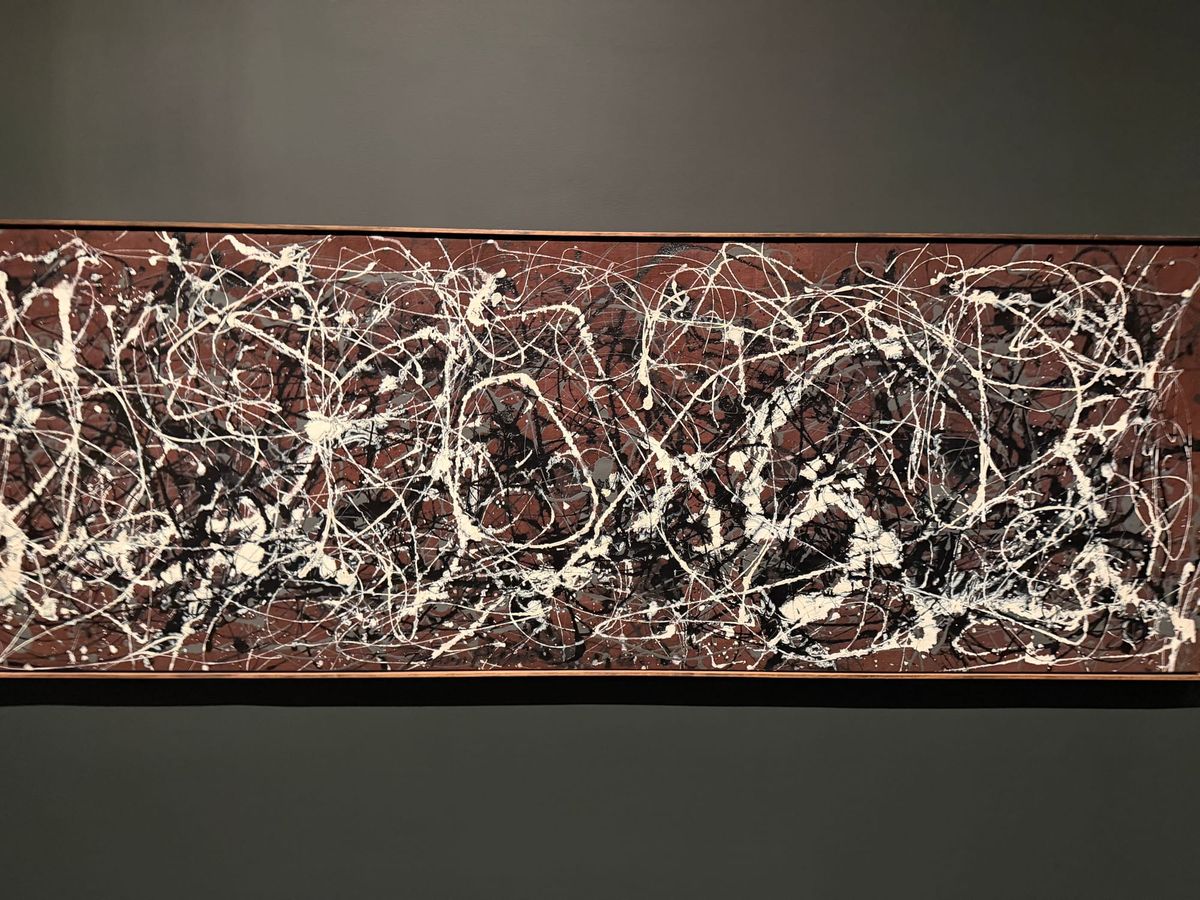
Inside the sprawling museum, the atmosphere is equally intense. A blockbuster exhibition dedicated to the pioneering Abstract Expressionist painters Lee Krasner and Jackson Pollock is jam-packed with art enthusiasts. The exhibition is as much a study of their complex marital relationship as it is an exploration of their mutual artistic influence, framing their union as their most difficult and enduring collaboration. Amid the shuffling crowds and whispered commentary, the complexities of public spaces in New York City make themselves felt in unexpected ways. A woman nearby suddenly accuses a bystander of “white privilege” after a perceived line-cutting incident. When challenged with a quick look and a reminder of identity, she quickly shifts her critique to “male privilege,” highlighting the rapid, often reactive intersections of identity politics in crowded public spheres.
Stepping outside into the wider rhythm of the city, the political and cultural undercurrents of the day remain palpable. Listening to Democracy Now broadcasts a sobering thirty-minute conversation concerning settler colonialism and historical displacement. Glancing ahead in traffic, a Jeep Wrangler sports a sticker proudly and defiantly announcing the phrase “primitive man.” The initial shudder at the stark phrasing gives way to a strange appreciation for the driver’s blunt honesty in a sociopolitical climate where rhetoric grows increasingly stark. Meanwhile, national headlines loom large, with figures like War Secretary Pete Hegseth making provocative threats regarding public displays of power, such as livestreaming an execution by firing squad.
Further across the boroughs at the Brooklyn Museum, a quiet moment of reflection awaits before a display of Indigenous Kachina dolls. Traditionally gifted to Hopi girls and women living in the region now known as Arizona, these sacred objects carry layers of history whose exact makers and pathways of acquisition remain shrouded in mystery. Today, they reside within the museum’s Center for Feminist Art, serving as artifacts of both spiritual significance and ongoing institutional debates over cultural heritage. By the end of such a charged day, shoulders grow tense and the mind feels thoroughly overwhelmed, leaving behind a singular, exhausted desire: to lie down completely idea-free, opinionless, and primitive.
Critical Appraisals: Roy Lichtenstein Reconsidered
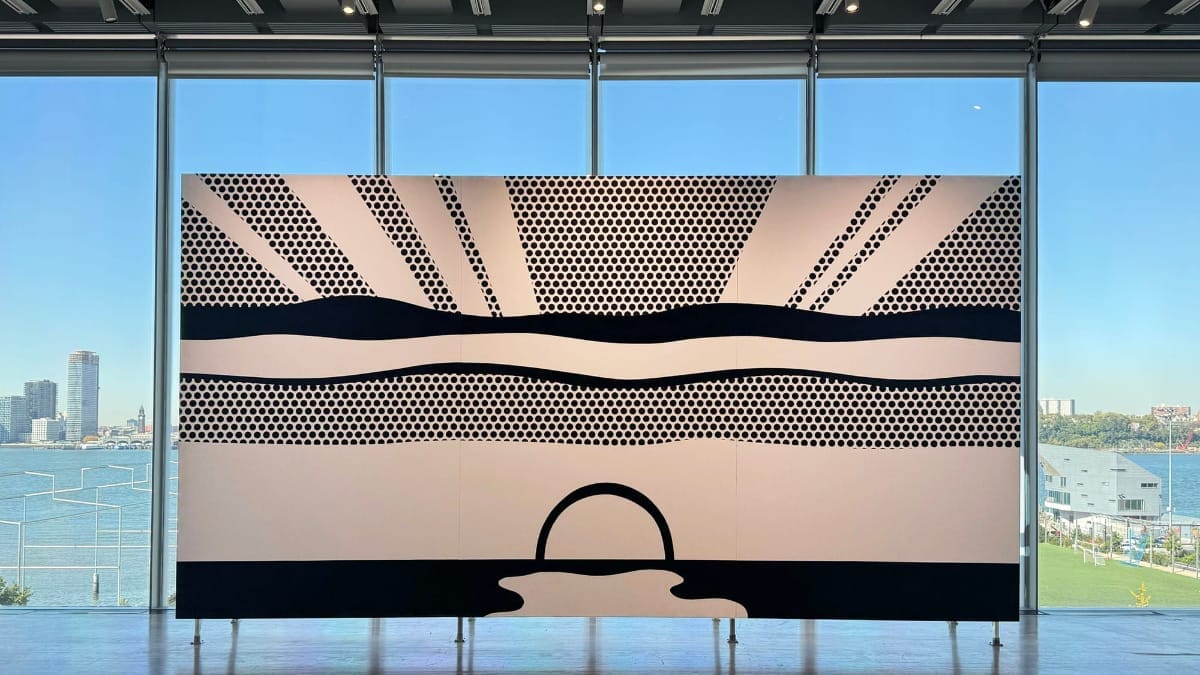
Beyond the immediate sensory overload of the city streets, the cultural calendar offers deep dives into the legacies of major modern and contemporary artists. Among the most anticipated critical essays of the week is John Yau’s reassessment of a giant of Pop Art, arguing that Roy Lichtenstein has lost his luster. Lichtenstein’s bold, comic-strip-inspired paintings have long stuck in the public consciousness as memorable, accessible, and congenial. Yet, upon visiting Roy Lichtenstein: Like New—the first major survey of the artist’s work in more than 30 years, currently on view at the Whitney Museum—viewers might expect to encounter fresh revelations unearthed by curators researching the sources behind his vast output of more than 130 paintings, sculptures, drawings, and prints. While initial expectations run high, the survey ultimately prompts a critical re-examination of whether the work retains its historical punch or if its sheen has faded over time.
In the realm of international cultural exchange and institutional funding, the Asian Cultural Council (ACC) has officially opened its 2027 global grant cycle. Running from October 1 through November 10, the ACC’s annual initiative invites artists, arts professionals, scholars, and organizations from across the globe to apply for funding designed to foster meaningful international dialogue and cross-cultural understanding. This ongoing grant program continues to support vital artistic research and collaborative projects, reinforcing global networks among creative practitioners.
Meanwhile, museum and gallery announcements highlight shifting perspectives on Indigenous representation. The Gochman Collection of Indigenous Art is preparing to open a dedicated exhibition space in Katonah this November, bringing significant works of Native art into a focused regional venue and providing new platforms for historical and contemporary Indigenous creativity.
Books and Critical Perspectives on Art History
Literary criticism and biographical retrospectives offer further insight into the figures who shaped modern cultural discourse. Megan O’Grady turns her attention to the profound legacy of the late novelist and art critic John Berger in a review titled "John Berger in His Own Bruised Time." Berger famously asked his biographer, Tom Overton, to wait until after his death to write his life story. The resulting biography is described as deeply informative, deferential, and perceptive, capturing the nuances of a thinker whose writings on art and society fundamentally altered how generations look at visual culture.
In another notable new release, historian Ruth Bernard Yeazell explores the enduring resonance of a Dutch master in Vermeer’s Afterlives. As Lauren Moya Ford notes in her review, artists, filmmakers, poets, and the contemporary art market continue to bear the subtle, undeniable traces of Johannes Vermeer’s influence. The book examines how the quiet interiority and luminous precision of Vermeer’s canvases maintain a ghostly, powerful grip on modern creative imagination.
Interviews and Indigenous Perseverance
Conversations with contemporary cultural figures shed light on the intersection of art, politics, and historical memory. In a compelling interview with Hyperallergic, former Navajo Nation president Jonathan Nez discusses his upbringing, the ways in which Diné culture deeply shapes his political philosophy, and the absolute necessity of maintaining historical memory in contemporary governance. Valentina Di Liscia’s profile explores Nez’s ongoing public work and his broader perspective on Indigenous perseverance in the face of systemic political challenges.
In similar territory, sound artist and composer Raven Chacon continues to draw critical acclaim for his work, which acoustically maps and honors the complex histories of the American landscape. Through sonic experimentation, Chacon confronts the layered narratives embedded within geography, sovereignty, and indigenous presence.
Features, Film Festivals, and Documentary Arts
The intersection of institutional accountability, student activism, and artistic expression remains a potent subject of reporting. Recent developments surrounding the Cornell 7 case have sparked intense fury and widespread protests on campus, with student groups and activists organizing in solidarity with an anonymous individual known as Jane Doe, drawing national attention to issues of disciplinary transparency and institutional response.
As the autumn cultural calendar shifts toward cinema, the annual DOC NYC festival approaches with a robust lineup of art-focused documentaries. Among the 13 standout art films featured at this year’s festival are projects exploring eclectic and profound subjects. Highlights include a documentary about a giant local pencil that unexpectedly transformed into a community gathering space, an exploration of the complex afterlife of Frida Kahlo through the relentless reproduction of her iconic image, and a deep dive into the artistic legacy of master collagist Romare Bearden. Anna Lee’s preview underscores the festival’s ongoing commitment to highlighting the rich intersections between the visual arts and documentary filmmaking.
As the week’s news cycle reflects the complex tensions of public commemoration, artistic critique, and political reality, the cultural landscape remains a vital mirror of a changing society, capturing both the friction of the present and the enduring weight of history.






