It is a sunny October afternoon in Manhattan, and the stone steps of the Metropolitan Museum of Art are bustling with a vibrant cross-section of humanity. Tourists pose for selfies against the museum’s imposing classical facade while street vendors hawk chopped-up hot dogs nestled in beds of French fries. Nearby, the sound of a lone saxophone player drifts across Fifth Avenue, blending into a familiar urban symphony of splashing water fountains and honking cars. It is a scene of bustling metropolitan life, yet a quiet contemplation underlies the date. The only figures conspicuously missing from this modern celebration of diversity are the Lenape people, whose ancestral land was seized so that contemporary visitors might enjoy a pleasant Indigenous Peoples’ Day on the steps of The Met.
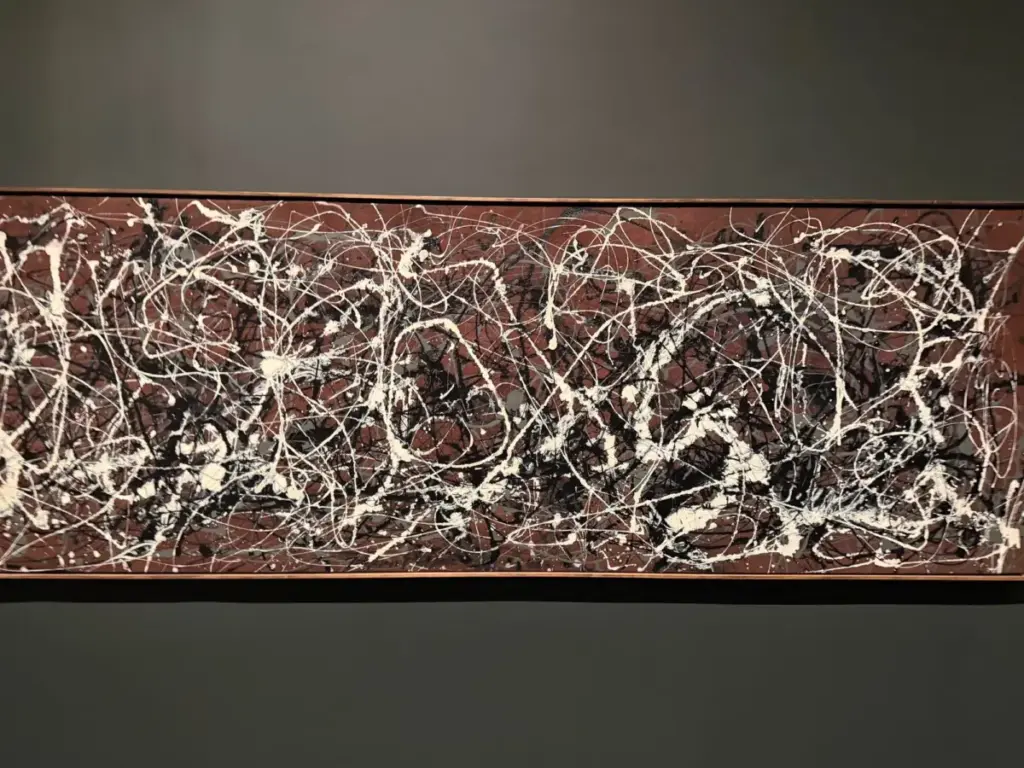
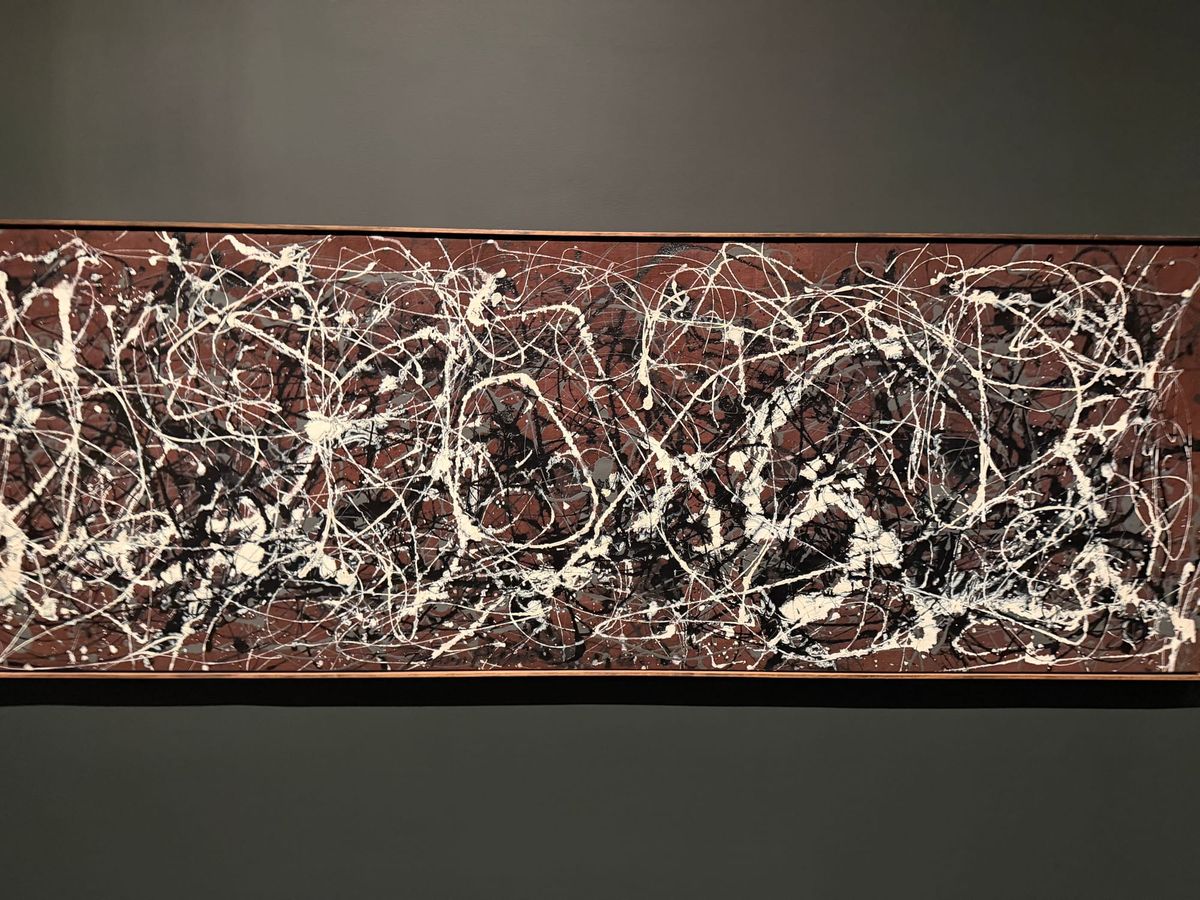
Stepping inside the museum offers little reprieve from the complexities of history and modern social friction. A blockbuster exhibition dedicated to the tumultuous lives and careers of Abstract Expressionist painters Lee Krasner and Jackson Pollock is jam-packed with visitors. The exhibition explores their mutual artistic influence as much as it chronicles their marriage, presenting their union as their most difficult and enduring collaboration.
Navigating the crowded galleries brings unexpected encounters with the friction of modern public life. A visitor from behind accuses another of “white privilege” over a perceived line-cutting infraction. When challenged with a brief look, the accuser quickly pivots, substituting the critique with an accusation of “male privilege.”
Outside the museum walls, the wider sociopolitical landscape hums with tension. Listening to a broadcast of Democracy Now, a discussion unfolds regarding the persistent legacy of settler colonialism. A glance at a passing Jeep Wrangler reveals a bumper sticker proudly bearing the words “primitive man.” Initial hesitation gives way to a strange appreciation for the driver’s unabashed candor, contrasting sharply with headlines reporting that War Secretary Pete Hegseth has threatened to livestream an execution by firing squad.

Further downtown, at the Brooklyn Museum, a quieter moment of reflection unfolds before a display of Indigenous Kachina dolls. Originally given to Hopi girls and women living in what is now Arizona, the exact makers and the precise journey that brought these sacred objects into institutional custody remain obscured by time. Today, they rest within the museum’s Center for Feminist Art, serving as artifacts of both cultural heritage and complex institutional provenance. By the end of the day, shoulders grow tense and the mind feels thoroughly cooked, leaving a singular, exhausted desire: to lie down idea-free, opinionless, and primitive.
Roy Lichtenstein Has Lost His Luster
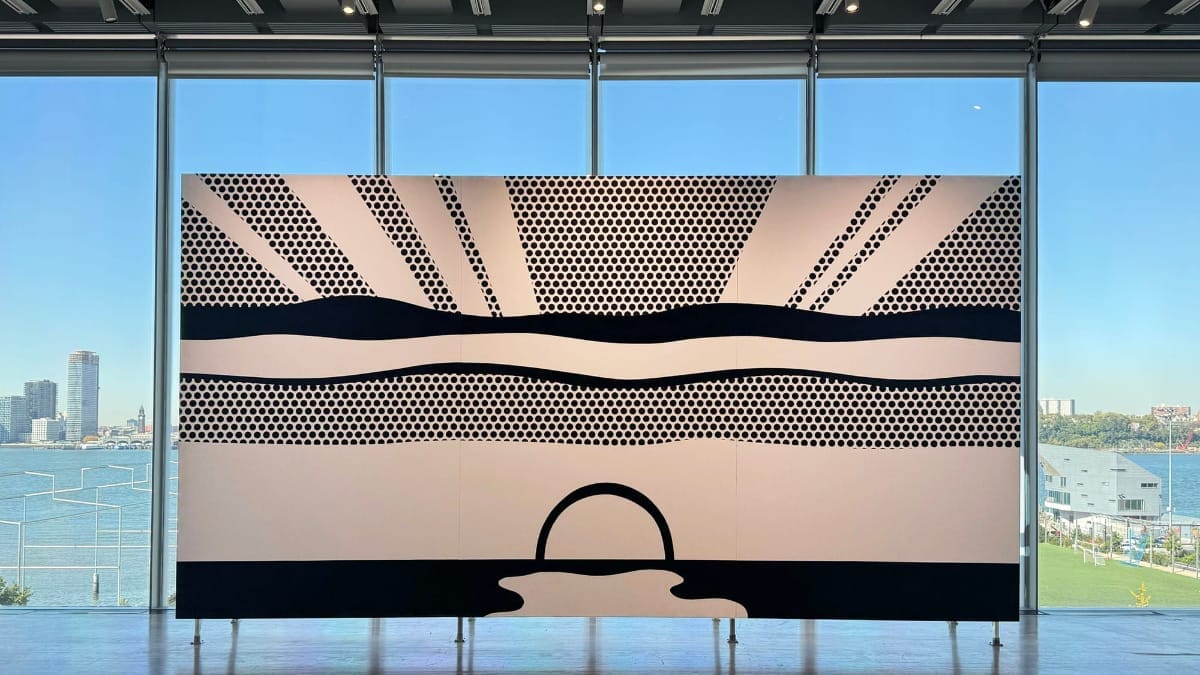
Roy Lichtenstein’s iconic paintings have long maintained a firm grasp on the public imagination. Characterized by their distinct aesthetic borrowing from comic books and commercial printing techniques, his works are undeniably memorable and congenial. When art critic John Yau visited Roy Lichtenstein: Like New, the first major survey of the artist’s work in more than 30 years at the Whitney Museum, expectations were high for fresh insights. The exhibition brought together more than 130 paintings, sculptures, drawings, and prints, with curators digging deep into the original source material behind Lichtenstein’s compositions. Yet, despite the exhaustive research and the sheer scale of the retrospective, the initial sense of anticipation ultimately yielded a more critical appraisal of the Pop Art pioneer’s enduring impact.
Funding International Dialogue: The Asian Cultural Council Opens 2027 Global Grant Cycle
In the broader arts funding landscape, opportunities for cross-cultural engagement continue to evolve. The Asian Cultural Council (ACC) has officially opened its application window for the 2027 global grant cycle. Running from October 1 to November 10, the program invites individual artists, arts professionals, scholars, and cultural organizations from across international communities to apply for support. The initiative aims to foster meaningful dialogue and exchange across borders, reinforcing the vital role of transnational collaboration in the contemporary arts ecosystem.
John Berger in His Own Bruised Time
Among recent literary releases, the legacy of the late novelist and art critic John Berger has received a thorough and deeply reflective examination. Before his passing, Berger explicitly asked writer Tom Overton to delay working on his authorized biography until after his death. The resulting volume has now arrived, offering a text that is deeply informative, deferential, and perceptive. Overton’s biographical approach captures the nuances of Berger’s life and critical philosophy, sometimes rising to lyrical heights in its exploration of a thinker who profoundly reshaped how generations engage with visual culture.
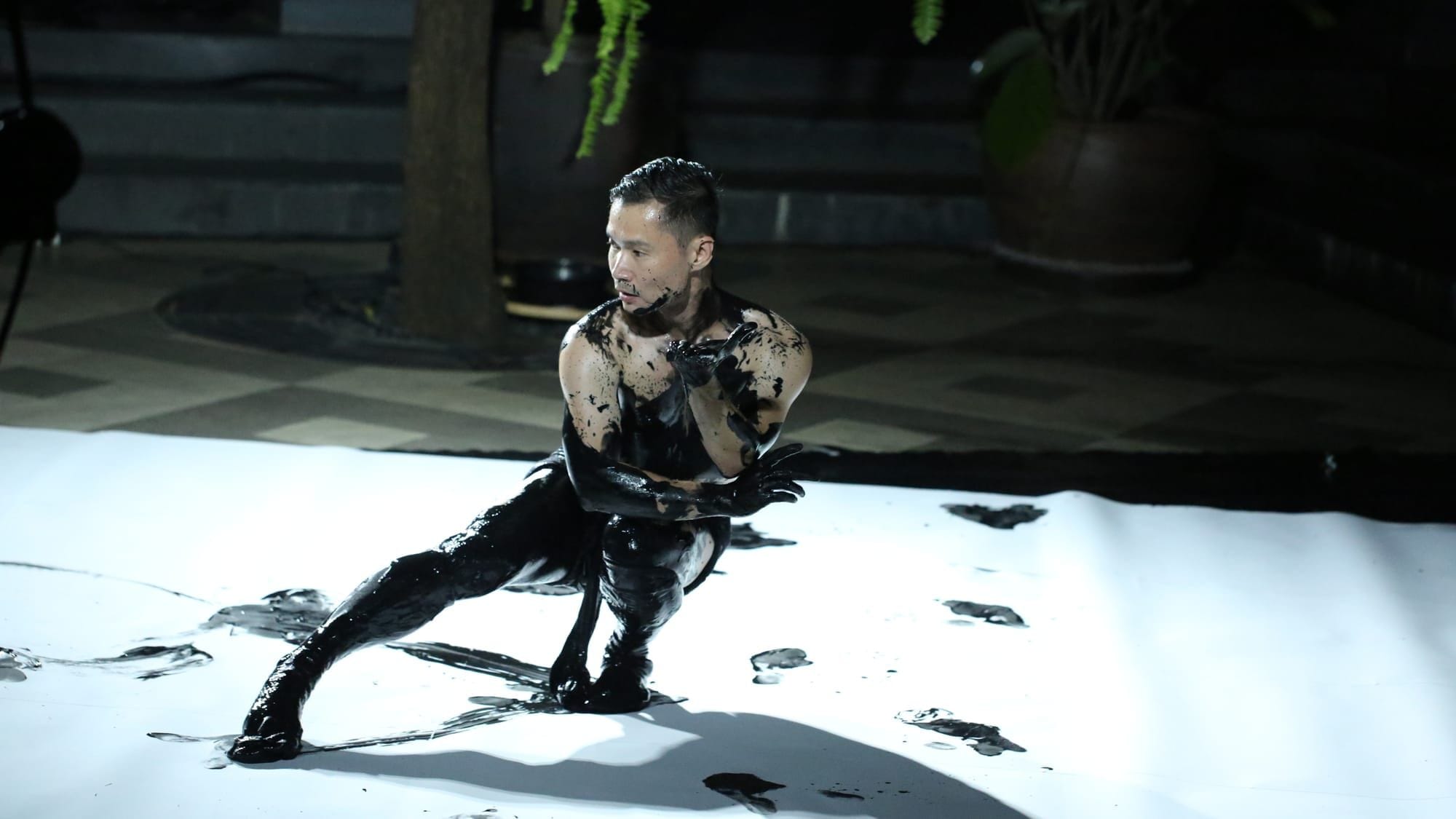
At the same time, scholarship surrounding other historical masters continues to yield fresh perspectives. In Vermeer’s Afterlives, historian Ruth Bernard Yeazell examines how the enigmatic Dutch painter’s influence stretches far beyond the borders of seventeenth-century Holland. Contemporary artists, filmmakers, poets, and even the machinery of the modern art market continue to bear distinct traces of Vermeer’s enduring aesthetic gravity.
Jonathan Nez on Indigenous Perseverance
Interviews across the cultural sector continue to foreground the voices of Indigenous leaders and creators shaping contemporary discourse. Among them is Jonathan Nez, the former Navajo Nation president and congressional candidate in Arizona. In conversation, Nez reflects on his upbringing, explaining how Diné culture deeply informs his political worldview. Throughout the discussion, he emphasizes the critical importance of historical memory in navigating the modern political sphere, framing Indigenous perseverance not as a relic of the past, but as an active framework for contemporary governance and community survival.
Art Films to See at DOC NYC
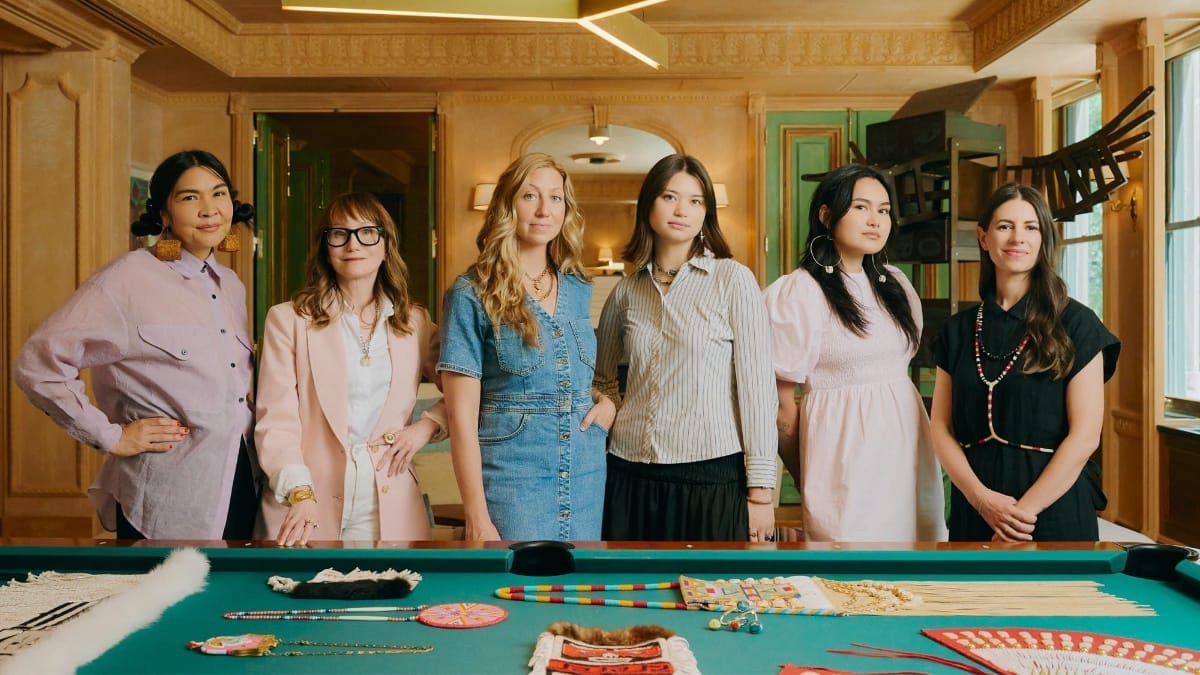
As the documentary film festival circuit approaches, the cultural calendar fills with compelling cinematic explorations of art and history. The upcoming edition of DOC NYC highlights 13 distinct art-focused films that promise to captivate audiences. Among the festival’s most anticipated offerings are features chronicling the unlikely afterlife of a giant local pencil that became a community watering hole, an examination of Frida Kahlo’s enduring legacy through the lens of her reproduced image, and a deep dive into the life and work of visionary collagist Romare Bearden. These selections highlight the ongoing intersection between visual art and cinematic storytelling, offering audiences new avenues to engage with the lives and cultural impacts of notable creators.