It is a crisp, sunny October afternoon in Manhattan, and the grand limestone steps of the Metropolitan Museum of Art are pulsing with an energetic cross-section of global humanity. Tourists pause on the historic facade to frame the perfect vacation selfie, street vendors tend to sizzling carts of hotdogs nestled among mounds of French fries, and the sharp notes of a nearby street saxophonist merge into a chaotic urban symphony of splashing water fountains and blaring taxi horns on Fifth Avenue. Amid this vibrant tapestry of life, the stark absence of any official presence or acknowledgment of the Lenape people—upon whose ancestral homelands the city was built—hangs heavy over the celebration of Indigenous Peoples’ Day.
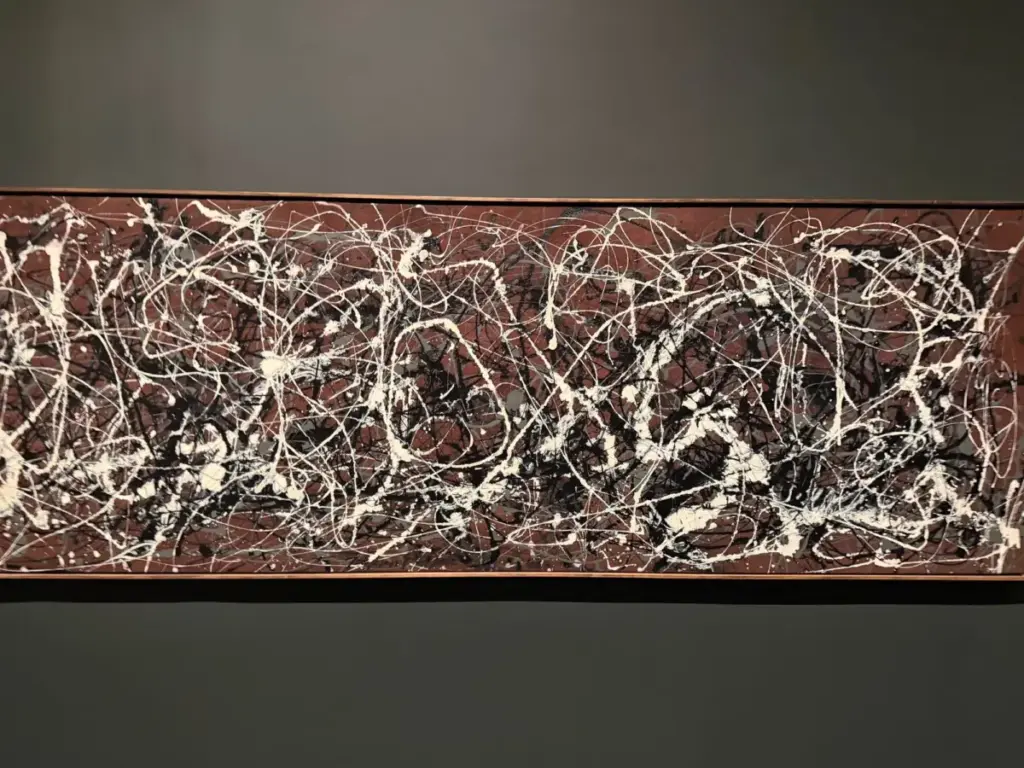
Stepping past the grand entrance and into the museum’s cavernous galleries, visitors find themselves funneled into a jam-packed blockbuster exhibition celebrating the tumultuous lives and intertwined careers of Abstract Expressionist giants Lee Krasner and Jackson Pollock. The show offers an unflinching look at their creative symbiosis, framing their artistic mutual influence as inseparable from the heavy emotional toll of their marriage—widely regarded as their most difficult and enduring collaboration.
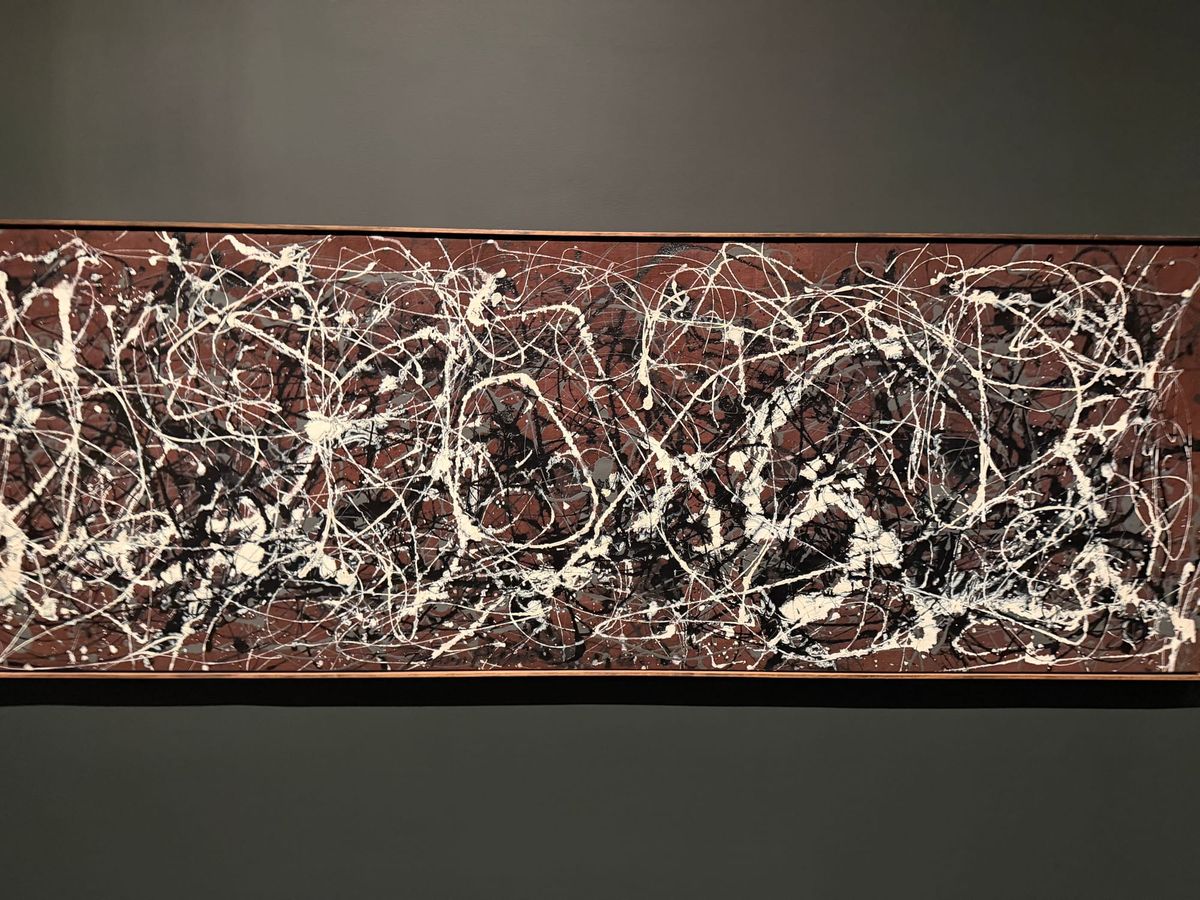
The weight of modern urban friction quickly catches up to the contemplation of mid-century masterpieces. Standing near one of Pollock’s monumental canvases, a visitor from behind sharply accuses the observer of “white privilege,” claiming a spot in the crowd was unfairly usurped. A quick turning of the head prompts a dry reality check: “What white privilege? Look at me.” A momentary pause leads to a swift pivot in the accusation: “Okay, then male privilege.”
Outside the museum’s institutional quiet, the socio-political noise of contemporary America resumes instantly. Tuning into a broadcast of Democracy Now, a discussion unfolds regarding the lingering, structural realities of settler colonialism. A glance at the surrounding Manhattan traffic reveals a Jeep Wrangler sporting a bold bumper sticker proudly declaring the driver a “primitive man.” Initial hesitation gives way to a strange sense of appreciation for the driver’s stark, unfiltered honesty, especially on a day when news cycles are dominated by aggressive political rhetoric, including threats from public figures regarding state-sanctioned violence.

Further south, the Brooklyn Museum offers a quieter, yet historically fraught, space for reflection. Pausing before a delicate display of Indigenous Kachina dolls—traditional carvings historically gifted to Hopi girls and women in what is now Arizona—the complex and often opaque mechanisms of museum acquisition come into sharp focus. Their exact creators and the exact paths by which they entered the institution remain shrouded in mystery, yet today they reside securely within the museum’s Center for Feminist Art, serving as silent witnesses to complex histories of displacement, collection, and institutional custody. By the time the sun begins to set over the East River, the physical and mental toll of processing these overlapping layers of art, politics, and history leaves the shoulders tense and the mind searching for a moment of quiet, uncomplicated reprieve.
Roy Lichtenstein Has Lost His Luster
Beyond the daily musings of cultural observers, New York’s gallery and museum circuit continues to provoke critical re-evaluations of twentieth-century icons. Roy Lichtenstein’s paintings have long occupied a distinct, indelible space in the public consciousness. Known for their punchy appropriation of comic book imagery, bend-dot patterns, and primary colors, his works are undeniably memorable and visually congenial.
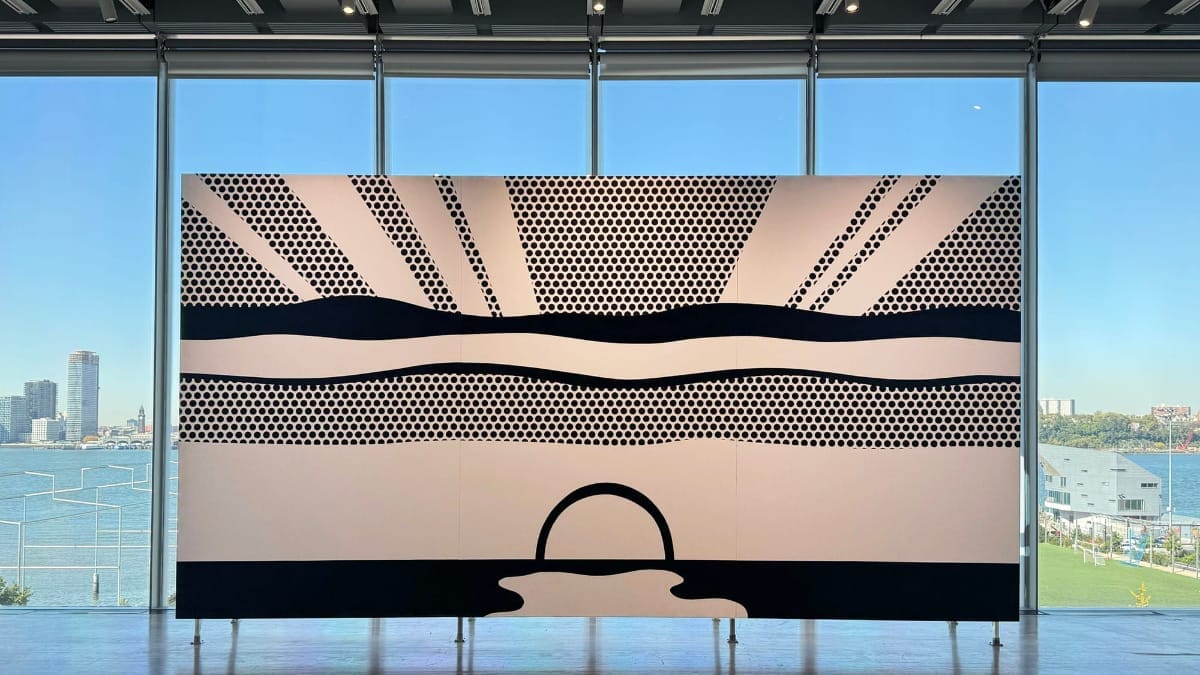
When critic John Yau visited Roy Lichtenstein: Like New, marking the first major survey of the artist’s work in more than thirty years at the Whitney Museum of American Art, the expectation was to encounter fresh discoveries. Curators dove deep into the archival sources behind more than 130 paintings, sculptures, drawings, and prints currently on display, attempting to shed new light on the mechanics of his image-borrowing. While the initial presentation dazzled with scale and familiar pop bravura, the comprehensive nature of the exhibition ultimately raises difficult questions about the lasting resonance and critical depth of Lichtenstein’s oeuvre over time.
Funding International Dialogue: The Asian Cultural Council Opens 2027 Global Grant Cycle
In an effort to foster cross-cultural exchange and support emerging voices in the arts, the Asian Cultural Council (ACC) has officially opened its application window for the 2027 global grant cycle. The initiative invites artists, arts professionals, scholars, and cultural organizations from across the globe to submit proposals that bridge international dialogues and encourage collaborative research or creative production. Applications are open through November 10, signaling a continued institutional commitment to sustaining transnational artistic networks amidst shifting global landscapes.
From Our Critics
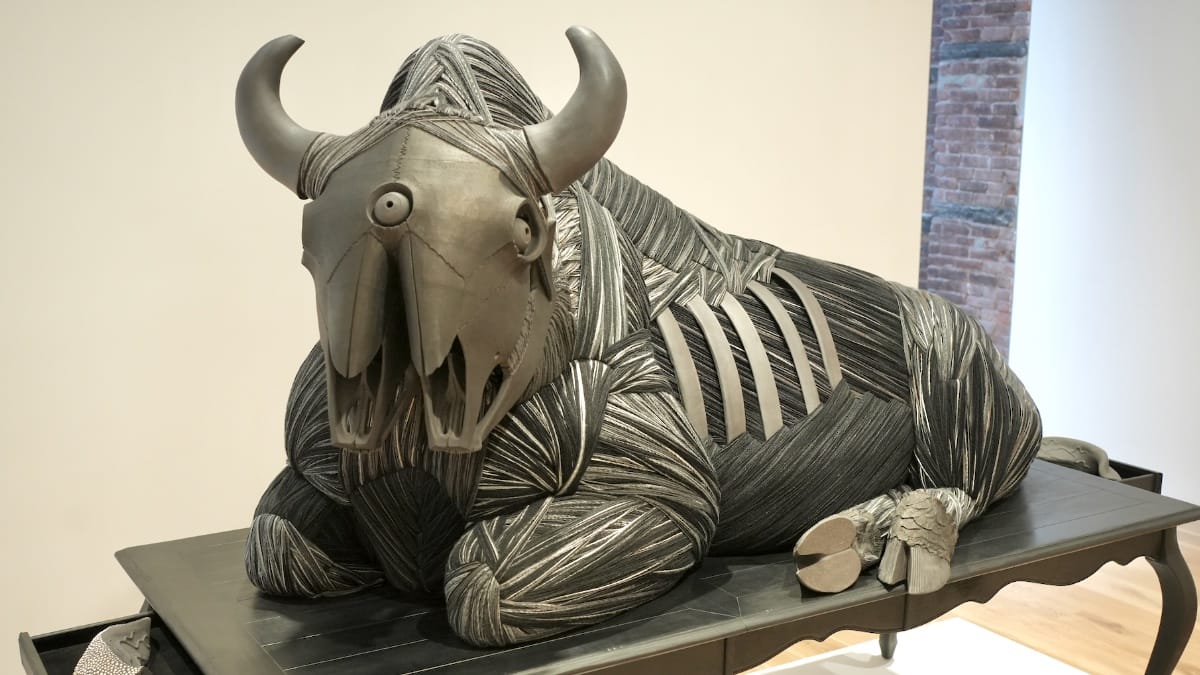
Critical discourse this season continues to interrogate the ways contemporary makers engage with American mythology and historical memory. Among the most prominent critical engagements is a deep dive into the work of artist Cannupa Hanska Luger, whose socially engaged practices and sculptural installations confront the structural realities of Indigenous displacement, ecological degradation, and American identity. Luger’s work functions not merely as aesthetic objects, but as active sites of community resilience and political intervention, challenging viewers to re-examine the foundational narratives of the United States.
Books
The intersection of biography, art criticism, and historical memory is a central theme in recent publishing. Among the standout literary releases is a major new biographical project examining the life and thought of the late critic and novelist John Berger.
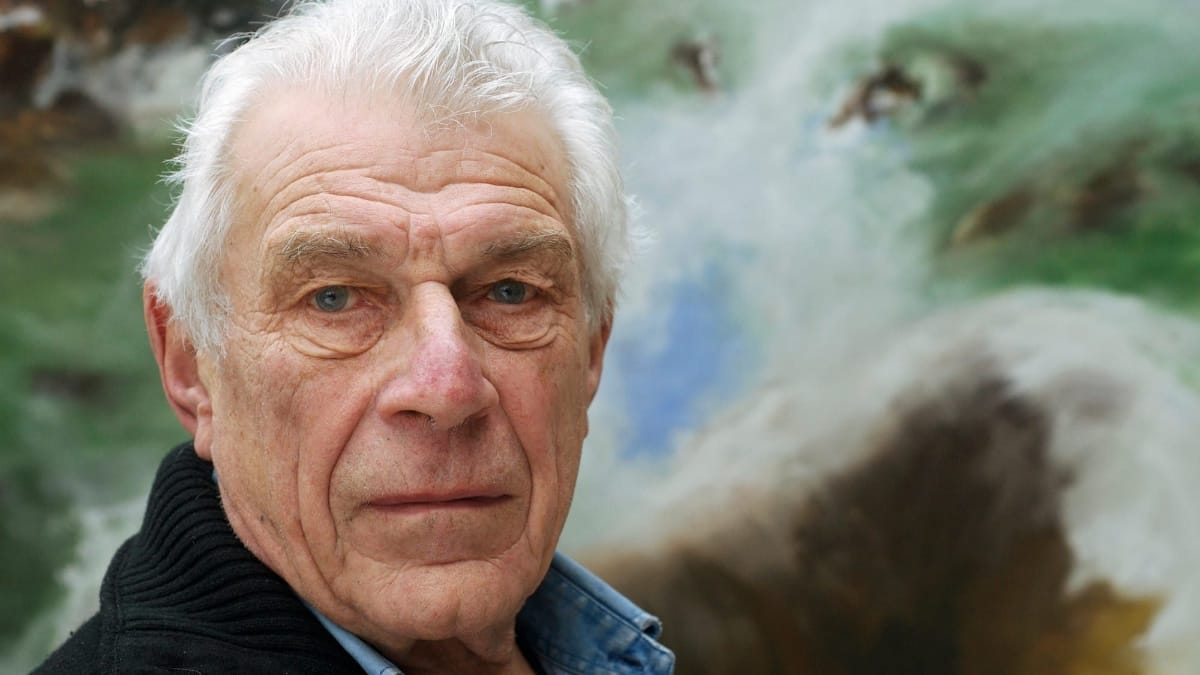
John Berger in His Own Bruised Time
The late novelist, essayist, and art critic John Berger specifically asked biographer Tom Overton to wait until after his death to pen his definitive life story. The resulting biography is a monumental achievement: deeply informative, remarkably deferential, and rigorously perceptive. Overton captures the intellectual rigor, political radicalism, and profound humanism that defined Berger’s approach to visual culture, often rendering the biographical narrative with a striking, lyrical grace that matches the subject’s own literary style.
Finding Vermeer in Unexpected Places
The enduring cultural shadow of Johannes Vermeer forms the backbone of historian Ruth Bernard Yeazell’s new book, Vermeer’s Afterlives. Through careful archival and cultural research, Yeazell traces how the seventeenth-century Dutch master continues to haunt contemporary visual culture. Artists, filmmakers, poets, and even the machinery of the modern art market bear unmistakable traces of Vermeer’s quiet domestic interiors, obsession with light, and lingering ambiguity, proving that his sparse output remains an inexhaustible wellspring for subsequent generations.
Interviews
Conversations with cultural producers this season highlight the urgent intersection between contemporary creative practice, political survival, and historical awareness.
Jonathan Nez on Indigenous Perseverance
As political landscapes shift across the American Southwest, former Navajo Nation president Jonathan Nez has turned his focus toward national representation, running for Congress in Arizona. In a wide-ranging conversation with Hyperallergic, Nez discusses his formative upbringing, the ways Diné culture and philosophy actively shape his political framework, and why historical memory remains essential to contemporary governance. His platform emphasizes community resilience, environmental stewardship, and the vital necessity of centering Indigenous voices in federal legislative spaces.
Features
As arts institutions grapple with pressing ethical, legal, and social questions, public demonstrations and critical forums continue to shape the cultural dialogue. Recent weeks have seen heightened tensions and vocal protests on university campuses, most notably surrounding disciplinary actions and legal disputes stemming from student activism, sparking broader conversations about institutional accountability, freedom of expression, and student welfare.
At the same time, practical questions regarding professional survival continue to occupy the minds of emerging creators. The perennial dilemma of career management—specifically, whether a visual artist truly requires a commercial gallery agent to navigate the contemporary market—has drawn fresh scrutiny from critics examining the economic pressures placed on today’s cultural producers.
For film enthusiasts, the festival circuit offers alternative avenues for critical engagement. The annual DOC NYC festival features a robust slate of art documentaries exploring the complex afterlives of cultural figures and local landmarks. Among this year’s most anticipated offerings are films exploring the surprising history of a giant local pencil that transformed into a neighborhood community hub, the complex posthumous commodification of Frida Kahlo through her ubiquitous image, and the profound artistic legacy of visionary collagist Romare Bearden.