For generations, the butterfly bush (Buddleja davidii, Zones 5–9) has been a staple of suburban landscapes and pollinator beds. With its cascading plumes of brightly colored flowers and a sweet fragrance that seems to act as a beacon for local wildlife, it has long been marketed as an effortless choice for anyone hoping to invite more winged visitors into their yard. However, as environmental horticulturists and regional conservationists take a closer look at the ecological impact of popular garden plants, many are asking a critical question: Is this popular Asian shrub truly the best choice for a modern garden, or is it time to reconsider its place in our landscapes?
Growing numbers of horticultural experts and state environmental organizations are urging gardeners to think twice before planting the traditional butterfly bush. Across the Southeast, regional invasive-plant councils have added the species to their watchlists and invasive directories, pointing to a series of significant ecological drawbacks that outweigh its superficial benefits. While the plant certainly lives up to its name by drawing in adult butterflies with its abundant nectar, conservationists argue that its presence in the landscape can inadvertently disrupt local ecosystems in ways that are hard to reverse.
Too Much of a Good Thing
The primary concern surrounding the butterfly bush lies in its reproductive vigor. Originally native to regions of Asia, Buddleja davidii is an exceptionally prolific bloomer that produces staggering quantities of tiny seeds. These seeds are easily carried on the wind or washed away by rainwater, allowing the shrub to escape cultivation and colonize natural areas, roadside ditches, and forest margins where it can aggressively outcompete native vegetation.
Compounding the problem is the remarkable longevity of the seeds. Environmental specialists note that even after a homeowner physically removes a mature butterfly bush from a garden bed, its seeds can persist in the soil seed bank for years, waiting dormant until optimal moisture and sunlight conditions trigger a new wave of germination.
While the nursery industry has responded to these ecological pressures by introducing various cultivars advertised as sterile or low-fertility, experts caution that consumers should approach these claims with a degree of skepticism. Field observations and trials have shown that the fertility of these supposedly sterile varieties can vary significantly depending on environmental stress and proximity to other plants, with some cultivars still capable of producing viable seed pockets.
More importantly, low-fertility cultivars fail to address a fundamental shortcoming that separates the butterfly bush from true native flora: it does not serve as a host plant for native butterfly caterpillars. While adult butterflies may enjoy feeding on the nectar of the butterfly bush, they cannot lay their eggs on its foliage in a way that successfully sustains their offspring. Without host plants to feed the larval stage of these insects, local butterfly populations cannot complete their life cycles, turning the well-meaning pollinator garden into a beautiful ecological dead end.
Try These Native Alternatives to Invasive Butterfly Bush
Fortunately, abandoning the traditional butterfly bush does not mean giving up on a vibrant, wildlife-friendly garden. The American Southeast is home to an extraordinary diversity of native flowering shrubs that offer exceptional ornamental appeal while providing robust, authentic support for local ecosystems. These native species not only supply critical nectar for adult pollinators but also offer essential food, shelter, and larval host resources throughout the changing seasons.
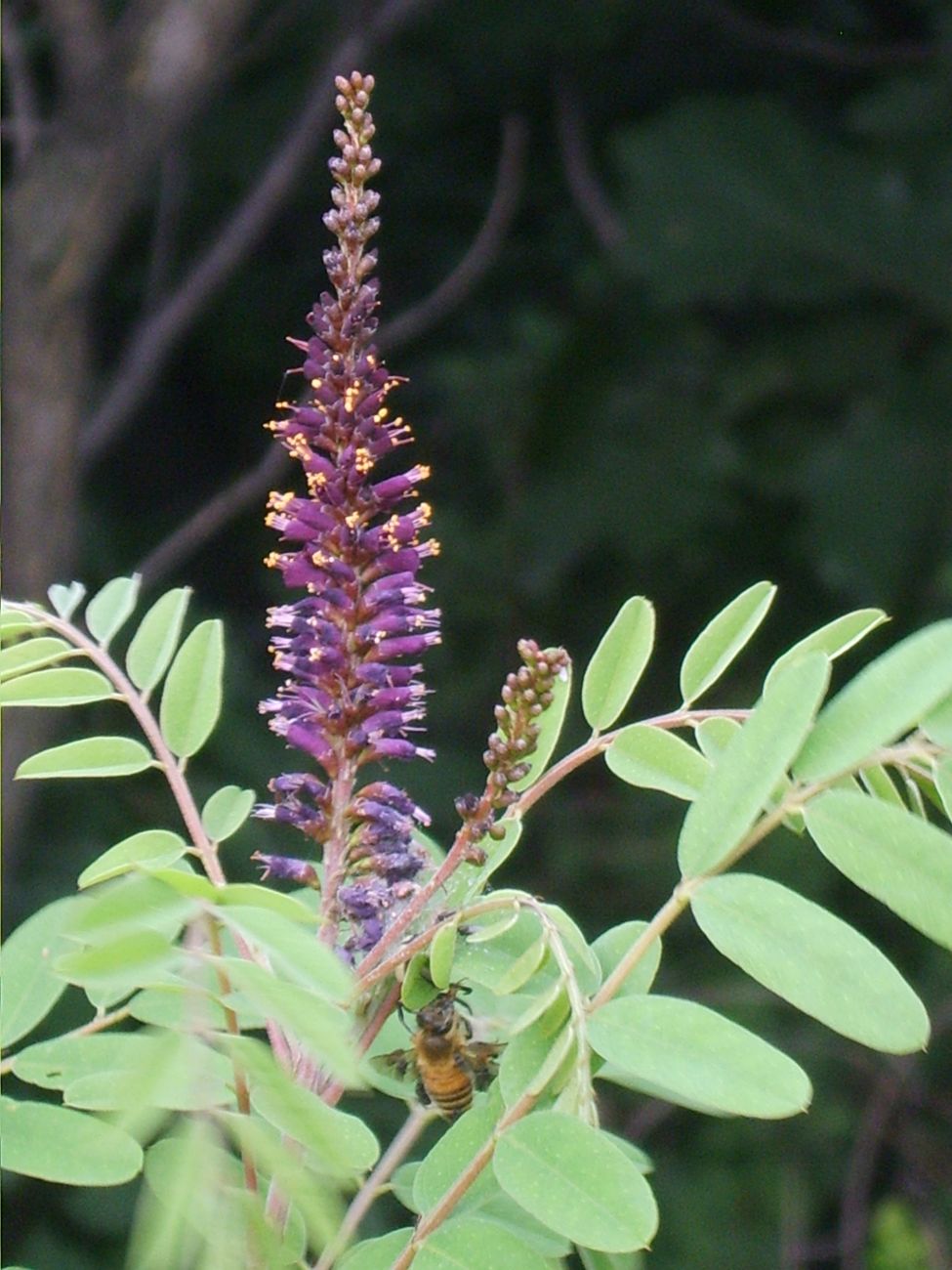
Among the most versatile options for sunny spaces is the false indigo bush (Amorpha fruticosa). Blooming from late spring into early summer, this deciduous shrub produces striking, distinctive spikes of purple flowers that are irresistible to bees, butterflies, and a wide array of beneficial insects. Beyond serving as a rich nectar source for long-tongued pollinators, the false indigo bush functions as an essential host plant for several native butterfly species, including the silver-spotted skipper and the gray hairstreak. Furthermore, its natural resilience to a wide variety of moisture conditions makes it an adaptable choice for challenging garden layouts.
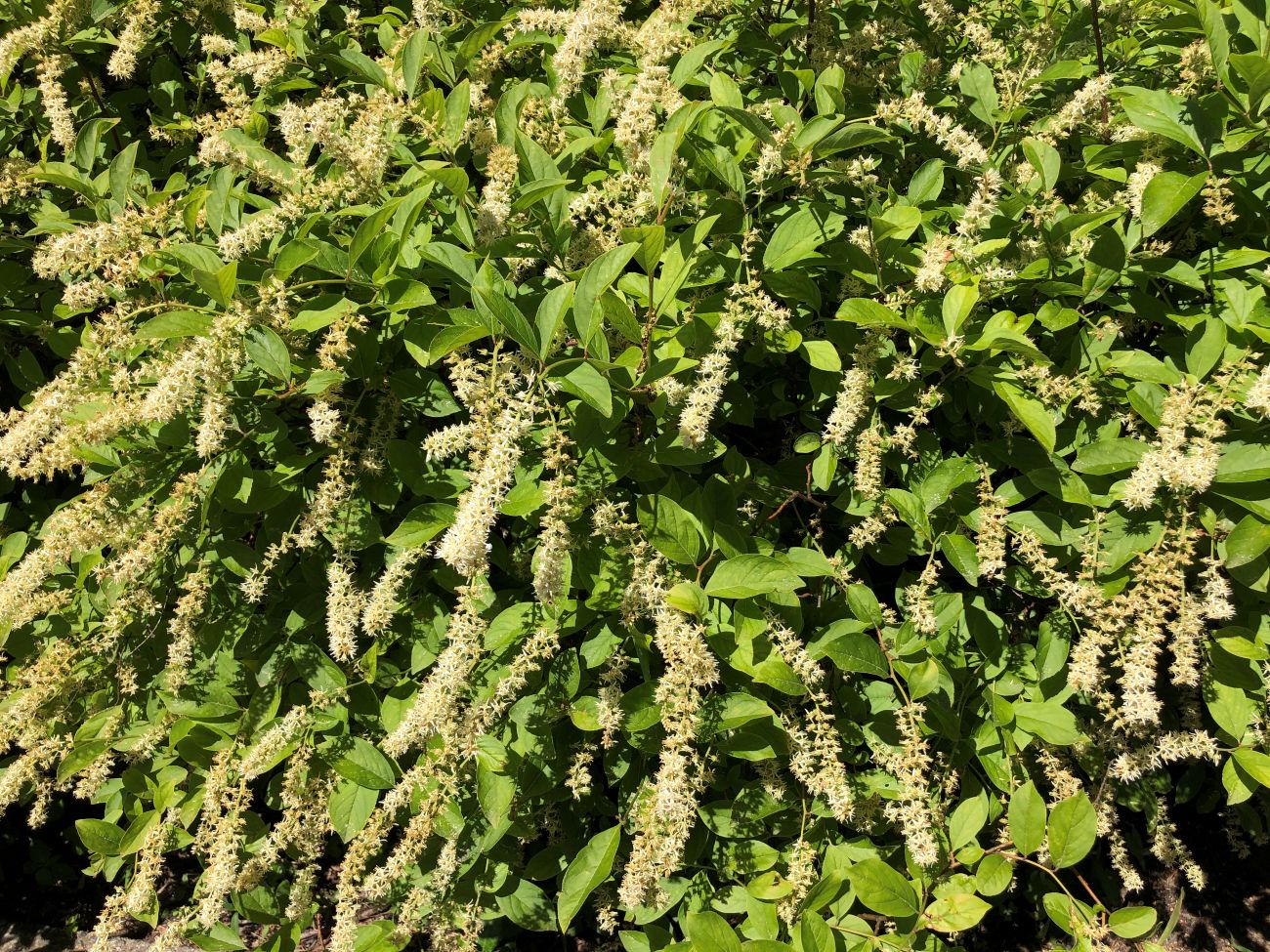
For gardeners dealing with damp soils or low-lying areas, Virginia sweetspire (Itea virginica) presents an outstanding alternative. In late spring, this Southeastern native bursts into a display of fragrant, arching white flower clusters that draw in bees and butterflies in large numbers. As the growing season transitions into autumn, the foliage transforms into brilliant shades of red, orange, and purple, extending the visual interest of the landscape. In addition to its ornamental value and usefulness in rain gardens, the Virginia sweetspire has been documented as a crucial host plant for the American holly azure butterfly within the coastal regions of the Southeast.
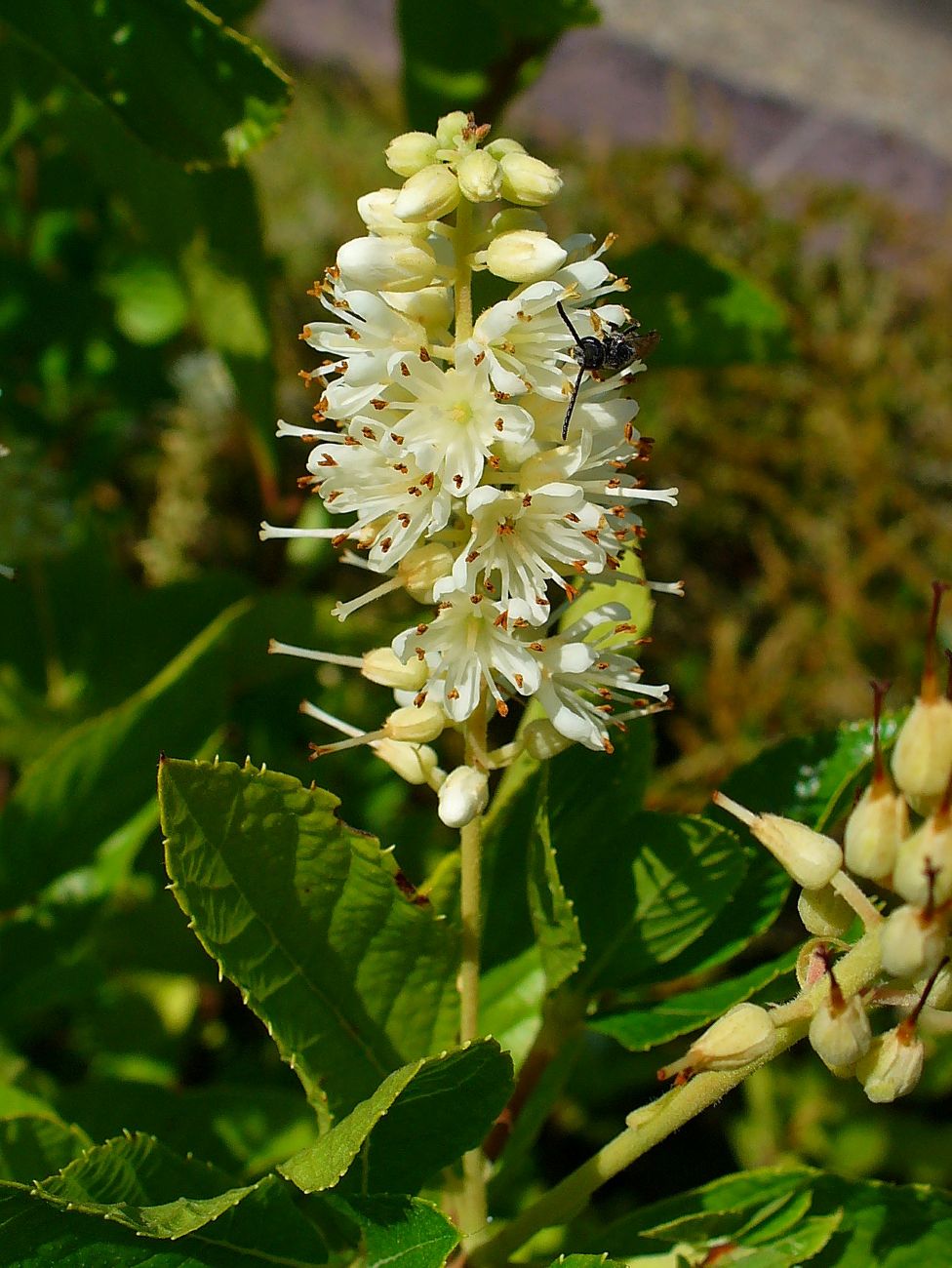
Another exceptional choice for moist soils is summersweet (Clethra alnifolia). Also known as sweet pepperbush, this shrub produces fragrant white or pinkish flower spikes that bloom in late summer—a critical timing window when many other native shrubs have finished flowering, providing a much-needed late-season food source for hummingbirds, long-tongued bees, and butterflies. While summersweet adapts well to full sun, it performs best when provided with consistently moist soil conditions.
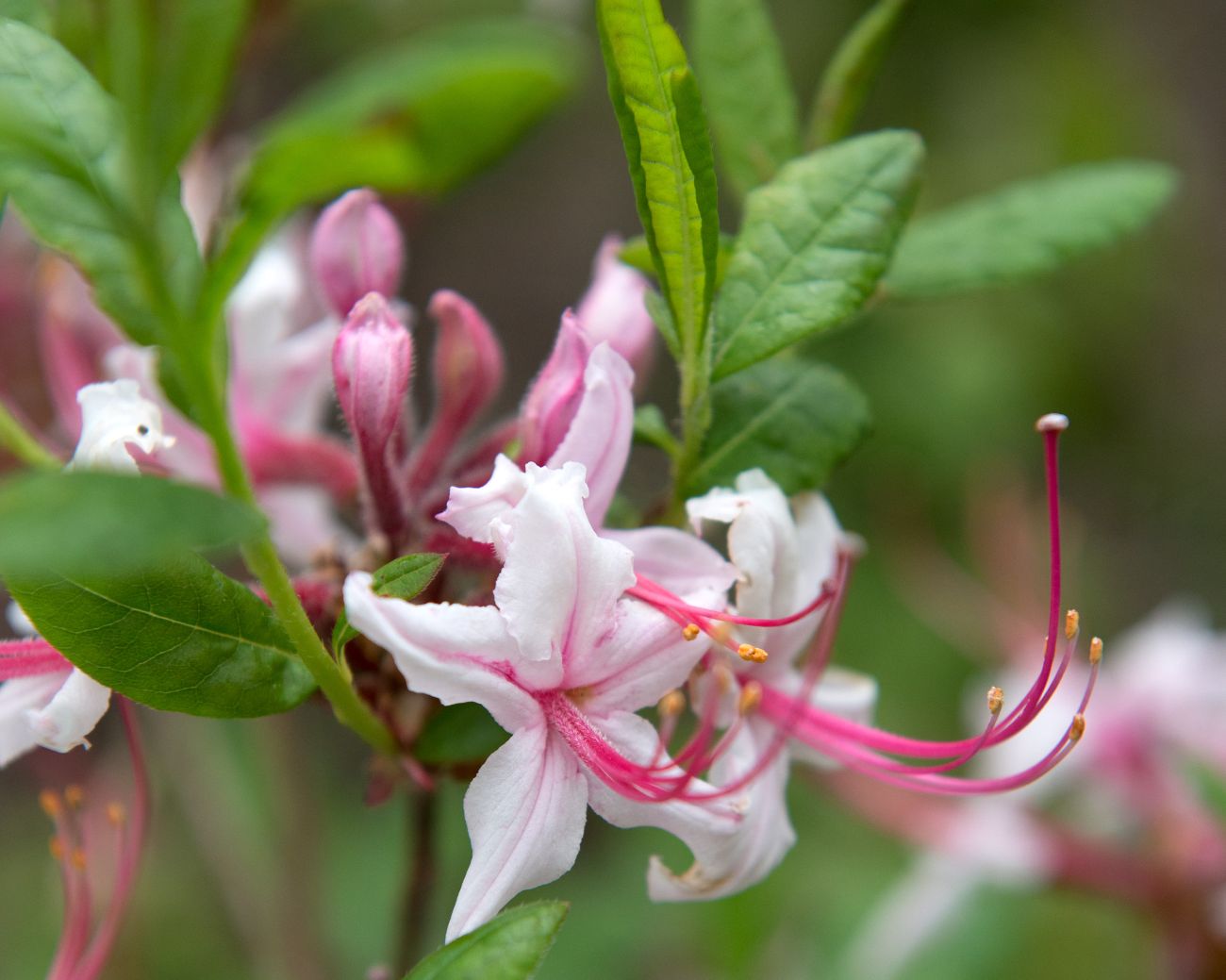
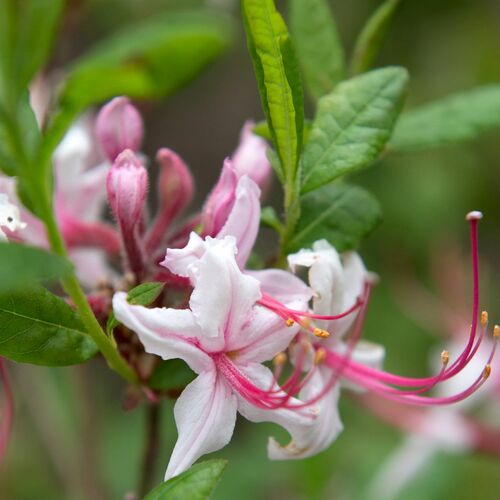
Gardeners working with partially shaded, acidic woodland environments will find a natural fit in the native azaleas of the region. The pinxterbloom azalea (Rhododendron periclymenoides) heralds the arrival of mid-spring by clothing its bare branches in soft pink to white, highly fragrant blossoms before its leaves fully emerge. This deciduous shrub is a favorite among hummingbirds and butterflies seeking early-season nectar. Similarly, the flame azalea (Rhododendron calendulaceum) lives up to its dramatic moniker by erupting in vivid shades of yellow, orange, and red from late spring to early summer, offering a spectacular general nectar source that elevates any shaded woodland garden.
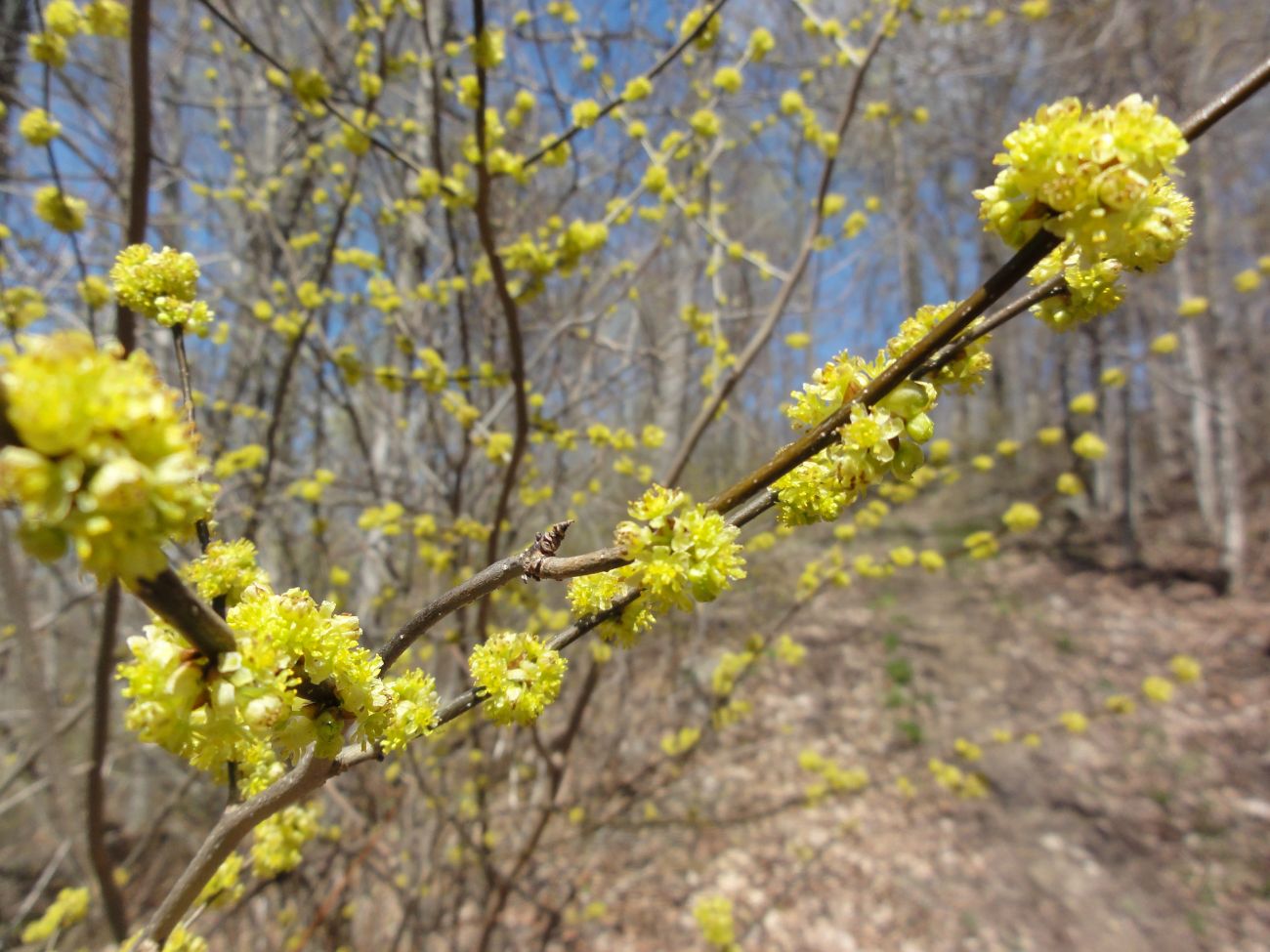
Rounding out the list of top regional recommendations is the native spicebush (Lindera benzoin). Blooming very early in the spring, it produces clusters of tiny yellow flowers that provide some of the earliest available forage for emerging pollinators. Female plants, when paired nearby with a male pollinator, produce glossy red berries in the autumn that serve as vital nourishment for migrating birds. Most importantly, the spicebush is the exclusive larval host plant for the spicebush swallowtail butterfly, ensuring that gardeners can support the complete lifecycle of this iconic insect while enjoying the shrub’s vibrant yellow autumn foliage.
What If I Just Want to Attract More Butterflies?
For many home gardeners, the primary goal remains simple: creating a landscape that teems with active, colorful butterflies throughout the warm months. Horticultural specialists point out that shifting the focus from a single, dominant shrub to a broader mosaic of native perennials, annuals, and complementary host plants opens up an entire world of ecological gardening opportunities.
By strategically combining nectar-rich plants that feed adult butterflies with specific host plants required by caterpillars, gardeners can transform their properties into self-sustaining habitats that support biodiversity from egg to adult. Organizations like the Virginia Department of Conservation and Recreation continue to promote these holistic conservation strategies, encouraging landowners to recognize that true habitat creation involves looking beyond ornamental beauty and embracing the complex biological relationships that keep local wildlife thriving.