For generations, the kitchen garden has been viewed as a utilitarian space—a sequestered plot dedicated strictly to the harvest of vegetables, fruits, and herbs. However, garden designers and horticultural experts are challenging that traditional boundary, arguing that overlooking edible plants for ornamental container displays misses an expansive range of versatile and striking design possibilities.
According to garden designers like Heather Tuckman, owner of Resilient Ground Design in southeastern Pennsylvania, edible plants can introduce remarkable foliage, unique flower structures, vibrant fruits, and architectural forms to a container composition, even when agricultural harvest is not the primary objective. As professionals increasingly approach container gardening through the lens of sensory engagement, familiar vegetables and herbs are stepping out of the vegetable patch and into prominent formal and informal decorative displays.
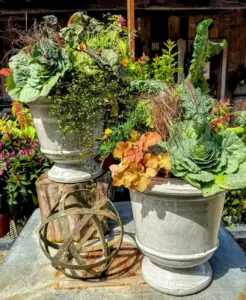
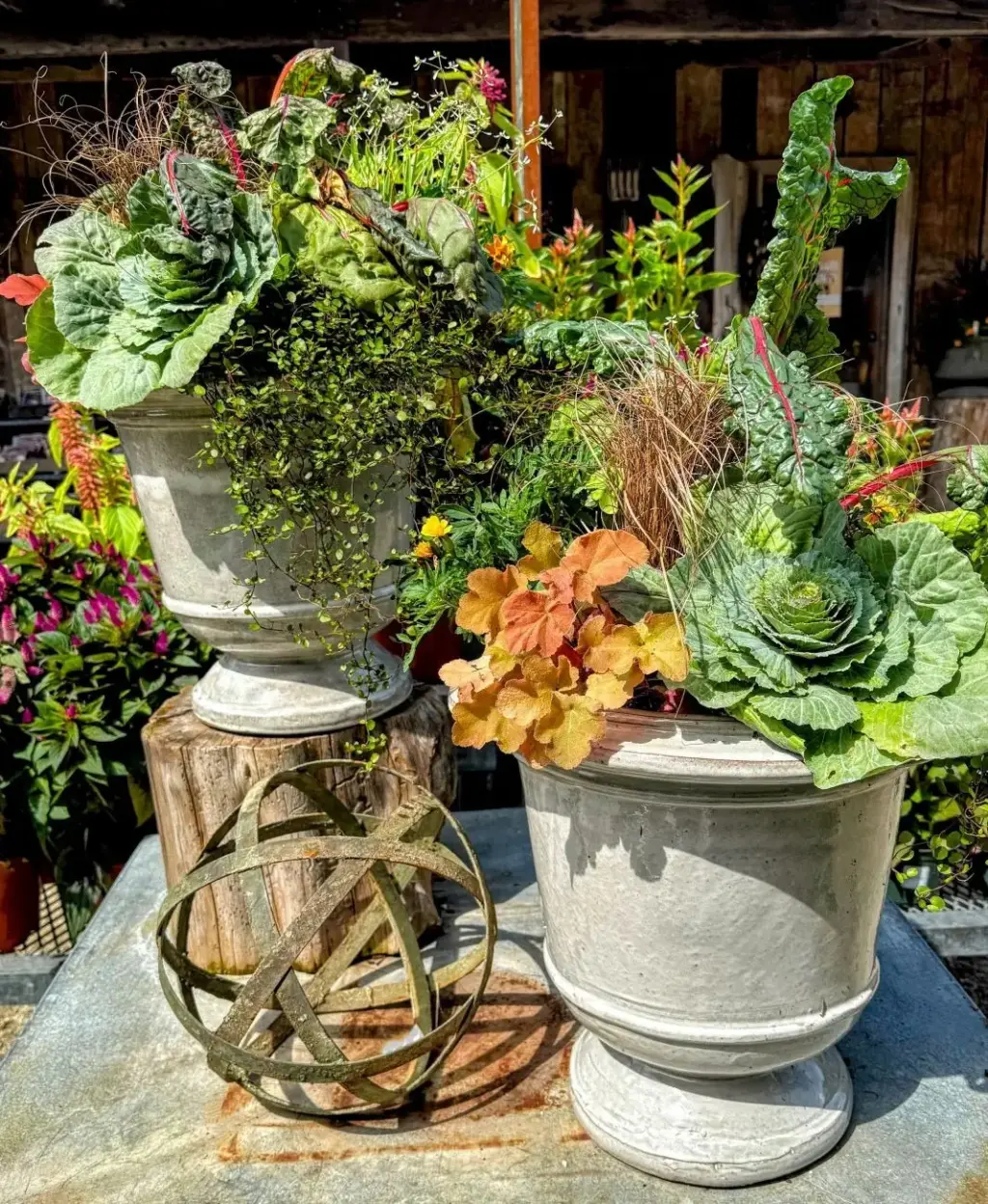
When composing a container or a grouping of containers, designers suggest stepping back from culinary flavor profiles to evaluate plants based on their broader sensory qualities. This includes visual appeal, fragrance, tactile texture, and even the subtle auditory elements of foliage and seed heads moving dynamically in the wind. Public displays, such as those at Chanticleer and Terrain, frequently illustrate how familiar plants like Swiss chard, ornamental cabbages, and bright leaf lettuces can be paired seamlessly with perennials and flowering annuals to create sophisticated aesthetic statements.
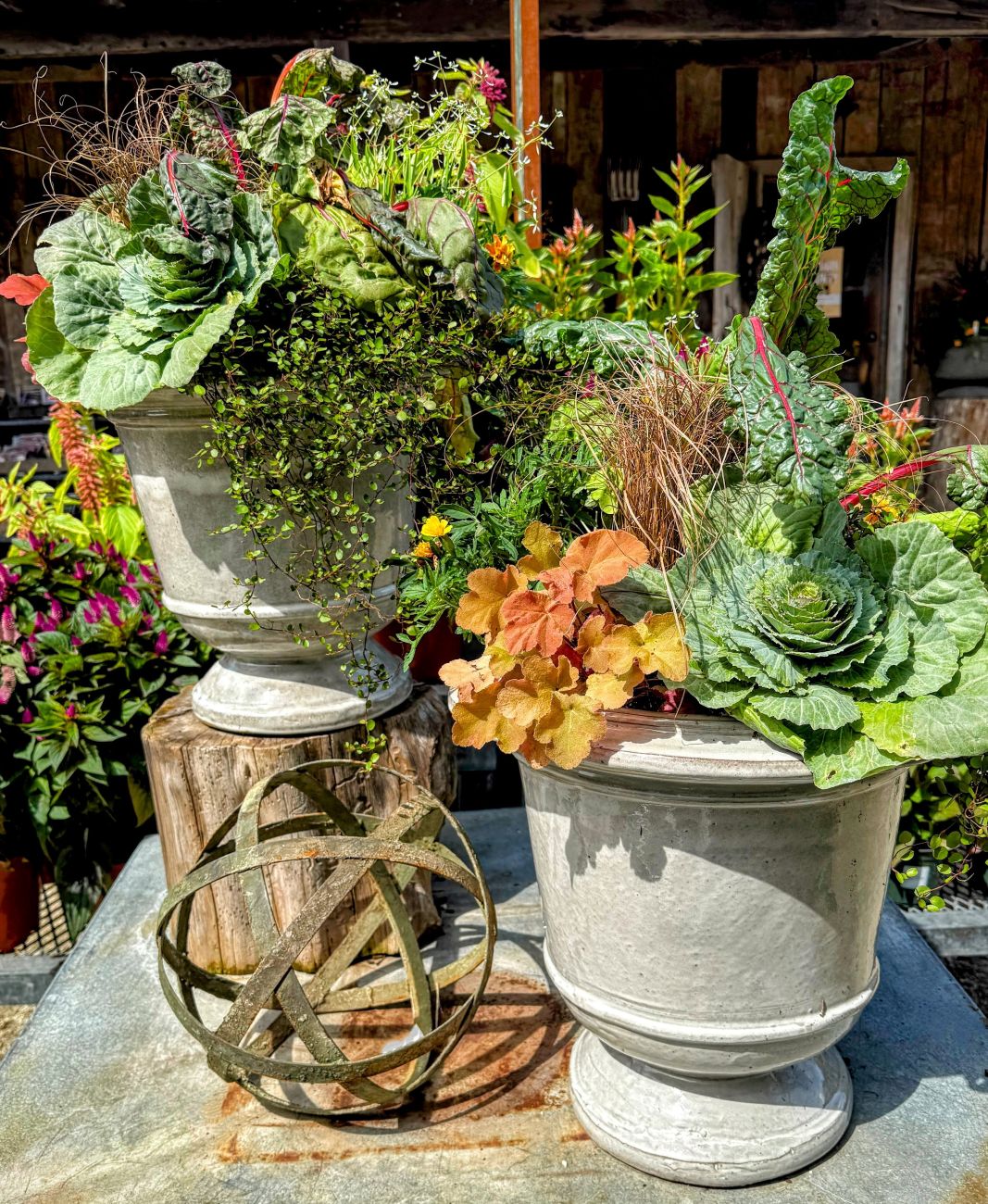
Achieving a successful container design requires a careful balance between artistic aesthetics and the physiological needs of individual plants. Before selecting specific "edimentals"—plants prized equally for their culinary and ornamental value—gardeners must weigh several practical cultivation guidelines. Chief among these considerations is defining the primary goal of the arrangement. Growing vegetables exclusively for a high-yield culinary harvest demands strict management of light, water, and nutrients. Conversely, when visual presentation takes precedence, designers have much more latitude. For instance, allowing lettuces and other leafy greens to bolt introduces striking architectural flower stalks and textural seed heads, despite the fact that the leaves themselves may become bitter and unpalatable.
Even with aesthetic flexibility, the foundational horticultural rule of choosing the right plant for the right place remains paramount. While containers grant gardeners greater overall control over local growing conditions, plants still require appropriate levels of sunlight, moisture, and soil composition. Experts advise selecting edible varieties that feature compact, dwarf, bush, or well-behaved climbing habits to prevent them from overwhelming the container composition.
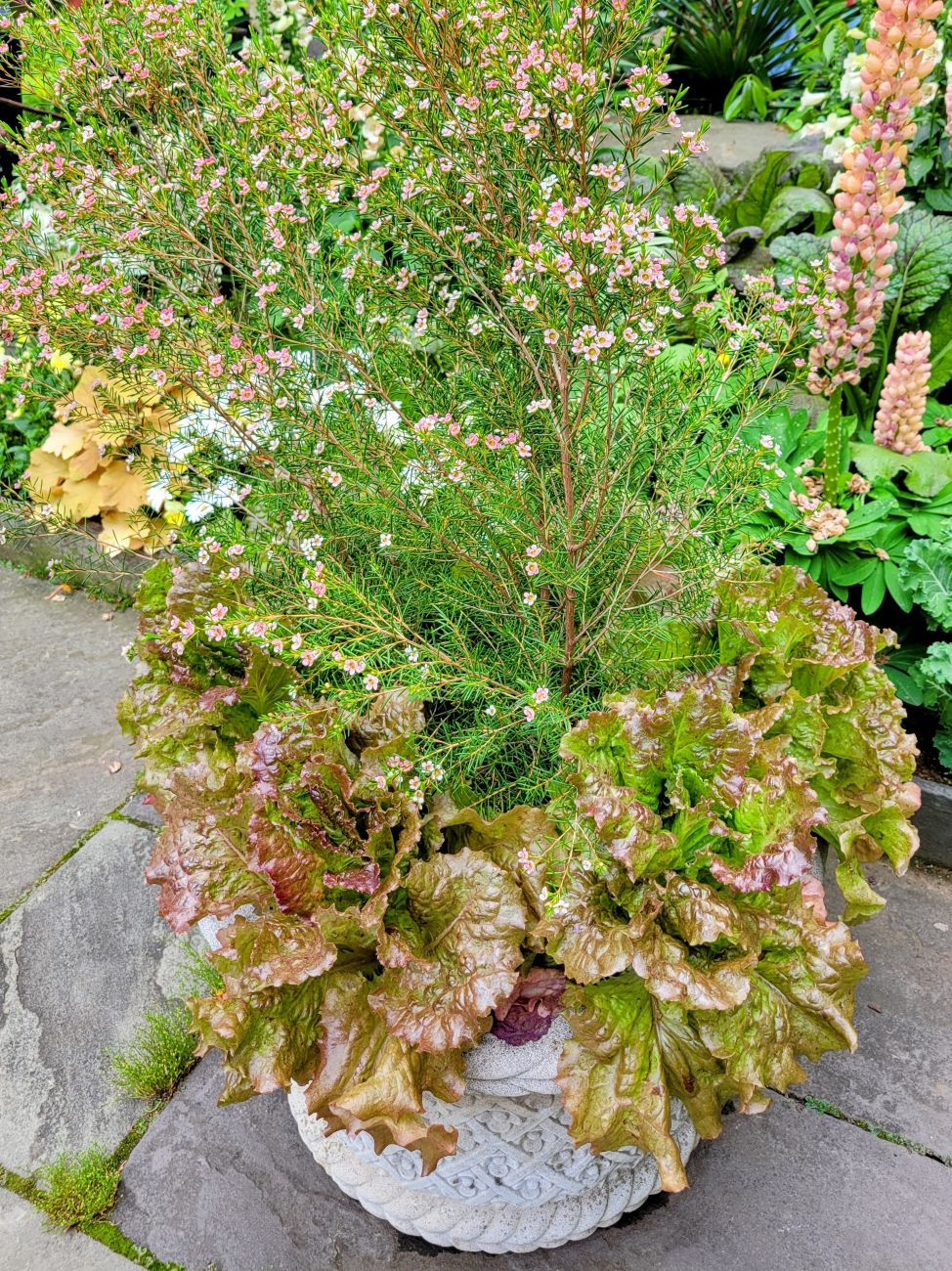
Container selection is another critical factor in long-term success. Professionals recommend utilizing the largest vessel that available space and budget will permit. Larger containers provide a greater volume of soil, which accommodates more expansive root systems and retains vital moisture much longer than smaller pots. Smaller containers dry out rapidly and typically demand much more frequent watering and supplemental feeding. Furthermore, combining various container sizes can add dramatic visual depth to an overall display, provided every pot features adequate drainage holes.
The medium inside the container offers distinct advantages over native garden soil, allowing growers to tailor the substrate precisely to the requirements of their plants. Starting with a high-grade potting mix and grouping plants with similar preferences regarding drainage, moisture, and pH levels ensures a healthier and more cohesive display. Because container-grown plants rely on a finite volume of soil, they frequently require supplemental fertilization as the natural nutrients become depleted. Gardeners must consider what specific growth they wish to encourage, noting that an excess of nitrogen can inadvertently promote lush vegetative growth at the expense of blossoms or fruit.
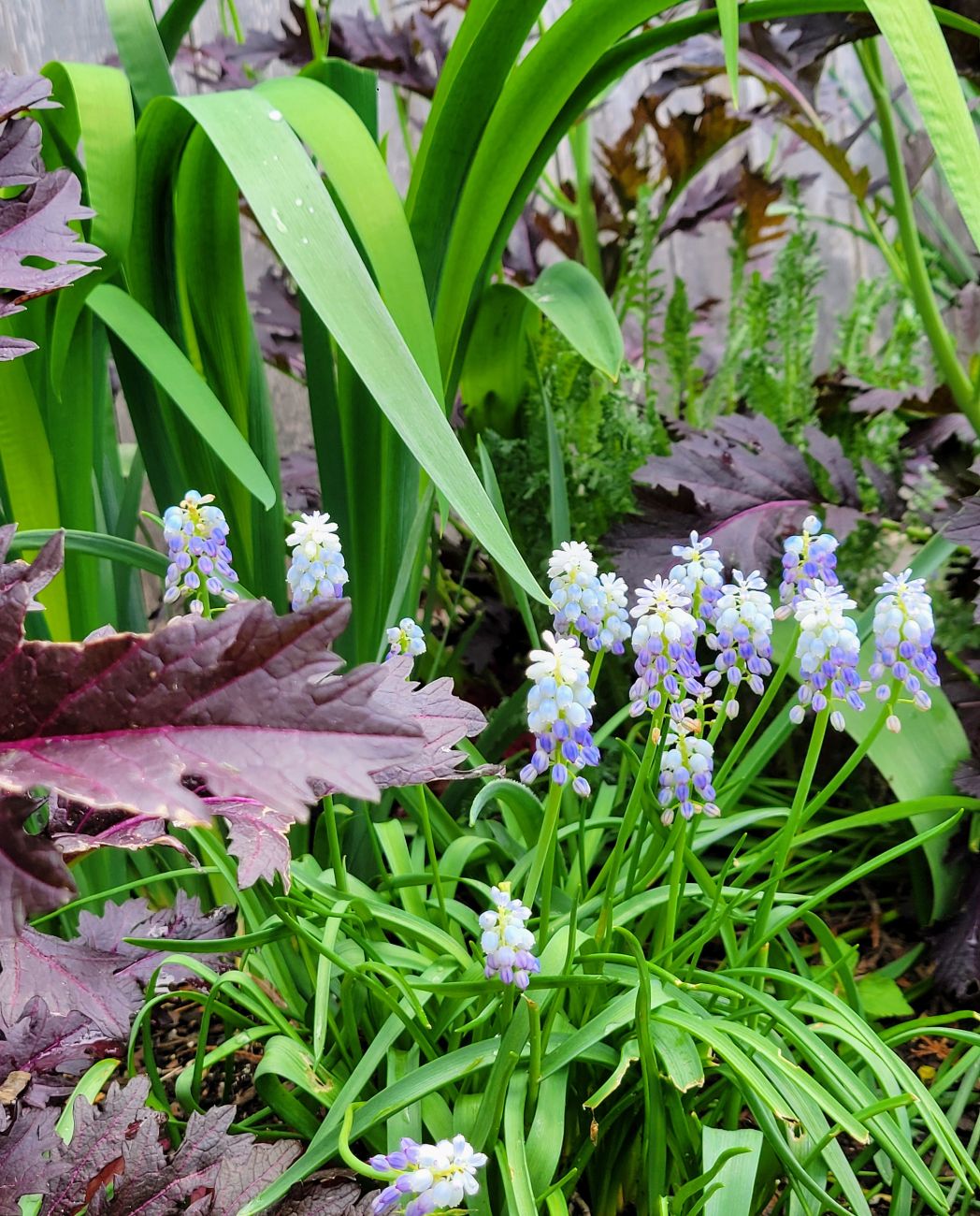
To regulate soil temperature and retain necessary moisture, applying a shallow layer of mulch is highly recommended, particularly for open compositions where the soil surface remains visible. Gardeners can utilize decorative organic materials such as small pine cones, discarded shells, buckwheat hulls, gravel, leaf mold, or finely shredded bark, taking care to keep the mulch layer clear of plant crowns and stems.
Sustainability has also become a central theme in modern container design. Many vegetables can be easily and economically started from seed, reducing reliance on purchased transplants, particularly when paired with peat-free soil mixes. Choosing peat-free alternatives helps mitigate the environmental impact of peat extraction from carbon-storing wetlands. Additionally, collecting rainwater where permitted provides an eco-friendly secondary irrigation source, though experts caution against using untreated household gray water on edible crops. Incorporating perennials into seasonal container compositions further extends the longevity of displays, allowing them to be combined with temporary annuals or later relocated directly into the garden beds when a container requires refreshing.
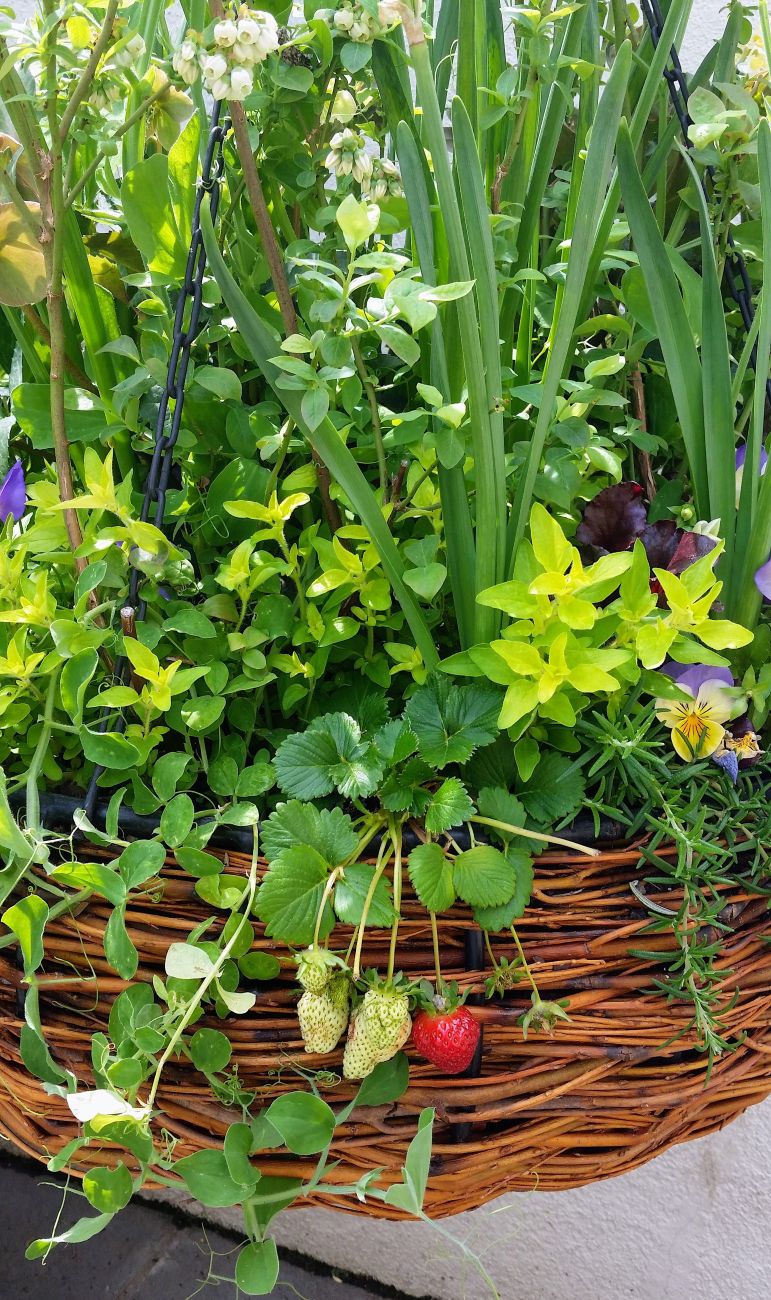
Moving beyond the traditional formula of the "thriller, filler, spiller" method, contemporary designers advocate for composing containers much like a miniature landscape. This approach involves evaluating the framework structure, plant form and growth habit, spatial orientation, visual texture ranging from fine to coarse, and color relationships. Rather than relying on standard commercial combinations, designers recommend curating three to five complementary plants that play off each other’s traits through layered heights.
Establishing a clear style—whether formal, informal, transitional, organic, or eclectic—helps guide plant selection. The most successful displays frequently combine edimentals with purely ornamental species, relying on the juxtaposition of contrasting textures, colors, and heights to create visual interest. To prevent a collection of disparate pots from feeling visually overwhelming, designers emphasize the importance of creating harmony through repetition and quieter, uniform accent containers that give the viewer’s eye a place to rest.
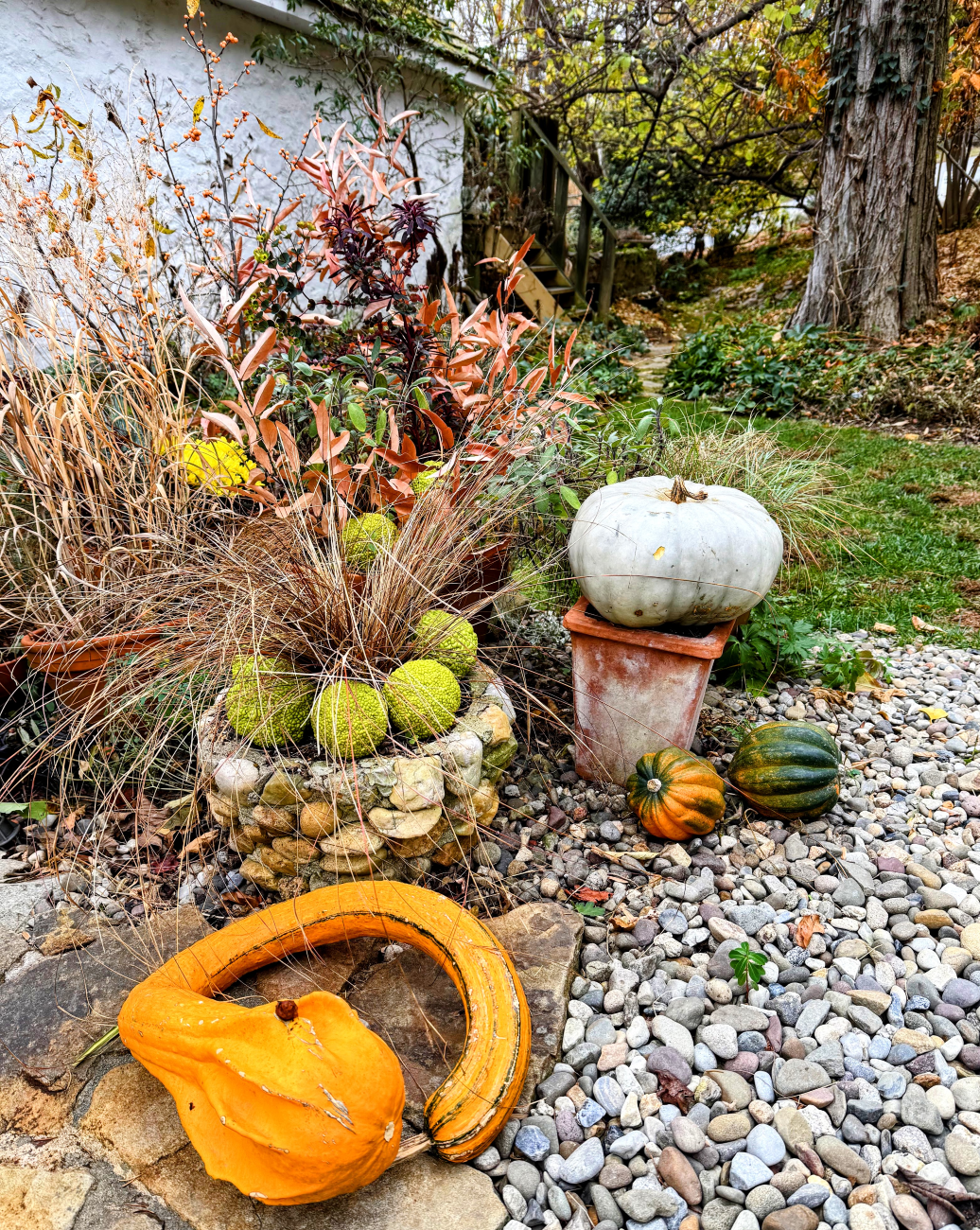
Natural materials can also elevate a container display. Pruned branches, lichen-covered fallen wood, wild berry clusters, pine cones, dried grasses, and even small tree stumps provide essential structural staking and supplementary texture. Furthermore, seasoned gardeners know not to discard plants simply because they have finished flowering. The prolific seed pods of spent kales and the rattling seed clusters of radishes left to bolt can offer unique structural interest and movement.
Unconventional and repurposed receptacles—ranging from vintage terra-cotta pots to salvaged items like antique copper colanders transformed into hanging baskets—introduce a unique high-low design dynamic. As long as these repurposed containers ensure proper drainage and safety for food production, they expand the creative boundaries of container gardening.
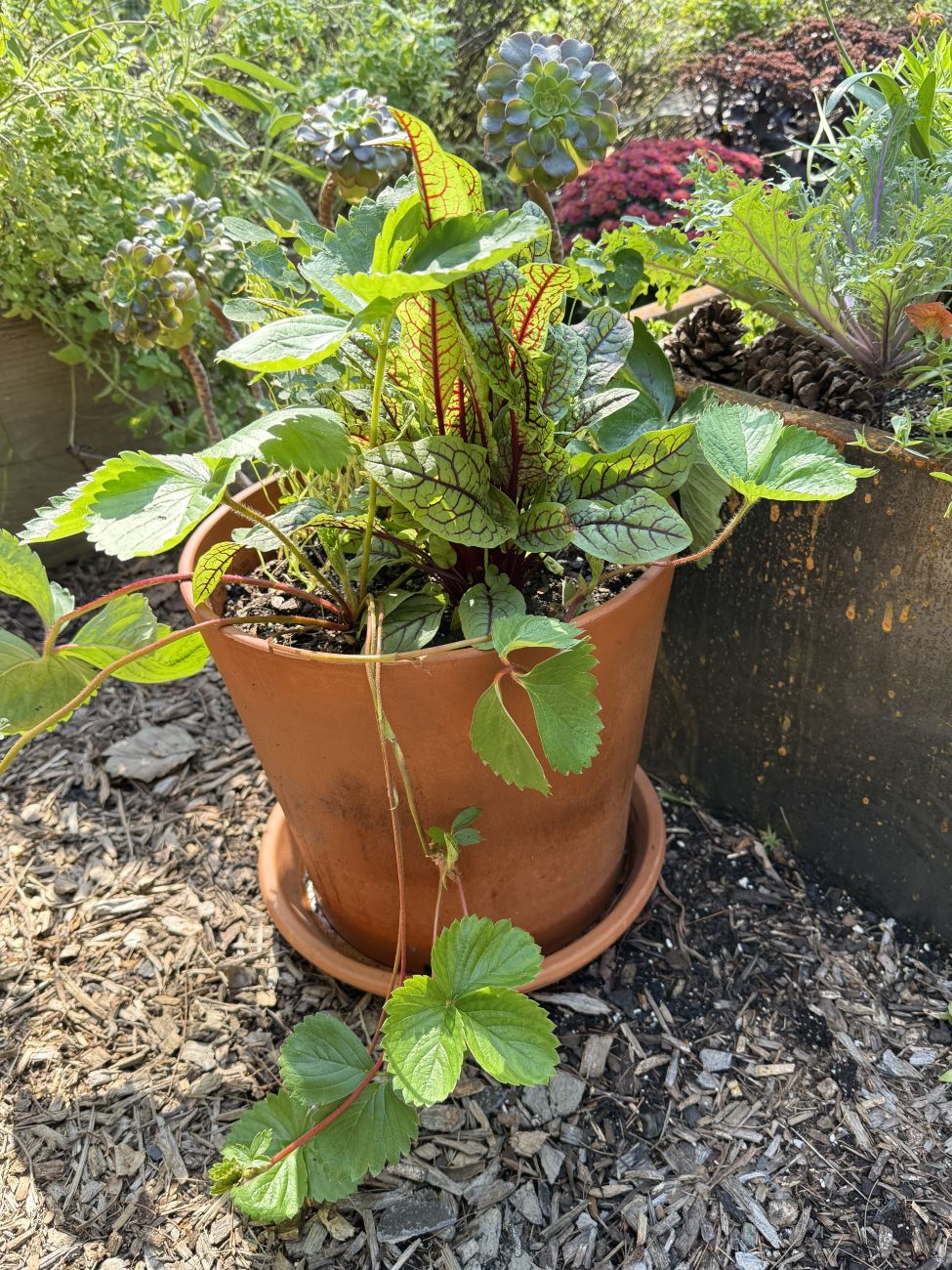
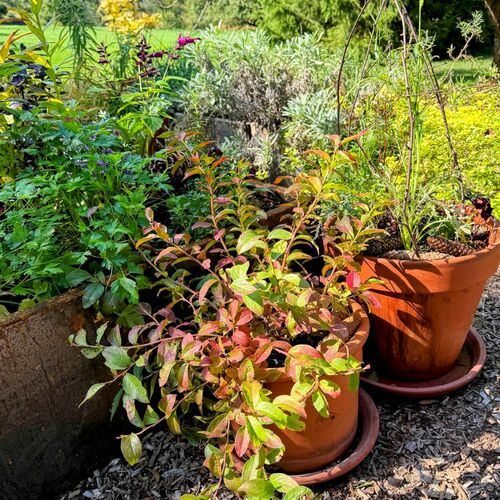
Seasonal adaptability remains one of the primary advantages of container cultivation. Gardeners can modify their displays throughout the year to capture optimal foliage, from the delicate, umbrella-shaped flower clusters of biennial root crops like carrots, parsnips, and parsley to the fiery autumn foliage of compact blueberries.
A wide array of lesser-known edimentals offers exceptional decorative potential. The Osage orange, a North American native tree, yields large, bumpy, greenish-yellow fruits with a citrus-like fragrance that makes them striking accessories for late-autumn displays. Ostrich ferns provide tightly coiled spring fiddleheads that can be harvested as a delicacy before unfurling into feathery fronds, though experts emphasize the absolute necessity of accurate identification and thorough cooking to ensure safety. Other unconventional choices include the striking architectural pods and hibiscus-like flowers of okra, the dramatic silvery foliage and purple flower heads of ‘Purple Italian Globe’ artichokes, the prolific climbing vines of tiny-watermelon-resembling cucamelons, and the vivid red-veined leaves of bloody dock.
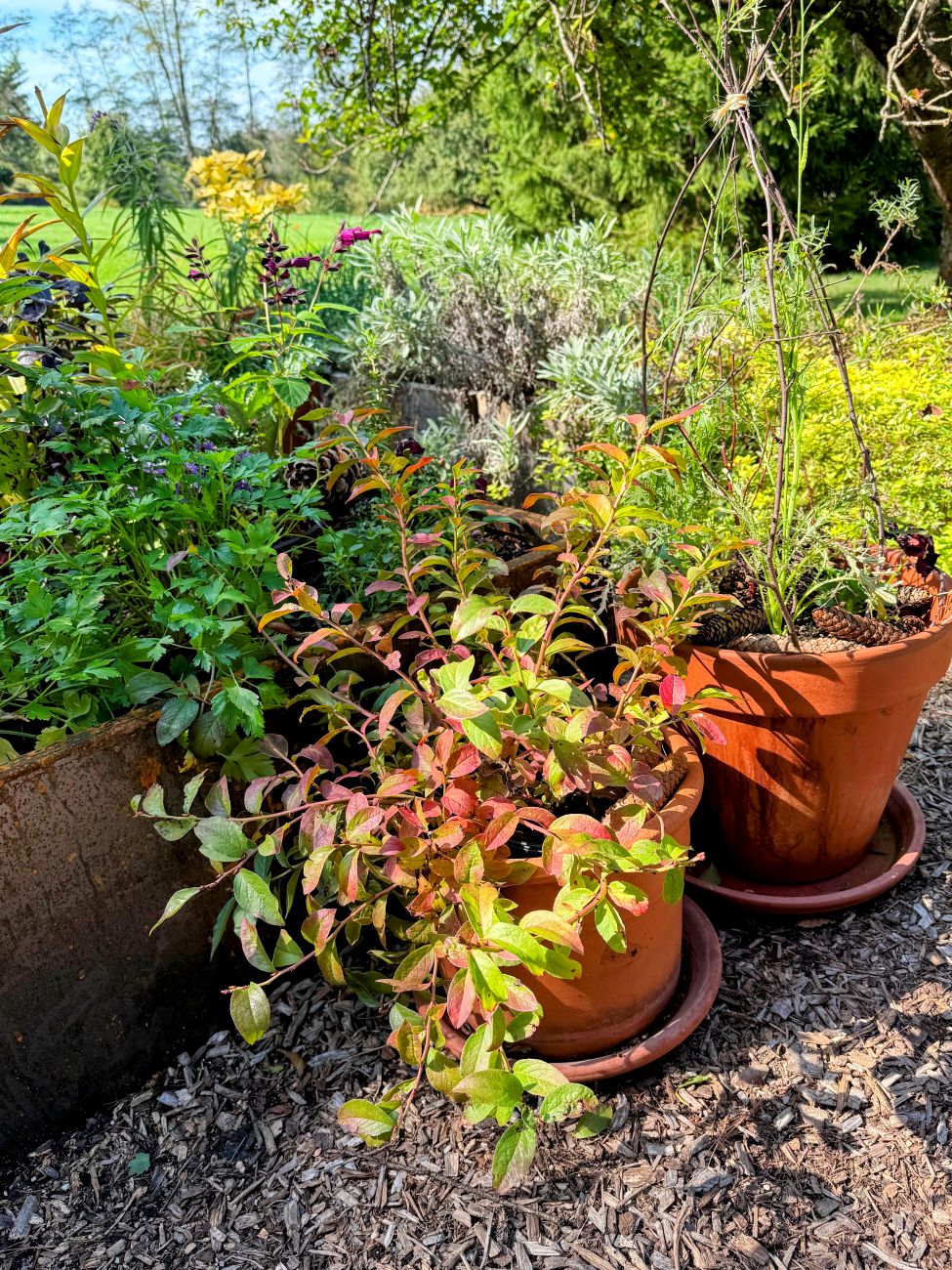
More common edibles with distinct ornamental traits include delicate currant tomatoes like ‘Sweet Pea’, compact fruiting varieties such as ‘Tiny Tim’, brightly colored alpine strawberries that spill gracefully over container edges, teardrop-shaped ‘Biquinho Red’ peppers, and compact blueberry bushes that provide brilliant seasonal color shifts.
Ultimately, incorporating edible plants into ornamental containers expands the traditional horticultural palette, opening new avenues for creativity in small spaces or urban environments where in-ground planting is impractical. By allowing gardeners to relocate delicate specimens, protect vulnerable crops from native soil pathogens, and manage vigorous spreaders like mint or sunchokes, edimentals prove that utility and aesthetic beauty can coexist seamlessly within the modern container garden.