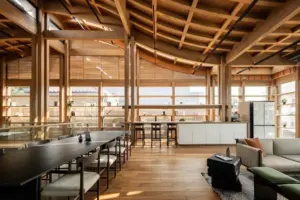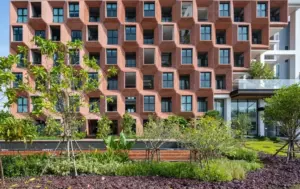
The significance of the emirate’s architectural landscape was notably brought to the international stage during the Sharjah Architecture Triennial, curated by Tosin Oshinowo. Operating under the evocative theme "The Beauty of Impermanence: An Architecture of Adaptability," the Triennial explored innovative design solutions emerging from conditions of scarcity, particularly within the Global South. By gathering a diverse international roster of participants, the event cemented Sharjah’s reputation as a vital forum for critical discussions surrounding sustainability, adaptive reuse, and the future of the built environment in resource-constrained regions.

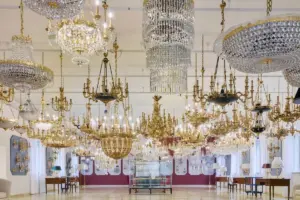
Beyond temporary exhibitions, Sharjah maintains a deep-rooted connection to its cultural heritage through an extensive network of museums that guide visitors through multiple timelines. These institutions chronicle everything from the foundational eras of Islamic civilization to the daily realities of traditional coastal and desert lifestyles. Over recent decades, the emirate has deliberately positioned itself as a leading patron of the fine arts, transforming its urban fabric into a dynamic canvas where historic preservation meets cutting-edge contemporary architecture.
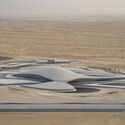
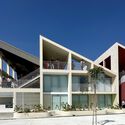
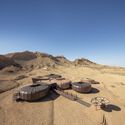
A walk through Sharjah reveals a striking architectural juxtaposition. The contemporary city features striking structures designed by some of the world’s most renowned architectural practices, including Foster + Partners, Zaha Hadid Architects, 51-1 Arquitectos, and Hopkins Architects. These modern additions range from avant-garde corporate headquarters, such as the fluid, organic forms of the BEEAH Headquarters designed by Zaha Hadid Architects, to contextual marvels like the Buhais Geology Park Interpretive Centre by Hopkins Architects and the adaptive reuse of the Kalba Ice Factory by 51-1 Arquitectos. Each contemporary intervention reflects a sensitivity to the surrounding topography, climate, and ecological context.
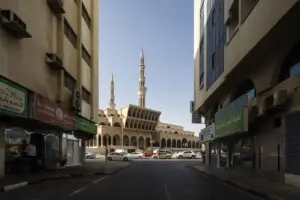
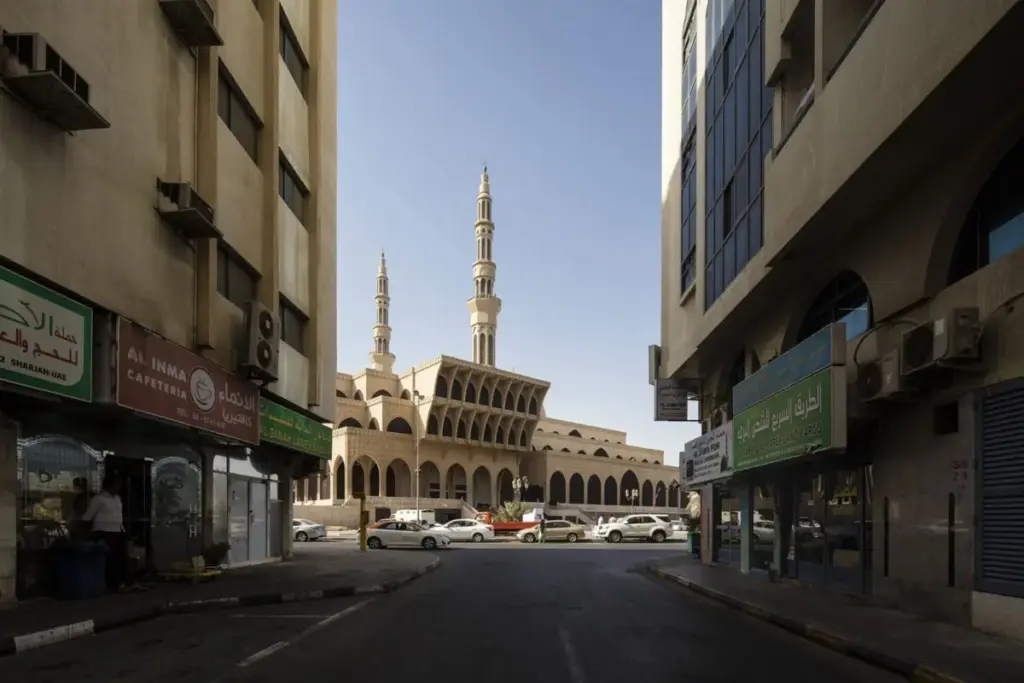
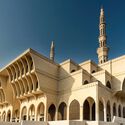
Simultaneously, the historic core of Sharjah serves as a powerful testament to the region’s rich architectural lineage. Rather than being sidelined by rapid modernization, old Sharjah has been meticulously revitalized and transformed into a vibrant cluster of usable public attractions, community spaces, and contemporary art facilities. This historic district houses prominent cultural landmarks that have defined the city’s skyline for decades, including the monumental and modernist King Faisal Mosque, the Sharjah Museum of Islamic Civilization, and the Sharjah Art Museum. These institutions anchor the city’s identity, offering residents and international
visitors alike a comprehensive understanding of the emirate’s spiritual, artistic, and historical evolution.
Through its deliberate synthesis of historical preservation, visionary modern architecture, and international cultural programming, Sharjah continues to redefine the role of a modern city in the United Arab Emirates. By supporting groundbreaking design initiatives and safeguarding its architectural past, the emirate remains a dynamic focal point for architects, urban planners, historians, and artists from across the globe.