In contemporary interior architecture and design, electrical sockets and wall switches are almost universally treated as functional afterthoughts—components integrated at the very tail end of a project, tucked discreetly behind furniture, or chosen to blend as seamlessly as possible into the background of a wall. They are utilitarian, governed strictly by safety regulations, electrical codes, and the mundane necessity of supplying power.
However, French design collective Studio 5.5 has chosen to completely invert this traditional hierarchy. In a bold and inventive new project titled VOLT FACE, designers Vincent Baranger and Anthony Lebossé have taken Schneider Electric’s familiar Odace range of electrical equipment and reimagined it entirely. Rather than viewing sockets and switches as finishing details, the studio treats them as the foundational building blocks for a comprehensive collection of bespoke furniture and statement lighting pieces.
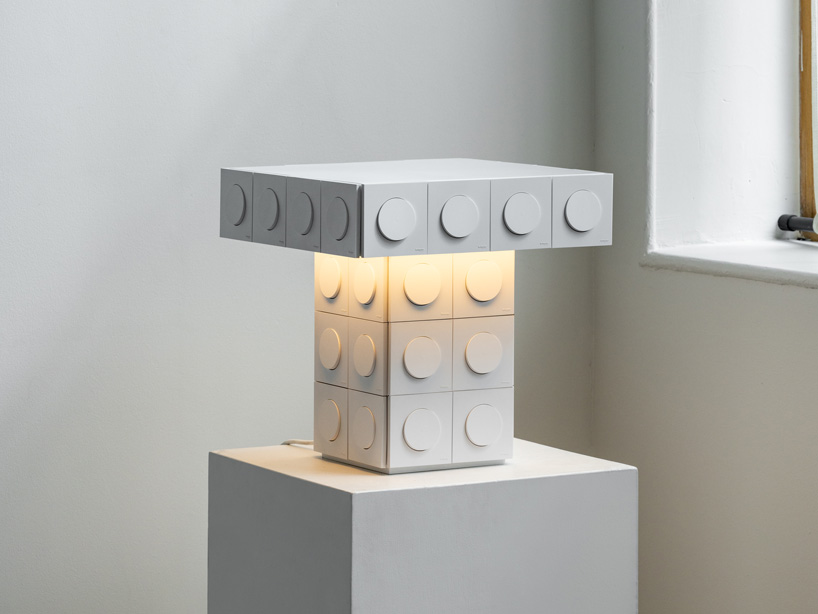
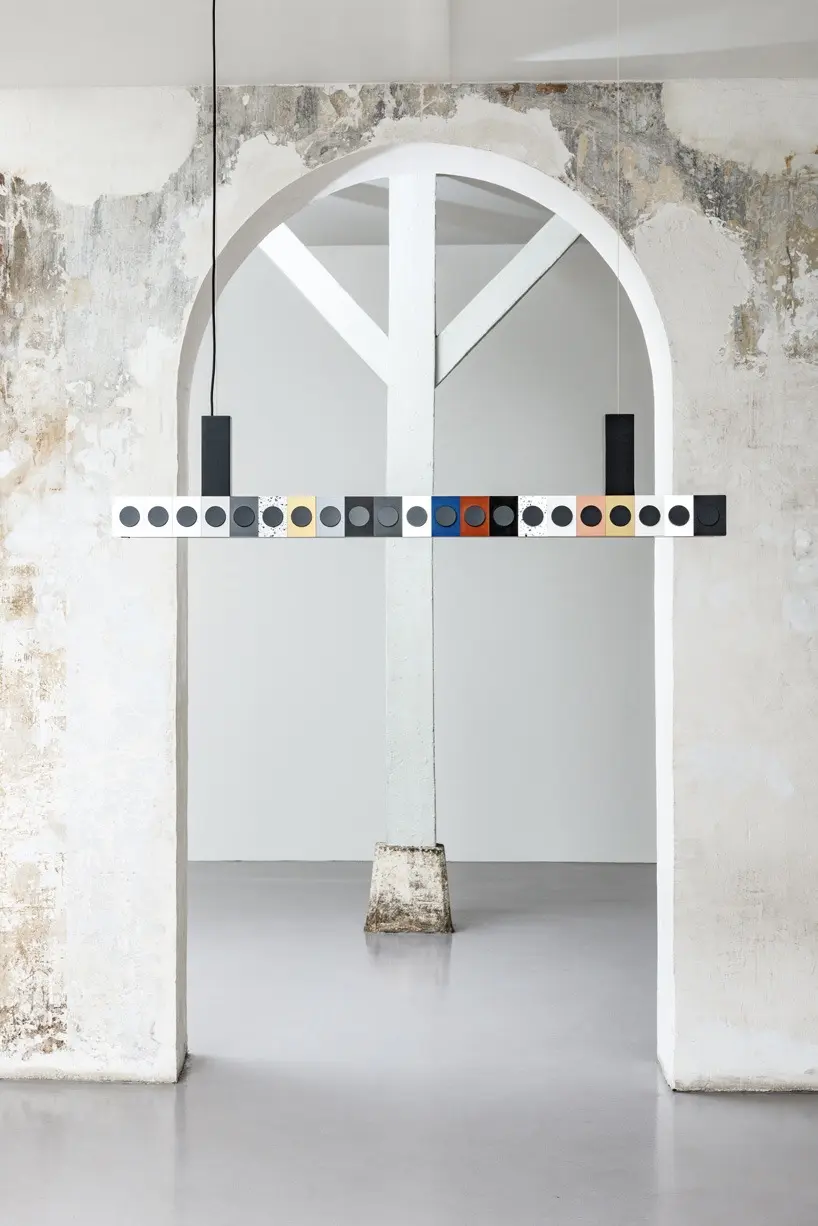
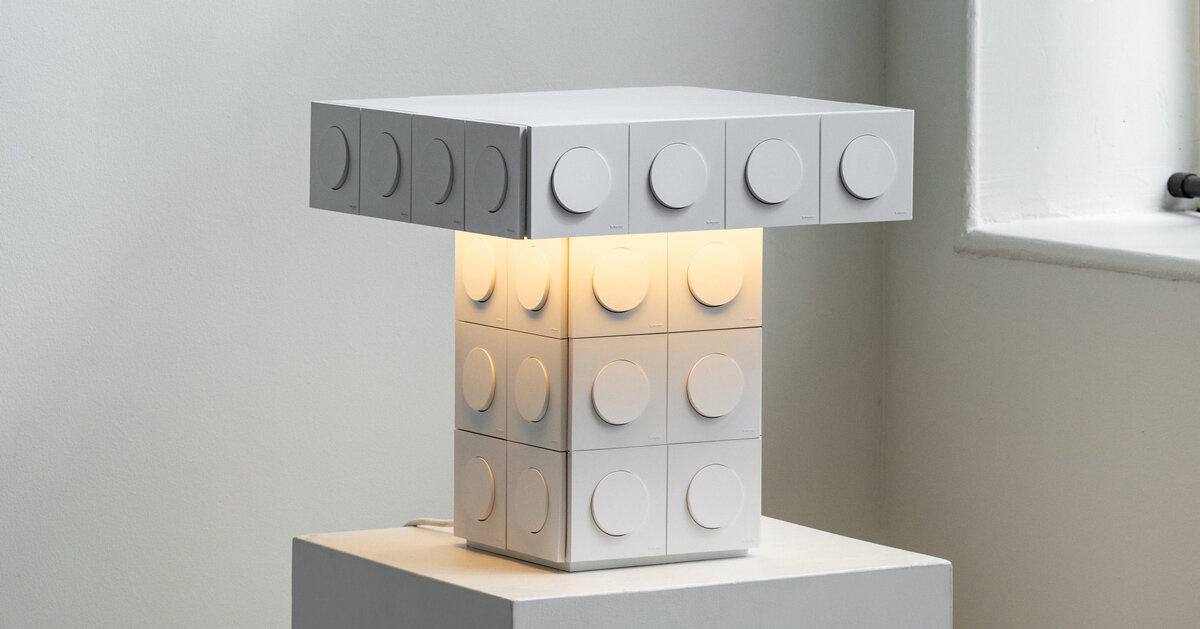
Developed for Schneider Electric, the VOLT FACE collection boldly repurposes these ubiquitous industrial elements. The resulting lineup features a diverse array of functional objects, including wall-mounted light fixtures, sophisticated accent tables, practical bedside nightstands, and striking pendant lamps. Across every piece in the collection, standard sockets and switches are shifted from the periphery of the room directly to the center of the design, inviting users to look at everyday industrial hardware through an entirely fresh lens.
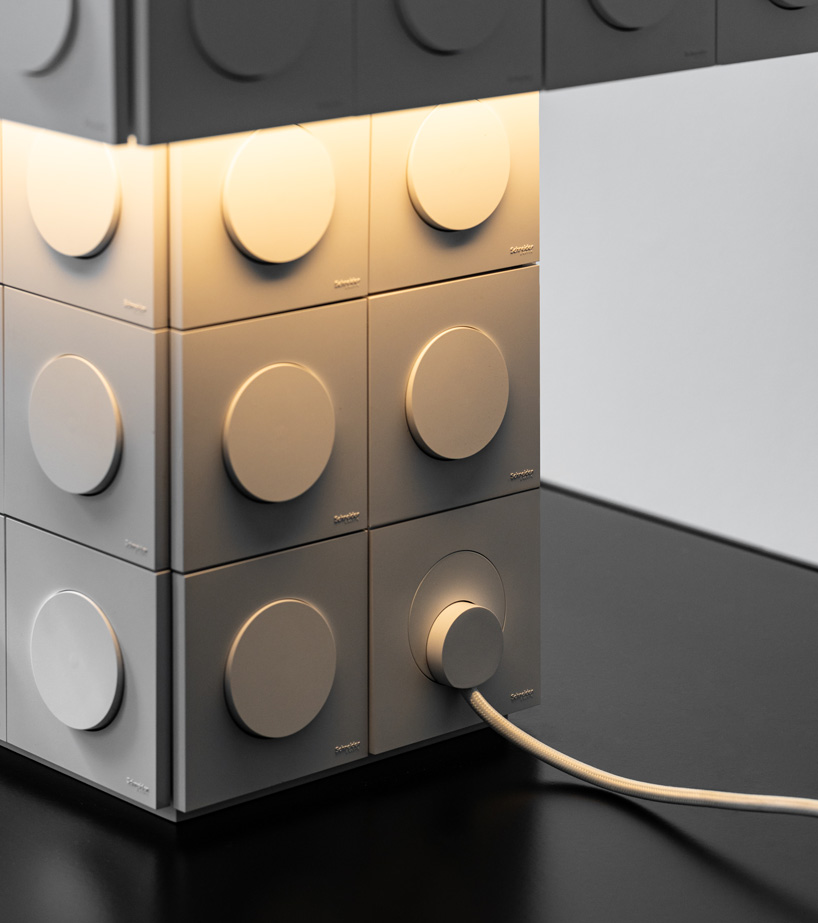
Turning the Humble Switch Into a Primary Point of Interaction
By repositioning components from the Odace range, Studio 5.5 transforms elements that are normally passive into active focal points of physical and sensory engagement. In a typical interior setting, interacting with a switch is an automatic, unconscious gesture performed while entering a dark room or plugging in a device. VOLT FACE elevates this mundane routine into an intentional, highly tactile design experience.
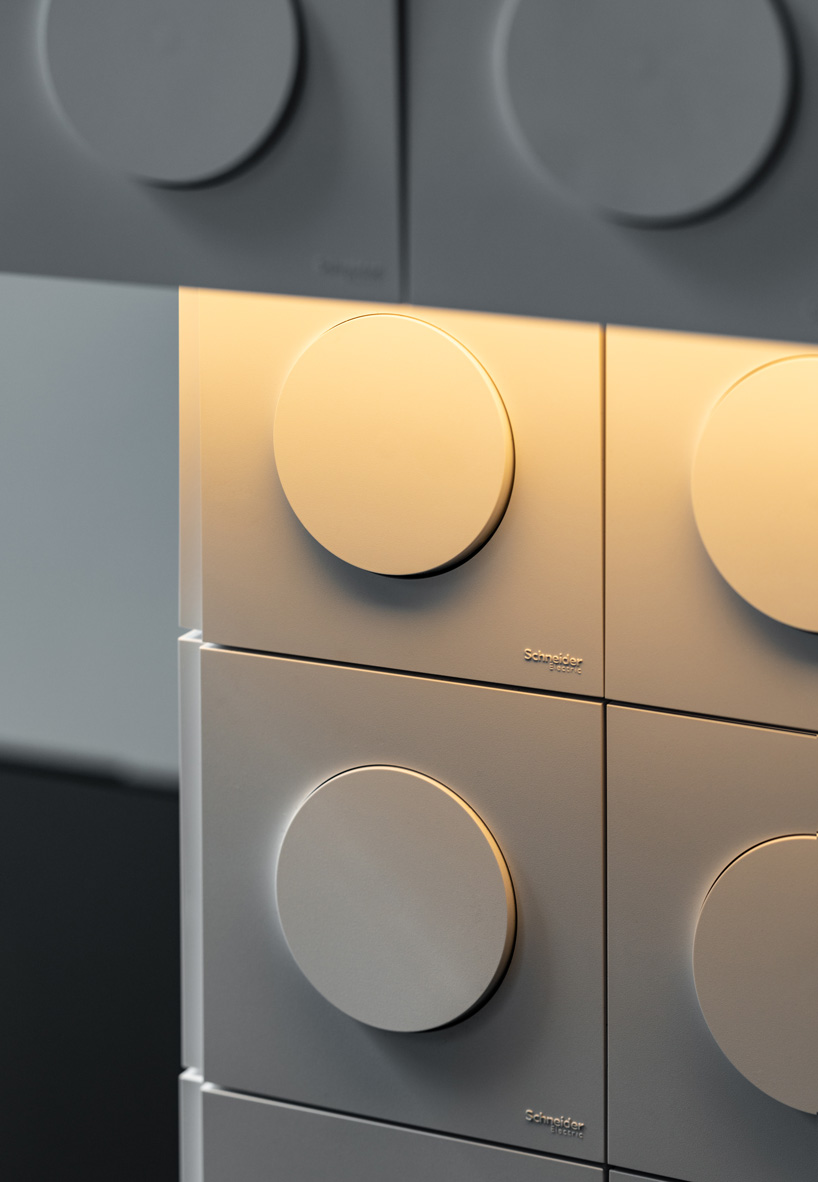
The designers purposely integrated the physical mechanics of the switches into the architecture of the furniture and lighting. When users interact with the VOLT FACE pieces, they are greeted by the distinct, satisfying tactile feedback and auditory snap characteristic of the original electrical fittings. This familiar "click" becomes a core component of the collection’s sensory identity, bridging the gap between industrial utility and thoughtful interior design.
"We wanted to encourage people to try them, to make them want to touch them, to make them wonder whether everything is actually functional, whether it works when you press this one," the design team explains, highlighting how the physical gesture of pressing a switch becomes an integral, playful part of the project’s narrative. This intentional ambiguity challenges the viewer to question the boundary between decorative objects and functional electrical hardware.
The Industrial Catalog as a Modular Design Vocabulary
Beyond its playful interactivity, VOLT FACE reframes how designers and interior architects approach industrial catalogs. Instead of selecting individual, finished products from a manufacturer’s spec sheet for their intended, singular purposes, professionals are invited to view the Odace range as a versatile toolbox or a modular design vocabulary.
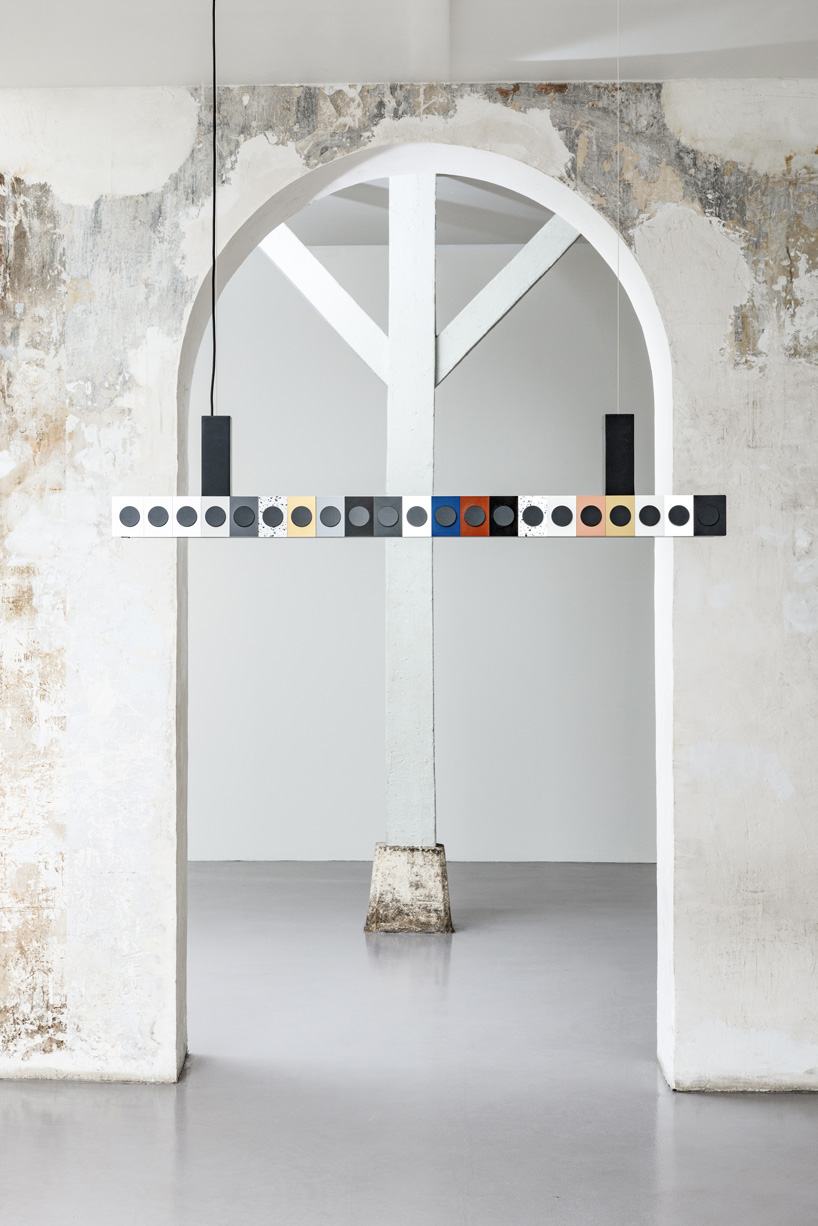
In the hands of Studio 5.5, the individual components—plates, frames, rotary dimmers, toggle switches, and power outlets—are recombined, multiplied, and repositioned. By exploring the materials, colors, finishes, and tactile qualities inherent to the industrial line, the designers demonstrate how standard manufacturing components can be broken down and reconstructed into entirely new geometric configurations and spatial objects.
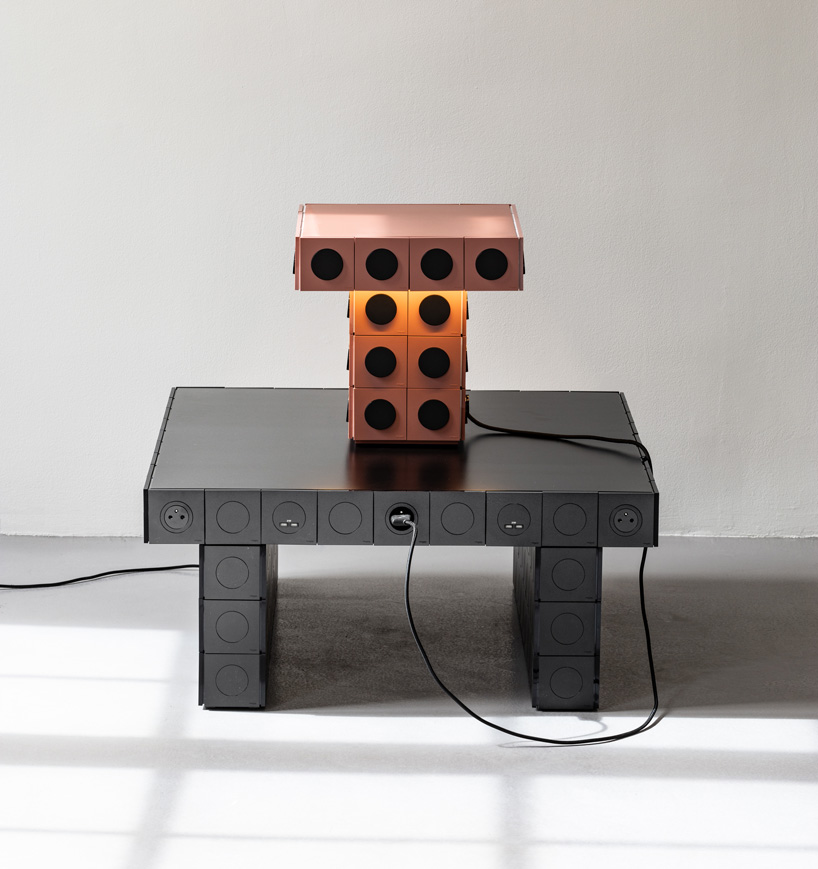
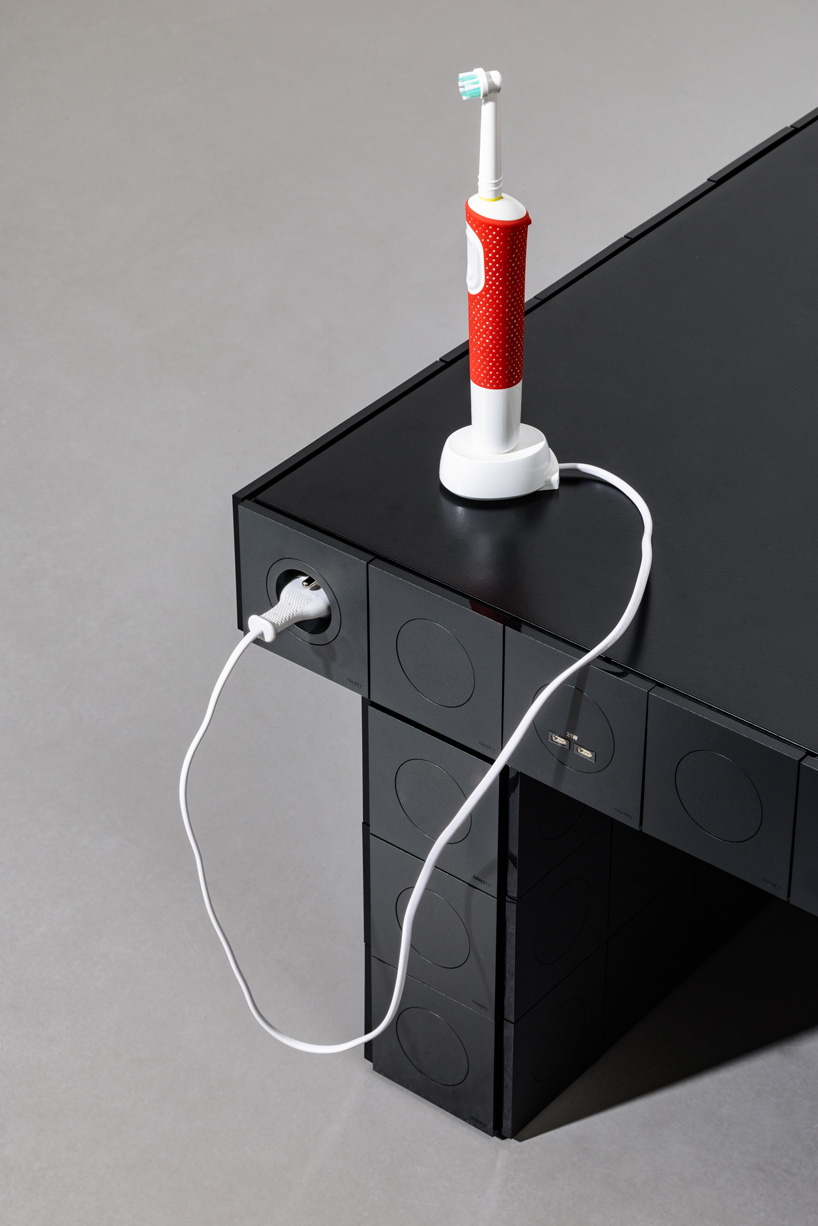
This modular approach encourages a spirit of creative hacking. Rather than accepting mass-produced industrial items as fixed, unchangeable entities, VOLT FACE proves that standard hardware can serve as the structural and aesthetic DNA for custom furniture and lighting. Each socket and switch functions as a modular brick, allowing creators to play with repetition, symmetry, and functional juxtaposition.
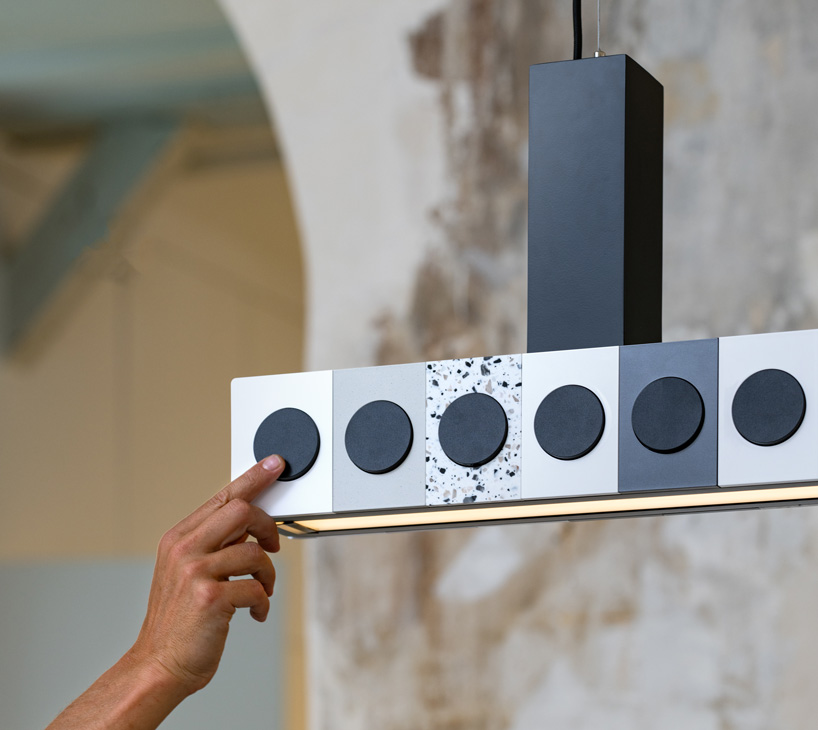
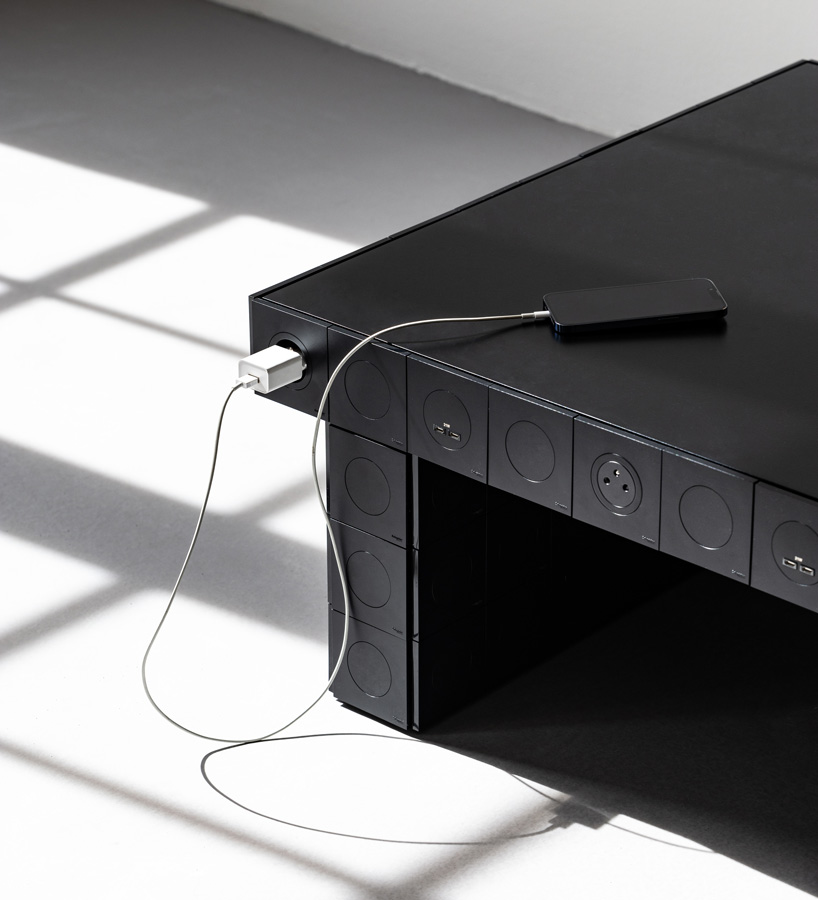
The physical realization of this concept spans a wide variety of household objects. In the collection’s lighting fixtures, switches and plates are clustered together to form sculptural housings for bulbs, merging the electrical control mechanism directly with the light source itself. In the tables and nightstands, sockets are embedded into the surfaces or structural legs of the furniture, weaving the infrastructure of power directly into the physical body of the piece.
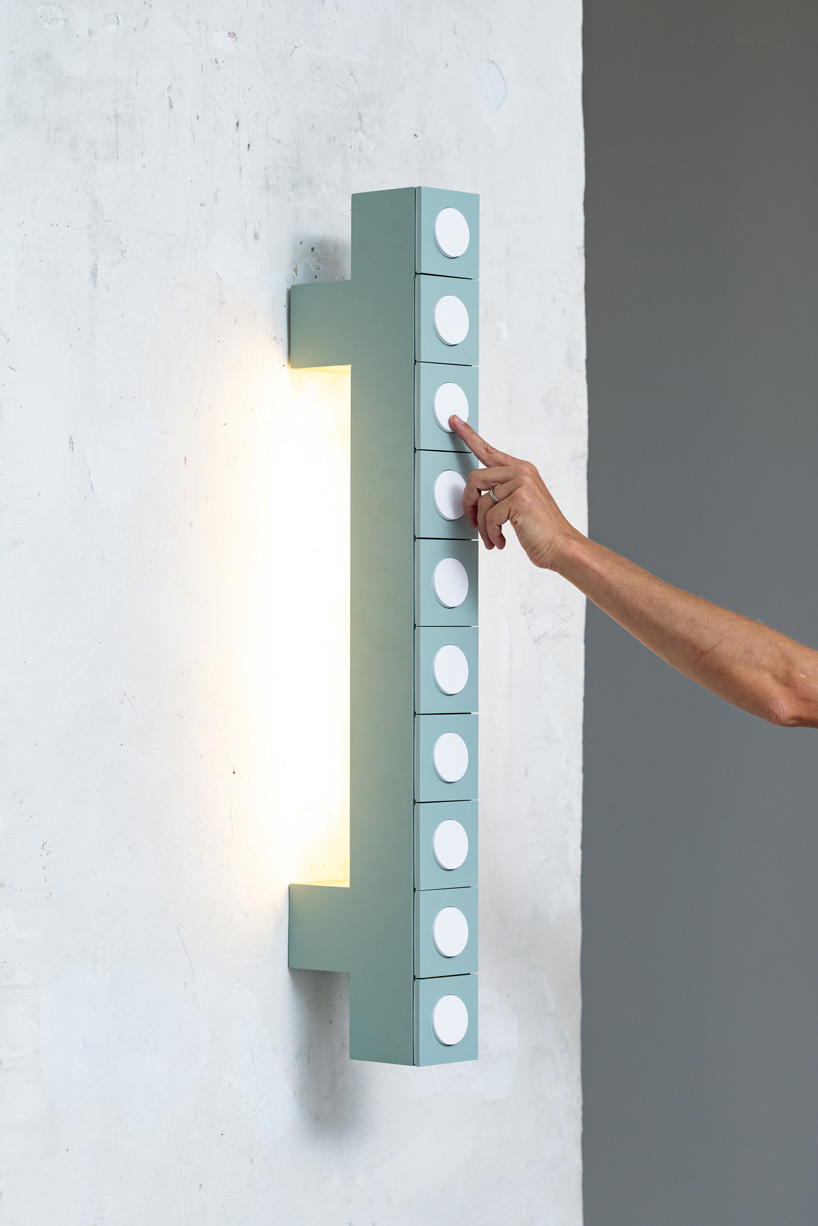
Through VOLT FACE, Studio 5.5 and Schneider Electric challenge conventional design boundaries, successfully transforming the overlooked mechanics of our everyday environment into a vibrant playground for contemporary interior and industrial innovation.