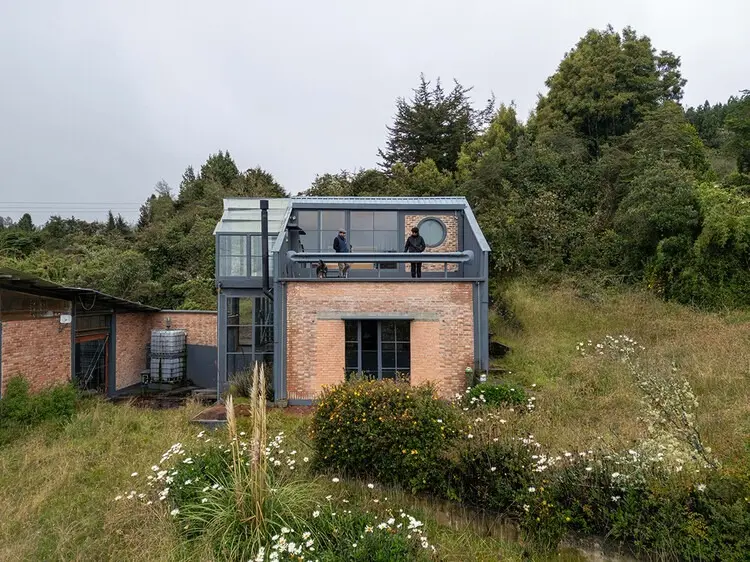
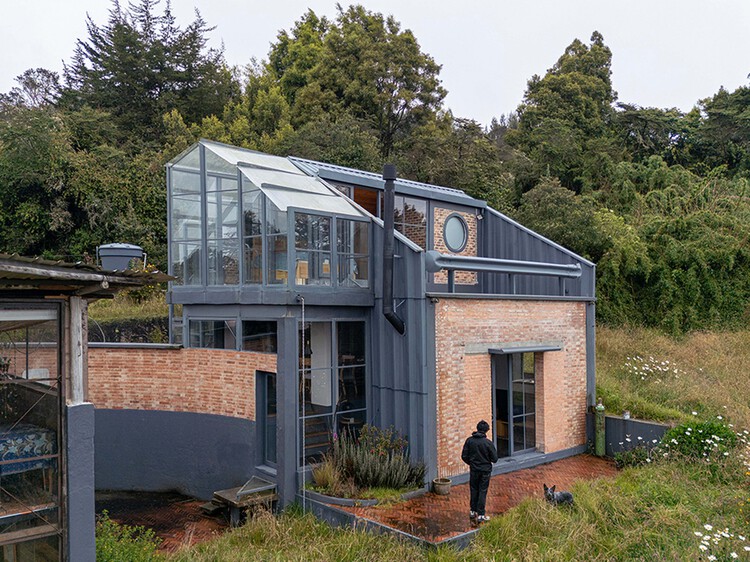
The boundary between creation and destruction has long fascinated architects, serving as a philosophical touchstone for how built environments evolve over time. In their latest project, Greenhouse House 23 (Casa Invernadero 23), the design team at Yemail Arquitectura explores this delicate threshold, presenting a built intervention that treats architecture not merely as a permanent static object, but as a dynamic participant in a continuous timeline of material transformation.
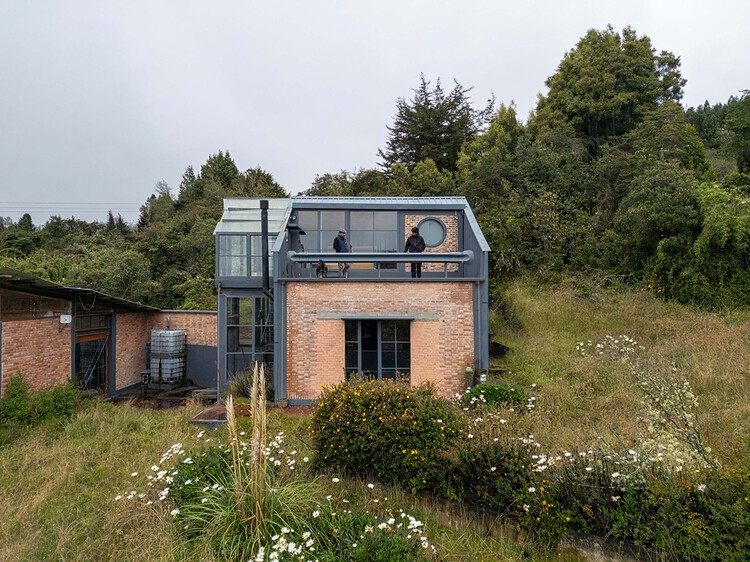
Curated by Valentina Díaz and recently showcased to the architectural community, Greenhouse House 23 challenges conventional notions of urban and rural construction by reframing the very nature of building and unbuilding. Through a thoughtful integration of structural critique and site-specific observation, the project asks visitors and inhabitants alike to reconsider what remains when a site is altered, stripped down, or reimagined.
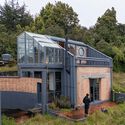
At the heart of Yemail Arquitectura’s design philosophy for this project is a striking conceptual observation provided directly by the architects: "There is a moment when construction and demolition look identical." This profound realization forms the conceptual backbone of Greenhouse House 23. In the lifecycle of a structure, there exists a brief, suspended window where the physical state of a building defies simple categorization. It is a moment caught suspended between absolute absence—the erasure of what came before—and the vivid promise of an architectural future yet to be realized.
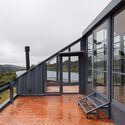
By stripping away the symbolic sense of violence that demolition frequently imposes on its host site, the architects suggest that a ruin should not be viewed merely as a failure or an end. Instead, a ruin can be profoundly understood as a comprehensive material and temporal inventory. It is an archive of past decisions, weathered elements, and structural potential waiting to be unlocked. Greenhouse House 23 embraces this perspective, using the inherent qualities of its site and its structural components to guide the physical intervention without erasing the narrative of what came before.
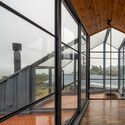
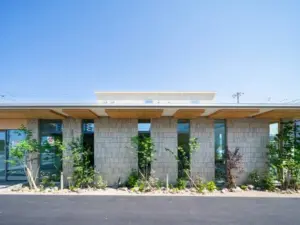
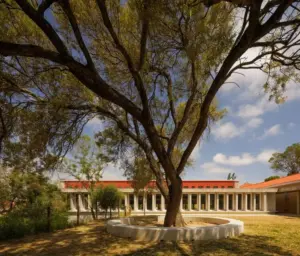
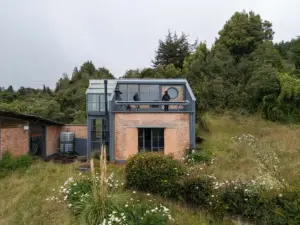
Photographed by Bê estudio, Paola Pabón, and Santiago Beaumé, the visual presentation of Greenhouse House 23 captures the raw interplay between light, shadow, exposed structure, and the surrounding environment. The exterior and interior photography reveal a project that is deeply conscious of its surroundings, bridging the gap between natural elements and constructed space. Just as a greenhouse mediates between the external climate and the delicate life thriving within its walls, Greenhouse House 23 acts as an environmental and material filter, creating a space where architecture and nature enter into a symbiotic dialogue.
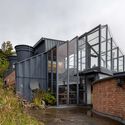
The project adds to Yemail Arquitectura’s growing portfolio of thoughtful, context-driven architectural works that prioritize conceptual depth alongside physical execution. By engaging directly with the traces of the past and the possibilities of material reuse, the studio contributes to contemporary conversations on sustainable design, spatial memory, and the adaptive reuse of the built environment.
As architectural practices worldwide increasingly grapple with the environmental and cultural costs of starting from scratch, projects like Greenhouse House 23 offer a compelling alternative path. They demonstrate that by listening closely to the material realities of a site—whether pristine or ruined—architects can craft spaces that honor time, history, and ecological sensitivity. Published in November 2026, Greenhouse House 23 stands as a testament to Yemail Arquitectura’s rigorous design ethos, inviting observers to look past conventional aesthetic categories and appreciate the quiet poetry found in the spaces between construction and demolition.