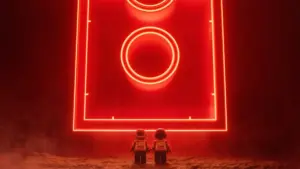
Founded in 2005 by Wit Pimkanchanapong, the Bangkok-based design and production studio DuckUnit has spent nearly two decades defying categorical boundaries. Today, the creative collective is led by Rueangrith Suntisuk and Pornpan Arayaveerasid, guiding a multidisciplinary team that transforms physical spaces through light, mechanical movement, and spatial architecture. Operating at the intersection of large-scale concert production, contemporary art installations, and performing arts, DuckUnit uses the possibilities of the stage as its primary laboratory.
While the studio initially cut its teeth working on high-profile concerts and artistic collaborations in Thailand, its reach has steadily expanded into international art spaces and festivals. Amid an ongoing project in Paris, Rueangrith Suntisuk spoke with designboom to discuss the studio’s current technical explorations, its philosophy of audience engagement, and the shifting dynamics between the worlds of music and contemporary art.
Setting the Stage and Finding the Flock
The origins of the studio’s unusual moniker are rooted in its collaborative, multi-directional ethos. Describing the collective as a busy flock of diverse talents, Suntisuk explains how the name came to be during their early days of crossing between disciplines.
"We started as a design collective working across many fields, from concerts and theatre to art," Suntisuk shares. "We combine the different disciplines we’ve learned and understood to make our work. The name DuckUnit comes from our curiosity in many directions, and from constantly trying to do things we don’t yet know how to do."
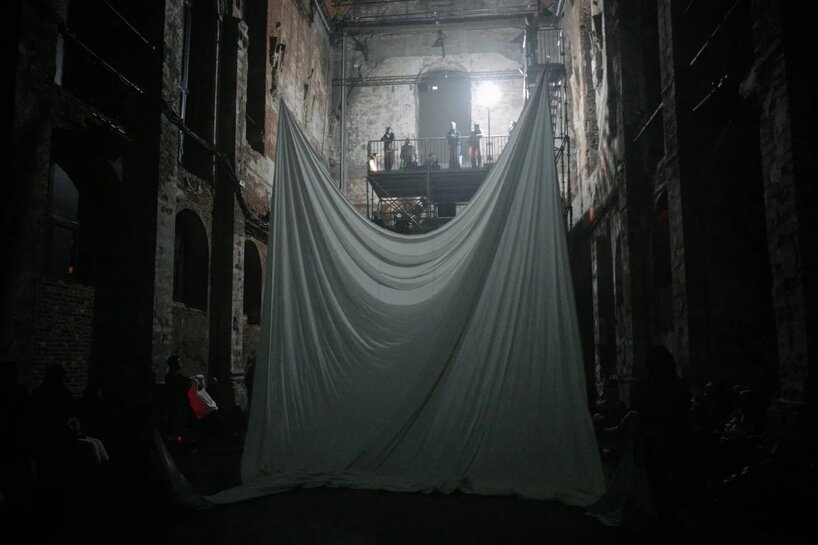
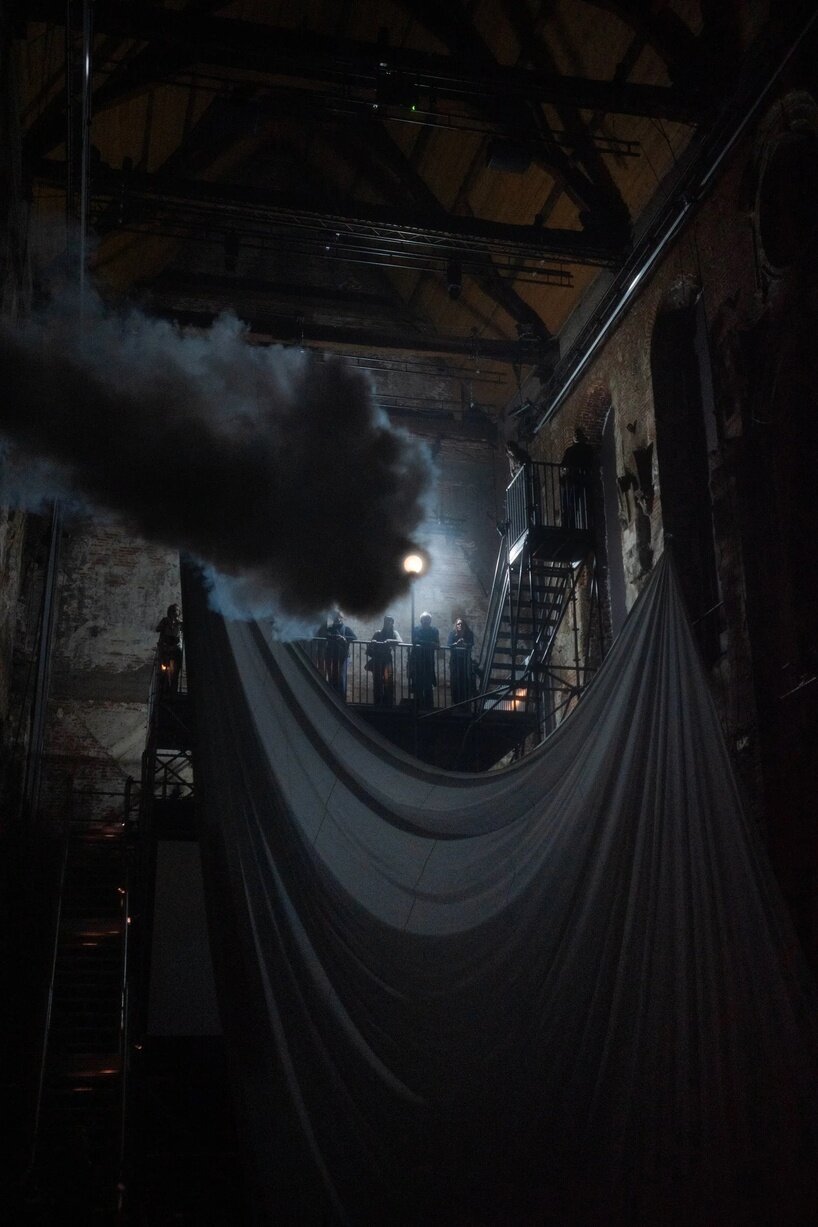
This appetite for the unknown recently culminated in a large-scale international collaboration at the Kunstenfestivaldesarts, the renowned performing arts festival in Brussels. Entitled A Flower of Forgetfulness, the project brought DuckUnit together with celebrated Thai filmmaker Apichatpong Weerasethakul, alongside sound engineers and composers Akritchalerm Kalayanamitr and Koichi Shimizu. Staged inside the evocative interior of an historic chapel, the installation wove together projected video, spatial sound, atmospheric light, and precise mechanical movement into a profound, slow-burning performance.
In the intense days leading up to the premiere, the studio’s team was deeply immersed in perfecting the physical mechanics of the show. Every motor, projection cue, and timing adjustment had to be meticulously synchronized with the acoustic and visual elements to ensure the chapel environment functioned as a unified, breathing organism.
From Concert Halls to Immersive Art Spaces
The spatial mechanics that DuckUnit employs shift dramatically depending on the context of the venue, exposing a fascinating dichotomy between their work in commercial concert spaces and contemporary art institutions.
"When we work on concert stages or films, we usually try to make the audience take in the same story from the same point of view," Suntisuk remarks, highlighting the traditional hierarchy of live music where the crowd and the spectacle remain distinct, separated entities.
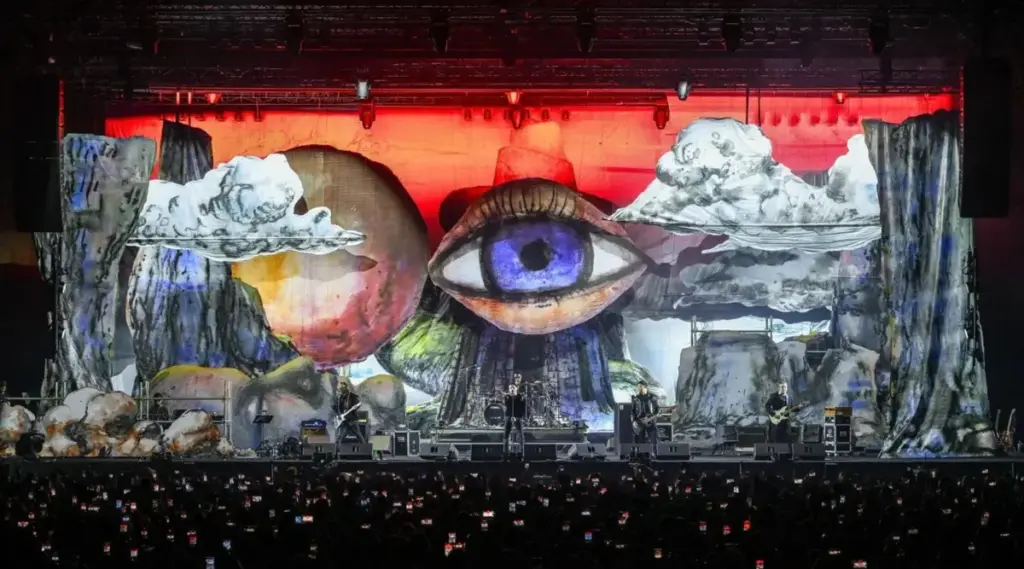
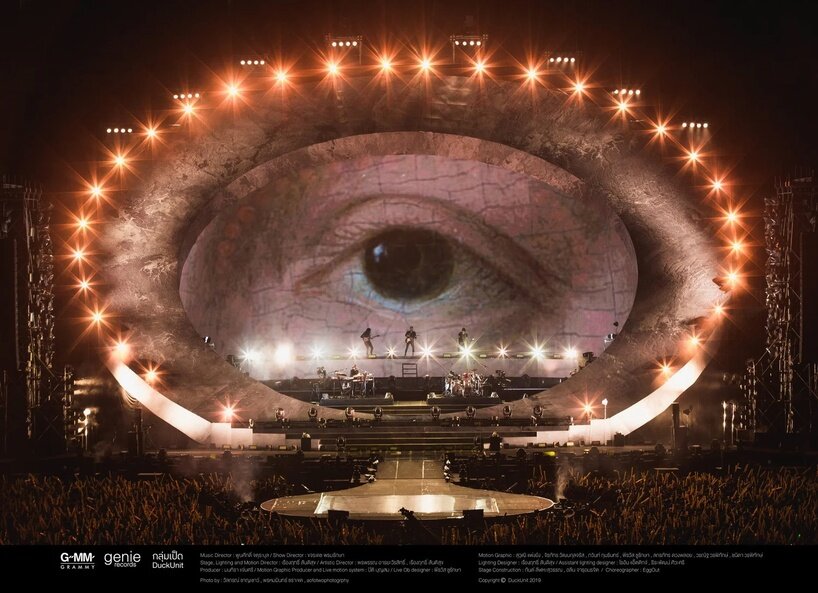
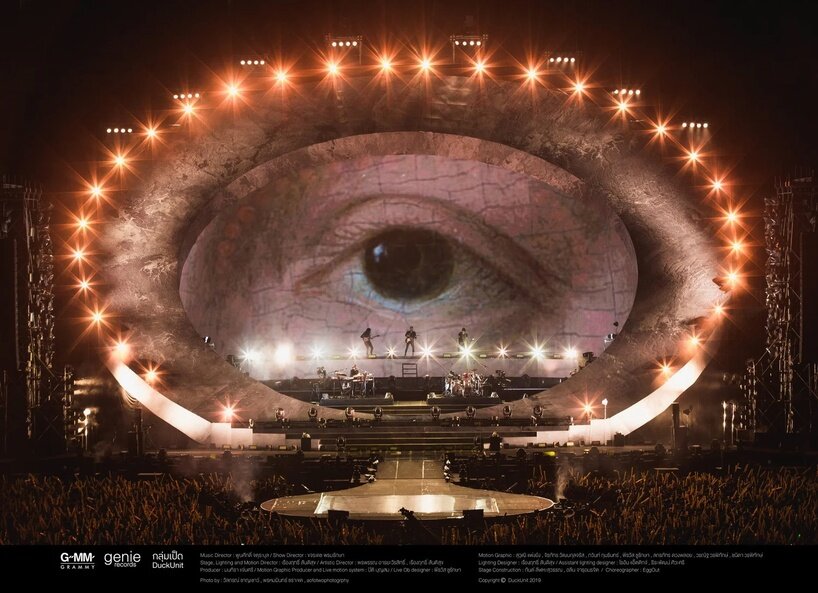
This directional storytelling is evident in projects like the massive stage design for the BODYSLAM Fest in 2019, or the immersive timelapse production for the Thai alt-rock band FLURE’s concert FLURE LIFE. For the latter, the studio engineered giant watercolor illustrations—depicting giant eyeballs, slithering snakes, and sleeping faces—that rose and fall mechanically to visually interpret the thematic fables woven into the band’s musical performance. In these stadium and arena settings, audience satisfaction typically begins at peak anticipation, with attendees arriving with high expectations that the production strives to meet and amplify.
Conversely, DuckUnit adopts a completely inverted philosophy when stepping into the realm of contemporary art installations. "In our recent art works, we try to think the opposite way," Suntisuk explains.
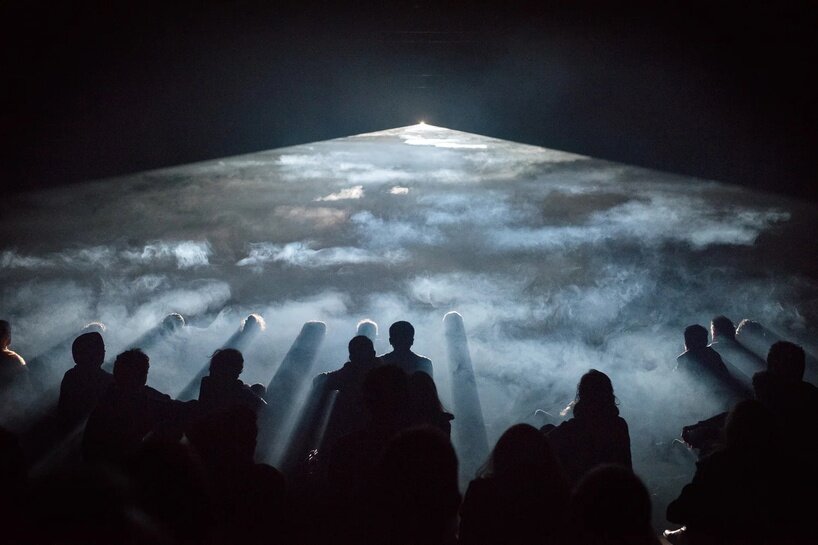
Working across projects like the silent disco installation Embargo of Silence and the outdoor collaborative installation Two Who Remember the Sea—created alongside Weerasethakul and Guo-Liang Tan—the studio deliberately dismantles the traditional barrier between spectator and stage.
"We open up space for variety among the audience and the work, so that the audience dissolves into the space and becomes part of the work itself," Suntisuk notes. "We’ve found that this opens up possibilities for both the audience and ourselves to understand the piece, with different kinds of beauty that we could never have predicted from the start."
Navigating Audience Expectations
The psychological transition from directing a captive concert crowd to inviting open-ended contemplation in an art space requires a nuanced understanding of human attention. While concertgoers often enter a venue with an immediate, energized demand for spectacle, gallery visitors often approach contemporary installations with a quieter, more hesitant gaze.
"In a concert, audience satisfaction usually starts at 100, and people hope for even more," Suntisuk observes. Contrasting this with the art world, he adds, "In art, the audience’s attention and focus sometimes start at 0. Understanding these different states of the audience has strongly shaped our newer work, and moving between these different demands shapes how we make our work."
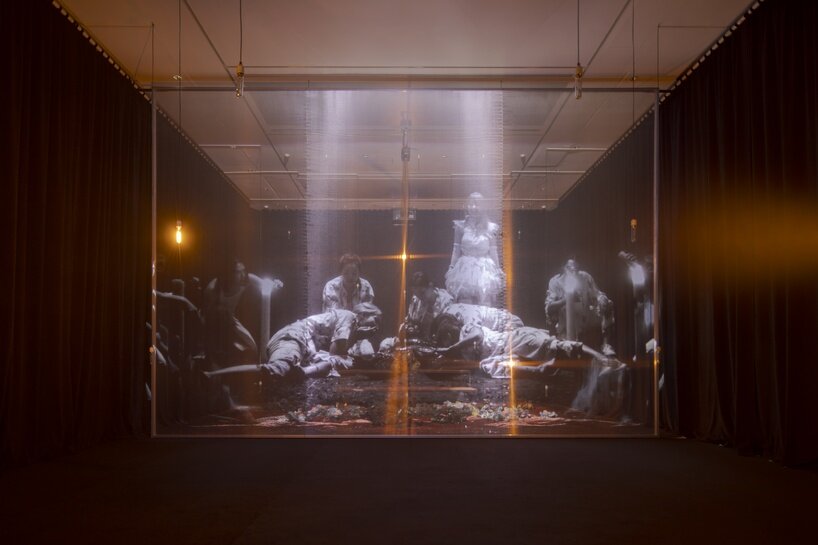
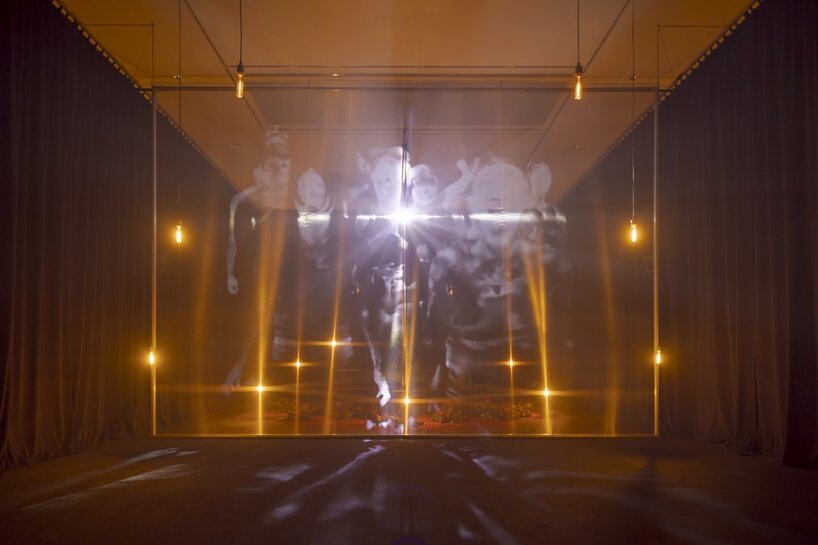
This sensitivity to audience perception is clearly visible in the studio’s broader collaborations. At the 2025 Taipei Biennial, DuckUnit contributed technical and scenographic expertise to artist Korakrit Arunanondchai’s striking installation Love after Death. For this exhibition, the studio suspended a semitransparent projection panel engineered to catch moving imagery while diffusing light that spilled organically into the architectural void behind the screen, creating an eerie, atmospheric glow that enveloped viewers as they navigated the gallery.
Developing New Technical Vocabularies
Whether constructing temporary worlds for stadium rock bands or meditative chapels for international art festivals, DuckUnit’s overarching signature is an unyielding experimentation with light, kinetic movement, and material physics. Rather than relying purely on digital simulations or static architecture, the studio actively incorporates unpredictable physical elements into its scenography.
Refining their technical approach requires a continuous cycle of testing, adjusting, and letting go of absolute control. "In many recent works we’ve used fabric, smoke, motors, projection, light, and objects we can’t fully control," Suntisuk explains. "The new things that happen usually come from trying to control these elements and then letting them go. They tend to appear at the moment when these elements meet. Right now we’re learning how they coexist and what effect they have on each other."
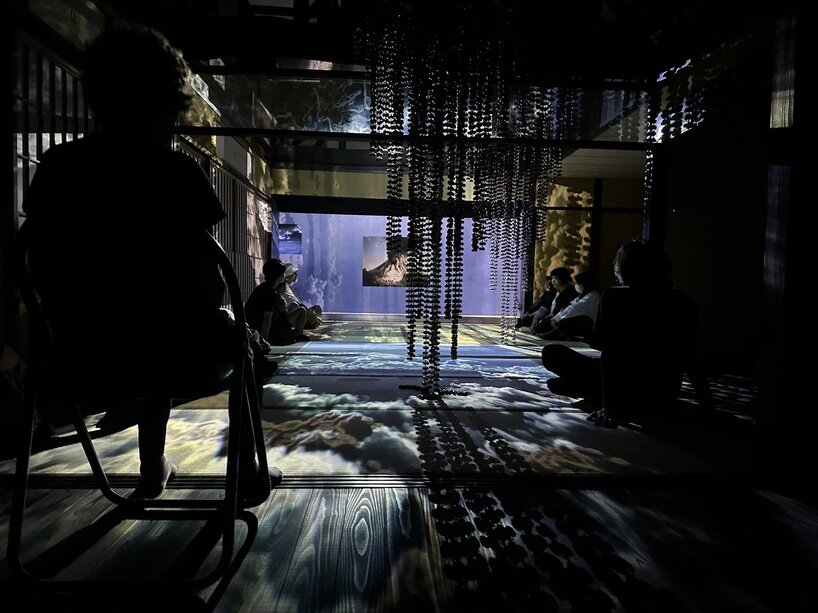
From the intricate spatial choreography of A Flower of Forgetfulness to site-specific installations like The Ring of Fire on Naoshima Island, DuckUnit continues to push the boundaries of how physical environments can tell stories. By embracing the friction between strict engineering and chaotic natural elements—such as drifting smoke, flowing fabric, and organic light dispersion—the Bangkok studio bridges the gap between commercial entertainment and high art, crafting unforgettable spectacles that challenge the perception of everyone who steps inside them.