As the cultural calendar shifts deeper into the autumn season, the art world finds itself grappling with a potent mix of historical reexaminations, contemporary political friction, and institutional transitions. In his latest weekly briefing, Hyperallergic Editor-in-Chief Hakim Bishara offers a wide-ranging survey of the cultural landscape, moving seamlessly from major museum retrospectives in New York to international student unrest, artistic debates, and literary reflections.
The cultural temperature this week is defined by a tension between institutional prestige and radical expression. Whether examining the complicated domestic and creative partnerships of the twentieth century, confronting economic orthodoxies on public airwaves, or assessing the shifting priorities of legacy arts foundations, the contemporary art scene remains inextricably linked to the socio-political currents of our time.
The Met’s Krasner and Pollock Show Is a Breathtaking Upending
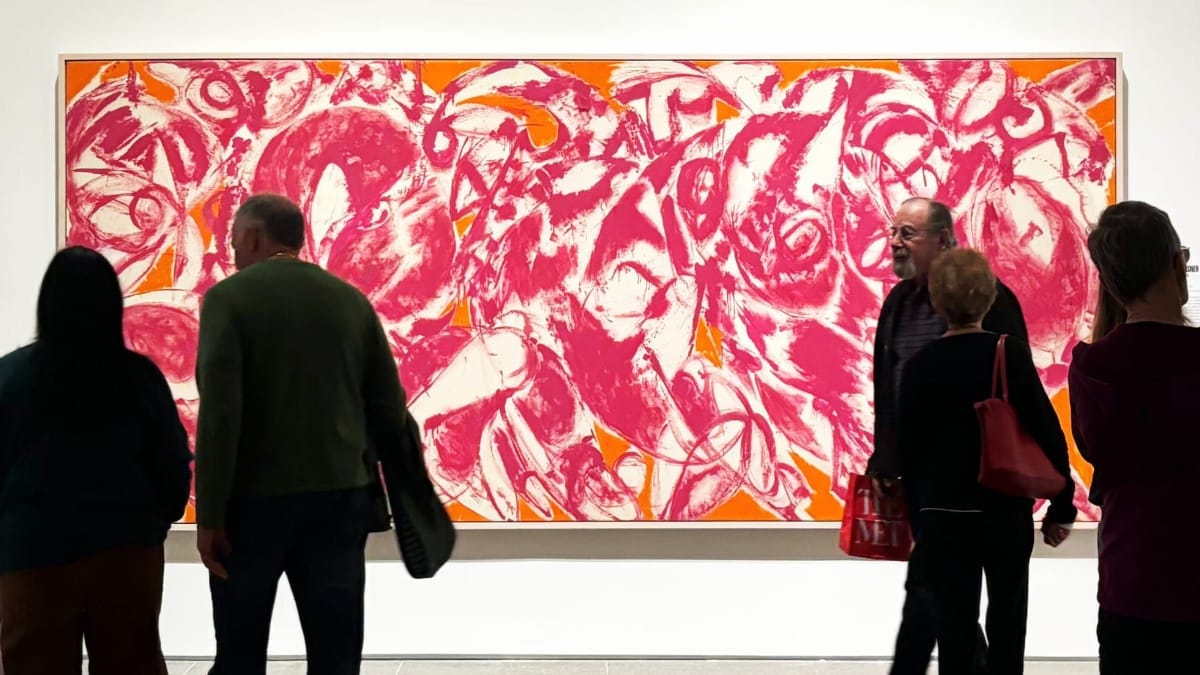
At the Metropolitan Museum of Art, a newly reviewed exhibition exploring the intertwined lives and practices of Lee Krasner and Jackson Pollock has sparked intense critical conversation. Writing for Hyperallergic, critic Lucy Ives approaches the blockbuster show through a deeply personal and reflective lens, examining the complex architecture of romantic and creative partnerships among artists.
Ives reflects on the inherent difficulties of untangling the personal from the professional, noting that observing two titans of Abstract Expressionism side-by-side challenges tidy historical narratives. Rather than presenting a simple narrative of muse and master, the exhibition upends conventional art-historical hierarchies, forcing viewers to reevaluate Krasner’s formidable autonomy and profound influence alongside Pollock’s mythologized output.

The exhibition serves as a timely reminder that artistic legacies are rarely born in isolation. The domestic and intellectual spaces shared by pioneering creators often seethe with competition, mutual dependency, and friction. By foregrounding these complexities, The Met’s presentation invites audiences to look beyond the surface mythos of mid-century American modernism and engage with the messy, human realities that produced some of the era’s most radical canvases.
Global Protests and Cultural Commentary
Beyond the walls of New York’s premier cultural institutions, the week’s discourse has been shaped by the collision of art, politics, and media narratives. Reflecting on contemporary international unrest, Bishara points to the vibrant student protests currently unfolding in France. These demonstrations, driven by younger generations seeking to safeguard public goods and labor protections, stand in stark contrast to the technocratic economic commentary frequently broadcast across mainstream media channels.
The disconnect between corporate media analyses—which often decry European welfare models, pension plans, and parental leave policies as impediments to global market competitiveness—and the lived realities of citizens has fueled widespread frustration. For many observers, these reductionist economic arguments overlook the fundamental value of social safety nets, reducing human well-being to a ledger line of debt and market efficiency. Yet, as movements like "generation 6-7" draw inspiration from historical uprisings such as May 1968, the appetite for radical social critique remains undiminished.
This spirit of resistance and critical inquiry was further underscored during a recent Manhattan encounter with Algerian-French artist Kader Attia. Meeting in a traditional Tunisian restaurant ahead of a major curatorial project in India, Attia discussed the necessity of confronting historical and psychological trauma through creative practice. With a perspective forged by deep philosophical and political engagement, the artist encouraged cultural workers to embrace their vulnerabilities rather than mask them, arguing that authentic art must acknowledge and engage with the enduring wounds of history.
Institutional Shifts and Critical Debates Across the Arts
The broader cultural sector is also witnessing significant structural and philosophical reckonings. Among the notable milestones covered this week is the departure of Elaina Richardson, who is stepping down after an influential 26-year tenure as president of Yaddo. Under Richardson’s leadership, the historic Saratoga Springs artist colony navigated decades of changing artistic landscapes while continuing to provide vital sanctuary and support for generations of writers, composers, and visual artists. Her tenure highlights the quiet, essential labor of institutional stewardship—maintaining spaces where creative experimentation can flourish away from the pressures of the commercial market.
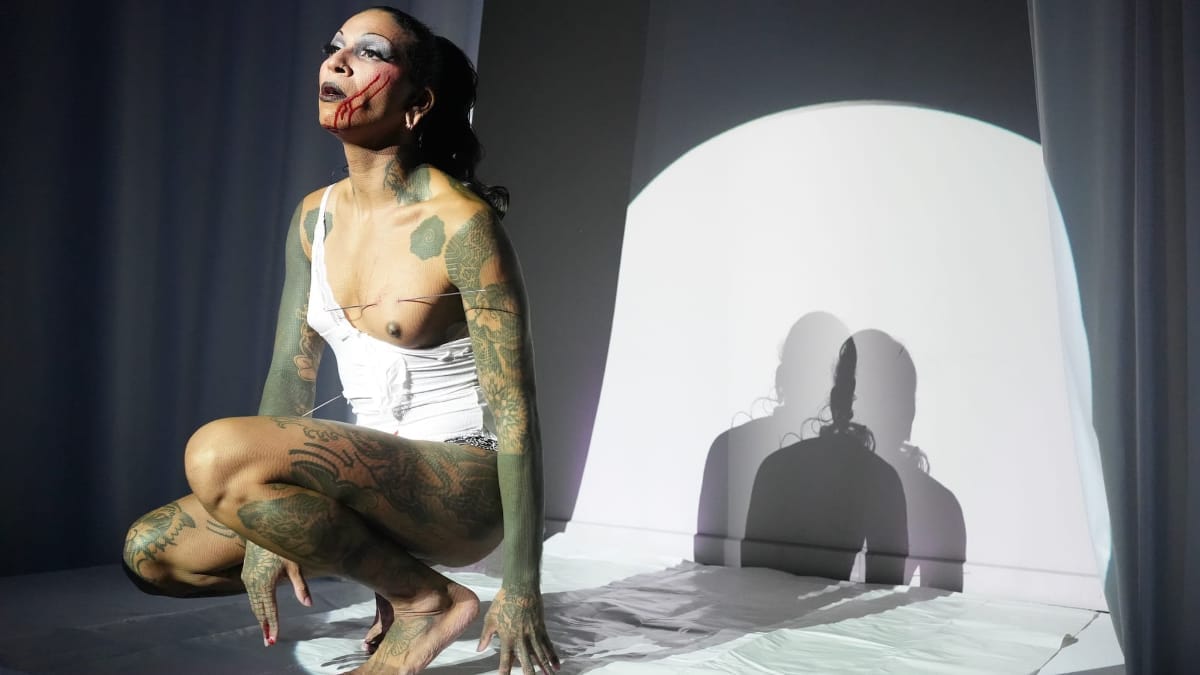
Meanwhile, critical debates are stirring around other legacy institutions. In the realm of queer art and representation, contemporary artists have increasingly voiced concerns that foundational organizations, such as the Tom of Finland Foundation, may be losing their original radical trajectory as they navigate institutional growth and changing cultural dynamics. These discussions point to a broader anxiety within the arts community regarding how countercultural archives and missions can be preserved without diluting their subversive edge.
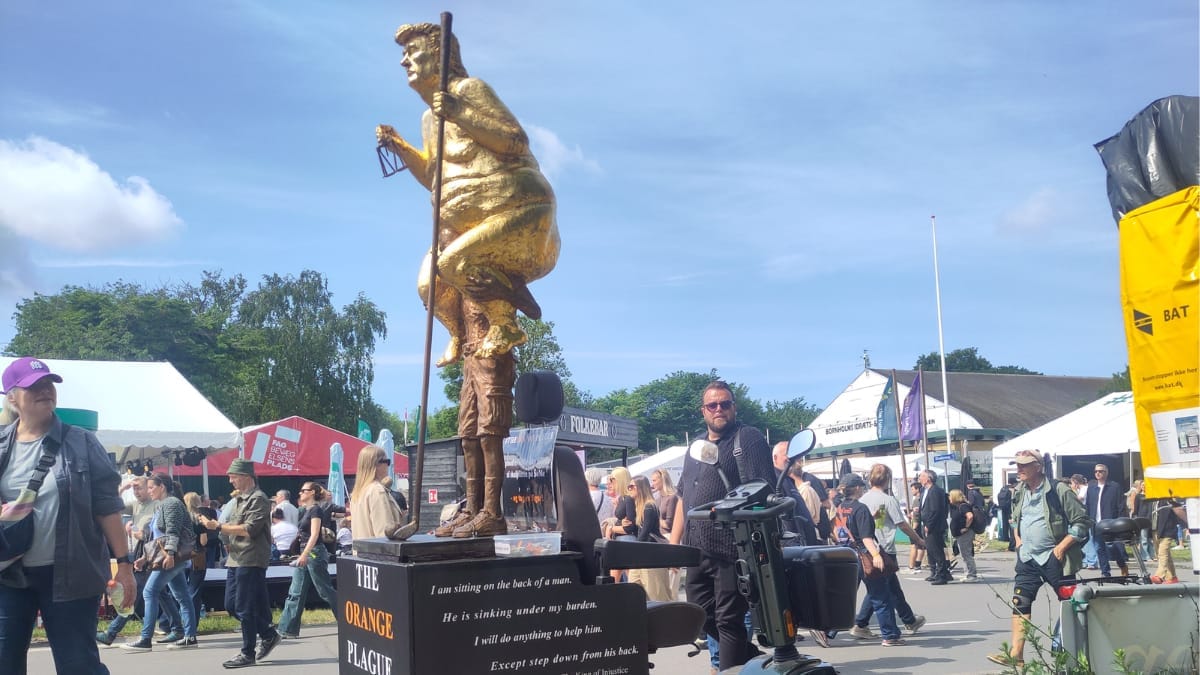
In the realm of public art and political satire, international bodies continue to leverage creative expression as a form of diplomatic and political commentary. The European Parliament recently drew widespread attention with the installation of a gilded nude statue parodying political figures, illustrating how contemporary satire frequently bypasses traditional diplomatic channels to engage directly with the absurdities of modern political theater.
Turner’s Legacy and the Complexities of Romanticism
Literary and historical reassessments are also finding prominent space in current criticism. In a compelling new book review, Tao Leigh Goffe explores the complex legacy of J.M.W. Turner through the lens of colonialism and trade. Examining the volume Turner and the Slave Trade, Goffe recalibrates traditional art-historical understandings of British Romanticism, reframing landscape painting not merely as an innocent meditation on the sublime power of nature, but occasionally as a vehicle entangled with the economic realities of empire and colonial propaganda.
This critical reappraisal aligns with a broader contemporary movement within art history to interrogate the ideological foundations of Western masterpieces. By examining how canonical artists engaged—either directly or implicitly—with the geopolitical violence of their era, modern scholarship continues to dismantle romanticized notions of artistic neutrality.
As the autumn season progresses, the cultural landscape captured across these various exhibitions, interviews, and critical essays demonstrates an art world deeply engaged with its own histories and urgent contemporary realities. From the hallowed halls of The Met to the streets of European capitals and the quiet writing rooms of artists’ colonies, the imperative to question, critique, and reimagine remains as vital as ever.






