By Zach Schiffman
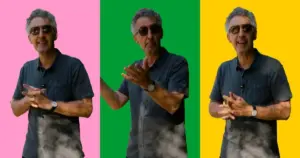
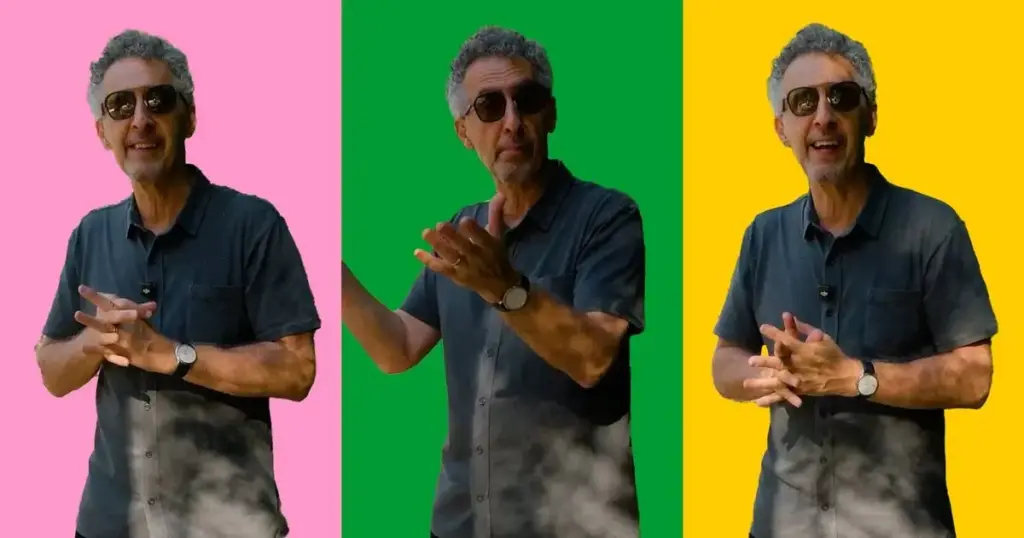
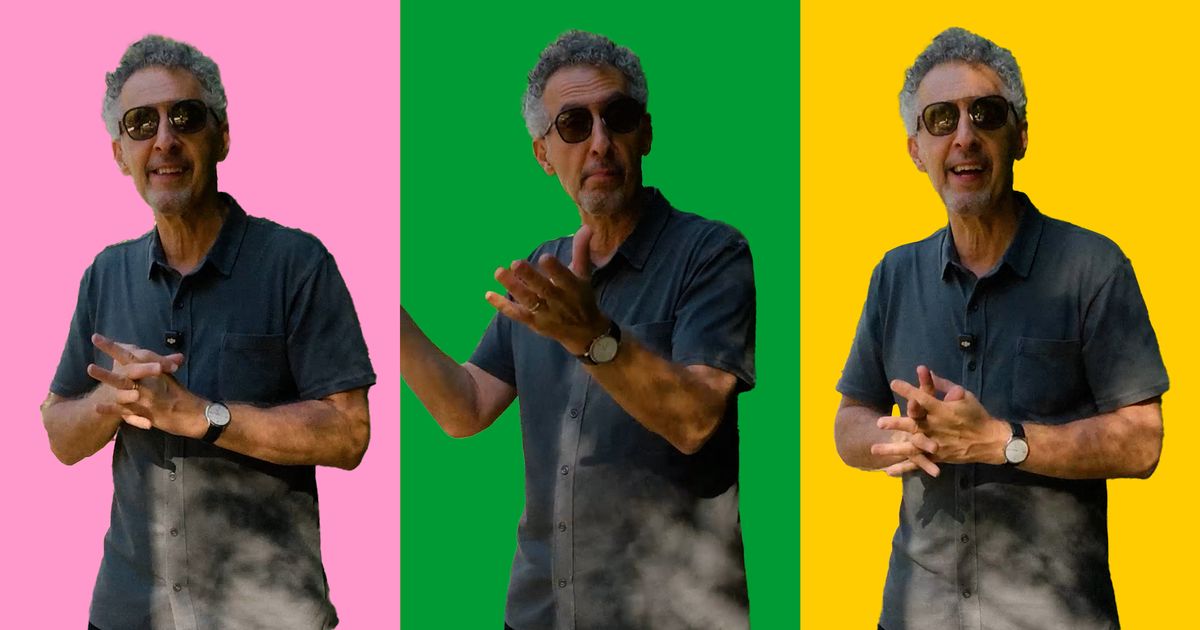
On a scale from a humble pocket park to The Only Living Pickpocket in New York, where does acclaimed actor, writer, and director John Turturro truly fit? This is the core question driving NYQ, a signature digital series designed to measure just how deeply embedded a notable figure’s soul, habits, and memories are within the five boroughs. For Turturro, a lifelong resident whose career and personal history are inextricably bound to the asphalt and brick of New York City, the answer is a complex tapestry built over half a century of living, working, and observing the metropolis.
When asked to quantify his tenure in the city, Turturro offers a straightforward, staggering reality: he has lived in New York City for over 50 years. Across those five decades, his footprint has shifted only a handful of times. Despite a lifetime navigating the city’s notoriously competitive and transient housing market, he estimates he has moved a mere seven times—a modest number for a lifelong New Yorker who grew up in Queens before making his permanent home across the various shifting landscapes of the greater metropolitan area.
That foundational upbringing in Queens left an indelible mark on his geographic vocabulary. To this day, Turturro retains the distinct linguistic marker of his youth, automatically referring to Manhattan simply as "the city." Explaining the nuance, he notes that when he was growing up in Queens, heading across the East River meant one thing: "You’re going to go to the city. They never said you’re going to Manhattan." It was a destination unto itself, the shining epicenter of ambition and culture that loomed large over the outer-borough neighborhoods of his youth.
Turturro’s encyclopedic, lived-in knowledge of the city is put to the test when considering a cross-town journey without the aid of modern technology. Asked how he would travel from Barney Greengrass on the Upper West Side to the Morgan Library in Murray Hill without looking it up, he maps out a classic, practical transit strategy. Recognizing the slight friction of east-west travel, he notes that while you could take a train, you inevitably have to contend with crossing town. His instinctive solution is to walk across the East Side before connecting to the 6 train—a pedestrian-first hybrid approach that speaks to decades of practical navigation rather than reliance on digital mapping apps.
That skepticism of modern convenience extends directly to the back of a yellow cab. When confronted with a driver taking a questionable route dictated entirely by a glowing screen, Turturro does not hesitate to diagnose the modern commuter’s dilemma. He points out that contemporary drivers often rely exclusively on GPS technology, losing the intuitive mastery that defined the old-school cab drivers of yesteryear. These legacy drivers possessed an encyclopedic mental map of alternative routes, bypasses, and traffic workarounds. Turturro cautions against the modern assumption that the digital algorithm is always infallible, contrasting it with the human expertise that once characterized New York taxi lore.
His professional and personal explorations have also taken him to the furthest physical margins of the city, including Staten Island. Turturro notes that he worked in Staten Island many times during his youth, primarily assisting his father, who built a significant number of houses there. Those construction jobs left vivid, tactile memories of working in areas where the ground was saturated with heavy red clay that inevitably covered his father’s car in filth. The borough earned a colorful familial moniker from his father, who would look at the landscape and declare, "We’re going to the Blob."
Long before he was a celebrated silver-screen fixture, Turturro’s introduction to New York’s cultural underbelly involved the gritty, hands-on hustle of Off-Off-Broadway theater. Reminiscing about his early days trying to draw audiences to independent productions, he recalls the unconventional marketing tactics of a bygone era. Operating during the sexual revolution—a time when public cruising and countercultural expression defined the streets—he and his peers took to the pavement with promotional flyers. Egged on by a friend who encouraged him to wear exceptionally short shorts to catch the attention of passersby, Turturro gamely handed out literature on the street, successfully driving audiences into the theater through sheer youthful audacity.
Today, when the calendar clears out and a long holiday weekend empties the metropolis of its frantic daily energy, Turturro knows precisely where to seek refuge. Rather than fleeing the five boroughs, he embraces the sudden stillness. He expresses a deep fondness for visiting the city’s green spaces, botanical gardens, and historical sanctums like Green-Wood Cemetery, alongside cultural institutions such as the Film Forum. For Turturro, the magic of New York peaks when the mass exodus happens and the city momentarily exhales.
Even after fifty years, the city retains the capacity to surprise him, leading him to engage in behavior he playfully identifies with tourism. While locals pride themselves on knowing every block, Turturro admits to occasionally discovering a brand-new architectural marvel that completely alters his perspective. He recalls walking into the Beekman hotel and being entirely transfixed by its stunning interior atrium, describing it with genuine awe as feeling like stumbling into an entirely different, hidden world existing just behind the familiar facades of downtown.
His deep roots in the artistic community also connect him to the golden eras of New York nightlife and celebrity culture. Long before earning his own widespread acclaim, Turturro worked as a bartender at the legendary Manhattan nightspot the Right Bank during the height of Al Pacino’s early stardom. Among his fondest memories from those days is serving the iconic actor and packing up ice cream for Pacino to take home—a modest, domestic snapshot of an era in New York nightlife that Turturro recalls with profound fondness.
That nostalgia extends to the physical spaces of the city’s theatrical past that have vanished over the decades. Asked which closed venue he would resurrect if given the power, Turturro immediately points to the Ridiculous Theatrical Company, run by the brilliant playwright and actor Charles Ludlam at Sheridan Square. Describing Ludlam as an absolute genius of cross-dressing performance who played every character with virtuosic wit, Turturro laments the loss of a theater that brought him profound joy and laughter.
When the conversation turns to the romantic lore of the city, Turturro’s pick for the sexiest New Yorker leans heavily into classic icons of his formative years. He confesses to harboring a massive, long-standing crush on Barbra Streisand, admitting that over the years, his deep admiration made it feel as though he shared an almost personal relationship with the legendary entertainer and native Brooklynite.
Yet, amidst the high culture of theater, historic hotels, and cinematic icons, Turturro’s New York memories occasionally circle back to the humblest culinary traditions of the street vendor. Reflecting on the last time he consumed a hot dog from a traditional sidewalk stand, he recalls a legendary episode from his youth spent working with his father on Staten Island. Exhausted and starving after a grueling late shift of manual labor, young Turturro found himself face-to-face with a cart slinging classic Sabrett hot dogs. Driven by ravenous hunger, he consumed an astonishing 11 hot dogs topped with mustard and sauerkraut, watched in stunned amusement by his father, who continuously offered to buy him yet another. True to the ironclad stomach of a dedicated New Yorker, Turturro finished his eleven-dog feast without ever falling ill, leaving his mother thoroughly bewildered by his massive roadside lunch when he finally returned home for dinner.