The email inquiry arrived with a familiar narrative of horticultural frustration: two shrubs of the exact same species and cultivar, planted on opposite sides of the same property under nearly identical growing conditions, were behaving entirely differently. While one plant was thriving and putting on a robust display, the other was clearly struggling. Convinced that a drastic remedy was the answer, the gardener had settled on a hard cutback as the ultimate fix to solve all of his landscaping problems.
Yet, as experienced horticulturists often point out, drastic interventions should rarely be driven by frustration alone. Paul Cappiello, executive director at Yew Dell Botanical Gardens in Crestwood, Kentucky, notes that while there are many valid reasons to try renewal pruning—also widely known as rejuvenation pruning—"it just looks sick" is never sufficient justification. As with any corrective horticultural work, identifying the underlying cause of a plant’s decline must always serve as the initial step before any sensible solution can be devised. Not every woody plant will respond favorably to an extreme makeover, particularly specimens already compromised by underlying health issues, root damage, or persistent pest infestations.
The Mechanics and Timing of Renewal Pruning
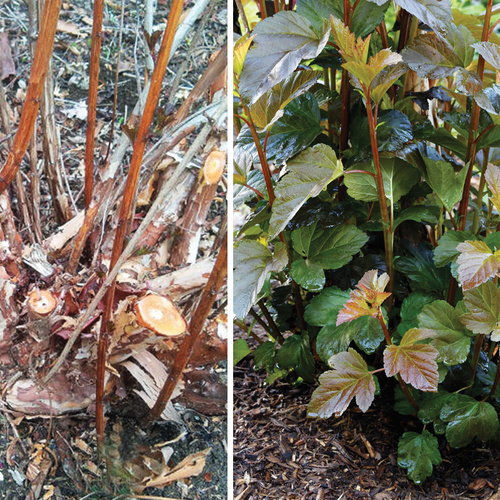
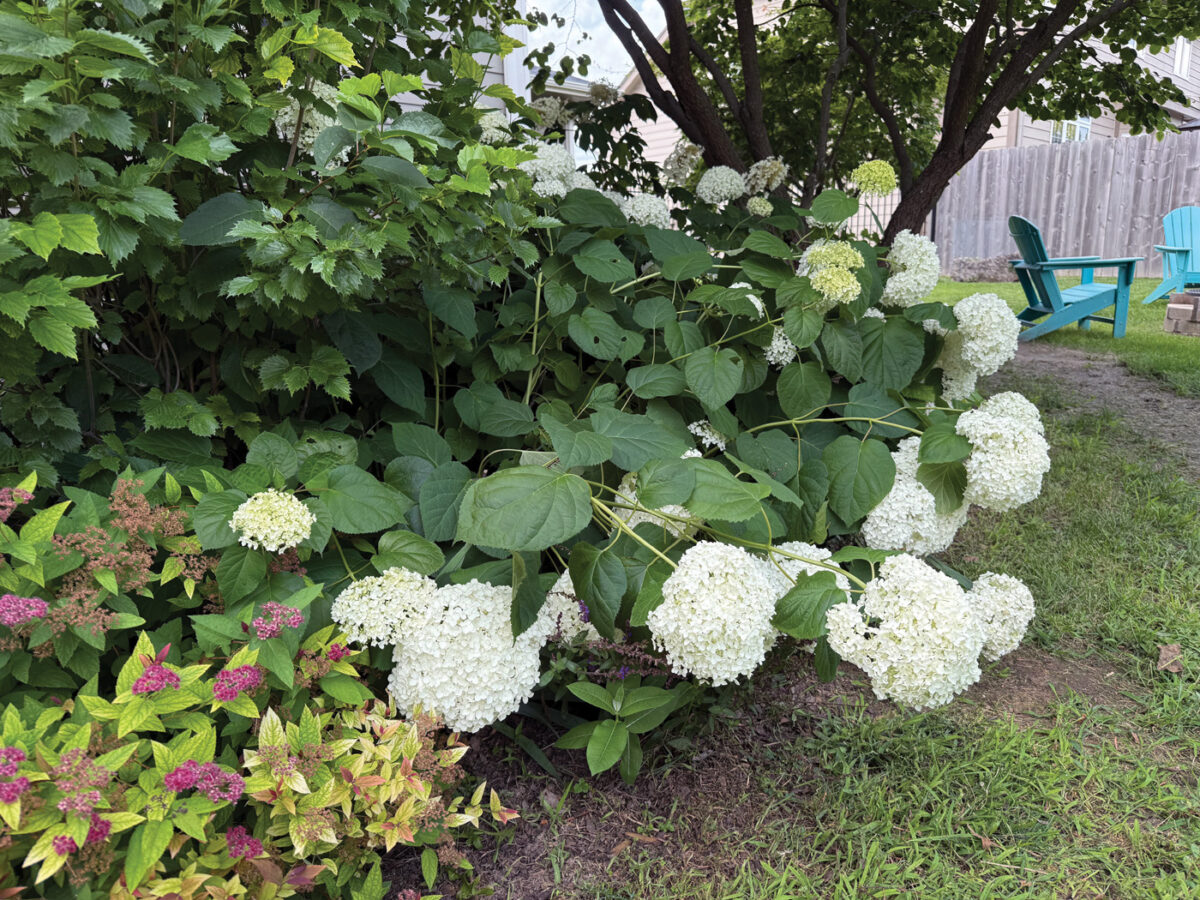
For gardeners who understand when and why to apply it, renewal pruning remains an exceptionally valuable technique. Rejuvenation generally yields the best results on established, multi-stem, woody plants that naturally respond to severe cutbacks by forcing new growth from dormant buds situated along the remaining stems or directly from the root system. The ultimate goal is typically to encourage the plant to regenerate a healthier, more visually appealing, or appropriately sized canopy. This intensive work is traditionally performed in late winter, a point in the annual cycle when the plant is fully dormant and possesses the highest stored energy reserves of any time of the year.
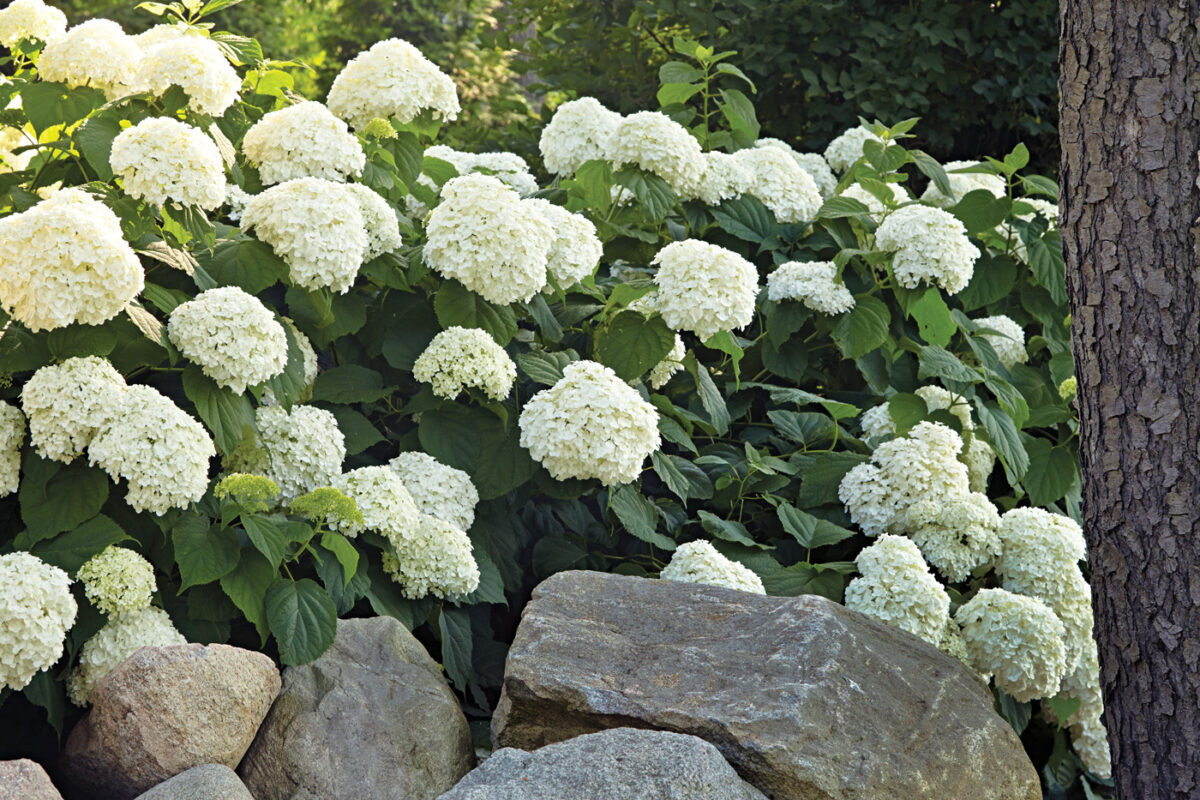
Whether a gardener is considering renewal pruning as a routine component of regular landscape management or employing it as a direct corrective measure, understanding the underlying mechanics, motivations, and appropriate plant candidates is essential for long-term success.
Renewal Pruning as Regular Maintenance
When garden space is limited or when property owners want to maximize the visual impact of fast-growing shrubs, an aggressive annual or biennial cutback can serve as a complete seasonal reset. In general, vigorous shrubs characterized by a suckering growth habit can handle regularly scheduled renewal pruning with ease. Certain species simply perform better as garden specimens when cut straight to the ground every year or every few years.
For instance, many professional gardeners and landscape designers apply a heavy annual haircut to smokebushes in late winter to encourage an exceptional display of bright, vibrant new foliage during the following growing season. Although plants subjected to this rigorous yearly treatment will not flower that year, the resulting foliage is larger, significantly more colorful, and positioned much closer to eye level than the rangy, unmanaged growth of mature specimens left entirely to their own devices.
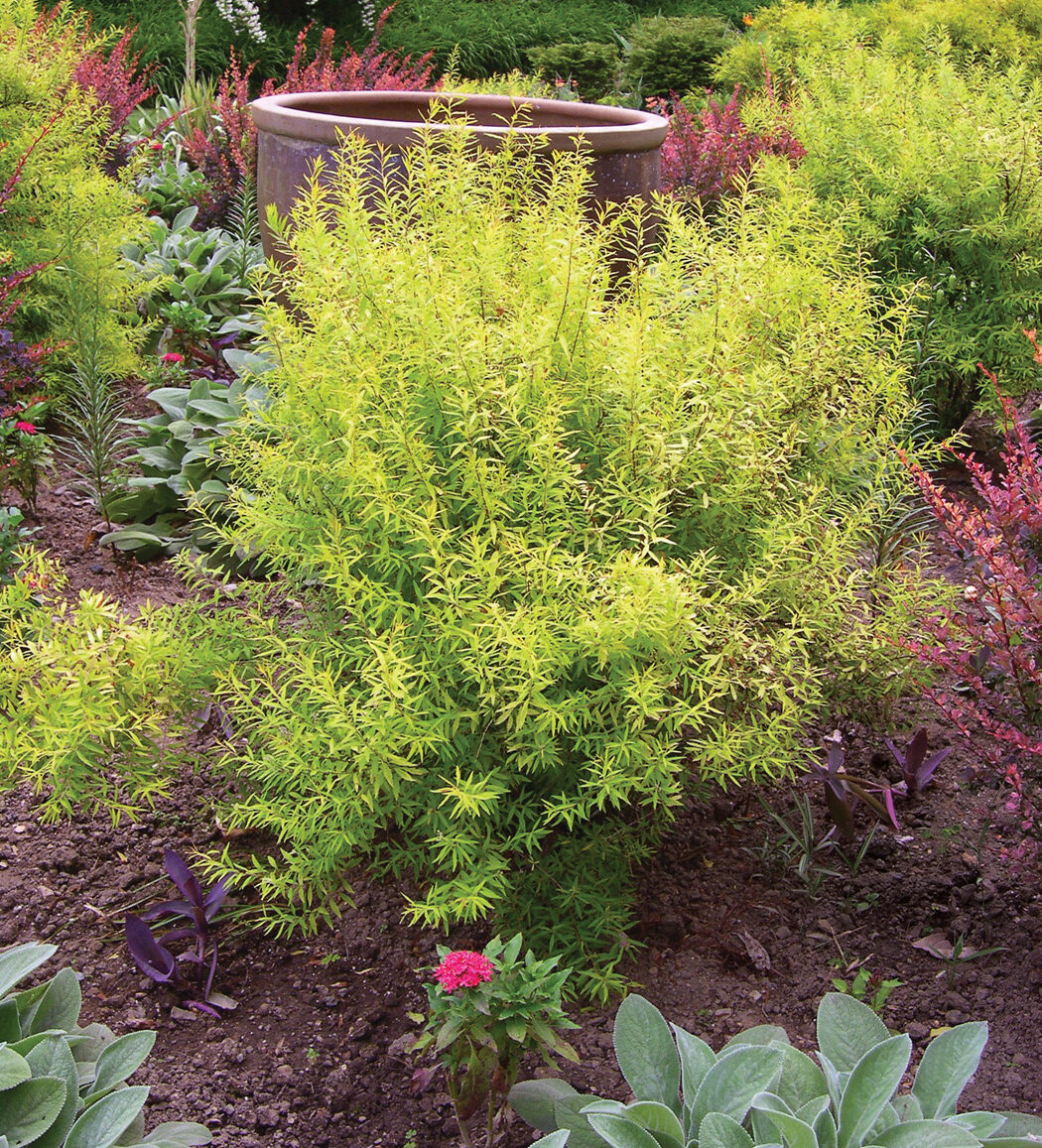
Similarly, ‘Ogon’ spirea is an early-spring bloomer celebrated for its delicate white flowers and fluffy chartreuse foliage that persists all summer. Because older plants naturally tend to sprawl and become leggy, standard winter renewal pruning would normally remove the flower buds that form on the previous season’s wood. To balance flowering and form, horticulturists often let the shrub bloom heavily in early spring, then cut it right to the ground as soon as the blossoms fade. This aggressive approach is rewarded with dense, vigorous growth that looks immaculate throughout the summer, while the plant still manages to set next year’s flower buds by autumn. The frequency of this major spring chop depends largely on personal preference, spatial constraints, or nearby plantings.
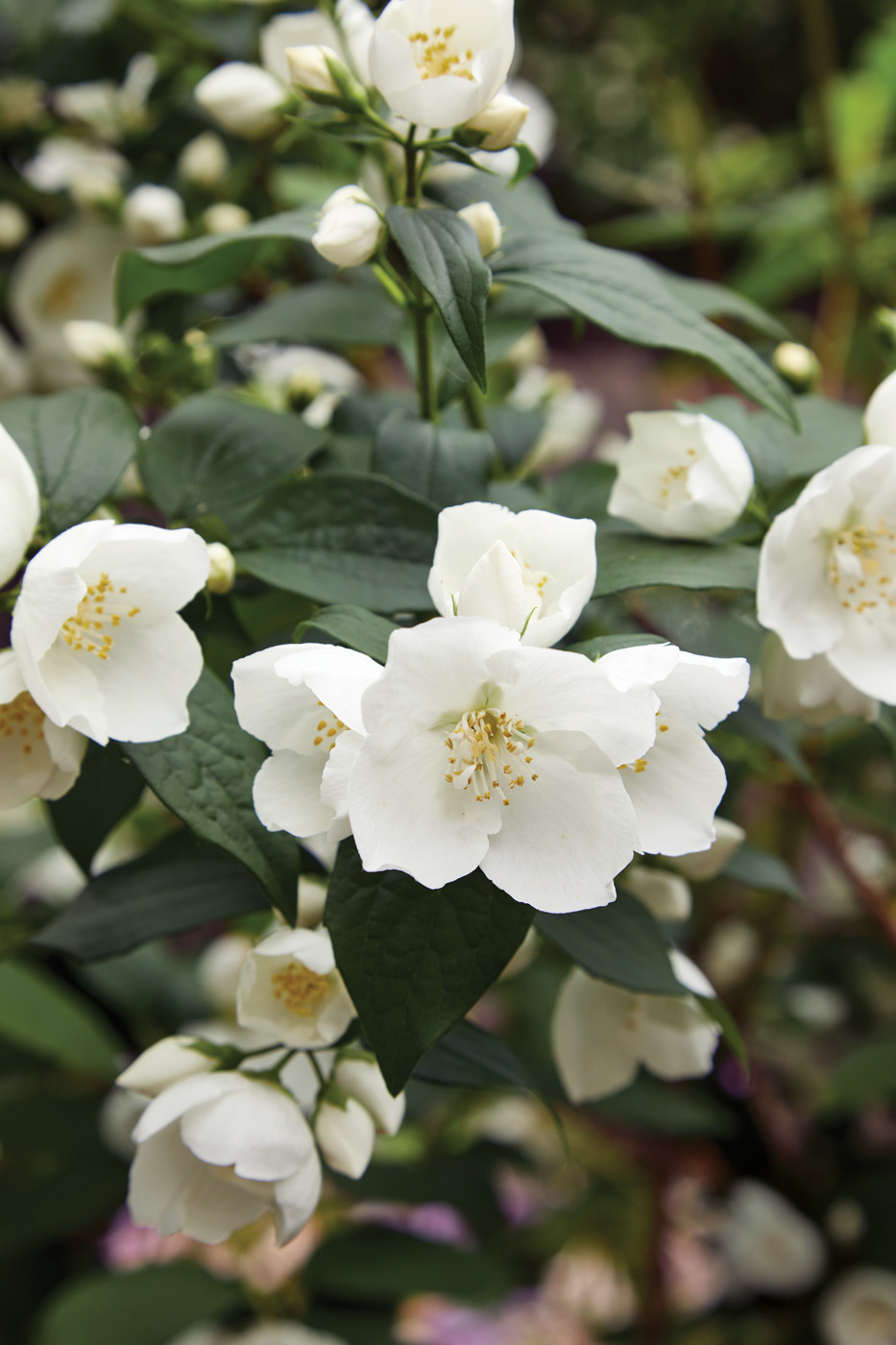
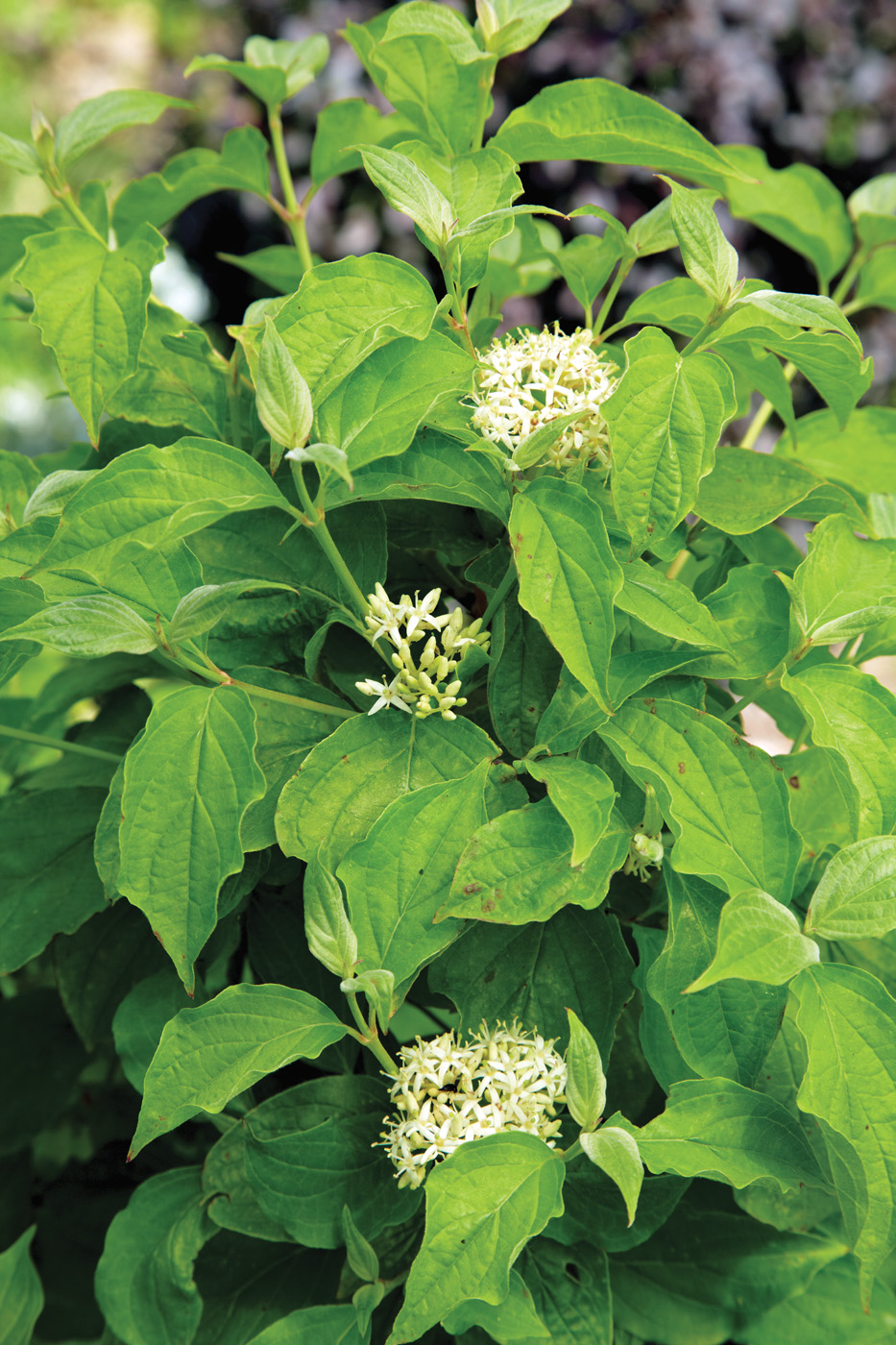
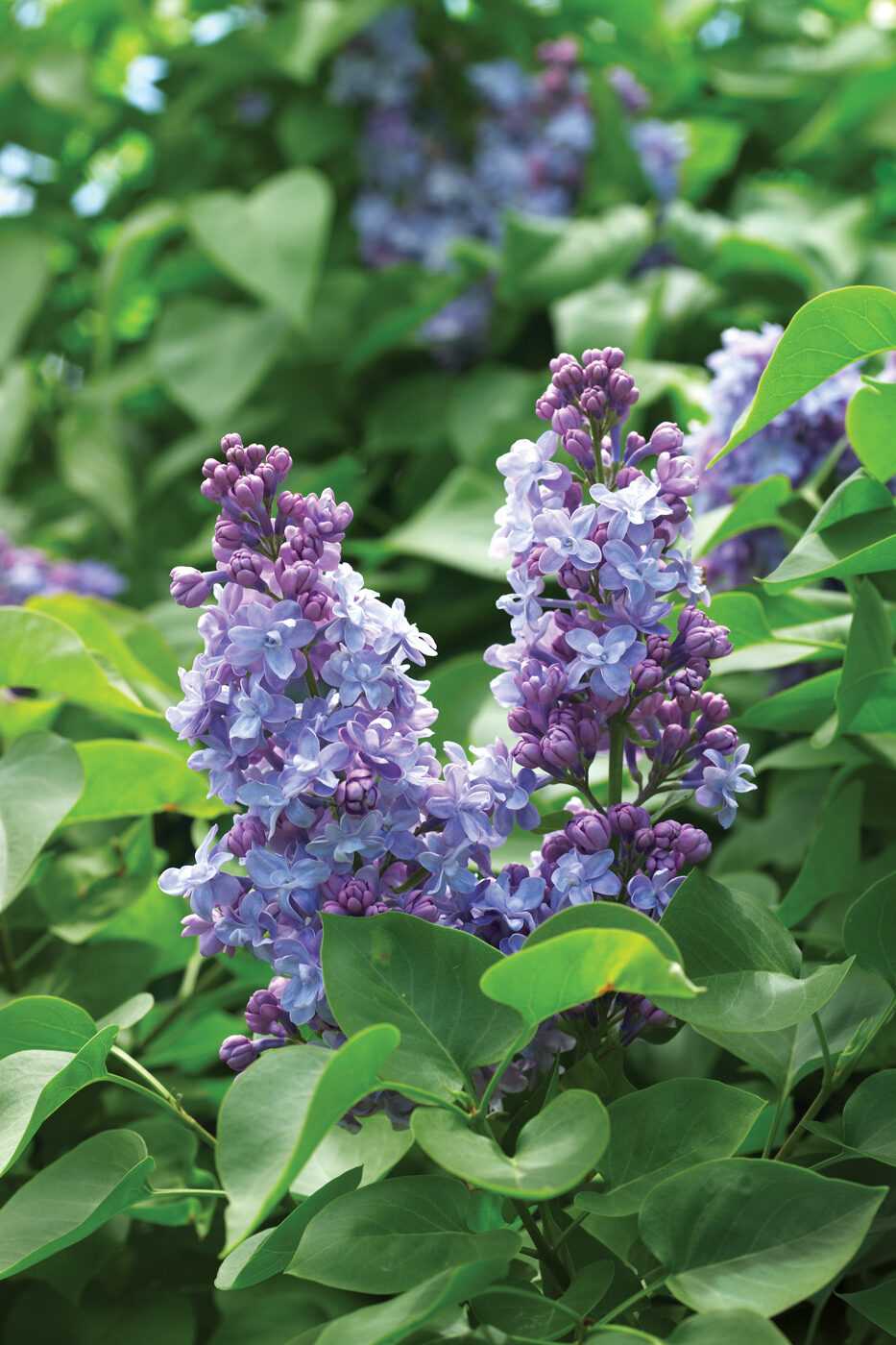
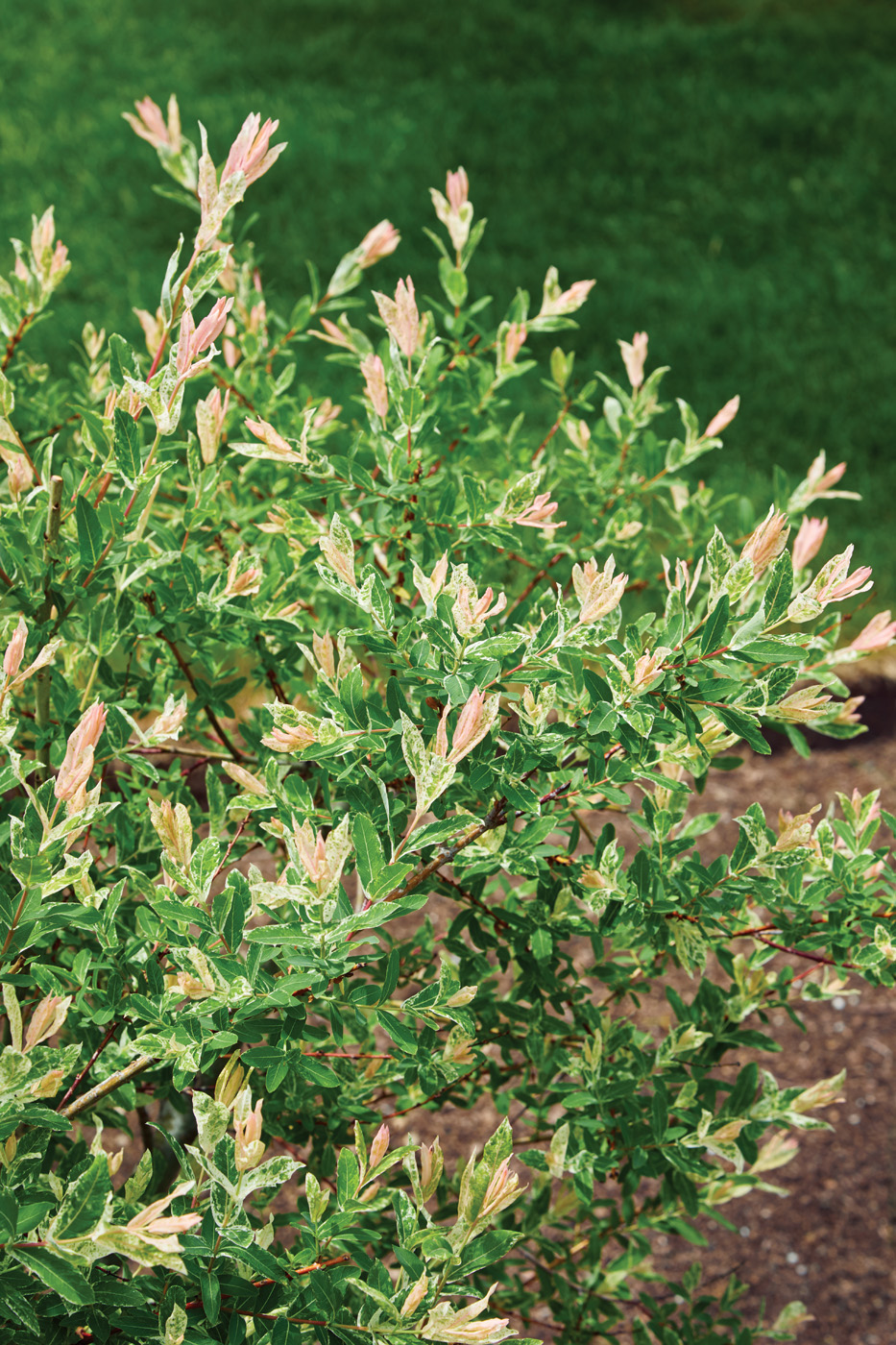
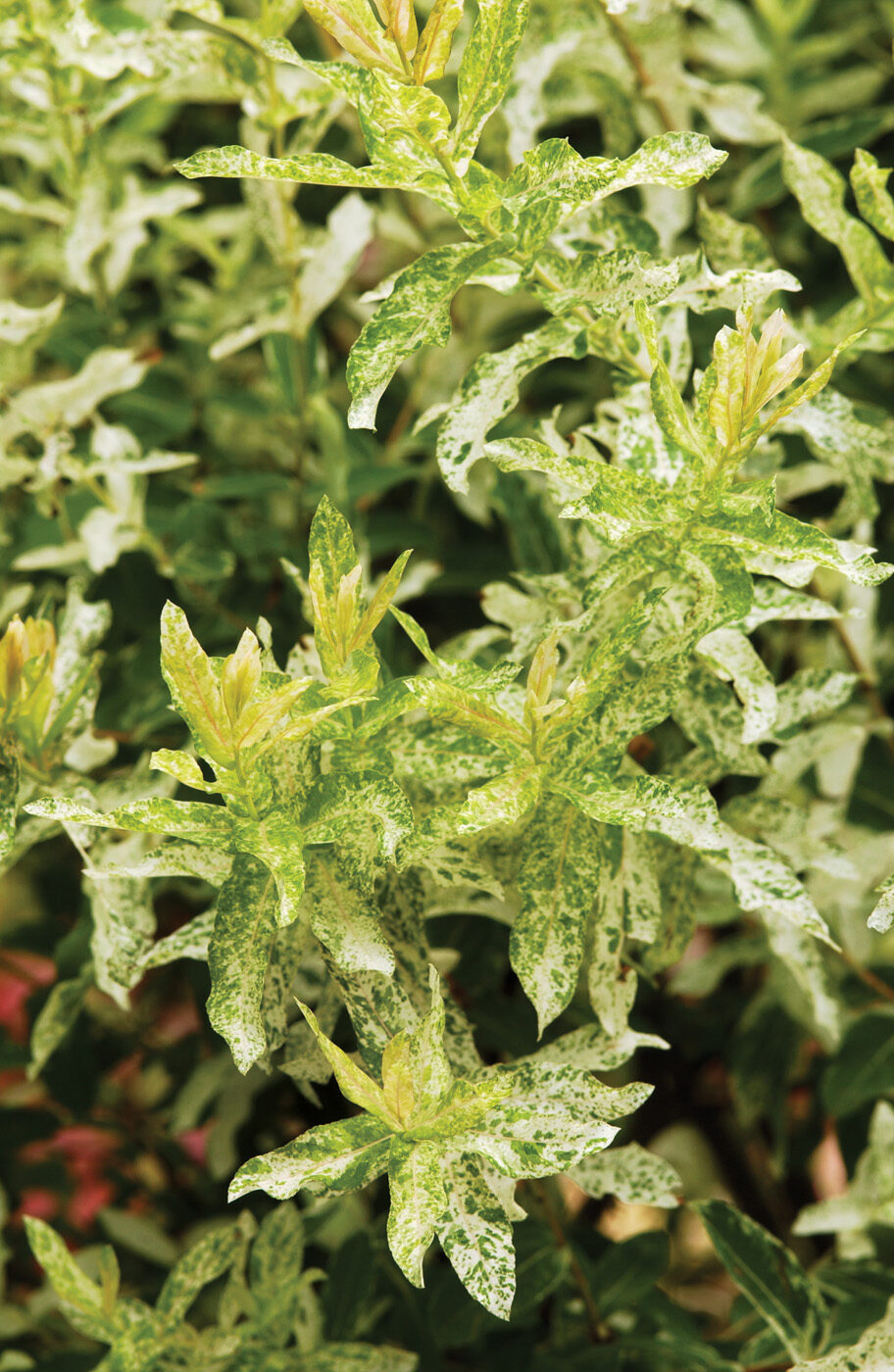
For dedicated plant collectors operating within the confines of a small residential yard, regular renewal pruning can also create the necessary spatial buffer to accommodate additional specimens. For example, a vigorous ‘Hartlage Wine’ sweetshrub naturally grows up to 12 feet tall and wide, dimensions that easily overwhelm a modest garden space. By cutting the shrub straight to the ground every year after it completes its early-summer flowering cycle around the Fourth of July, the plant responds by pushing out 3- to 4-foot-tall shoots by the end of the season. These new shoots conveniently carry the following year’s flower buds, establishing a functional equilibrium that allows gardeners to enjoy an otherwise oversized specimen in a restricted area. Other popular landscape shrubs that routinely tolerate this kind of scheduled maintenance include red osier dogwood, common lilac, mock orange, and dappled willow.
Renewal Pruning as a Corrective Measure
Over time, older shrubs inevitably become long in the tooth and begin to lose their native vigor. Property owners looking to reset an overgrown or improperly pruned deciduous shrub must remember that these plants should generally be handled during dormancy, while broadleaf and coniferous evergreens are best addressed in mid-spring after the threat of frost has passed and active growth is underway.
Anyone who has ever maintained a formally sheared hedge is likely familiar with the classic signs of structural decline: hollow centers, an absence of interior side growth, and a mere veneer of living foliage confined strictly to the top. Shrubs with vertically sheared sides are particularly prone to developing this hollowed-out appearance, whereas specimens pruned with a natural, tapered profile—wider at the base and narrower at the crown—receive adequate sunlight across their entire structure.
Before committing to a severe rejuvenation of a tired shrub, gardeners must verify that the plant retains the biological capacity to break new bud from internal branches. Yews and certain rhododendrons are generally reliable candidates for judicious renewal, whereas most coniferous evergreens are not. Drastic interventions rarely look attractive in the immediate aftermath, but they can successfully restore vitality to plants that have grown neglected over the years.
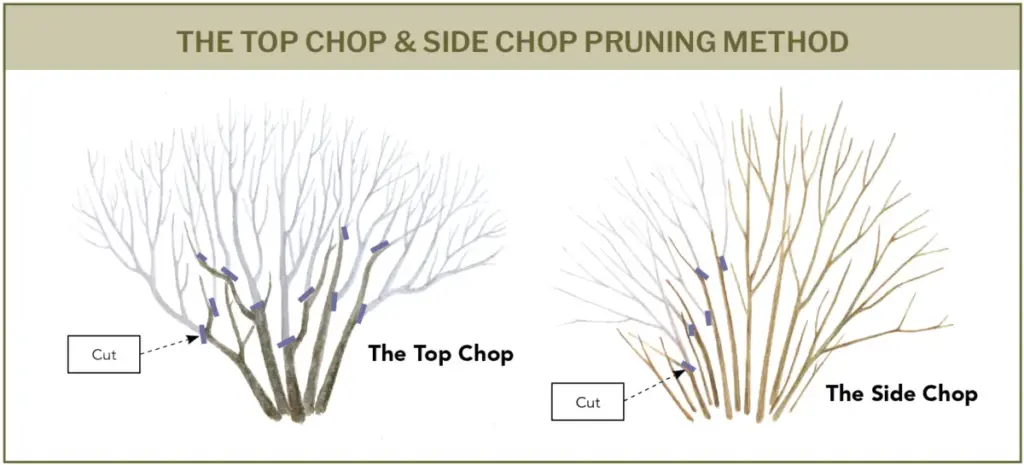
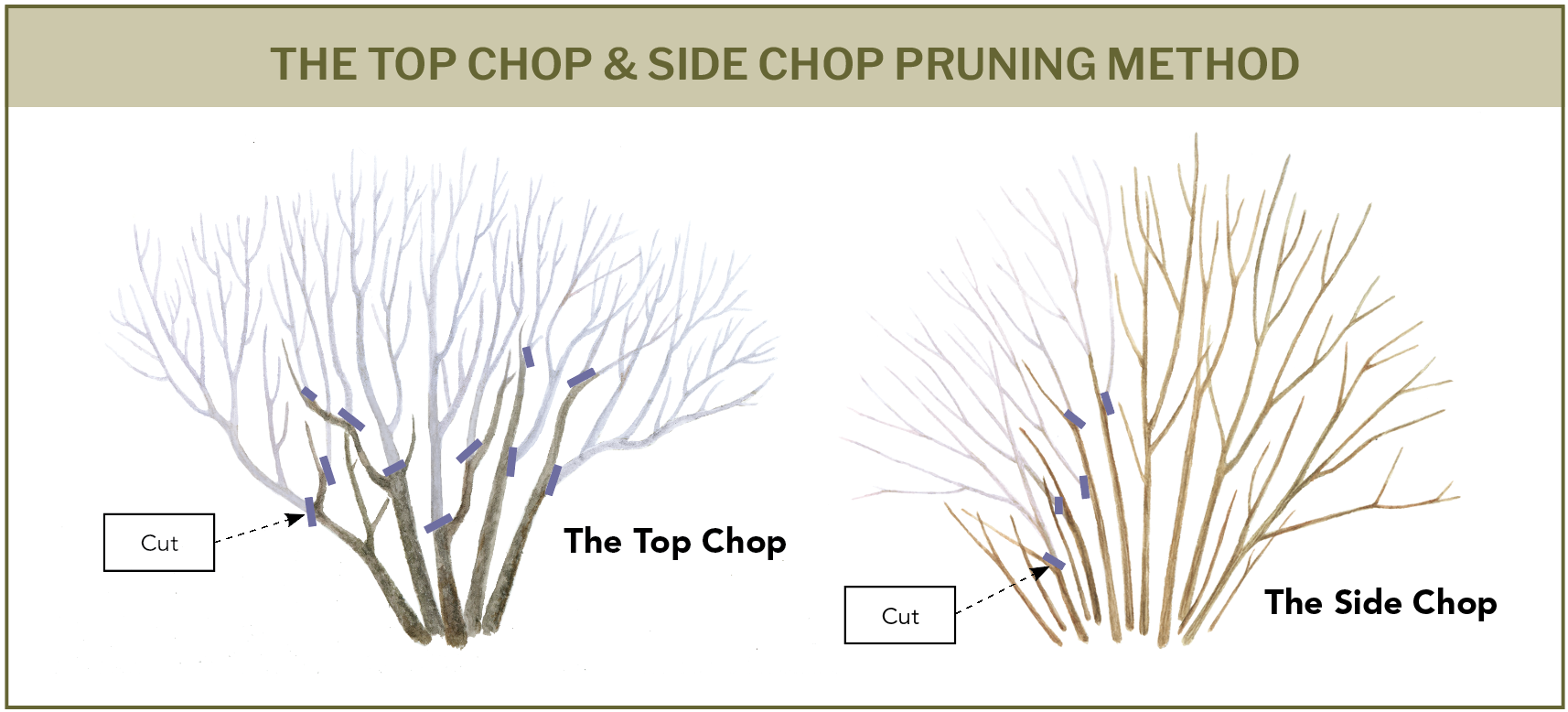
One approach is known as the top chop. This technique involves removing enough of the upper canopy to expose the barren, shaded center of the plant. While the severity of the cut can be intimidating, a healthy shrub will respond to the sudden influx of light by generating vigorous internal growth, resulting in a fuller, more balanced form within a few seasons.
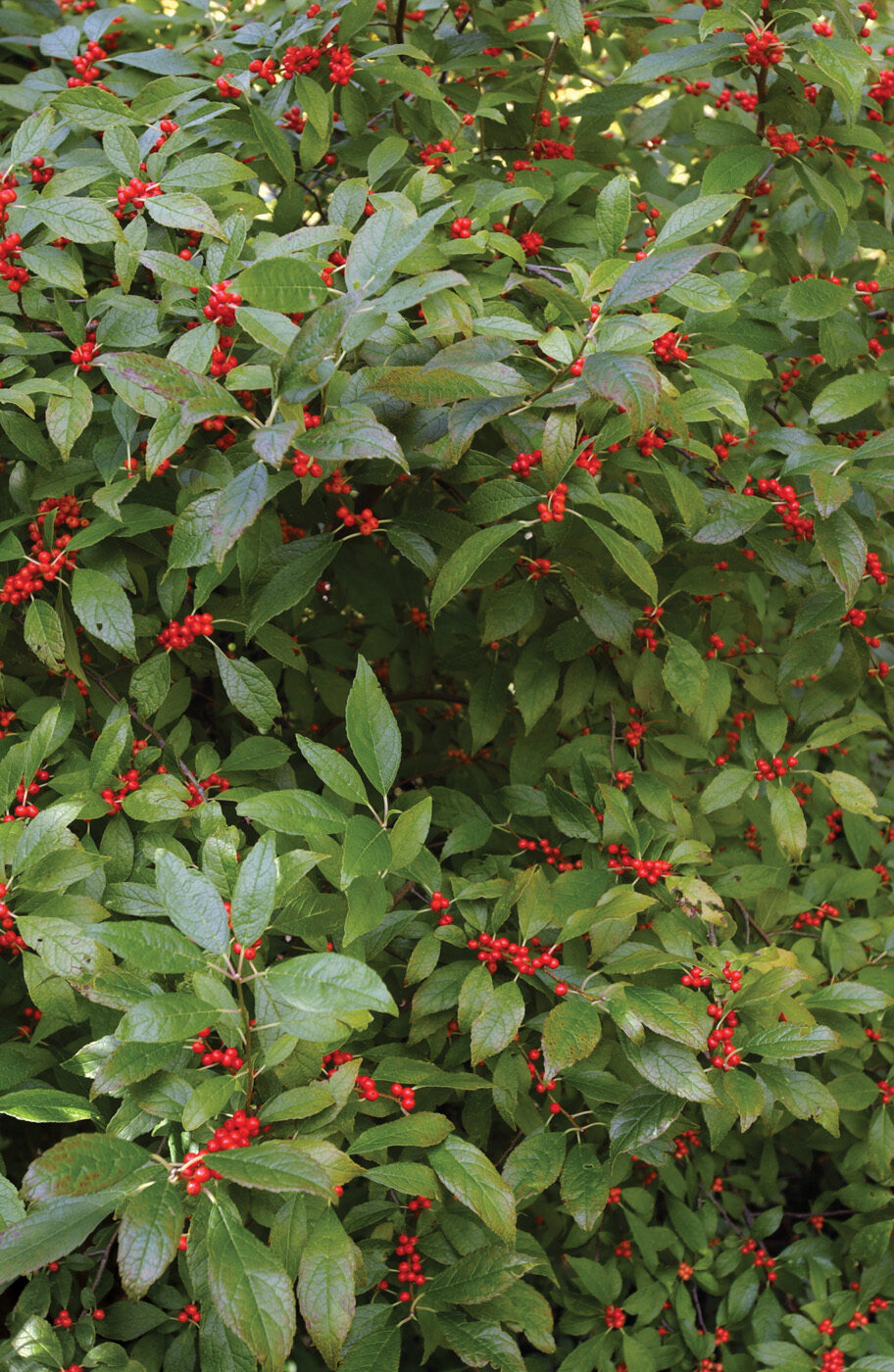
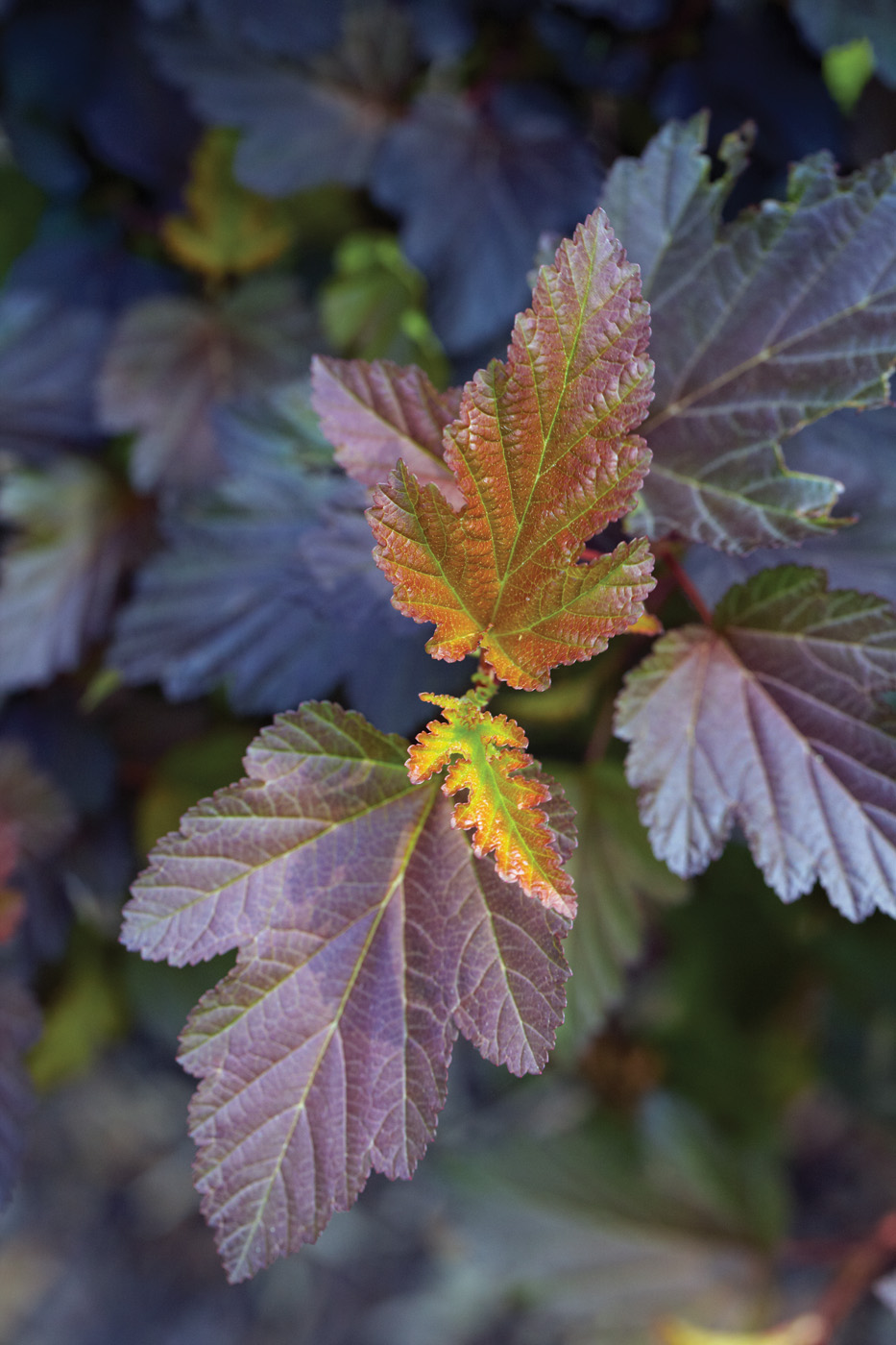
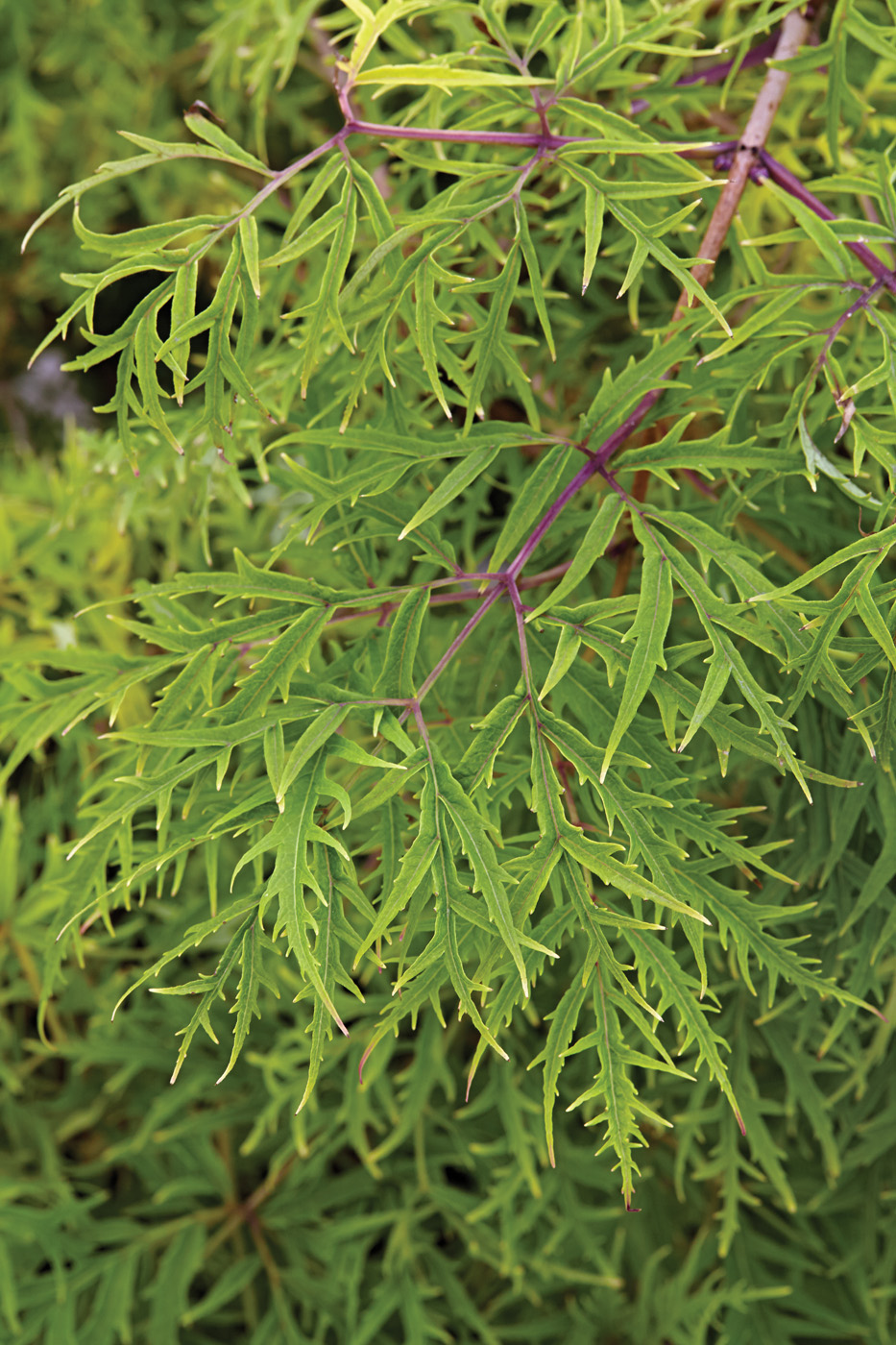
An alternative method is the side chop, which achieves similar structural results by focusing on one side of the plant at a time. Removing upper branches from a single lateral flank stimulates interior growth while allowing the gardener to gradually modify the plant’s overall profile over a couple of years. This incremental approach is particularly useful for prominent foundation plantings or privacy screens. Rather than cutting both sides during the same growing season—a tempting shortcut for aggressive pruners—experts recommend treating one side initially and addressing the opposing side a year or two later. This leaves the top and remaining green flank with enough photosynthetic capacity to fuel a steady recovery. Robust, traditional hedging species, ninebark, elderberry, holly, and willow are among the best candidates for top chops or side chops.
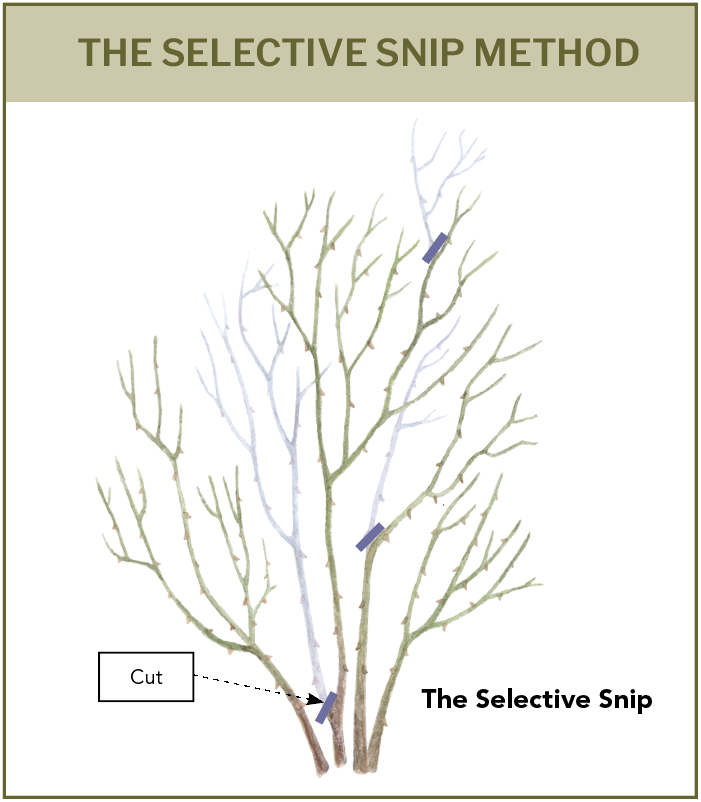
For gardeners seeking a gentler transition away from strict, formal shearing toward a softer, hand-pruned aesthetic, the selective snip offers a more conservative path to structural recovery. By putting away mechanical hedge shears and relying on hand pruners to cut selected branches back to their points of origin deep within the canopy, the gardener effectively introduces natural light holes into the dense outer shell of foliage while preserving the broader architectural framework of the plant. To maximize the chances of a smooth recovery, experts advise removing no more than one out of every three mature branches at a time. Spreading the removal of the oldest, largest wood over the course of three or more years provides a safe method for reviving aging shrubs like shrub roses, abelia, mahonia, ribes, camellias, hebe, and multi-stem magnolias that might otherwise struggle to recover from an absolute ground-level cut.
Ultimately, whether a property owner chooses to coppice a lilac to the soil line, execute a top chop on an aging specimen, or systematically thin out a neglected hedge, timing remains paramount. Successful renewal pruning relies on performing these intensive cuts during the off-season, when the plant’s stored winter energy reserves can be fully mobilized to support a vigorous and complete recovery.