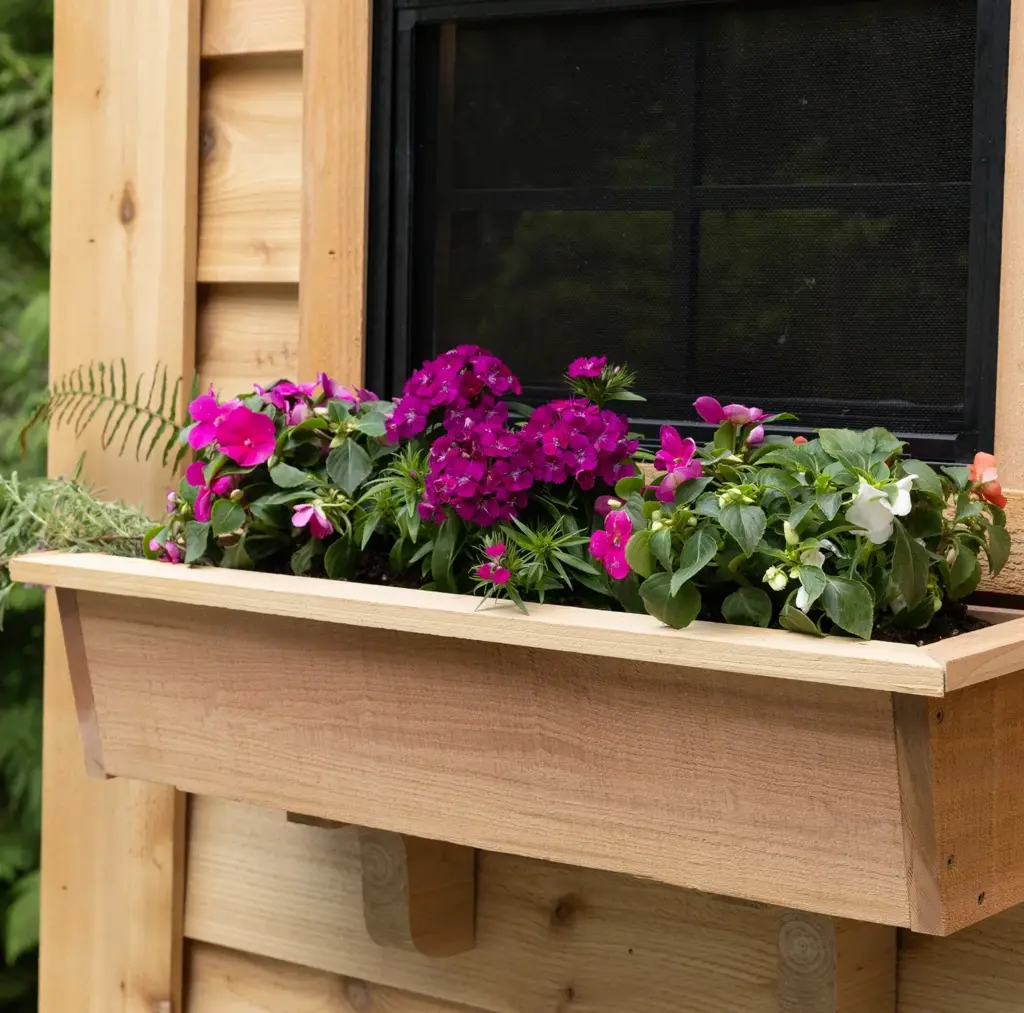
Outdoor timber structures add warmth, natural beauty, and long-lasting functionality to properties, but these investments are only as resilient as the materials used to build them. Whether property owners are maintaining a backyard shed, a decorative pergola, a greenhouse, or a raised garden bed, understanding the fundamental causes of wood decay and learning how to properly protect timber can dramatically extend the lifespan of these outdoor additions. Without proper defense against moisture, insects, and relentless weathering, even the most carefully constructed outdoor features can deteriorate prematurely.
What Causes Wood Decay and Degradation?
Wood decay occurs primarily when specialized fungi break down the cellular structure of timber. For these destructive organisms to survive and multiply, they require a specific combination of elements: adequate moisture, sufficient oxygen, moderate temperatures, and a consistent food source, which is the wood itself. Once these decay fungi become active, they aggressively weaken wood fibers, alter the natural color of the material, create structural softness, and ultimately lead to severe cracking, checking, and total structural instability.
Beyond fungal decay, wood degradation encompasses a wide range of non-fungal environmental stresses. These include continuous ultraviolet exposure from the sun, extreme weathering cycles, wood-boring insects, and fire hazards. Together, these environmental factors accelerate daily wear and tear, systematically reducing a structure’s operational lifespan. Addressing these vulnerabilities requires a dual approach: selecting inherently resistant timber species and implementing rigorous protective maintenance practices from the moment a structure is installed.
Why Western Red Cedar Holds Up Better
When evaluating materials for outdoor durability, Western Red Cedar consistently emerges as one of the top-performing woods available. Its superior performance in exterior applications stems from its unique natural characteristics and chemical properties. Unlike standard lumber, cedar contains natural tannins and compounds that make it inherently resistant to decay and insect damage without relying heavily on added chemical treatments.
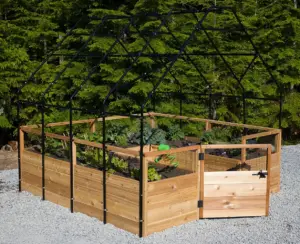
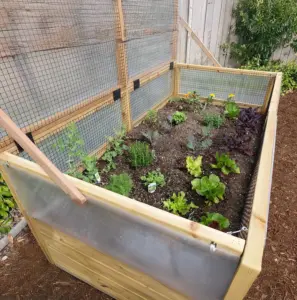
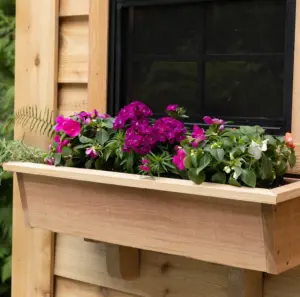
Because of this natural durability, cedar is widely specified and utilized for a diverse array of outdoor architectural elements, including backyard sheds, shade pergolas, backyard greenhouses, raised garden beds, children’s playhouses, and custom outdoor furniture. For property owners seeking long-term structural longevity combined with minimal ongoing upkeep, Western Red Cedar remains one of the premier choices in the building and landscaping industries.
How to Prevent Wood Decay in Outdoor Structures
Protecting exterior timber requires a proactive strategy that begins before a single board is assembled. The first line of defense is starting with the right wood species. Utilizing highly durable species such as Western Red Cedar provides a promising, long-term solution because it naturally resists decay without relying on heavy chemical preservatives. While pressure-treated lumber offers a certain degree of protection against ground contact and moisture, moisture control remains fundamentally essential because chemical preservatives alone cannot completely stop water absorption.
Controlling moisture exposure is arguably the most critical factor, as moisture is universally recognized as the primary catalyst for wood decay. To mitigate moisture retention, builders and homeowners must ensure proper site drainage, maintain adequate clearance between the wood and the damp earth, and design structures with sufficient ventilation to allow trapped humidity to escape. Reducing moisture exposure dramatically slows fungal activity and preserves the structural integrity of the timber.
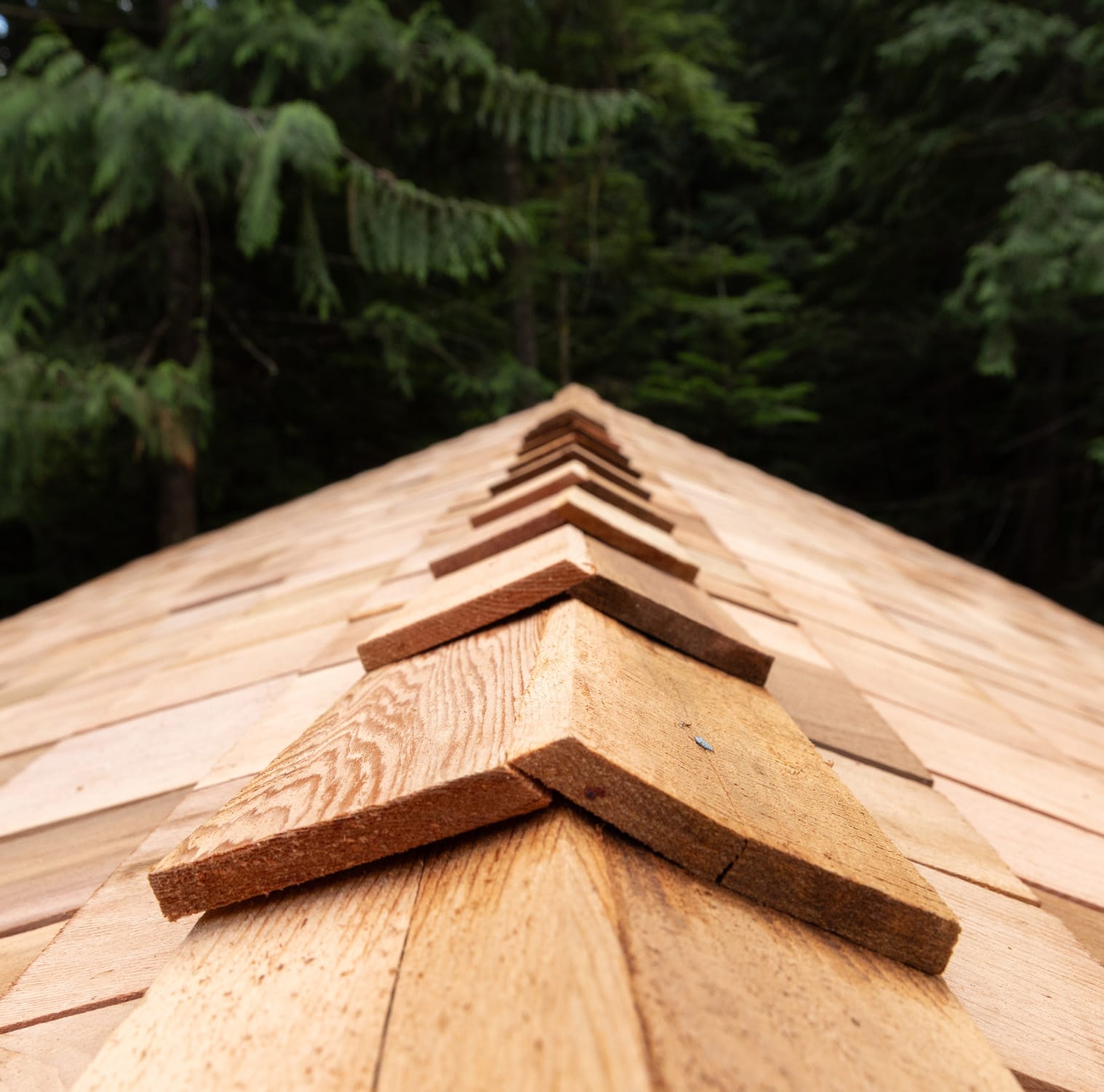
Despite best efforts, if localized rot is detected, stopping it from spreading immediately is vital. Identifying damaged sections early and addressing them through targeted removal or chemical treatments prevents rot from migrating into nearby healthy components.
Applying protective surface finishes is another proven method for enhancing durability. Opaque paints provide exceptionally strong weather protection thanks to their high pigment content. These finishes are ideally applied in a controlled factory setting to ensure a smooth, uniform, and long-lasting coating. When painting onsite, meticulous preparation and adherence to manufacturer guidelines are required to secure proper adhesion.
For those who prefer to showcase the natural grain of the wood, clear varnishes and unpigmented oils offer an alternative, though they generally require more frequent reapplication and offer milder overall protection compared to pigmented options. Wood stains represent an effective middle-ground solution, offering a balanced combination of aesthetic appeal and durable weather resistance. Similarly, translucent coatings provide a semi-protective film that shields the wood while still allowing the natural grain to show through, though they must be periodically reapplied depending on the local climate and exposure levels. Boiled linseed oil is also commonly utilized by craftsmen to seal wood surfaces and slow degradation, though it demands careful and precise application techniques.
The Best Finishes for Outdoor Wood
Different finishing options cater to specific aesthetic preferences and environmental exposure levels. Opaque paint delivers excellent overall protection and strong ultraviolet resistance, making it best suited for heavily exposed structures like standard sheds and pergolas. Wood stains offer good general protection and moderate UV defense, rendering them ideal for garden beds, casual sheds, and outdoor furniture.
Clear varnishes and natural oils provide mild protection and low UV resistance, making them most appropriate for interior-facing wood components or deeply shaded structures. Translucent coatings achieve very good overall protection alongside good UV resistance, serving as an optimal choice for high-visibility cedar products where both appearance and longevity are prioritized.
Ready to Build With Longer-Lasting Wood?
Property owners looking to upgrade their outdoor living spaces can explore a wide variety of structures handcrafted from premium Western Red Cedar. Sustainably sourced, naturally durable, and engineered for long-term performance under harsh environmental conditions, these architectural elements offer both reliability and aesthetic charm. Consumers can browse an extensive selection of sheds, pergolas, garden beds, and other outdoor accessories directly through Outdoor Living Today.