The overlapping worlds of elite international contemporary art and raw urban reality collided in sharp relief during the peak of the New York autumn arts season. Between high-profile press previews at major art fairs, stark neighborhood contrasts on the Lower East Side, and deep critical reckonings spanning from the Venice Biennale to local galleries, the season has offered a complex portrait of the contemporary cultural landscape.
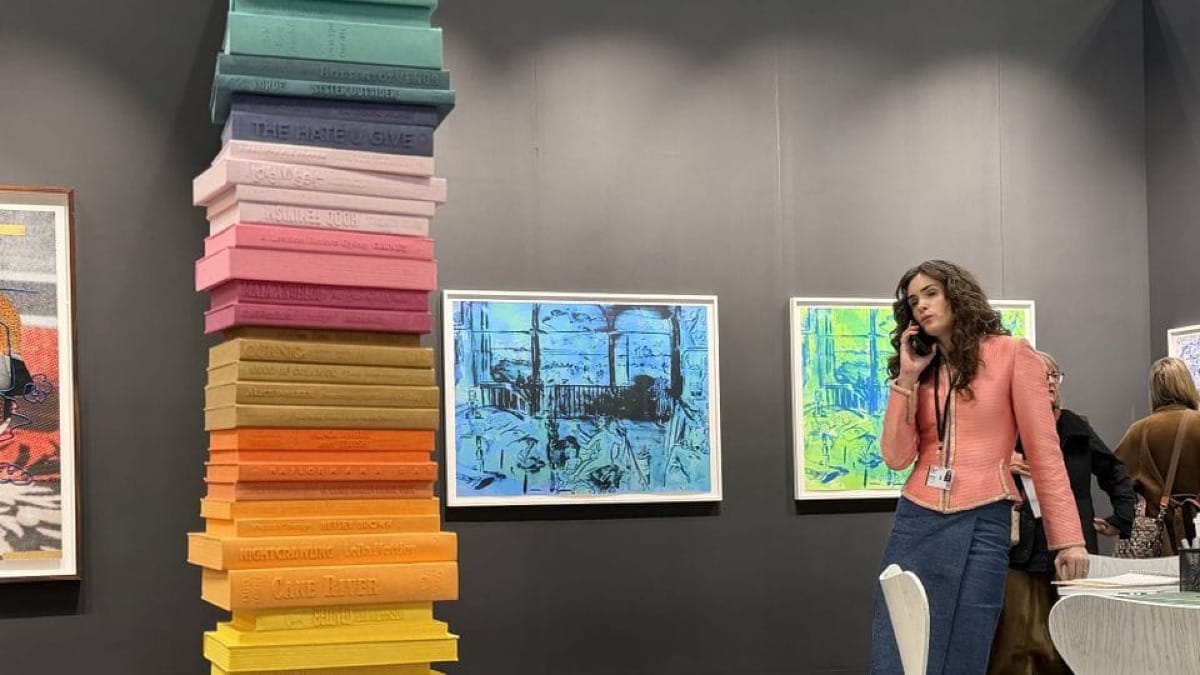
The tone for the week was set early during the crowded press preview for the Armory Show. Amid the sea of gallerists, collectors, and media professionals, an encounter between Editor-in-Chief Hakim Bishara and a prominent curator captured the sometimes absurd intersection of personal fitness, career ambition, and art world economics. After an initial exchange regarding how great the curator looked, the curator remarked, "Thank you, I’ve been obsessed with money and lifting weights." When questioned on the fixation, the curator quickly clarified, "No, I said I’m obsessed with RUNNING."
That fleeting joke about wealth and wellness underscored the underlying financial anxieties and ambitions that frequently animate major commercial art events. On the exhibition floor itself, this year’s edition of the Armory Show felt notably quiet and downcast. The atmosphere was subdued to the point that a concurrent financial sector trade show operating on the floor below felt like a riotous celebration by comparison, highlighting the distinct pulse—and occasional stagnation—of the commercial art market.
Stepping outside the insulated world of the fair immediately thrust visitors into the unfiltered socio-economic realities of New York City. Walking past the New Museum on the Lower East Side, which had just opened a major retrospective dedicated to Arthur Jafa, the juxtaposition between high culture and urban poverty was stark. Just a few feet from the museum’s sleek new glass expansion, a group of individuals struggling with severe addiction drifted in and out of consciousness. One person rolled slowly across the concrete sidewalk in slow motion, wailing breathlessly with an extinguished cigarette held between their fingers. Another sat slumped on a nearby stoop, swatting away an imaginary fly, while a third remained completely frozen in place, hunched over a battered suitcase.
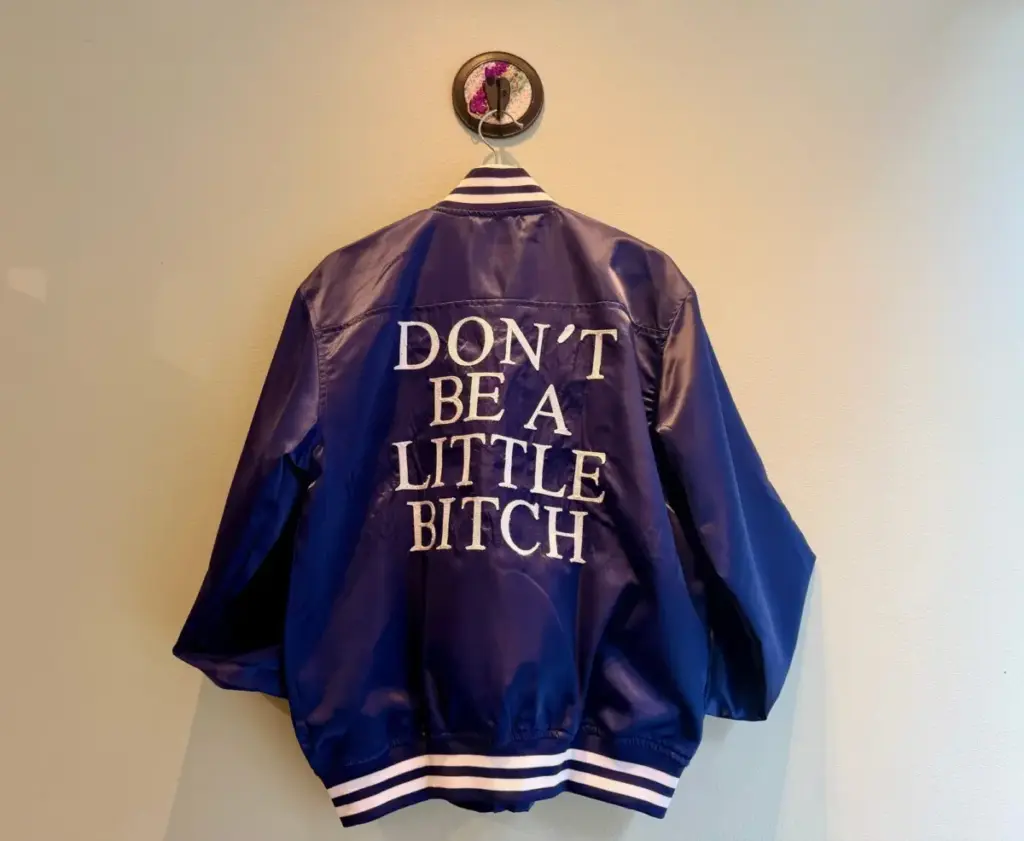
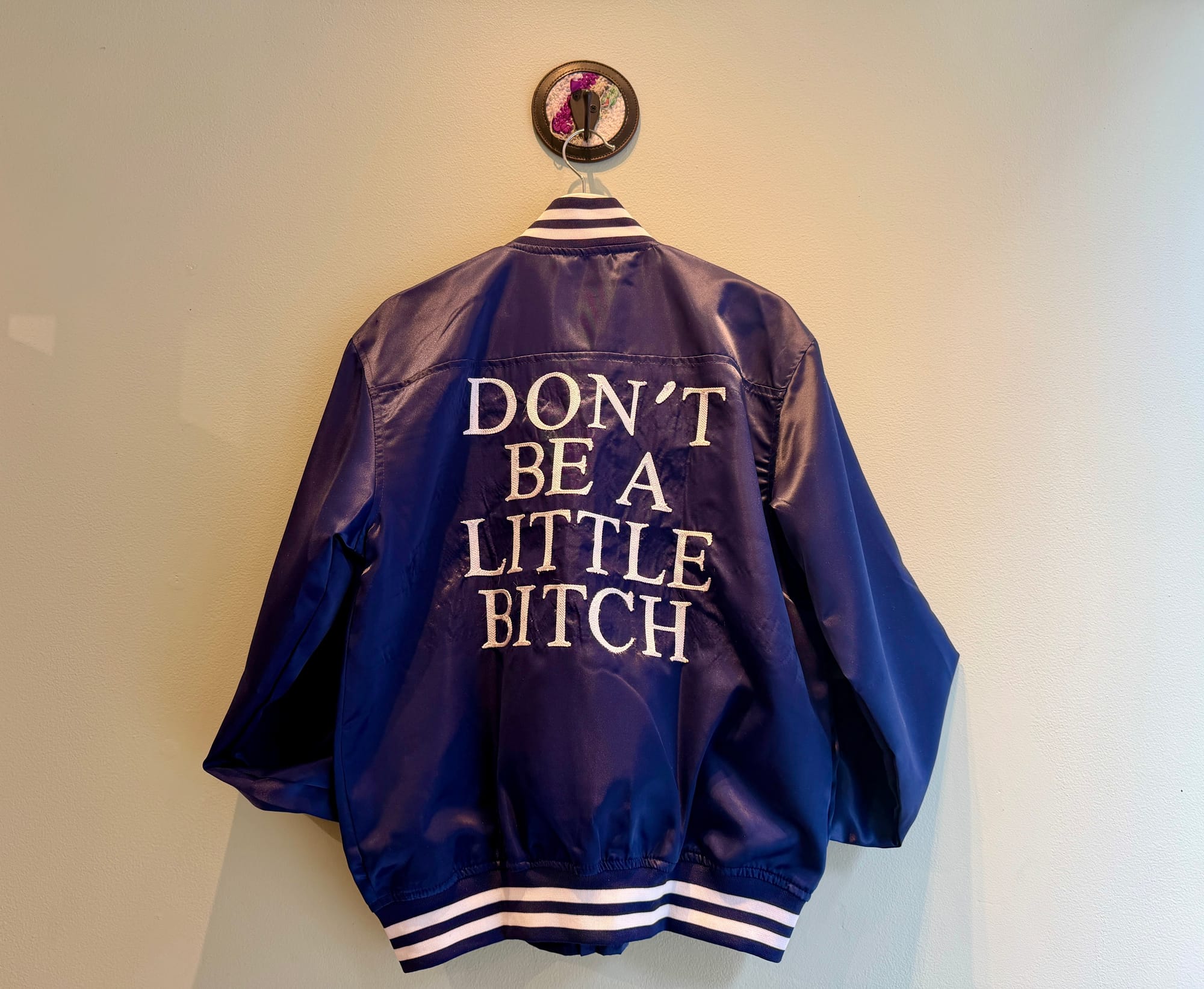
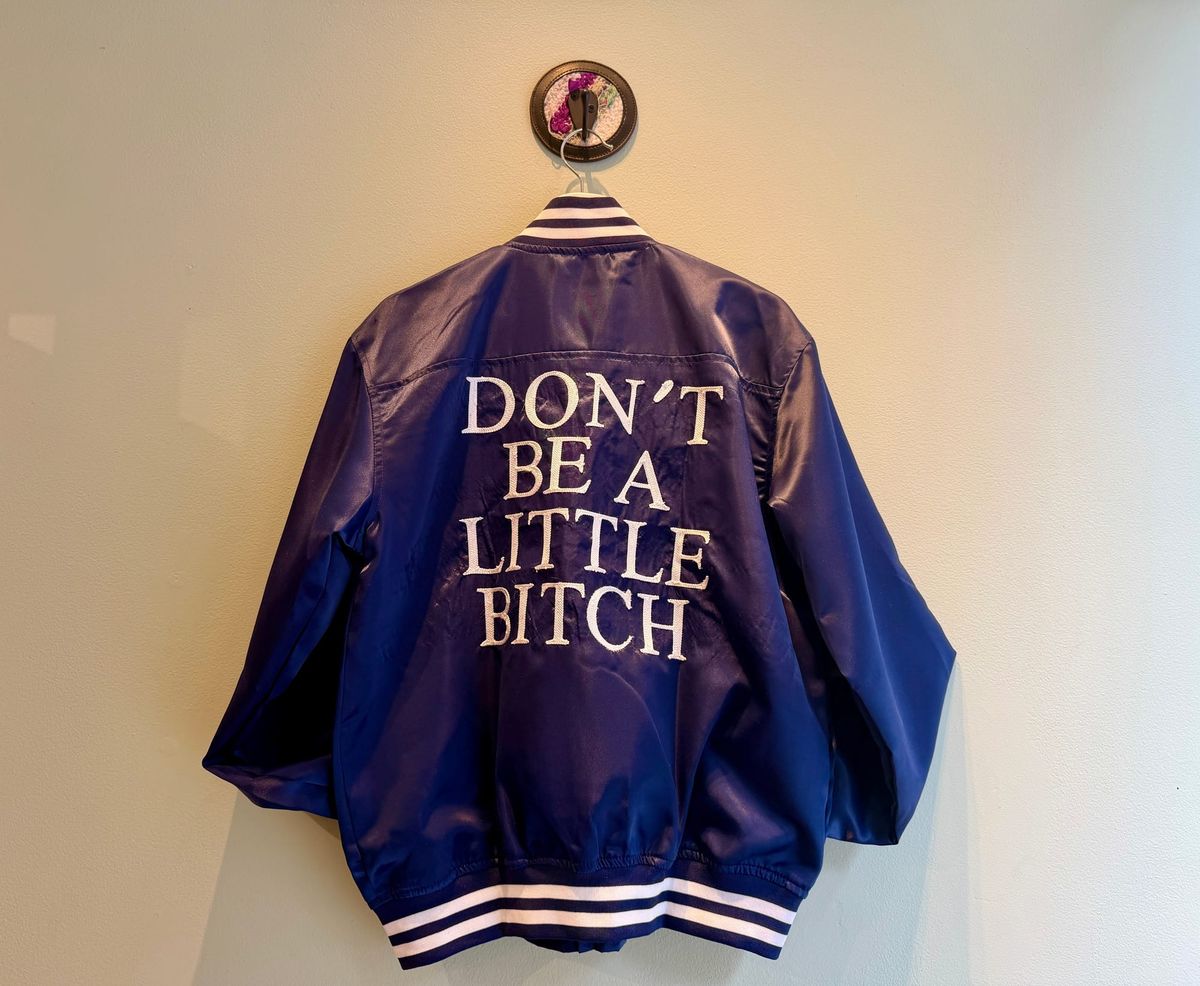
These scenes unfolded against the backdrop of changing autumn winds. While the trees had yet to shed their leaves, the season lent a distinct, melancholic beauty to the city, particularly along the Harlem River. There, the Manhattan skyline shimmered behind a quiet cemetery under a moon sliced cleanly in half like a black-and-white cookie. Elsewhere in the city, the vignettes of daily urban life continued unabated: a woman reading Flannery O’Connor with a look of impending sorrow, a photographer trailing a smiling couple, and a boutique store window displaying a jacket embroidered with the blunt motivational directive, "Don’t be a little bitch." When the clerk offered a chance to try it on, the response was simple: "No, thanks. I’m just looking."
Armory Week and New York City Exhibitions
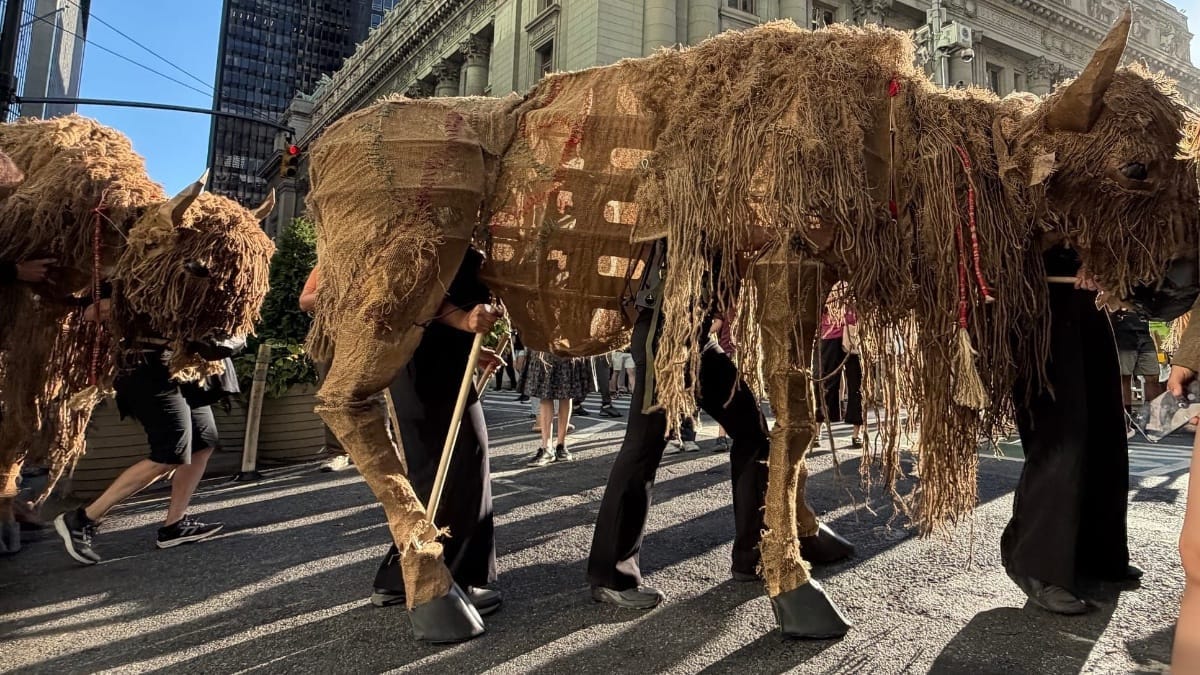
Beyond the fairgrounds, the city’s cultural calendar was packed with events tracing local history, radical performance, and alternative visual cultures. Among the notable public gatherings was a Buffalo puppet procession that wound its way through the streets of New York City, tracing Indigenous and Native histories through striking, large-scale public performance art.
At the Morgan Library & Museum, an exhibition titled Tarot for a Broken World offered visitors a rare look at some of the oldest surviving tarot decks in existence. The showcase examined how a Renaissance-era card game evolved over centuries into a powerful visual and cultural lexicon for divining meaning in times of crisis. Meanwhile, Leah Triplett Harrington explored the legacy of Fluxus pioneer Alison Knowles in a retrospective examining the expansive language of bookmaking in her work and its profound, radical influence on American art.
Further expanding the scope of local art events, Danielle De Jesus reported from the annual Bushwick Open Studios. Her first visit to the open studio weekend revealed towering canvases exploring the complexities of the inner child, diasporic tributes celebrating Filipina culture, and luminous portraits documenting an artist’s trans community, highlighting the vibrant grassroots energy thriving in Brooklyn’s studio spaces.
From Our Critics: The Venice Biennale and Beyond
On the international stage, critical debate reached a fever pitch regarding the 61st Venice Biennale, which runs through November 22. In the first installment of a two-part critical series, Hyperallergic Editor-at-Large Hrag Vartanian and critic Aruna D’Souza celebrated their favorite national pavilions while mounting a provocative argument in defense of the national pavilion structure.
In the second and final installment of the series, however, the critics took off their gloves to dissect the national pavilions that fell short, while debating the entries upon which they remained deeply split. The resulting discourse offered a sharp, unsparing assessment of international contemporary art diplomacy and curation on a global scale.
Features and Guides
The season’s features also delved into unexpected corners of art history and contemporary practice. Among the most discussed pieces was an exploration of the titillating tale behind Damien Hirst’s infamous "gay hole," shedding light on lesser-known narratives within the provocative artist’s extensive career.
As the season progresses, critics and guides continue to map out essential viewing for art enthusiasts across the country. A newly released guide highlights 10 major public artworks to see across the United States this fall, encouraging audiences to engage with monumental creative works installed in open-air civic spaces. Additionally, ongoing discussions around professional survival in the arts addressed a perennial existential question for creators: if an artist maintains a demanding day job, does that make them any less of a real artist? Through expert advice and reflections, the publication continues to parse the economic pressures and creative identities defining the modern art world.