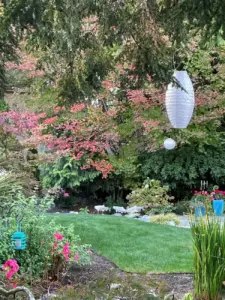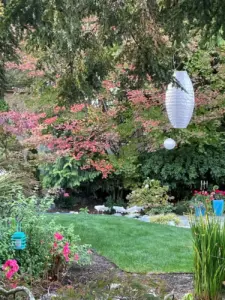
When landscape designer Nina Mullen approached the large property at Skyline Meadow Farm in Oakland, California, she knew she was facing a formidable set of environmental obstacles. Every single plant chosen for the expansive grounds had to be tough enough to survive conditions that would quickly defeat more delicate specimens: relentless coastal winds, heavily compacted clay soils, searing, unshielded sun, and the persistent threat of recurring drought.
Instead of relying on heavy irrigation and fragile exotics, Mullen curated a resilient palette that combines hardy California natives alongside time-tested Mediterranean selections and drought-adapted ornamentals. The result is a landscape that delivers year-round visual interest while actively supporting the region’s native pollinators and conserving the local water table. Transforming a challenging property into a functional and breathtaking landscape requires a careful balancing act between aesthetic appeal and ecological endurance, proving that water-wise gardening does not mean sacrificing color, texture, or life.
Designing for Resilience in the Bay Area
The philosophy behind Skyline Meadow Farm centers on the concept of working with the environment rather than fighting against it. Bay Area gardens frequently contend with poor soil structure and erratic precipitation patterns, making water conservation a top priority for modern landscape design. By selecting plants adapted to rigorous conditions, designers can establish resilient green spaces that endure through dry spells while offering constant seasonal shifts in color and form.
The carefully selected plant palette at Skyline Meadow Farm demonstrates how diverse textures and blooming cycles can coexist within a single sustainable ecosystem. From architectural trees to low-growing ground covers, each species plays a specific functional and aesthetic role in the broader landscape design.
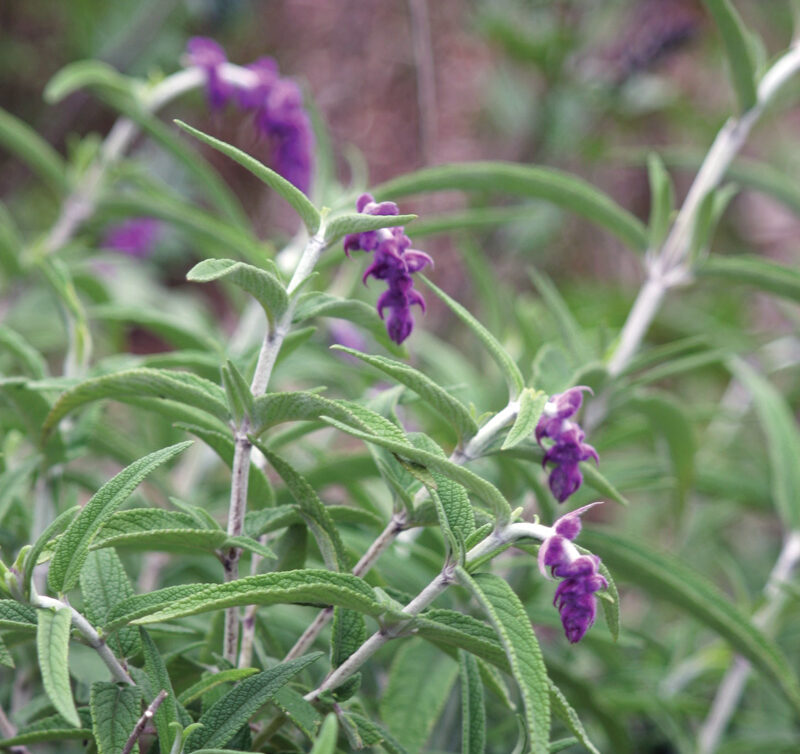
‘Santa Barbara’ Sage
Among the standout choices in the Oakland landscape is the ‘Santa Barbara’ sage, a fragrant subshrub prized for its soft, silvery foliage and delicate whorls of lavender flowers. This plant brings a relaxed, coastal beauty to the garden that immediately evokes the wild, windswept hillsides of the California coast. Beyond its striking appearance, the grey-green foliage reflects harsh sunlight and helps the plant retain moisture, making it exceptionally well-suited to dry summers and poor soils. Its aromatic presence also acts as a magnet for local pollinators, bringing a dynamic layer of life to the garden borders.
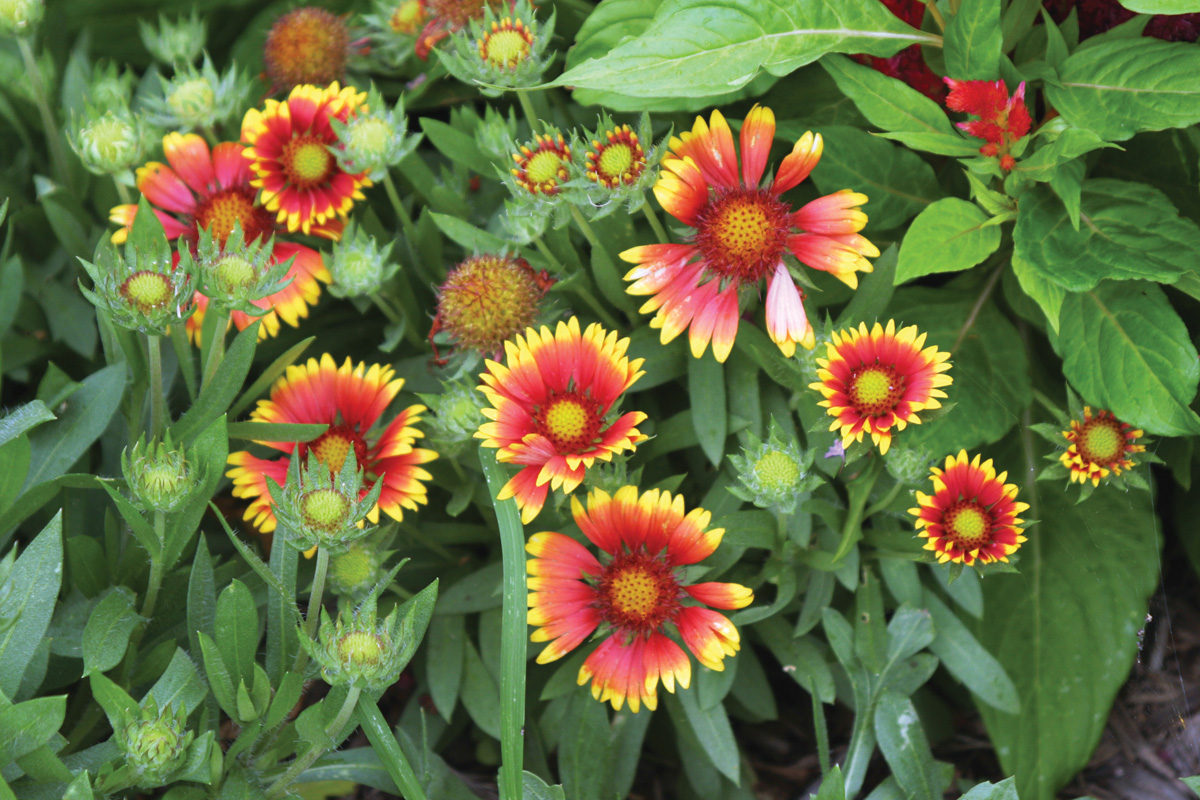
Firewheel
Adding a burst of high-impact color to the landscape, firewheel introduces vibrant shades of red, orange, and yellow to the planting beds. Whether grown as a reliable annual or a short-lived perennial, this striking flower thrives in harsh conditions where other ornamentals might wither. Its cheerful, daisy-like blossoms catch the eye and bloom profusely, providing a reliable source of seasonal color that stands up brilliantly to intense sun and minimal watering.
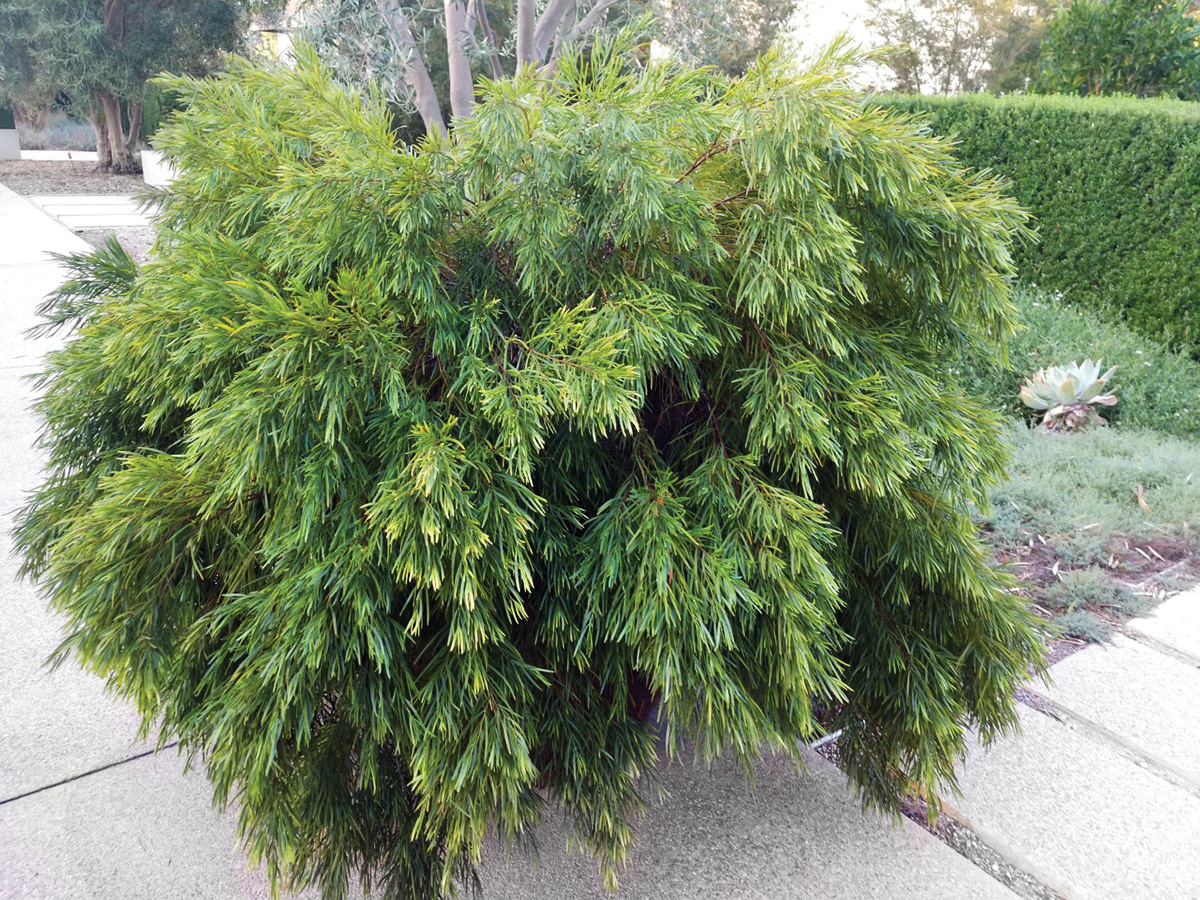
‘Cousin Itt’ Acacia
For structural contrast and a touch of whimsy, the garden incorporates ‘Cousin Itt’ acacia. This unusual little shrub features cascading, fine-textured blue-green foliage that forms an unmistakable, dense, mop-like mound. It offers a wonderful softness and playful textural contrast when planted along garden borders, steep slopes, and retaining walls. Its trailing habit helps soften hard architectural lines while maintaining a neat, contained footprint that requires very little maintenance once established.
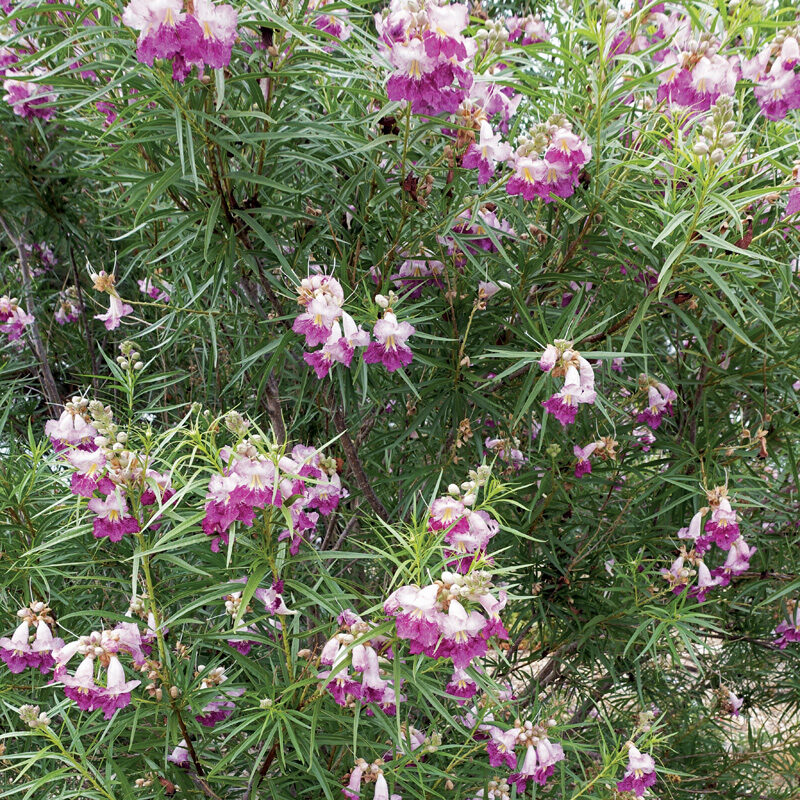
Desert Willow
Rising into the canopy layer, the desert willow provides height and a delicate shade structure without demanding heavy irrigation. This deciduous small tree is prized for its extravagant, orchid-like blooms in soft shades of pink, lavender, and white. Its flowering season is remarkably long, repeating in waves from late spring all the way through the fall months. This prolonged bloom cycle makes it an invaluable food source for hummingbirds and other nectar-seeking wildlife throughout the growing season.
Western Redbud
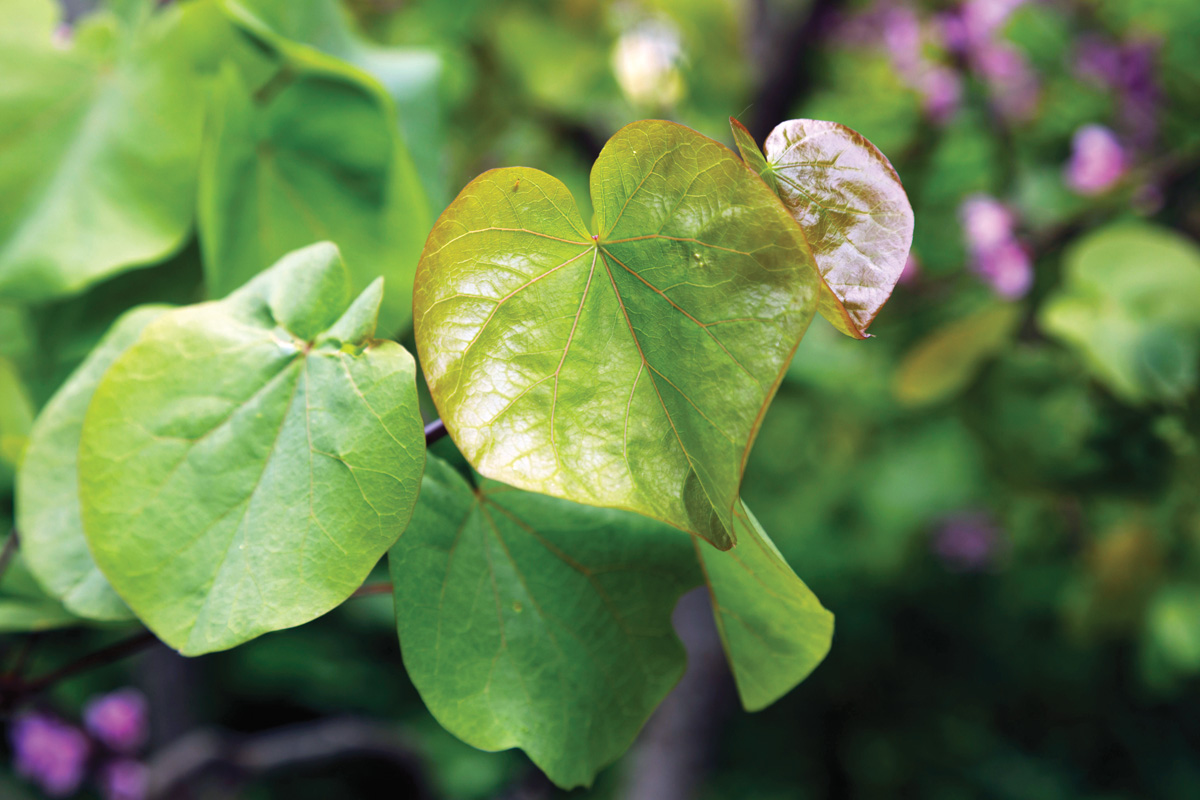
Another local standout in the landscape is the western redbud, a native tree celebrated for its brilliant seasonal transformation. In early spring, before its leaves even emerge, vibrant magenta flowers erupt in dense clusters directly along the bare branches. This striking floral display is followed by attractive, heart-shaped foliage that matures through the summer and finishes with rich, warm fall color. Remarkably, this native species adapts well to heavy clay soils, making it a reliable choice for challenging urban and suburban sites.
Variegated Italian Buckthorn
To create structure, privacy screens, and effective windbreaks quickly, the design utilizes the variegated Italian buckthorn. This upright, densely branched evergreen shrub features deep green foliage edged in crisp white, creating a bright and clean visual presence. The foliage holds its color and integrity even through extended periods of drought, offering a dependable green backdrop that shields the property from wind and prying eyes alike.
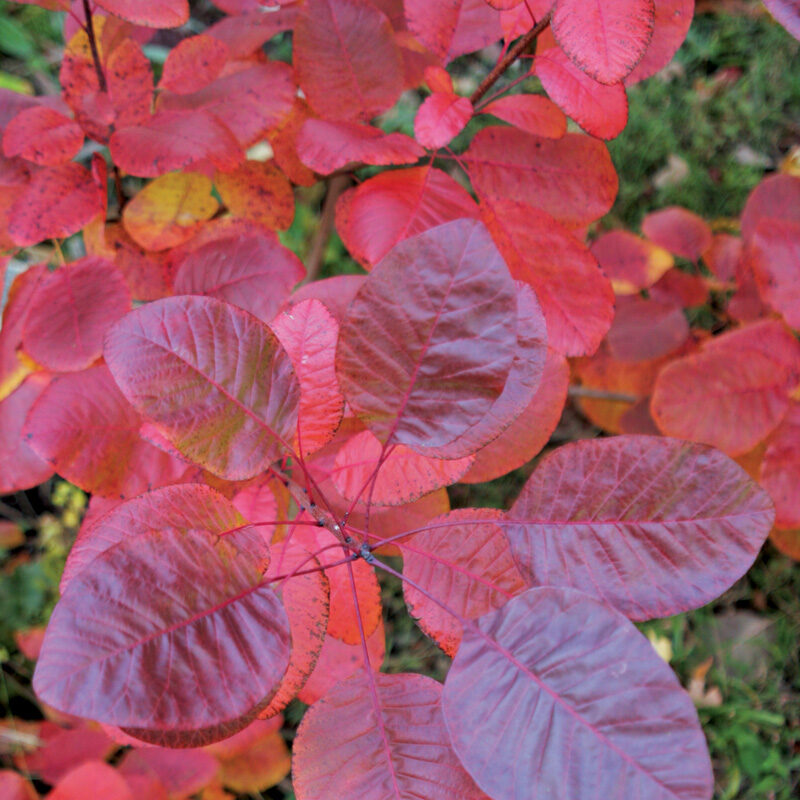
‘Grace’ Smokebush
Bringing drama and scale to the planting beds, ‘Grace’ smokebush introduces large, deep wine-red leaves that provide intense color contrast from spring onward. In the summer months, the shrub produces billowing clouds of smoky pink plumes that create a soft, ethereal texture in the garden. This dual display of bold foliage and delicate flower clusters delivers high-impact visual drama on a grand scale while remaining remarkably tough in dry conditions.
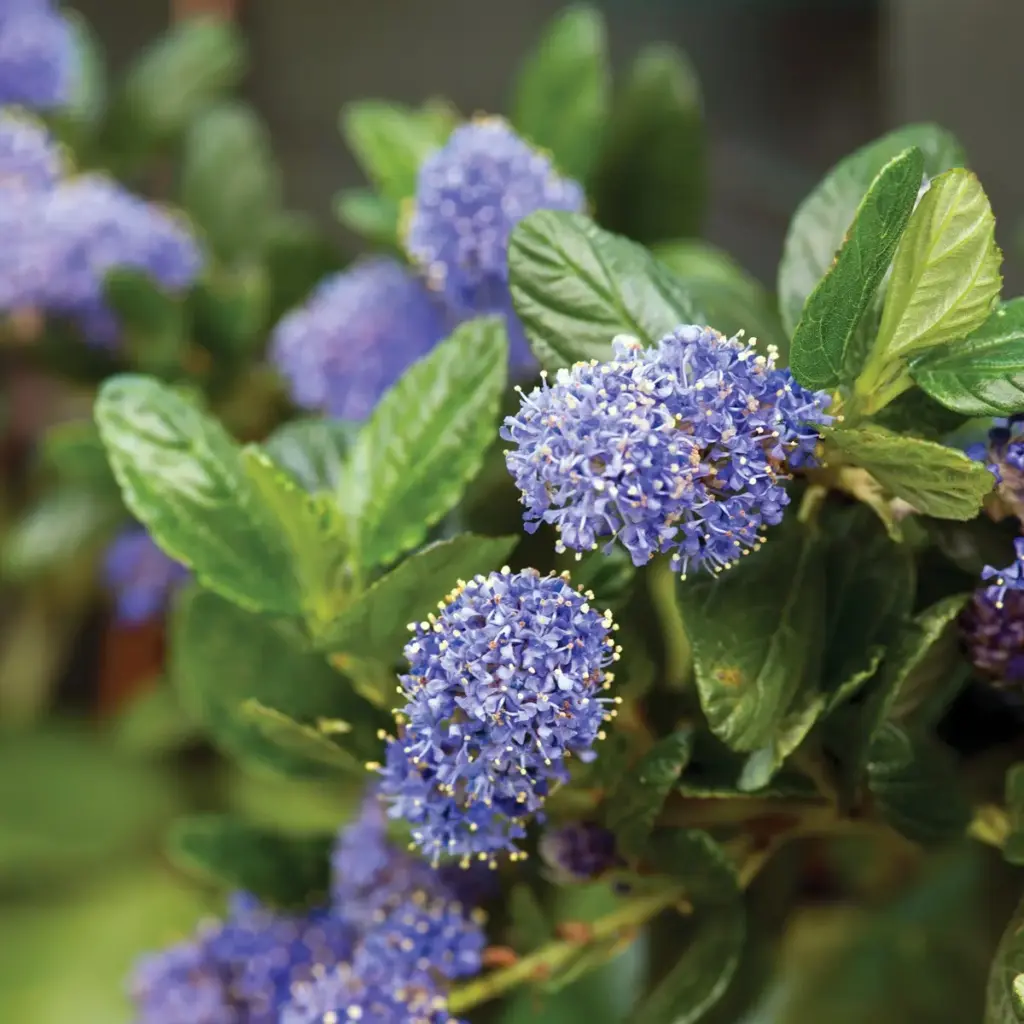
‘Yankee Point’ California Lilac
For covering ground and stabilizing slopes, ‘Yankee Point’ California lilac serves as an exceptional spreading, fast-growing ground cover. Each spring, the plant becomes smothered in deep powder-blue flowers that create a stunning floral carpet. Beyond its aesthetic appeal, this dense grower effectively suppresses weeds, anchors vulnerable soil on slopes, and provides essential habitat for native pollinators, all while demanding minimal irrigation once established.
‘Marina’ Strawberry Tree
Rounding out the woody plant selections is ‘Marina’, an evergreen hybrid tree that offers spectacular multi-season interest. The tree is immediately distinguished by its smooth, cinnamon-red peeling bark, which provides striking architectural interest through the winter months. Throughout the year, it produces clusters of urn-shaped pink flowers alongside strawberry-like red fruits, serving as a magnificent specimen tree or a large privacy screen that thrives with minimal water.
The integration of these resilient species at Skyline Meadow Farm highlights a growing movement toward functional, climate-adapted landscape design. By choosing plants that can withstand wind, clay, sun, and drought, property owners can cultivate vibrant, living ecosystems that celebrate regional beauty while conserving vital natural resources.