For generations, the backyard garden shed has served a singular, utilitarian purpose: a dusty outbuilding relegated to housing lawn mowers, bags of potting soil, garden hoses, and rusty hand tools. However, as modern homeowners face changing living dynamics, remote work adjustments, and a growing desire for functional domestic extensions, the traditional backyard structure is undergoing a profound architectural and lifestyle evolution. Across neighborhoods, property owners are looking past shovels and rakes, recognizing that a well-crafted garden shed can serve as a versatile foundation for a wide range of extended living spaces.

Property experts and manufacturers note that the modern demand for extra square footage has driven a surge in imaginative backyard conversions. Rather than committing to costly and disruptive home additions or major house renovations, families are increasingly turning to sustainable, pre-built or DIY-kit structures—particularly those constructed from durable Western Red Cedar—to unlock hidden potential just steps from their back doors. From dedicated remote workspaces and creative hobby rooms to family rec spaces, poolside retreats, and outdoor entertainment hubs, the humble garden shed is rapidly becoming an essential extension of contemporary domestic life.
At the heart of this trend is the adaptability of natural timber structures, which offer a warm aesthetic and structural longevity that outpaces traditional metal or vinyl storage units. Industry manufacturers, including companies like Outdoor Living Today, emphasize that structures handcrafted from sustainably sourced Western Red Cedar provide an ideal structural base due to the wood’s inherent resilience. Known for its natural resistance to decay, moisture, and insect damage, cedar provides a reliable envelope that can be insulated, wired for electricity, and customized with interior finishes to handle year-round use in diverse climates.
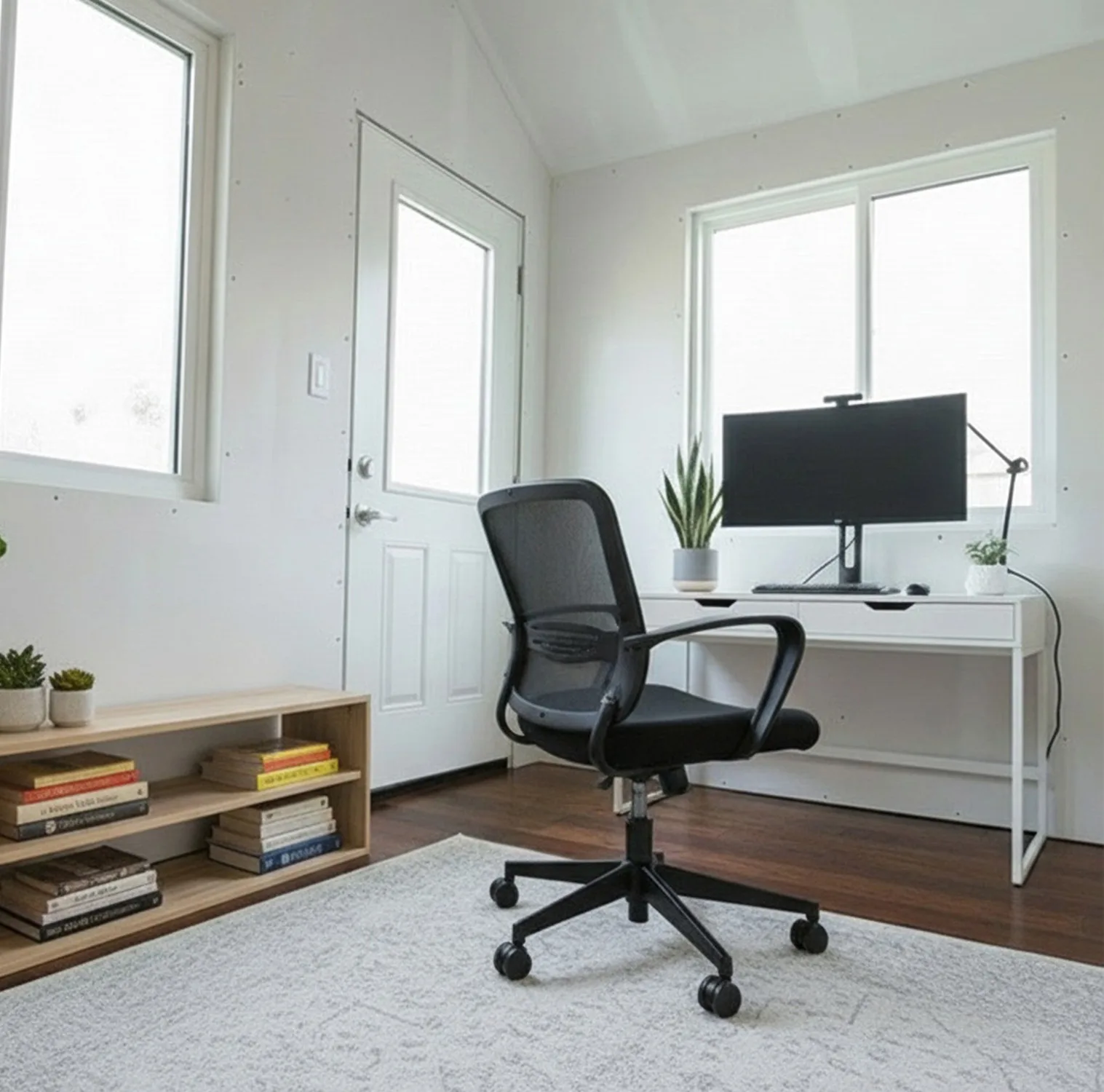
The push toward reimagining these outdoor buildings is driven largely by the realities of modern remote work. Working from home has introduced a unique set of daily friction points for professionals trying to maintain productivity in shared domestic environments. Household distractions—ranging from children playing and doorbells ringing to the constant temptation of the household kitchen just down the hall—can severely disrupt deep focus and professional boundaries.
To combat this, a growing number of remote workers are converting cedar garden sheds into dedicated backyard offices. Establishing a commute that spans just a few yards across the lawn creates a vital psychological separation between professional responsibilities and domestic life. These outbuildings offer the acoustic privacy and natural beauty necessary to foster calm and concentration. When outfitted with proper insulation, heating, cooling, and customized interior decor, a cedar shed office transforms into a professional environment that operates independently of the main residence while remaining conveniently close at hand.
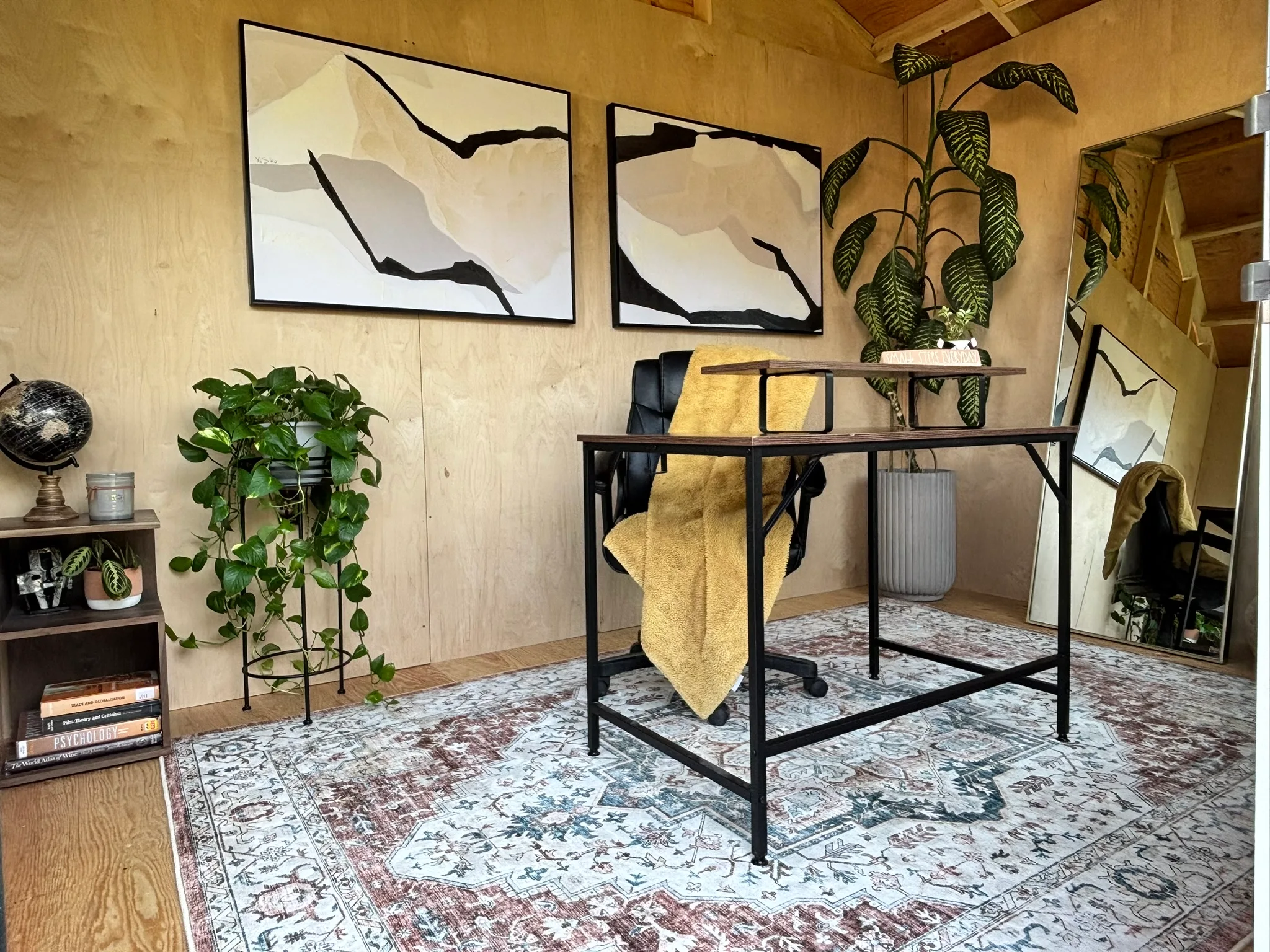
Beyond professional pursuits, the pressure on interior home space has fueled the popularity of personalized domestic retreats, often referred to colloquially as "she sheds," "man caves," or dedicated family recreation rooms. In households where main living areas feel crowded or where family members have competing leisure interests, a small cedar outbuilding provides an accessible sanctuary. These spaces allow individuals to escape after a long day to read in quiet, pursue specialized hobbies, or watch sports broadcasts and entertainment without interrupting household routines or requiring a full-scale interior remodel.
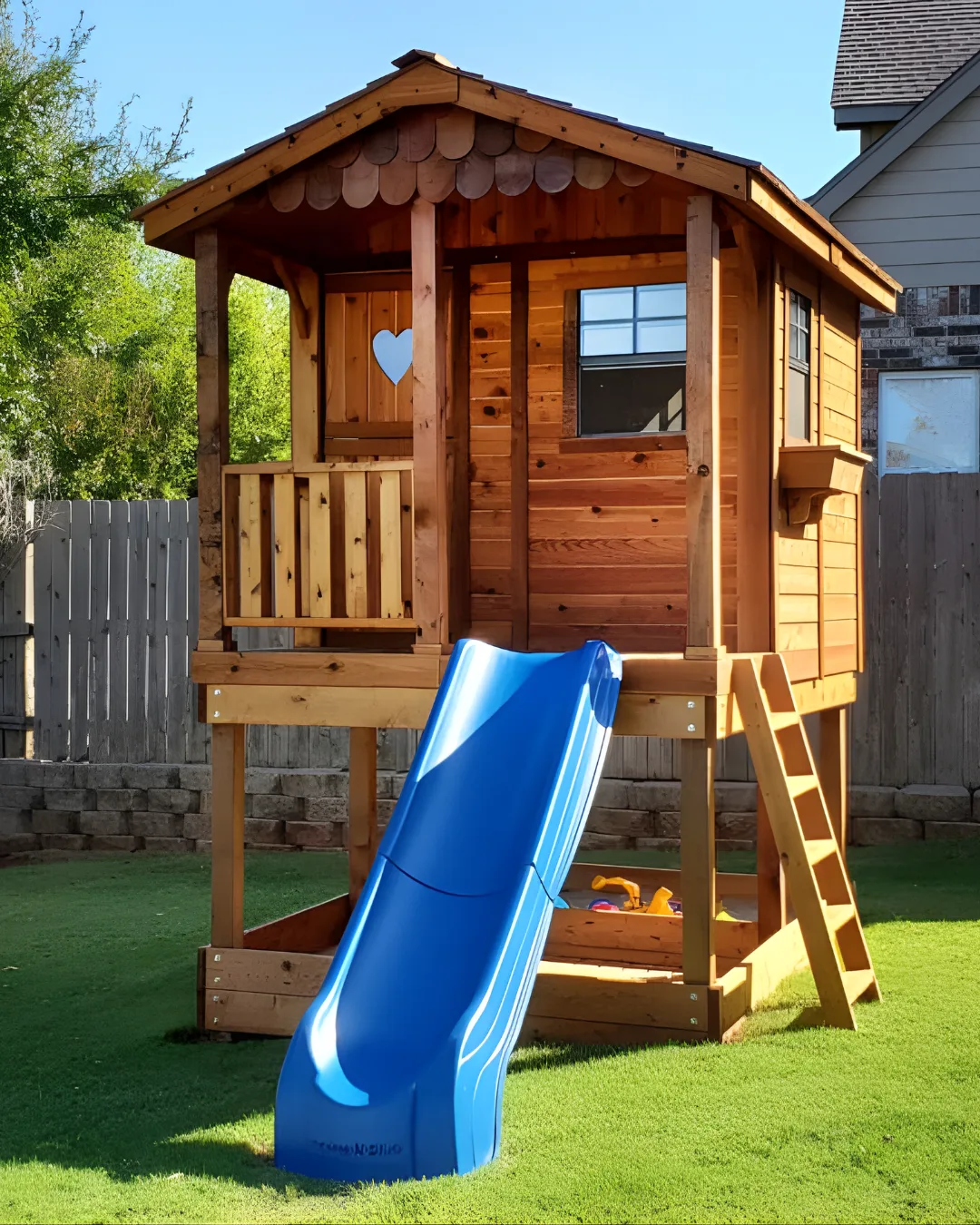
For families with children, the backyard cedar shed is also finding new life as an adaptable playhouse that can evolve alongside growing kids. Rather than purchasing plastic, short-lived play structures, homeowners with basic DIY skills are outfitting cedar sheds with durable flooring, secure windows, low-profile cabinetry, and child-safe electrical wiring to create dedicated play spaces. Because Western Red Cedar naturally resists environmental wear without relying on harsh chemical treatments, parents can establish a safe, long-lasting indoor-outdoor environment where children can store toys, engage in arts and crafts, or set up reading corners that remain functional through changing seasonal weather.
The trend extends further into outdoor entertaining and leisure, particularly for property owners who frequently host guests. In warmer months, transforming a cedar shed into an outdoor bar or auxiliary kitchen can completely change the dynamic of backyard gatherings. By incorporating a serving counter, a compact refrigerator, and shelving for glassware and meal-prep essentials, hosts can keep outdoor parties running smoothly without making endless trips back and forth to the primary kitchen during a barbecue. Extending the roof overhang of the structure creates a shaded, architectural serving window that shelters guests and adds a sophisticated focal point to the backyard landscape.
Similarly, properties featuring swimming pools or backyard hot tubs are increasingly utilizing cedar structures as dedicated pool houses. A cedar changing and utility room solves a common logistical challenge for homeowners, offering guests a clean, private space to change clothes, dry off, and store towels without tracking water, mud, or chlorine through the main house. The natural oils present in Western Red Cedar make it exceptionally well-suited for high-moisture environments near water features, ensuring the building retains its structural integrity and aesthetic appeal through repeated seasonal exposure.
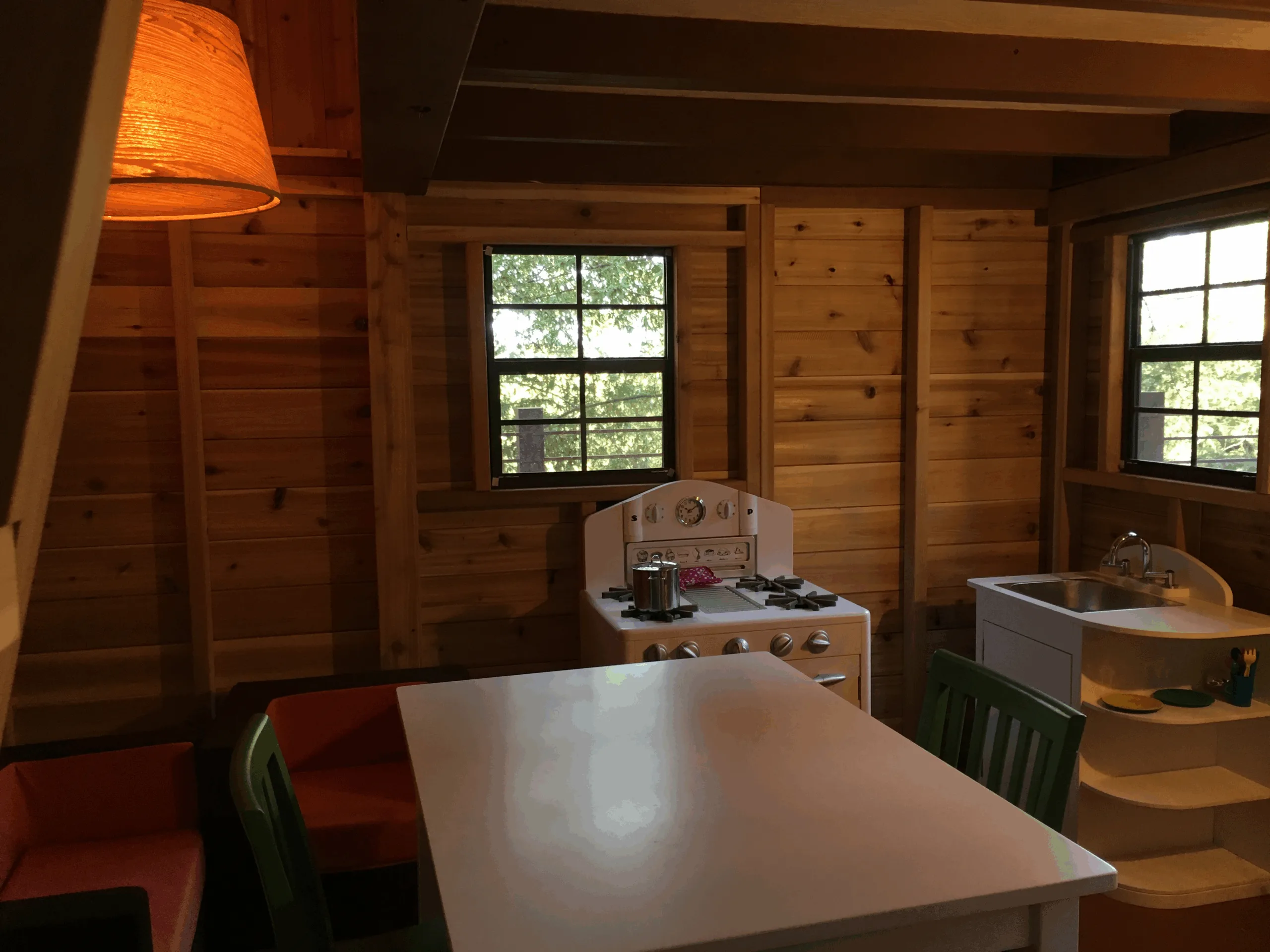
Proponents of these backyard transformations point out that a garden shed no longer needs to be a hidden, purely functional utility box tucked away in a corner of the property. With thoughtful design, proper insulation, and quality materials, these structures can bridge the gap between indoor comfort and outdoor living. As homeowners continue to seek creative, cost-effective ways to maximize their residential property footprints, the adaptable Western Red Cedar shed offers a sustainable and stylish solution that redefines how families live, work, and relax just beyond their back doors.