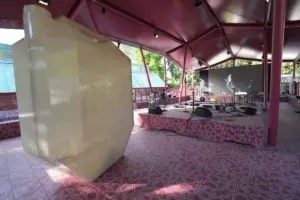
In the rapidly shifting landscape of the contemporary art market, where the speed of transactions often threatens to eclipse the depth of artistic inquiry, the Stefani Art Gallery is carving out a distinct, patient, and deeply thoughtful path. Based in Salem, Oregon, the institution is positioning itself not merely as a commercial venue for art sales, but as a holistic ecosystem dedicated to the preservation of history, the support of living artists, and the cultivation of long-term relationships between collectors and the works they acquire.
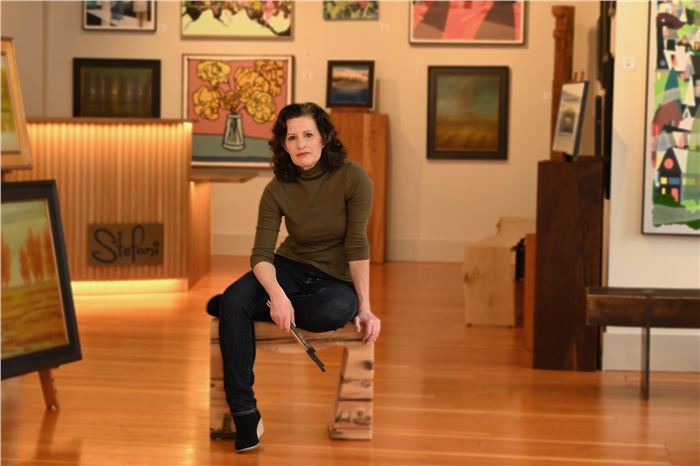
Cultural stewardship, as defined by the gallery’s leadership, is a multi-faceted commitment that transcends the simple act of exhibiting or selling a piece of art. It is a philosophy that begins with the intentional selection of work, extends into the meticulous preservation of historical archives, and matures through the ongoing support of artists and the sharing of knowledge. At the heart of this endeavor is the House of Stefani, an integrated network directed by Christina Stefani—an artist, curator, photographer, and designer whose multifaceted background informs every aspect of the organization’s operations.
A Holistic Ecosystem of Art and Preservation
The House of Stefani represents a rare synthesis of creative disciplines. Within this model, the boundaries between the studio, the gallery, and the research department are intentionally porous. By integrating the act of making with the art of presenting, the organization ensures that the context surrounding a piece of art is never lost. The gallery serves as the bridge between creators and collectors; the publishing and research arms provide the historical foundation; and the burgeoning House of Stefani Arts & Cultural Foundation serves as the long-term guardian of legacy, education, and institutional responsibility.
What truly distinguishes this approach is a deliberate recalibration of the "sense of time." Whether the gallery is working with a contemporary artist at the beginning of their career or managing a fragile, seventy-year-old photographic archive, the fundamental question that guides their decision-making remains consistent: What is worth carrying forward?
For Christina Stefani, the process of cultivating a collector is an exercise in listening rather than persuasion. The gallery discourages the pressure-filled tactics often associated with the art market, instead encouraging patrons to develop their own aesthetic language. "Meaningful collecting begins with a work you keep returning to," she suggests. By encouraging collectors to slow down, look closely, and engage with the artist’s history, the gallery fosters a deeper, more sustainable connection. The goal is to move beyond the market cycle and into the realm of the personal—where a work of art becomes a fixture of one’s daily life, witnessed in the morning light and cherished over decades.
Before the Water Rose: A Window into 1956
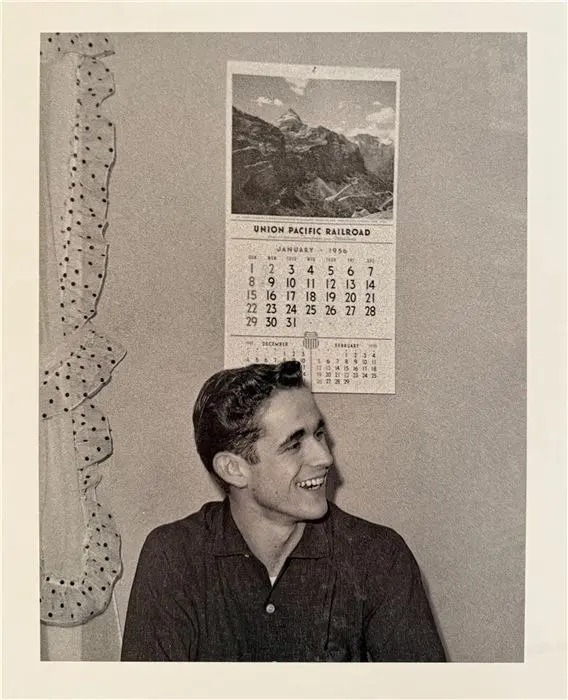
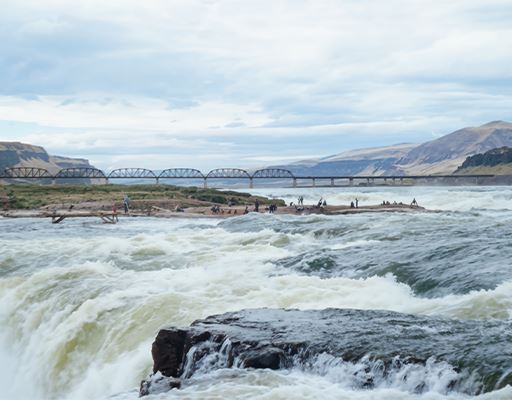
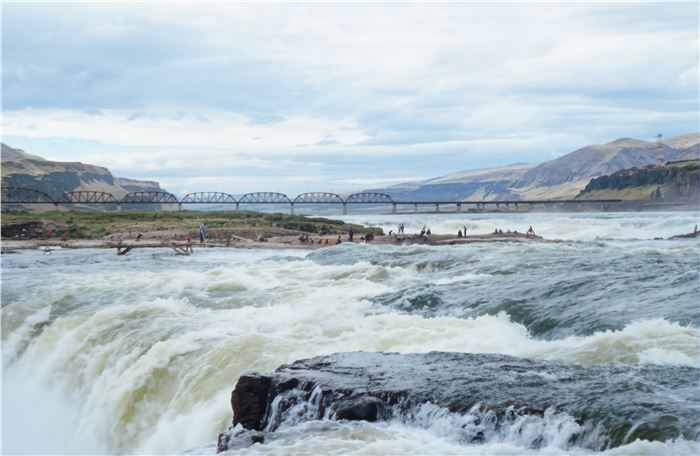
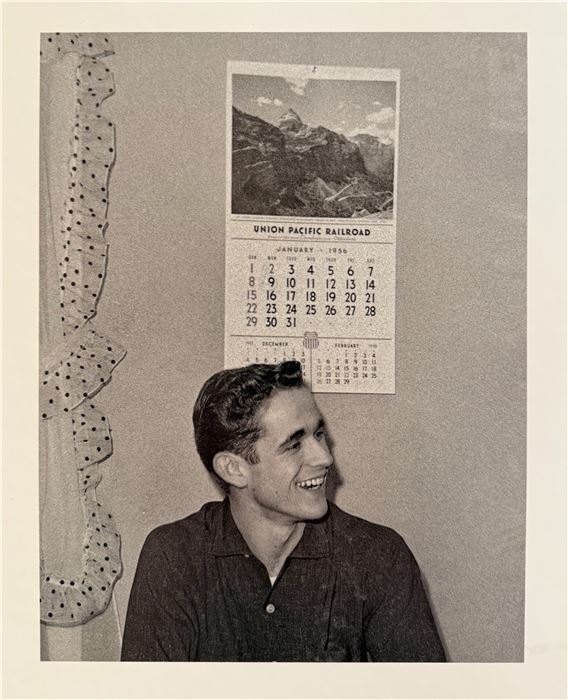
The gallery’s latest exhibition, Before the Water Rose: Celilo Falls, 1956, serves as a powerful testament to this commitment to historical responsibility. The collection of images was not a strategic acquisition, but rather a discovery of an extraordinary personal archive. In the autumn of 1956, a twenty-three-year-old Richard Stefani traveled to the legendary Celilo Falls with two cameras and a handful of color film rolls. He was not a professional documentarian at the time, yet he possessed an intuitive eye for the gravity of the moment. Shortly after his visit, the falls—a site of profound cultural and economic significance to the indigenous peoples of the Columbia River—were submerged by the reservoir created by The Dalles Dam.
Nearly seven decades later, the twenty-three surviving color negatives from that trip have been brought together for the first time. The exhibition is an act of careful, respectful stewardship. The gallery recognizes that its role is not to impose a modern narrative onto these historical documents, but to act as a custodian, providing context while allowing the images to speak for themselves.
The exhibition is deeply mindful of the complex history of the region. The gallery consciously avoids the trap of romanticizing the past or turning the subjects of the photographs into mere symbols of a "vanished world." Instead, it highlights the humanity of the individuals captured in the frames—people who were living, working, and thriving in a community whose traditions, treaty rights, and enduring relationship with the Columbia River persist today, despite the physical alteration of the landscape. By remaining precise about what is known and what remains mysterious, the gallery creates space for Indigenous voices and histories to exist alongside the archive.
Craft and the Ethics of Provenance
The care applied to the Celilo Falls archive reflects a broader ethos regarding how art is handled and presented. The gallery maintains that every decision—from the initial research to the final exhibition print—becomes part of the work’s permanent history. This is particularly evident in their fine art editions, which are kept small, utilizing the highest caliber of archival materials. For the Stefani Art Gallery, provenance is not merely an administrative detail to be filed away; it is an essential component of the artwork itself.
Richard Stefani’s own life as a creator was defined by a quiet, rigorous pursuit of technique. He believed that the artist’s craft should ultimately disappear into the service of the image, allowing the content to resonate with the viewer without distraction. This principle remains the cornerstone of the gallery’s exhibition strategy: the work must endure because of its inherent truth and the strength of the visual language the artist has developed.
Place, Placement, and Global Reach
While the gallery is physically rooted in Salem, Oregon, it rejects the notion that a regional focus limits a work’s universality. In fact, the gallery argues that the more specific a story is, the more profound its potential for universal resonance. The photographs of Celilo Falls speak to broader, timeless themes: the nature of memory, the beauty of the landscape, the inevitability of technological change, and the cultural continuity of a people.
As a partner to the global art community, the gallery bridges the gap between local history and international audiences. For a collector thousands of miles away, the specificity of the Columbia River becomes a gateway to a larger, more immediate human experience. When it comes to the "intentional placement" of such works, the gallery relies on an advisory approach rooted in architecture, lighting, and spatial proportion. Christina Stefani’s background in design allows her to help collectors understand how a work of art interacts with their environment, though she is quick to note that the connection to the art must always precede the logistical decisions of scale and color.
Looking Toward the Future: A Tripartite Vision
The future of the Stefani Art Gallery is built on the belief that meaningful art is sustained by community and professional structure. Beyond the gallery space, the expansion of the House of Stefani’s Curatorial Program aims to provide working artists with the resources, education, and peer networks necessary to sustain a long-term practice, independent of the volatility of the commercial market.
Simultaneously, the House of Stefani Arts & Cultural Foundation is formalizing its commitment to the public good. Through research, philanthropic support, and educational programming, the Foundation seeks to ensure that the knowledge surrounding significant works is preserved and made accessible. These three pillars—the commercial gallery, the professional curatorial program, and the nonprofit foundation—are designed to be complementary. They function as an ecosystem intended to serve not just the next exhibition, but the next generation of collectors, artists, and historians.
By treating art as a long-term investment in culture rather than a short-term asset, the Stefani Art Gallery is defining a new standard for what it means to operate a gallery in the twenty-first century. It is a model built on the slow, deliberate work of listening, preserving, and honoring the stories that deserve to be carried forward.