When it comes to backyard structures, the longevity of a shed often depends on factors hidden entirely from view. Addressing a common pain point for homeowners and DIY enthusiasts alike, Outdoor Living Today has published a comprehensive resource aimed at removing the guesswork from building a sturdy, level base. According to the company, a solid foundation is the absolute key to ensuring a shed remains durable, weather-resistant, and visually appealing for years to come.
Whether a homeowner is a seasoned do-it-yourself professional taking on a weekend project or a complete first-timer unboxing their very first kit, navigating the initial phase of construction can often feel daunting. To alleviate this confusion, the newly detailed guidance walks builders through clear, foundational preparations and outlines three distinct options to suit a variety of landscapes, budgets, and skill levels.
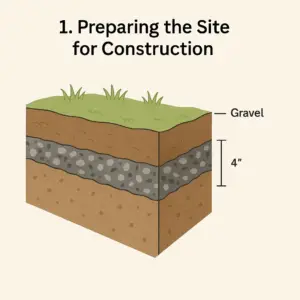
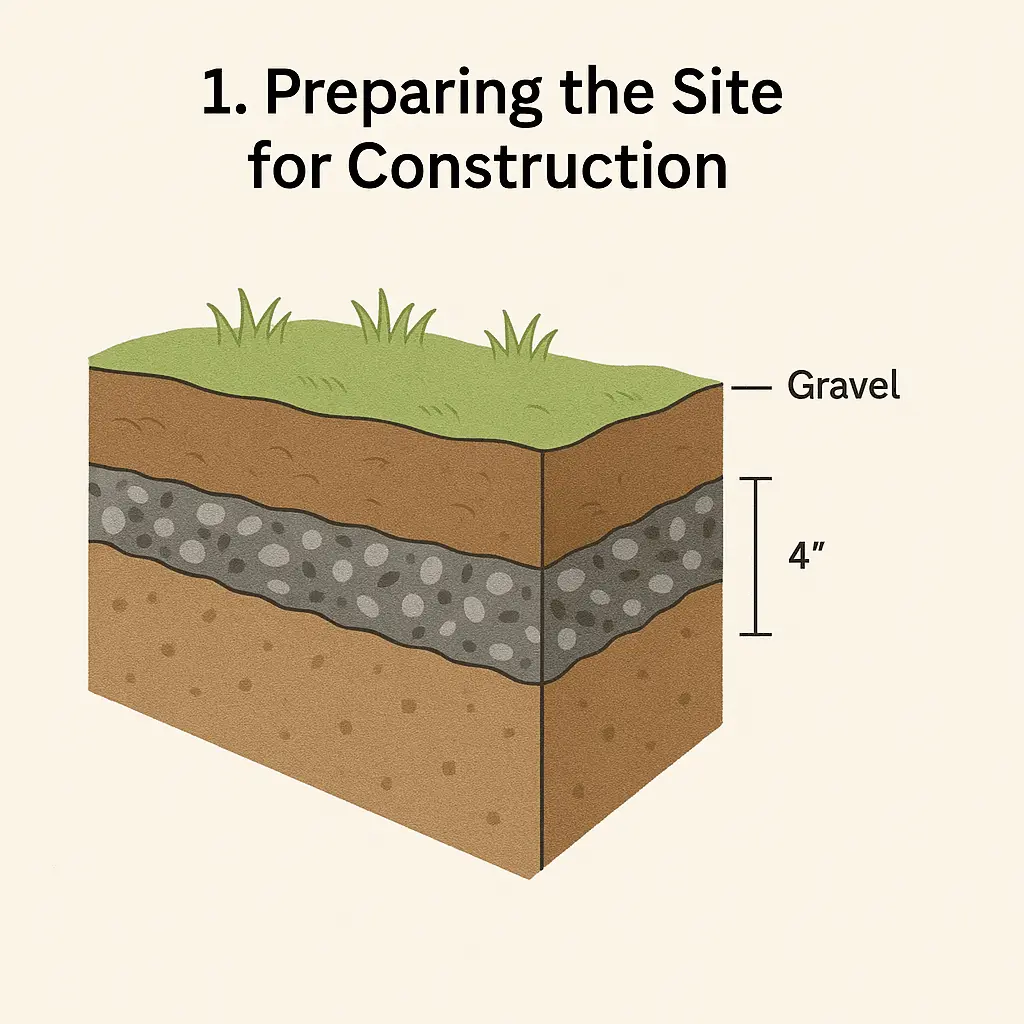
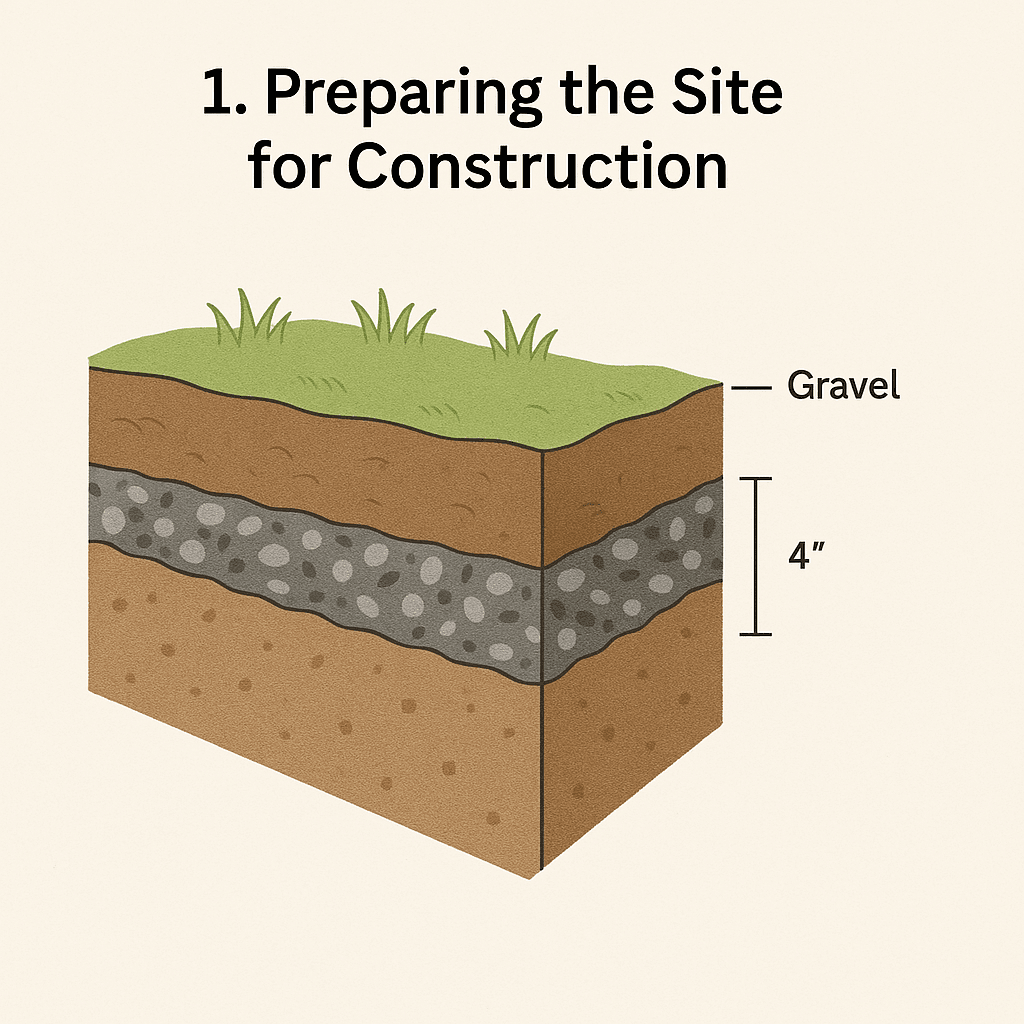
The process begins well before any structural kit arrives on a property. The initial phase focuses heavily on site selection, clearing, and preparation. Industry experts emphasize that rushing through the groundwork almost always leads to complications later, such as doors that fail to latch properly or walls that shift as the underlying earth settles. By taking the time to properly evaluate the terrain, builders can save themselves significant structural headaches down the road.
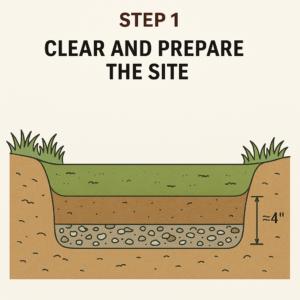
As part of the preparation process, builders are advised to incorporate a landscape fabric underneath any gravel base. This professional tip serves a dual purpose: it effectively prevents unwanted weed growth from pushing up through the flooring over time, and it helps stabilize the soil beneath the structure, minimizing shifting caused by weather changes and moisture.
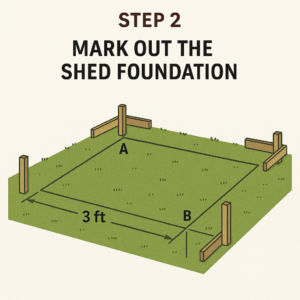
Once the site is cleared and leveled, the next critical hurdle is accurately marking out the shed foundation. Ensuring precise measurements and right angles is vital for maintaining the structural integrity of the entire building. For those who find traditional geometry or squaring methods challenging, modern technological solutions offer a helping hand. A variety of mobile applications and online calculators are readily available to assist builders in verifying right angles using their specific shed dimensions, ensuring the base remains perfectly square before any heavy materials are laid down.
Choosing the right foundation type represents a major milestone in the construction process, and Outdoor Living Today highlights three distinct methods, each offering its own set of advantages depending on the homeowner’s specific needs.
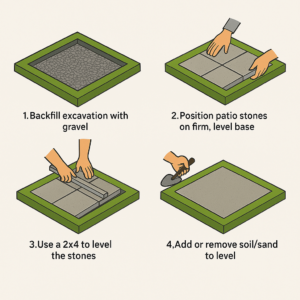
The first option is the patio stone foundation. This method is frequently chosen for its accessibility and practicality. Patio stones provide a stable platform that is quick to install, relatively inexpensive, and notably forgiving. If adjustments need to be made later on, patio stones are easy to move or modify, making them an attractive choice for homeowners who want a reliable base without committing to permanent excavation or heavy masonry work.
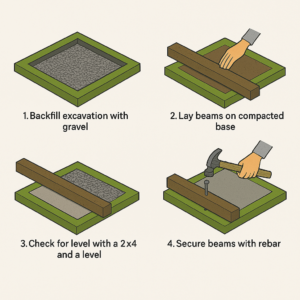
The second recommended approach utilizes a 4×4 pressure-treated beam foundation. This method elevates the structure slightly off the ground, a design choice that offers significant practical benefits. By raising the floor framing, the design leaves valuable room underneath for essential ventilation, which helps circulate air and prevents moisture accumulation that can lead to premature wood rot. For many wooden shed structures, this added airflow is a vital defense against natural decay.
The third and most permanent option outlined in the guidance is the concrete slab foundation. For builders seeking maximum durability and long-term stability, concrete remains the gold standard. A professionally poured slab offers unbeatable strength and provides complete pest resistance, ensuring that rodents and other burrowing wildlife cannot compromise the underside of the structure. While it requires a greater initial investment of time and resources, a concrete slab guarantees that the base will remain entirely immobile for decades.
Before breaking ground or purchasing materials, experts advise builders to keep a few final considerations in mind. Soil drainage, local frost lines, and overall yard topography play a massive role in how a foundation will perform over time. Taking these environmental factors into account during the planning stages prevents costly mistakes and ensures the chosen foundation remains stable through changing seasons.
While general best practices provide an invaluable framework for outdoor construction, industry representatives note that individual product designs can occasionally feature unique requirements tailored to specific architectural layouts. Homeowners seeking precise, model-specific instructions are encouraged to consult the product assembly manual included with their kit, ensuring that every detail aligns with the manufacturer’s precise engineering specifications.