When investing in a backyard shed, the longevity and structural integrity of the building depend almost entirely on what lies beneath it. Recognizing the common challenges that property owners face when preparing a site, Outdoor Living Today has released a comprehensive advisory focusing on the critical steps required to build a sturdy, level base. Designed to eliminate confusion and guesswork for both first-time DIYers and experienced builders, the guidance outlines foundational preparation and highlights three primary options for ensuring a long-lasting outdoor structure.
According to building experts at Outdoor Living Today, establishing a solid foundation prevents shifting, settling, and premature wear over time. Whether a project involves a compact storage unit or a larger garden workspace, starting with a properly leveled surface is essential. To achieve this, the installation process begins long before the shed kit arrives at the property, requiring careful site selection and meticulous ground preparation.
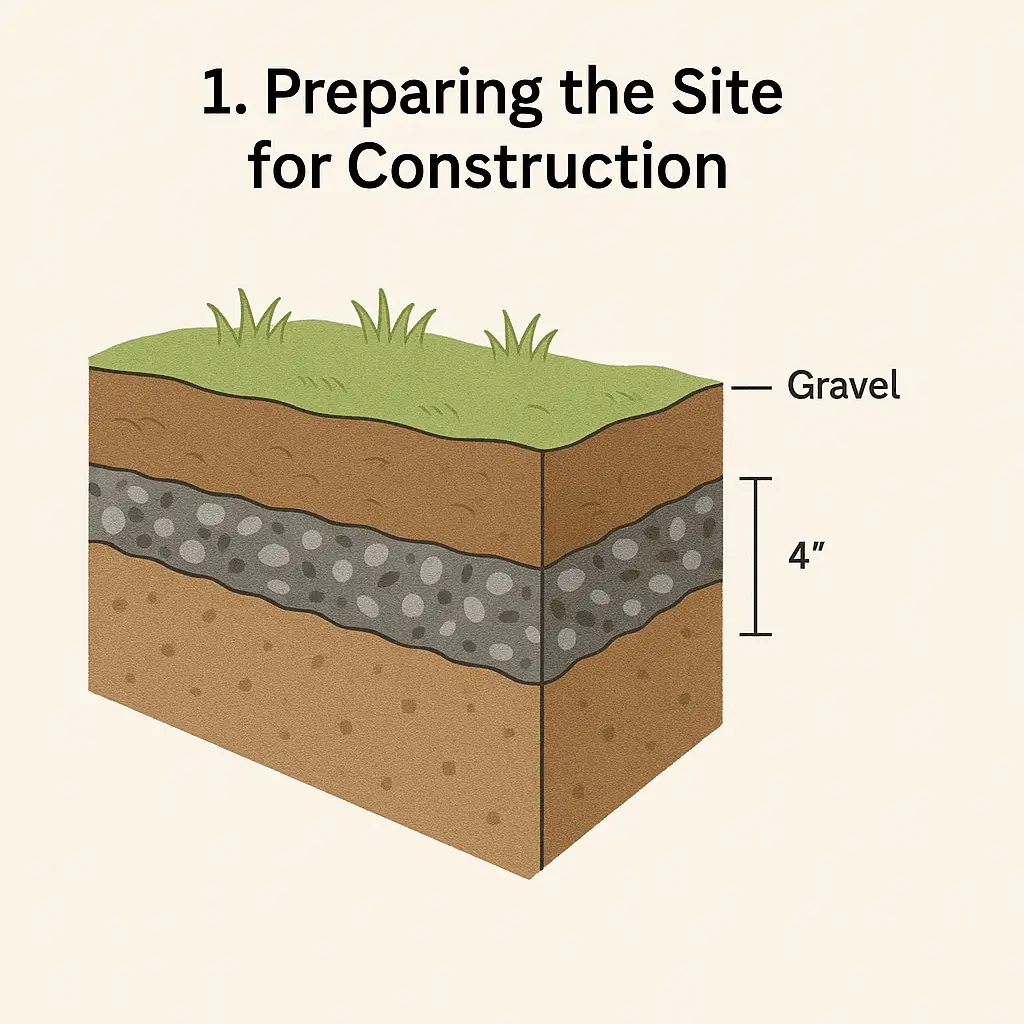
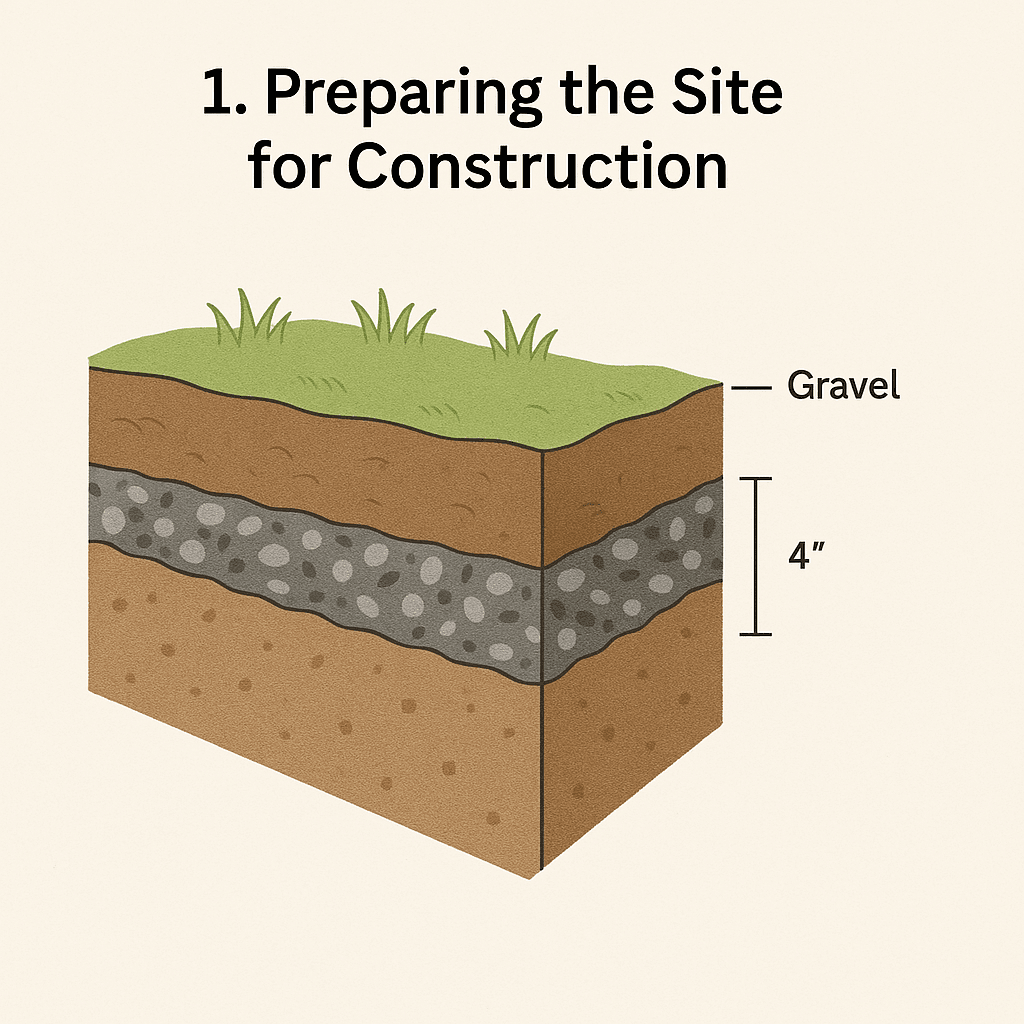
The initial phase focuses heavily on clearing and preparing the site. Builders are advised to choose an area that not only suits the aesthetic and functional needs of the yard but also complies with local zoning laws and property setbacks. Once the location is selected, the ground must be cleared of all debris, including rocks, roots, turf, and organic topsoil. Because organic matter decomposes and shifts over time, removing the top layer of soil and replacing it with a compacted bed of crushed stone or gravel creates a stable, well-draining load-bearing surface.
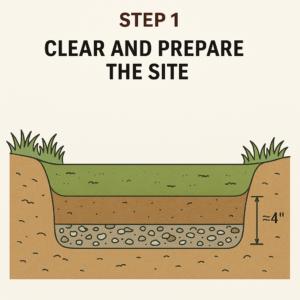
To enhance the longevity of this base, professionals frequently recommend incorporating landscape fabric beneath the gravel layer. This simple addition serves a dual purpose: it acts as a barrier to prevent unwanted weed growth from pushing up through the floor structure, and it stops the underlying soil from mixing with the gravel, which helps maintain the structural integrity of the pad over the years.
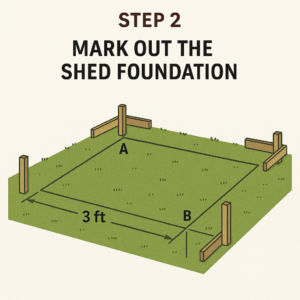
Following site clearance, the second critical phase involves accurately marking out the perimeter of the shed foundation. Ensuring that the layout is perfectly square is vital; a base that is out of square will cause framing issues during assembly, leading to doors and windows that fail to close properly. Builders are encouraged to measure diagonally from corner to corner. When both diagonal measurements match precisely, the footprint is square. For those seeking additional precision, modern digital tools, including smartphone applications and online calculators, can assist in determining accurate right angles based on specific shed dimensions.
Once the site is cleared, leveled, and marked, builders must choose the appropriate foundation type to support their specific structure. Outdoor Living Today highlights three distinct foundation styles, each offering unique benefits depending on budget, skill level, and long-term goals.
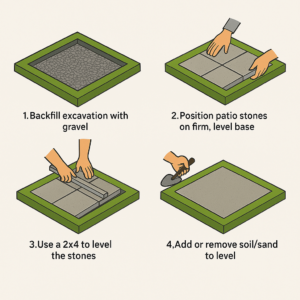
The first option is the patio stone foundation. Highly favored for its accessibility, a patio stone base is quick to install, relatively inexpensive, and flexible enough to be easily adjusted or moved if necessary down the road. It provides a solid surface that keeps the shed floor elevated slightly off the damp earth, making it a practical choice for many standard backyard installations.
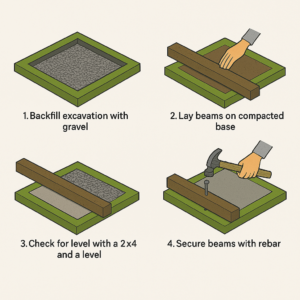
The second recommended option utilizes four-by-four pressure-treated wooden beams. This method involves laying heavy-duty, treated timber framing across the prepared gravel bed to support the floor joists of the shed. One of the primary advantages of a beam foundation is that it leaves ample open space underneath the structure for natural air circulation. This continuous ventilation helps keep the underside of the shed dry, significantly reducing the risk of wood rot and moisture damage over time.
The third and most permanent option is a poured concrete slab. Offering unbeatable durability and superior pest resistance, a concrete foundation provides a monolithic, rock-solid base that will last for decades. While it requires more labor, specialized equipment, and curing time compared to stone or wood foundations, a concrete slab is often chosen for heavy-duty storage buildings or workshops that require maximum stability.
Before breaking ground, experts emphasize the importance of preparation and safety. Checking for underground utility lines by calling local locators before any digging begins is a mandatory step for any outdoor construction project. Additionally, while general guidelines provide a strong framework for site preparation, individual product designs may have unique engineering requirements. Property owners are consistently reminded to consult the specific product assembly manual included with their kit or provided by the manufacturer to ensure their chosen foundation aligns perfectly with the engineering specifications of their specific model.