When it comes to constructing a backyard shed, the structure’s longevity depends almost entirely on what lies beneath it. Outdoor Living Today has released a comprehensive breakdown aimed at helping both do-it-yourself enthusiasts and first-time builders establish a sturdy, level base without the guesswork. A solid foundation prevents structural shifting, door misalignment, and premature wear, ensuring that a backyard investment remains functional and attractive for years to come.
According to the building guidelines provided by Outdoor Living Today, the process of securing a proper shed base relies on careful planning, precise site preparation, and choosing the right material for the specific landscape. Whether property owners decide to go with a straightforward patio stone layout, a flexible pressure-treated beam configuration, or a permanent concrete slab, following a structured methodology is critical before any shed kit arrives at the doorstep.
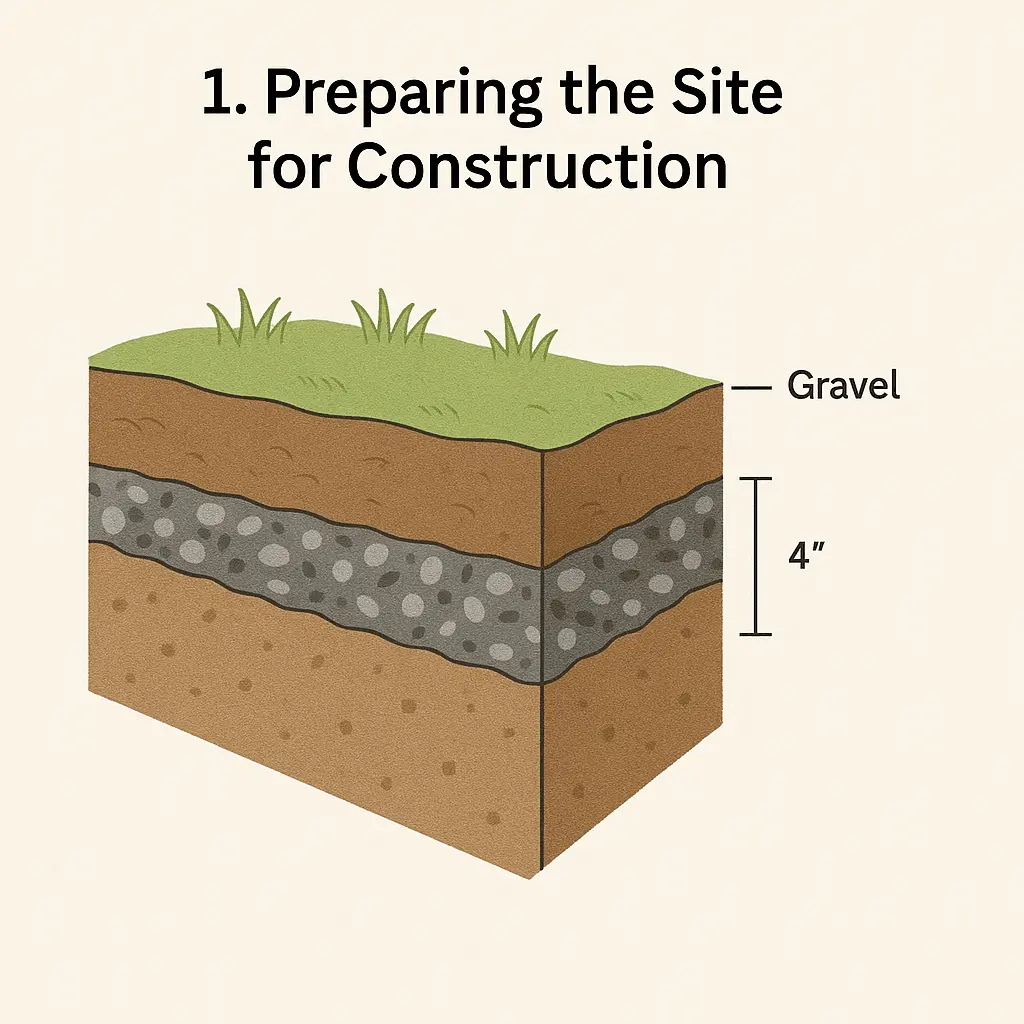
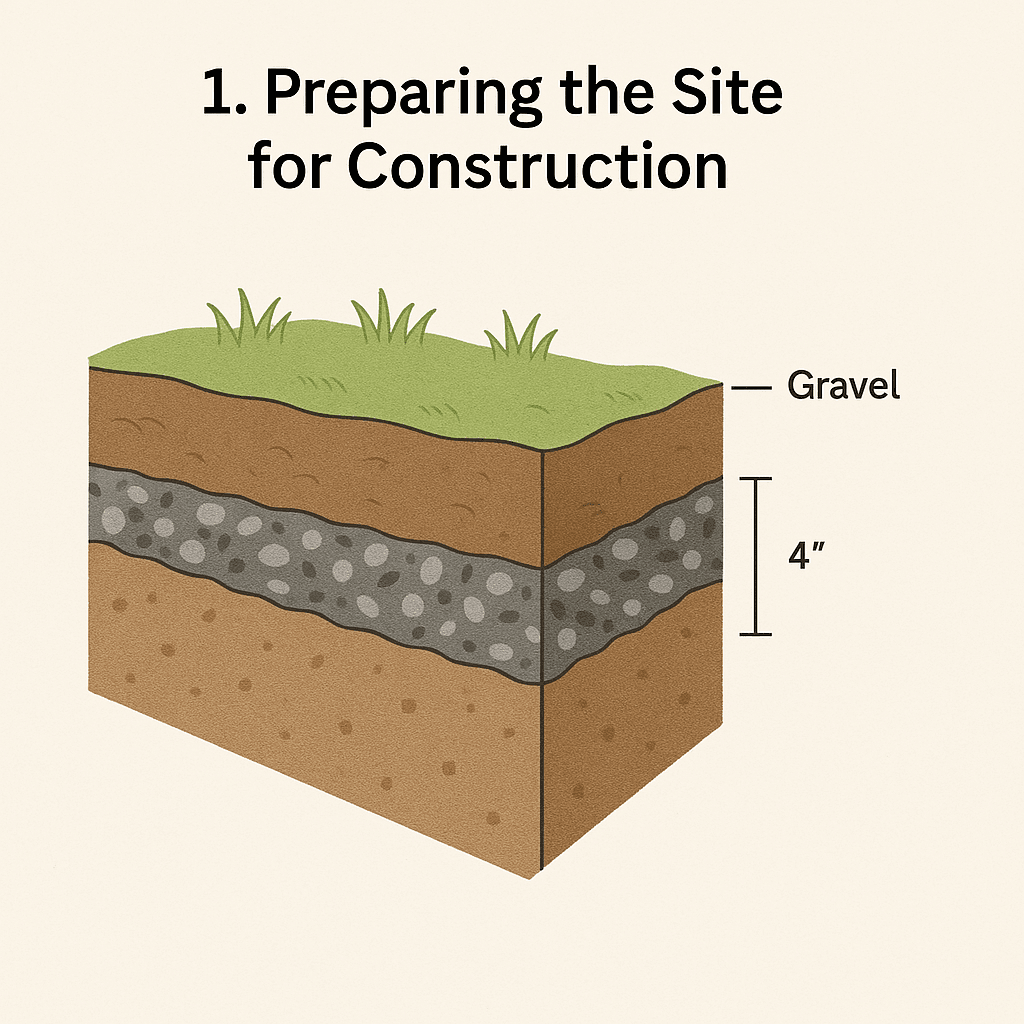
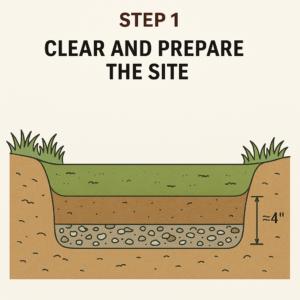
The initial phase of any successful foundation project centers on clearing and preparing the site. Builders are advised to start by removing all vegetation, debris, and topsoil from the designated area to create a flat, stable patch of earth. Neglecting this crucial first step can lead to uneven settling as organic material decays beneath the weight of the structure. To counteract future maintenance headaches, construction experts strongly recommend laying down a layer of landscape fabric underneath a bed of gravel. This simple addition serves a dual purpose: it acts as a reliable barrier against weed growth that could otherwise puncture or destabilize the base, and it prevents underlying soil from shifting over time due to moisture movement and weather changes.
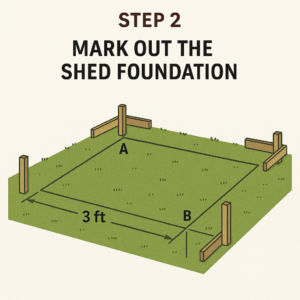
Once the earth is cleared and leveled, the next critical hurdle is accurately marking out the perimeter of the shed foundation. Ensuring that the layout forms a true rectangle is essential, as even minor miscalculations at this stage will cascade into major alignment issues during the assembly of walls and roofs. Builders dealing with right angles can utilize various modern tools, including smartphone applications and online calculators, to verify measurements and square the corners based on the exact dimensions of the shed model. Taking the extra time to double-check diagonal measurements—ensuring they match corner-to-corner—guarantees that the final structure will stand straight and square.
With the site prepped and measured, builders face the decision of selecting the most appropriate foundation type for their property and budget. Outdoor Living Today highlights three primary recommended foundation types, each offering distinct advantages depending on the user’s skill level, location, and long-term plans for the structure.
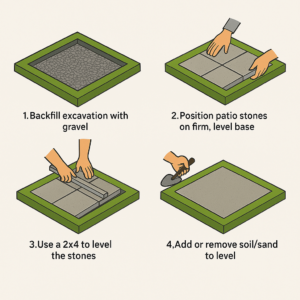
The first option, a patio stone foundation, is widely favored for its simplicity and affordability. Quick to install and forgiving for beginners, a patio stone base consists of a leveled gravel bed topped with tightly packed paving stones. This approach creates a solid, uniform surface that distributes the weight of the shed evenly. Furthermore, a patio stone foundation is relatively easy to modify, move, or adjust if ground conditions shift or if the owner decides to relocate the structure in the future.
For those seeking an elevated base that promotes better airflow, a four-by-four pressure-treated beam foundation is frequently recommended. This method involves laying heavy-duty, treated lumber across a leveled gravel or crushed stone bed to create a robust wooden grid. One of the primary benefits of this configuration is that it leaves valuable open space underneath the floor joists, ensuring proper ventilation. This constant air circulation helps keep moisture away from the underside of the shed, significantly reducing the risk of wood rot and extending the lifespan of the timber components.
At the other end of the spectrum lies the concrete slab foundation, which represents the most permanent and heavy-duty option available. Pouring a concrete pad demands significantly more labor, preparation, and material investment, but it delivers unmatched structural durability and rigidity. A well-poured concrete slab provides absolute protection against pests, moisture intrusion, and ground movement, making it an ideal choice for larger storage buildings or workshops that will house heavy machinery and equipment.
Before breaking ground or committing to a specific material, builders are reminded to review a few final considerations. Local building codes, frost lines, and property setbacks should always be verified with local municipal offices to ensure compliance with regional regulations. Additionally, while general best practices apply to almost all outdoor structures, individual product designs may feature unique engineering requirements or weight distribution profiles. For tailored instructions that match a specific model, property owners should always refer directly to the product assembly manual included with their kit or consult the manufacturer’s official documentation before beginning construction.