As households across the country continue to grapple with fluctuating energy costs and the pressing need to reduce household carbon emissions, industry experts are placing renewed focus on a proven yet often overlooked home improvement: cavity wall insulation. Designed to create a thermal barrier between a building’s interior and exterior walls, this specialized insulation is increasingly being recognized as a cornerstone of residential energy efficiency, offering substantial financial and environmental returns over the long term.
Unlike traditional insulation methods that focus on roof spaces or internal boarding, cavity wall insulation addresses the structural gap that exists in many modern and semi-modern properties. This gap, known as the cavity, is typically between 50mm and 100mm wide. By filling this empty space with specialized insulating materials, property owners can effectively prevent heat from escaping through the exterior walls during the colder months while keeping unwanted warmth out during the summer.
According to recent industry studies and data compiled by the Energy Saving Trust, proper installation of cavity wall insulation can help homeowners reduce their overall heating consumption significantly. In many cases, households can save up to 25% on their annual heating bills. For a typical property, these savings translate to hundreds of pounds annually, making the upfront capital expenditure a strategic financial decision with a clear and measurable payback period.
What is Cavity Wall Insulation?
At its core, cavity wall insulation is an engineered thermal barrier designed for properties built with a dual-wall construction method. The exterior wall and interior wall are separated by a hollow space—the cavity—which, if left untreated, can act as a conduit for thermal transfer, allowing vital heat to escape into the atmosphere.
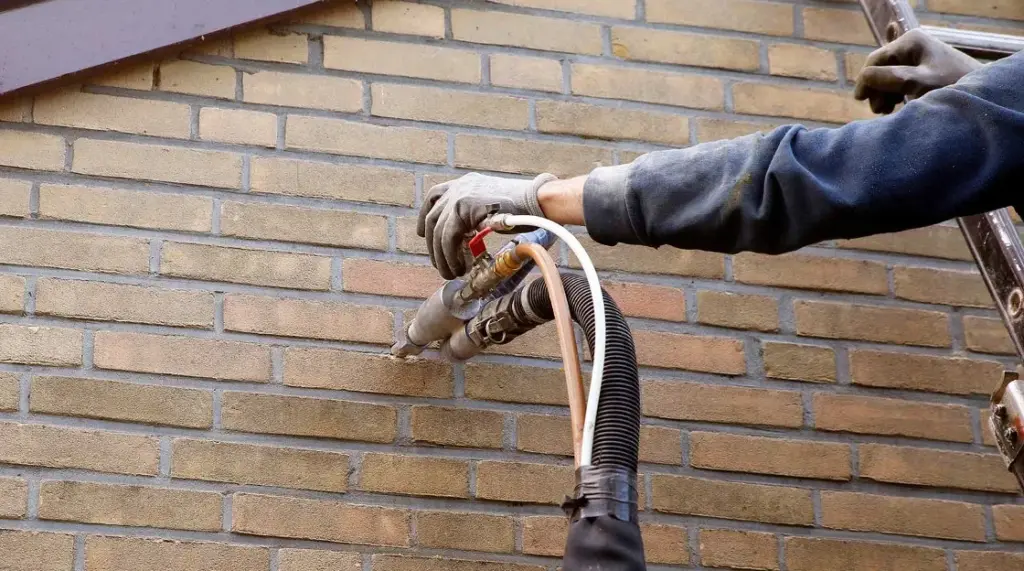
The installation of this insulation generally falls into two primary categories: blown insulation and injected insulation. The blown method utilizes specialized pneumatic equipment to propel lightweight insulating materials, such as treated mineral wool or expanded polystyrene beads, directly into the wall cavity. Alternatively, the injection method involves drilling a grid of small, discreet holes into the outer mortar joints of the building and pumping the insulating substance through a specialized nozzle to ensure complete and uniform coverage.
Both methods require professional oversight and technical precision, ensuring the cavity is thoroughly packed without leaving thermal bridges or gaps that could compromise the building’s thermal performance. Furthermore, these techniques are versatile enough to be deployed across a wide variety of residential building styles without requiring major structural alterations.
Benefits of Cavity Wall Insulation
The advantages of retrofitting a property with cavity wall insulation extend far beyond simple temperature regulation, impacting household finances, daily living conditions, and the broader environment.
Reduced Energy Bills
The most immediate and tangible benefit for the average homeowner is the drastic reduction in monthly or quarterly utility expenses. Because the insulation successfully traps interior heat, the building’s central heating system does not need to work as hard or run as frequently to maintain a comfortable indoor climate.
Data from the Energy Saving Trust indicates that implementing cavity wall insulation can yield savings ranging from £180 to £690 per year, depending on the size and energy profile of the property. Given that a typical insulation installation can last for roughly 25 years with minimal degradation, the cumulative financial savings over the lifespan of the material can amount to thousands of pounds.
Increased Comfort
Beyond financial metrics, insulated cavities contribute directly to the physical comfort of a home. Uninsulated walls often lead to cold interior surfaces, which in turn generate unpleasant drafts and localized cold spots within living areas. By stabilizing wall temperatures, cavity insulation eliminates these drafts, ensuring a more consistent and pleasant ambient temperature throughout the entire household year-round.
Reduced Carbon Footprint
As governments and communities worldwide strive to meet ambitious climate targets, residential energy consumption remains a major focus of environmental policy. Because cavity wall insulation directly decreases the volume of fuel required to heat a home, it results in a corresponding drop in greenhouse gas emissions. For households looking to adopt more sustainable living practices, this home improvement offers an effective way to lower their personal carbon footprint.
Increased Property Value
In the contemporary real estate market, energy efficiency is increasingly becoming a major selling point for prospective buyers. Properties that boast superior thermal performance and lower projected utility costs often command stronger market interest and higher valuations. Installing cavity wall insulation serves as a permanent structural upgrade that can enhance a property’s Energy Performance Certificate (EPC) rating, making it a more attractive asset should the owner decide to sell in the future.
The Cost of Cavity Wall Insulation
While the long-term savings are well-documented, homeowners must first consider the initial financial outlay required for the installation. The overall cost of cavity wall insulation is variable, depending heavily on factors such as the total square footage of the property, the specific type of insulation material selected, and the complexity of the installation process.
For a standard semi-detached house, the average cost generally ranges between £900 and £1,200. While this initial investment can appear substantial, financial analysts and energy advisors consistently emphasize that the project should be viewed through the lens of long-term return on investment. When weighed against the ongoing annual savings on heating bills and the potential appreciation of the property’s market value, the upfront costs are typically recovered well within the lifespan of the materials.

How to Know if Your Home Needs Cavity Wall Insulation
It is important to note that not every residential property is structurally compatible with cavity wall insulation. Older historical buildings, for instance, often feature solid wall construction with no internal cavity at all, while other properties may possess cavities that are too narrow or obstructed to allow for safe and effective material insertion.
Property owners interested in assessing their home’s suitability are advised to consult a certified insulation specialist. These professionals can perform a comprehensive diagnostic survey—often using specialized borescope cameras inserted through the exterior mortar—to examine the condition and width of the wall cavity.
Additionally, architectural history offers a useful benchmark: properties constructed after the 1990s were increasingly built under stricter modern building regulations and are highly likely to have had cavity wall insulation integrated during their original construction phase. For homes built prior to this era, however, a professional assessment remains essential to determine viability and prevent potential moisture retention issues.
The Installation Process of Cavity Wall Insulation
Because the installation of cavity wall insulation requires specialized diagnostic tools, heavy-duty pumping equipment, and technical expertise regarding building ventilation, it is rarely suited for amateur or do-it-yourself projects. The process typically begins with a thorough pre-installation assessment to check for dampness, structural damage, or existing debris within the cavity.
Once the property is cleared for work, technicians carefully map out a drilling pattern along the exterior mortar joints. Small holes are systematically drilled into the walls, allowing the chosen insulation material to be injected or blown evenly throughout the entire cavity space. Following the successful application of the material, the holes are neatly sealed with mortar tinted to match the surrounding brickwork, leaving the exterior appearance of the property virtually unchanged.
Industry standards emphasize the importance of partnering with certified and reputable contractors to execute these works. Established organizations, such as Dyson Energy Services—which has provided residential energy solutions across the UK since 1982—highlight the necessity of professional accreditation to ensure that installations comply with current building standards and moisture control guidelines.
How to Choose the Right Insulation Material
Selecting the appropriate insulating medium is a critical step in the installation process. Homeowners and contractors must weigh several variables, including thermal resistance, breathability, cost, and the specific environmental conditions of the local area.
The three most common materials utilized for cavity wall insulation include mineral wool, expanded polystyrene beads, and specialized injection foams. Each substance possesses distinct characteristics. For example, mineral wool offers excellent fire-retardant properties and soundproofing capabilities, while polystyrene beads provide high fluid resistance and flow easily into narrow or irregular spaces. Foam-based solutions may be particularly favored in regions exposed to severe weather patterns, as they can offer enhanced resistance against wind-driven rain penetration.
Maintenance and Upkeep of Cavity Wall Insulation
Once properly installed, cavity wall insulation is designed to be a low-maintenance addition to a property, typically requiring no active intervention or servicing over its decades-long operational life. However, property owners should remain vigilant regarding the general health of their building’s exterior envelope.
The appearance of internal damp patches, persistent condensation, or localized mold growth can sometimes indicate a compromised cavity or moisture bridging across the insulation barrier. If such signs emerge, homeowners should promptly engage a qualified surveyor to inspect the walls and ensure that the insulation and surrounding damp-proof courses remain uncompromised.
Potential Savings on Energy Bills with Cavity Wall Insulation
The financial argument for cavity wall insulation rests heavily on predictable, long-term expenditure reductions. To put the potential savings into perspective, consider a household currently spending £1,000 annually on space heating. A conservative 25% reduction in energy consumption equates to an annual saving of £250.
Projected over a standard 25-year operational window, cumulative savings for such a household could exceed £6,000, dwarfing the initial installation expenditure. Even as energy markets fluctuate, the foundational reduction in the physical volume of heat lost through exterior walls ensures that insulated properties remain consistently cheaper to heat than their uninsulated counterparts.
Insulation for Cavity Walls – Conclusion
As energy efficiency becomes an increasingly vital priority for homeowners navigating economic and environmental challenges, cavity wall insulation stands out as a reliable and financially sound upgrade. By establishing an effective thermal barrier within the building envelope, property owners can achieve meaningful reductions in their annual energy bills, enhance indoor comfort, and contribute to broader carbon reduction efforts.
While the project requires professional evaluation and upfront financial investment, the long-term benefits—ranging from lower utility expenses to increased property value—make it a prudent choice for those looking to future-proof their homes. Engaging reputable specialists to assess property suitability and handle the installation process ensures that these long-term advantages are realized safely and effectively.