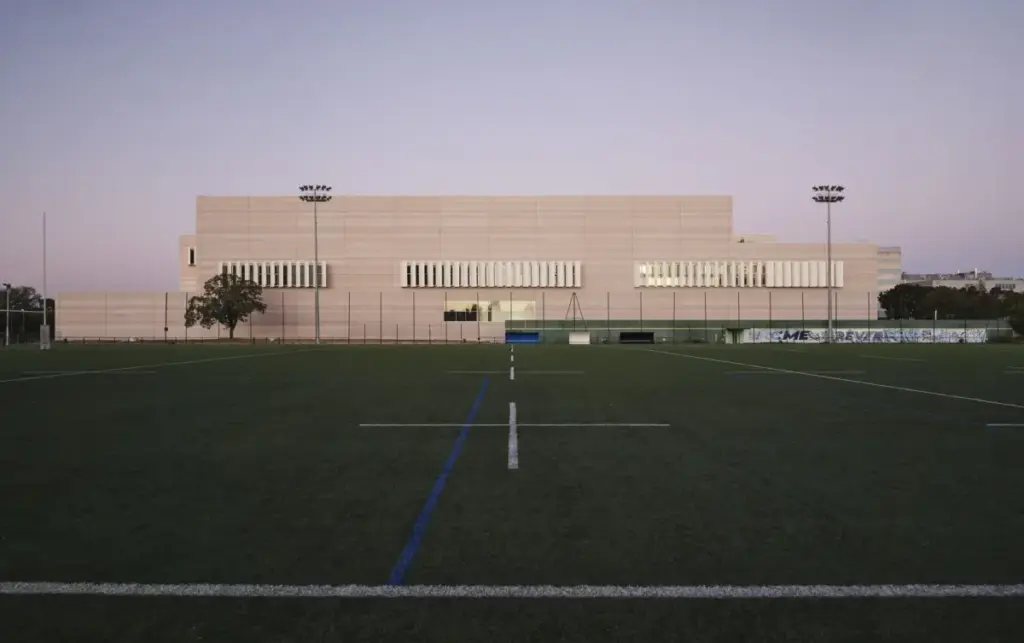
The architectural landscape of contemporary cultural institutions has expanded with the completion of the Centre Pompidou Francilien – Fabrique de l’Art. Designed through the collaborative vision of architecture practices PCA and Prellwitz Chilinski Associates (PCA-STREAM), this major new cultural facility has been created to house and protect the invaluable reserve collections of two globally renowned art institutions. Photographed by Jean-Philippe Mesguen, the newly revealed building stands as a striking testament to the complex architectural demands of modern art conservation, seamlessly balancing the stringent technical requirements of archival preservation with the functional necessity of a working creative hub.
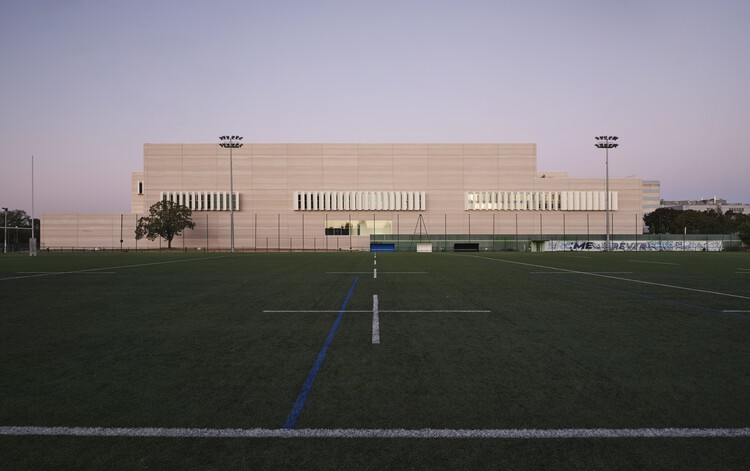
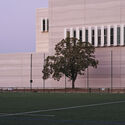
At the heart of the project lies a fascinating architectural paradox defined by its dual identity. The building presents two distinct faces to the world, each directly reflecting a contrasting element of its overarching brief. On one side, the structure is conceived as a solid vault—a sealed monolith engineered to shield delicate works of art from environmental fluctuations, unauthorized access, and degrading elements. This fortress-like approach is not merely aesthetic; it is a critical functional requirement for safeguarding priceless modern art collections. Within these protected zones, the architecture meticulously regulates the entry of natural light, ensuring that conservators, curators, and specialists can carry out the delicate work of conservation and restoration under optimal conditions.
The rationale behind the Centre Pompidou Francilien – Fabrique de l’Art stems from a broader, critical challenge faced by major cultural institutions worldwide: the finite display space of traditional urban museums versus the vast, ever-expanding nature of their permanent collections. While museums like the Centre Pompidou in Paris showcase a rotating selection of masterpieces to the public, the vast majority of their holdings—spanning paintings, sculptures, installations, and design objects—must be safely stored off-site. Historically, these reserves were often relegated to utilitarian, windowless warehouses far removed from the public eye and professional research hubs. The Fabrique de l’Art redefines this typology by elevating the concept of art reserves into a sophisticated, highly specialized architectural typology that treats conservation as an art form in its own right.
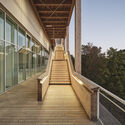
The architectural collaboration between PCA and Prellwitz Chilinski Associates focused heavily on bridging the gap between high-security preservation and human-centric workspace design. While the vault side of the building prioritizes enclosure, mass, and environmental control, other facets of the complex open up to foster collaboration, research, and technical innovation. The material palette—featuring a sophisticated interplay of structural wood, expansive glass panels, and robust beams—establishes a dialogue between industrial functionality and warm, tactile materiality. This careful selection of materials helps soften the monumental scale of the reserve facility, creating an environment that supports the psychological well-being of the specialists who spend long hours working within its walls.
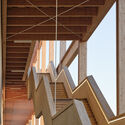
Natural light, carefully filtered and strictly controlled, plays a starring role in the building’s interior narrative. While traditional archives often rely entirely on artificial illumination, the design team integrated innovative daylighting strategies that bring controlled natural illumination into the workshops and study areas without risking UV damage or thermal degradation to the artifacts. This careful calibration allows conservators to examine color accuracy, material textures, and subtle surface details under conditions closely mirroring natural environments, thereby enhancing the precision of restoration work.
The completion of the Centre Pompidou Francilien – Fabrique de l’Art marks a significant milestone in the ongoing evolution of how cultural heritage is managed, studied, and preserved in the greater Paris region. By uniting the reserve collections of two major institutions under one meticulously engineered roof, the project sets a new benchmark for museum infrastructure. Through the thoughtful execution of PCA and Prellwitz Chilinski Associates, the building transcends its utilitarian origins, offering a visionary model for the future of modern art conservation facilities worldwide.