When gardening is approached through an ecological lens, the philosophy of landscape design shifts profoundly. Instead of focusing entirely on human preferences and aesthetic individualism, the selection of plants becomes an act of stewardship aimed at supporting local wildlife. Birds, mammals, and invertebrates stand to gain the most from thoughtful additions to the yard, transforming residential plots into functional extensions of natural habitats. Among the champions of this movement is Melissa Starkey, marketing and communications manager and instructor at the Mt. Cuba Center, a renowned botanical garden in Hockessin, Delaware. Through initiatives like Fine Gardening’s Super Cool Plants podcast, Starkey and horticulture experts are shining a light on underappreciated native species, chief among them being the vibrant ‘Fireworks’ wrinkle-leaved goldenrod.
Redefining Goldenrod: Separating Myth from Ecological Reality
As the gardening calendar shifts into the crisp transitions of autumn, certain plants emerge to carry the aesthetic and ecological weight of the landscape. Goldenrods, scientifically classified within the genus Solidago, are extraordinary powerhouses in this regard, despite suffering from an enduring and largely undeserved bad rap. Many people mistakenly associate goldenrods with seasonal allergies, an assumption that usually stems from confusing the native perennial with ragweed, belonging to the Ambrosia genus. While ragweed produces lightweight, wind-borne pollen that triggers widespread sneezing and watery eyes, goldenrods feature heavy, sticky pollen designed to be transported by insects rather than the wind.
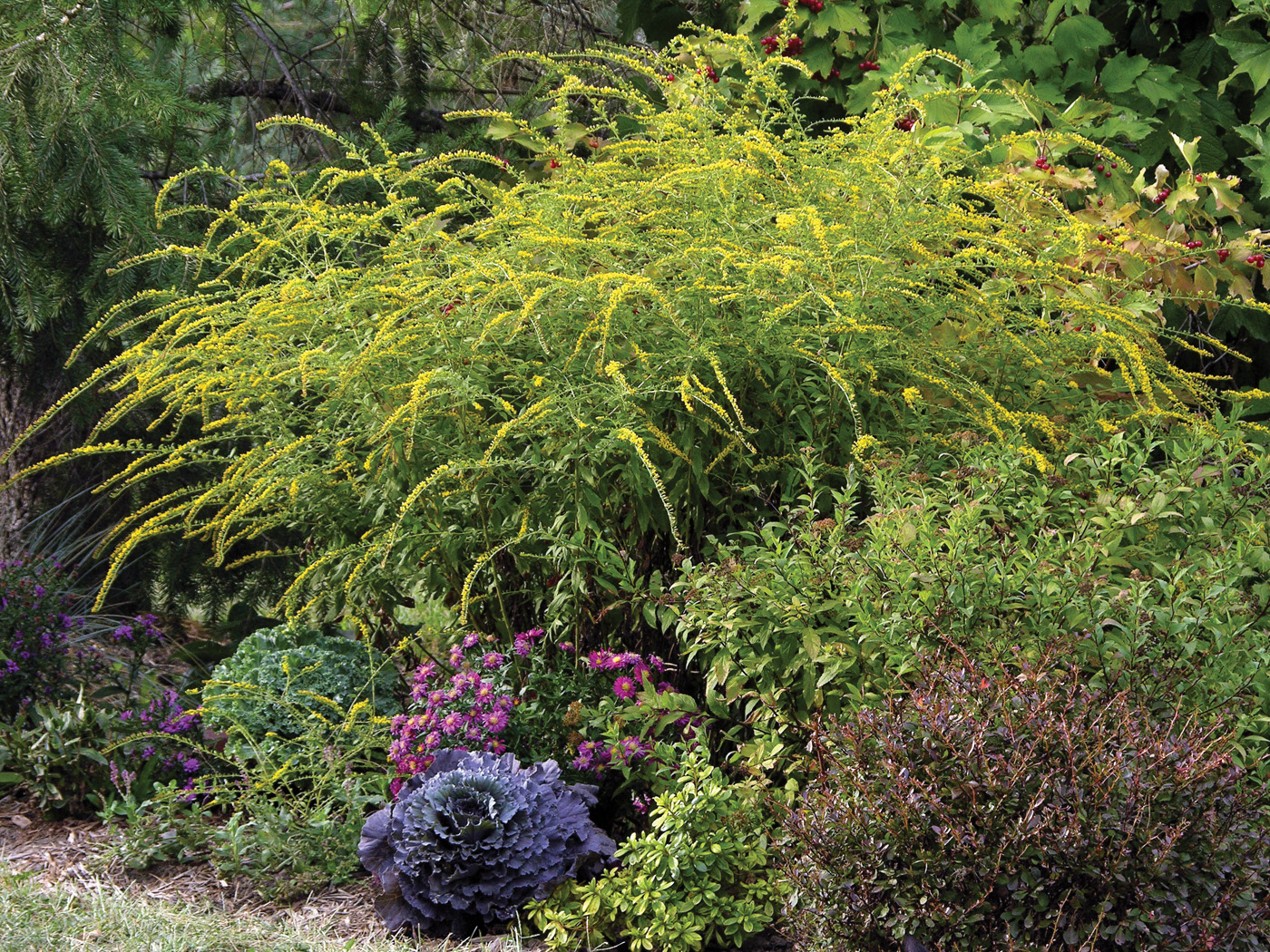
Furthermore, the stereotype that all goldenrods are overly aggressive spreaders does not hold up under scrutiny, especially when examining specific horticultural selections. Far from being garden thugs, goldenrods are foundational keystones of local biodiversity. They serve as essential host plants for over 120 different species of moth and butterfly caterpillars, providing the vital larval food sources necessary to sustain robust insect populations. Later in the season, as flowers fade and give way to seed heads, these plants offer a reliable and nutrient-dense food source for resident and migratory birds, alongside a variety of other small mammals and wildlife navigating the changing seasons.
‘Fireworks’ Wrinkle-leaved Goldenrod: A Perfect Gateway Plant
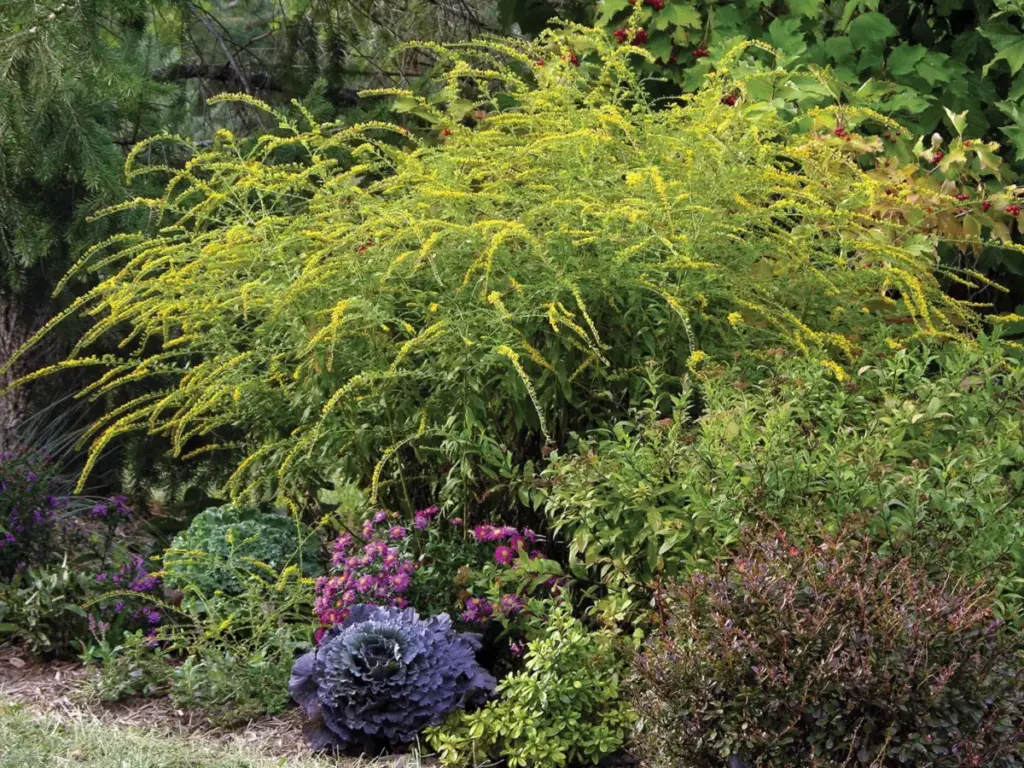
For gardeners hesitant to introduce native perennials due to fears of unruly growth habits, cultivars offer an ideal compromise. If forced to select just a single variety to introduce skeptics to the broader family, Melissa Starkey points directly to ‘Fireworks’ wrinkle-leaved goldenrod as the ultimate gateway plant. Its restrained demeanor and stunning visual payoff make it accessible for virtually any landscape application, seamlessly fitting into formal garden designs, mixed perennial borders, and even container gardening arrangements.
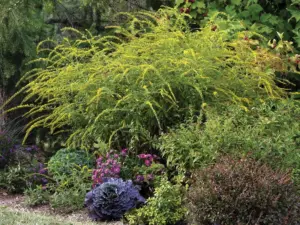
The cultivar earns its evocative name honestly. In the early to mid-autumn months, the plant erupts in brilliant spires of bright yellow flowers that mimic the glittering display of celebratory fireworks lighting up the night sky. Unlike some of its wild relatives that can wander aggressively across a property, ‘Fireworks’ features a well-behaved, compact, and clumping growth habit. While it may experience modest lateral spread when planted in consistently moist soil conditions, it remains remarkably easy to control. Gardeners looking to keep its footprint strictly contained can simply site the plant in a drier area of the landscape, where it will reliably stay put without demanding constant intervention.
Regarding light requirements, the plant demonstrates admirable flexibility. While it naturally thrives and puts on its most exuberant show in locations with full sun, Starkey notes that it performs admirably in partial shade as well, maintaining a lovely presence in the garden even when shielded from the harshest afternoon rays. This adaptability, combined with its high ecological value, cements its status as a top-tier choice for modern, ecologically conscious landscapers.
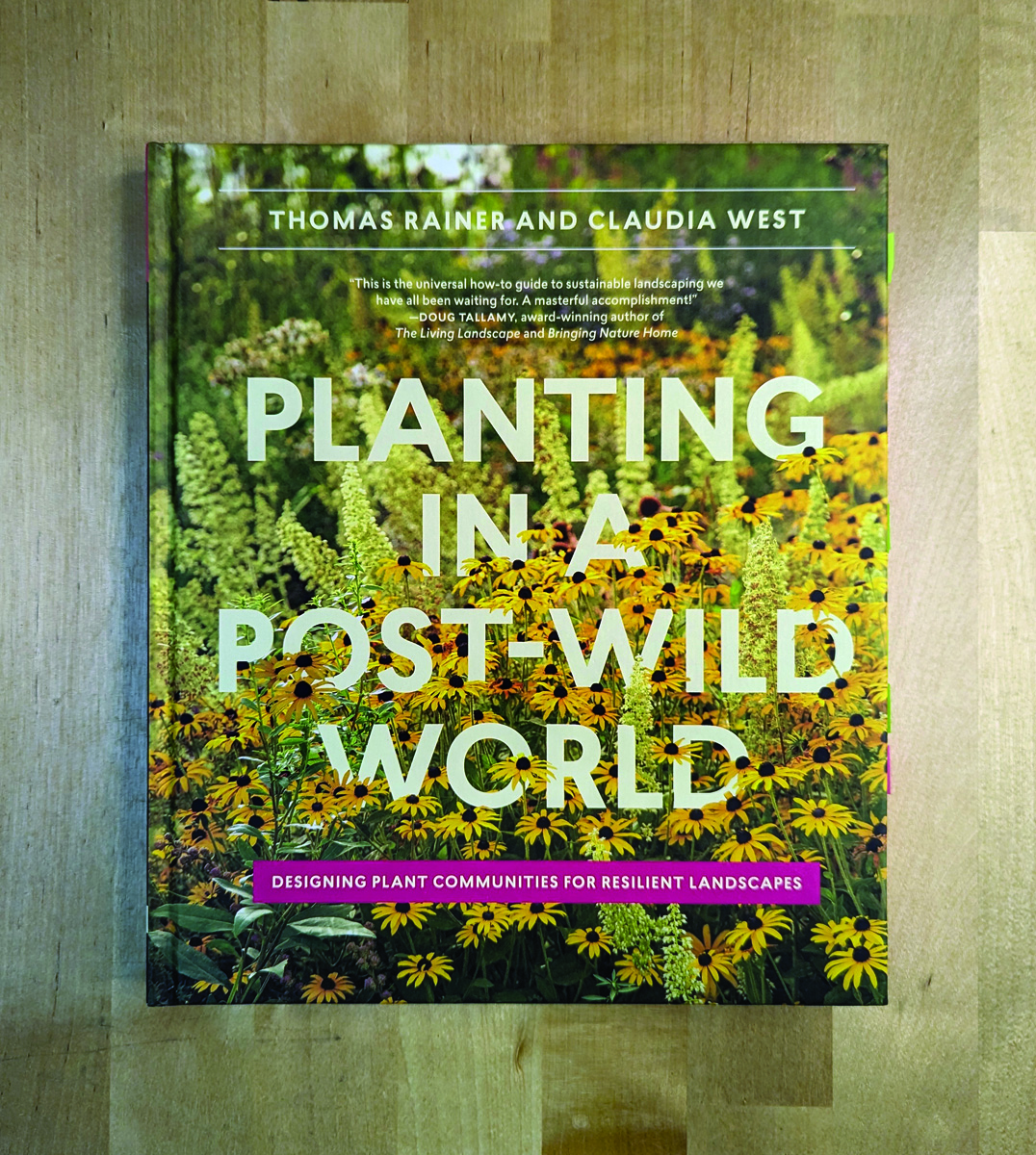
The broader conversation surrounding native plants and resilient landscape design continues to gain momentum through educational platforms and professional resources. Gardeners seeking to deepen their knowledge can explore episodes of the Super Cool Plants podcast or watch visual deep dives on dedicated horticulture channels. By embracing plants like the ‘Fireworks’ wrinkle-leaved goldenrod, growers can bridge the gap between human-designed spaces and the natural world, creating beautiful landscapes that actively sustain the local ecosystem through every changing season.