The international art world continues its rapid pace as we move through November 2026, marked by significant institutional appointments, landmark auction estimates, and important developments in the ongoing efforts to address historical injustices through art restitution. From the expansion of the documenta 16 team to the tragic loss of prominent voices in the creative community, the landscape remains as dynamic as ever.
In the Spotlight: Curatorial Expansion and New Commissions
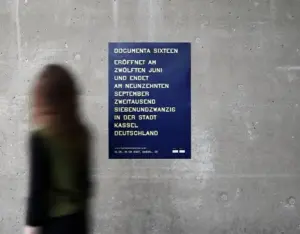
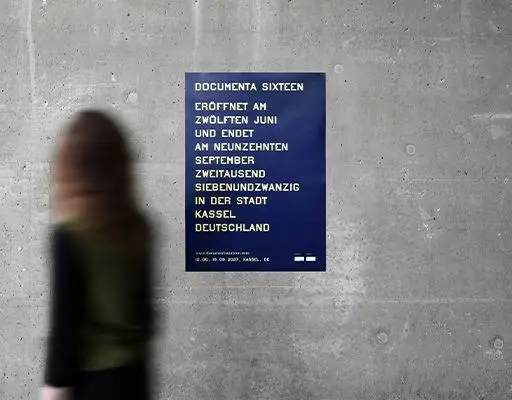
The quinquennial exhibition documenta 16 has taken a major step toward shaping its 2027 edition by announcing the appointment of four new curators. Joining the core curatorial team are Osei Bonsu, Raven Chacon, Timea Junghaus, and Noam Segal. These additions signal a deliberate effort to broaden the intellectual and geographic scope of the exhibition, which remains one of the most scrutinized and significant events in the contemporary art calendar. By bringing together a diverse group of thinkers and practitioners, the documenta organization aims to navigate the complexities of global discourse, history, and social practice that have defined the exhibition’s mandate in recent years.
Meanwhile, the preparations for Skulptur Projekte Münster 2027 continue to build momentum. Following an initial announcement of participants back in June, the organization has revealed 13 additional artists and groups set to contribute site-specific commissions. Skulptur Projekte, known for its unique dialogue between contemporary art and the urban fabric of Münster, serves as a crucial barometer for the evolution of public art. The inclusion of these new contributors suggests a continued commitment to exploring how sculpture and installation can disrupt, enhance, and reinterpret public spaces, ensuring that the sixth edition remains deeply rooted in the specific architectural and social context of the city.
In the high-stakes world of the secondary market, all eyes are on the upcoming November 19 auction at Fair Warning in New York. Yoshitomo Nara’s In the Milky Lake / Thinking One—the artist’s only major painting from 2011—has hit the market with an estimate of $15 million USD. Given Nara’s consistent dominance in the global market, this lot is being watched closely by collectors and institutional buyers alike. The work is not merely a record-setter in potential price; it represents a pivotal moment in Nara’s stylistic evolution, and its performance will likely set the tone for the remainder of the fall auction season.
Museums and Galleries: Restitution and Discovery
Institutional transparency and historical research remain at the forefront of museum practice, as evidenced by a successful recovery effort by the Musée des Beaux-Arts d’Orléans. Through a targeted "Wanted" campaign, the French museum has successfully secured the return of a 17th-century Dutch painting that had been looted from France during the Second World War. This recovery highlights the increasingly proactive role museums are taking in reconciling their collections with the realities of wartime provenance. By leveraging public awareness and historical record-keeping, the museum was able to track down the work and facilitate its restitution, underscoring the enduring importance of wartime provenance research.
Across the English Channel, the Charleston Trust—the former home and studio of the Bloomsbury Group—has announced the discovery of a previously unknown drawing by Duncan Grant. The piece, which depicts his lifelong friend, collaborator, and lover Vanessa Bell, is believed by scholars to be the final portrait Grant created of her. This discovery is a significant addition to the history of the Bloomsbury Group, offering a poignant look at the intimate professional and personal relationship that defined the lives of two of Britain’s most celebrated modernist figures. The drawing not only enriches the existing body of work held at Charleston but also serves as a testament to the ongoing research efforts that continue to unearth hidden narratives within the canon of 20th-century art.
Auctions and Market Trends
The fall auction season has also been enlivened by the return of a significant piece of Surrealist history. A "cosmic" painting by Leonora Carrington has reemerged on the market after 70 years, prompting excitement among collectors of Surrealism. Carrington, whose market presence has seen a steady, meteoric rise in recent years, remains a focal point for those looking to acquire works that bridge the gap between mythic symbolism and feminist art history. Its reappearance at auction is a rare opportunity, and its sale will likely be analyzed as a reflection of the sustained demand for female Surrealists who were historically undervalued.
However, the international fair and biennial circuit faces significant financial headwinds. Reports from the New York Times indicate that the U.S. Pavilion at the Venice Biennale is currently struggling with a $1 million funding shortfall. The pavilion commissioner has issued an urgent call for donations to facilitate the transport of the artworks back to the United States once the exhibition closes. The situation underscores the precarious nature of international cultural diplomacy, where even the most prestigious exhibitions—often dubbed the "Art Olympics"—rely heavily on the volatile intersection of private philanthropy and public support. The struggle to cover basic logistics, such as shipping and insurance, highlights the need for more sustainable financial models for national representations at global art events.
Awards and Recognition
The 30th edition of the Deutsche Börse Photography Foundation Prize is already generating significant critical interest, with the shortlisted artists tackling some of the most pressing issues of the contemporary era. The themes explored by this year’s nominees—which include the reality of hidden human labor, the social perception of veiled women, and the harrowing, ongoing conflict in Eastern Europe—reflect a medium that is increasingly being used as a tool for political and social inquiry. With a £30,000 prize at stake, the finalists represent the vanguard of photographic practice, each offering a distinct lens through which to examine the fractures and resilience of modern society.
In Memoriam: Honoring the Art Community
The art world has been deeply shaken by news of the tragic passing of Pipo Nguyen-duy, the 64-year-old chairman of studio art at Oberlin College. A celebrated photographer and a recipient of a Guggenheim fellowship, Nguyen-duy was a respected educator and a fixture in the academic art community. His loss is felt acutely by his students, colleagues, and the broader photography world.
Simultaneously, the community mourns the death of Miquel Navarro, the influential Spanish sculptor. Known for his expansive, complex installations that reimagined the architecture of cities—both real and imagined—Navarro’s work was a cornerstone of contemporary sculpture. His passing, at the age of 81, marks the end of a prolific career that pushed the boundaries of spatial design and monumental form.
As we look back on these events, from the joyous discovery of a long-lost portrait to the somber recognition of those lost to the community, the breadth of the art world’s current landscape remains evident. Whether through the institutional curation of the future, the painstaking restitution of the past, or the celebration of those who have left an indelible mark on the field, the industry continues to balance the weight of history with the urgency of the present. These developments collectively frame a sector that is perpetually in flux, striving to reconcile its market-driven realities with its profound cultural responsibilities.