When homeowners look to refresh the interior design of a room, choosing to paint directly over existing wallpaper is frequently considered a much quicker and less labor-intensive alternative to the traditional, painstaking process of stripping old paper, preparing the bare plaster, and painting the walls from scratch. However, industry professionals and home improvement experts point out that while this shortcut can save significant time and effort, it also comes with several crucial considerations and potential pitfalls that must be carefully navigated to ensure a successful and durable finish.
Before deciding to pick up a roller and commit to painting over wallpaper, a thorough assessment of the existing wall coverings is vital. The foundational rule for this home improvement approach is that the paper must be in genuinely good condition, meaning it should be completely free from any significant rips, tears, or structural damage. If the wallpaper is already compromised, brittle, or severely worn, attempting to paint over it is rarely a viable solution. In such cases, experts strongly advise taking the time to strip the paper entirely and treat the bare wall underneath to prevent future aesthetic and structural failures.
Furthermore, painting over wallpaper that is actively peeling in multiple locations is highly discouraged, even if the paper itself has not torn. When wallpaper begins to peel across various sections of a room, it usually serves as an indicator that the original adhesive paste is losing its bonding strength. This failure can stem from the use of low-quality paste during the initial installation or from underlying moisture issues and dampness within the room, both of which will continue to cause problems if simply painted over.
That being said, if peeling is strictly localized to a single, isolated area, homeowners may be able to rescue the situation by carefully re-sticking the loose edge using fresh wallpaper paste prior to painting. This corrective measure must be executed with precision to prevent unsightly air bubbles from forming beneath the surface, and the repaired spot must be allowed to dry completely before any painting commences.
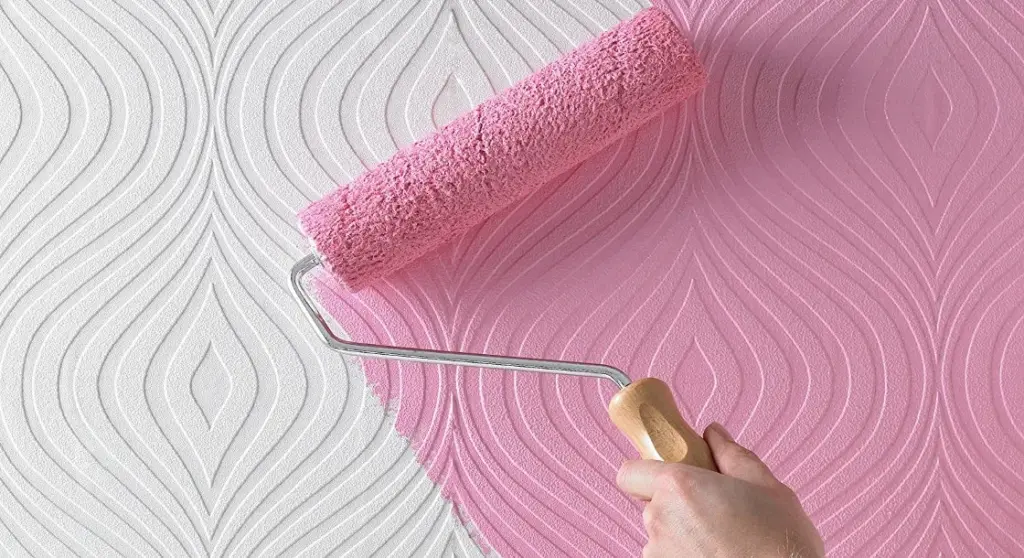
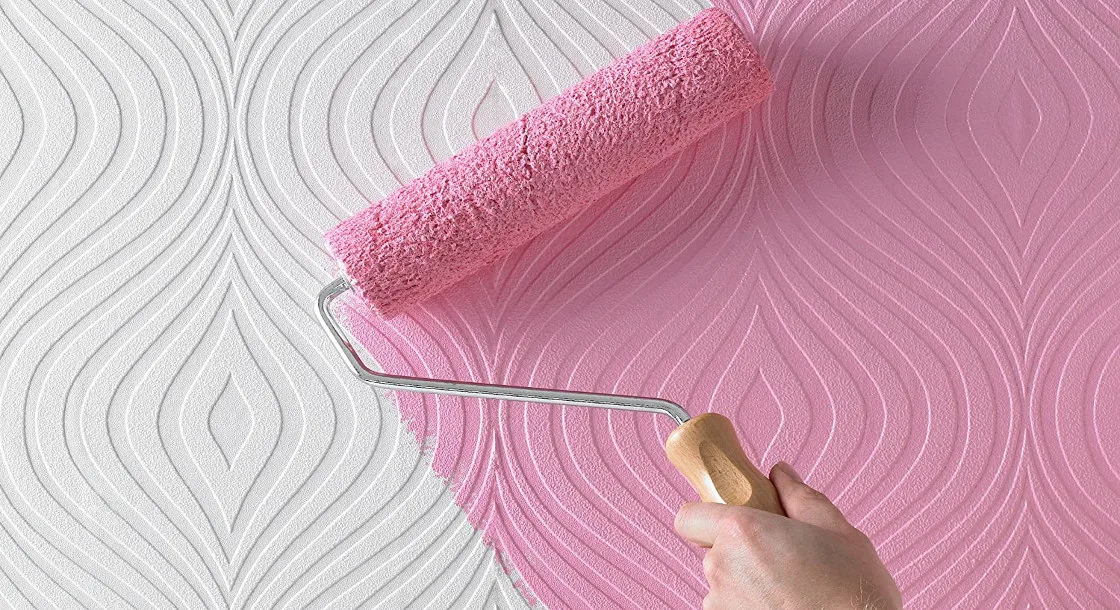
Regarding the type of wall covering, plain and flat wallpaper remains the most suitable candidate for a direct coat of paint. Nevertheless, it is entirely possible to paint over textured or patterned paper, provided the homeowner accepts that the underlying texture or embossed design will remain clearly visible beneath the fresh layers of paint once the job is finished.
Assuming the initial inspection confirms the wallpaper is structurally sound, the preparatory work required before painting is relatively straightforward. The room should be properly cleared and protected, and high-quality decorator’s masking tape should be applied carefully along baseboards, door frames, and architectural moldings to secure clean lines and protect surrounding surfaces from accidental splashes or spills.
Even when dealing with light-coloured or unpatterned wallpaper, applying at least one coat of primer is heavily recommended by professionals. Priming helps create a clean, uniform foundation for the topcoat and significantly improves the ease with which the paper can be fully and evenly covered.

A critical technical detail in this process involves the choice of primer. Standard water-based primers can sometimes penetrate too deeply into the wallpaper, introducing excess moisture that can reactivate or weaken the underlying adhesive paste. To avoid compromising the bond of the wallpaper, experts recommend opting for an oil-based primer or specialized all-in-one primer and sealer combinations designed specifically to stabilize difficult surfaces before painting. Applying at least one—and ideally two—coats of an appropriate primer, followed by adequate drying time, ensures the surface is properly sealed and stabilized before the final colour is introduced.
Once the priming stage is complete and thoroughly dry, homeowners can select their preferred topcoat paint colour and begin transforming the space. While planning and proper preparation make painting over wallpaper entirely feasible without major complications, certain issues can still occasionally arise during or after the process. Fortunately, most of these challenges can be successfully resolved or mitigated with a modest amount of additional effort and attention to detail.
One common issue involves the appearance of thin gaps between individual strips of wallpaper. While correct initial installation generally prevents this, wallpaper can sometimes experience slight shrinkage as it dries after being pasted, leaving narrow seams between the sheets. While this does not completely ruin the plan to paint over the walls, it does require deliberate intervention.
Assuming the wallpaper remains firmly affixed and structurally sound overall, a standard wall filler can be utilized to camouflage the gaps between the sheets. Professionals advise carrying out this corrective step after the primer coats have been applied. Once the filler has set completely, it must be meticulously sanded back until it is perfectly flush with the level of the surrounding paper. Because any raised or uneven filler will show up prominently and detract from the final appearance once painted over, taking the extra time to achieve a smooth, seamless finish is essential for a professional-looking result.