The international art market is currently navigating a period of intense activity, marked by high-profile divestments from major contemporary figures, unexpected security breaches, and significant shifts in institutional leadership. From the auction blocks of major houses to the hallowed halls of international museums, the art world continues to serve as a bellwether for cultural priorities and market volatility.
In the Spotlight: Market Shifts and Security Crises
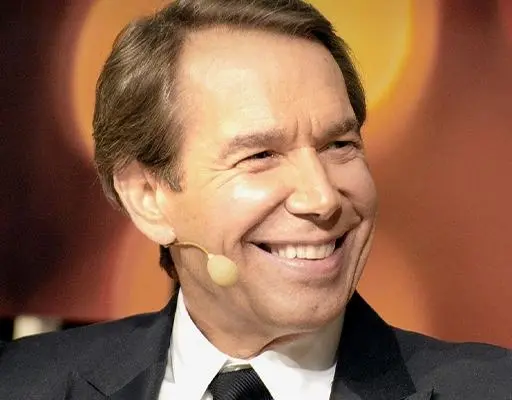
Perhaps the most significant development in the commercial sector is the decision by Jeff Koons, one of the most recognizable and commercially successful artists of the 21st century, to part with a substantial portion of his personal collection. Reports indicate that Koons is preparing to offer approximately $100 million worth of art at Christie’s this fall. The collection is a testament to the artist’s diverse aesthetic interests, featuring a range of works acquired during a prolific buying spree in the late 2000s. The trove is notably eclectic, encompassing Dutch Golden Age masterpieces alongside works by titans of modernism, including Pablo Picasso and Édouard Manet. This sale represents not just a reconfiguration of a private collection, but a significant movement of blue-chip assets that will undoubtedly capture the attention of high-net-worth collectors and market analysts alike.
While the market experiences this internal reshuffling, the security of artistic heritage remains a point of concern. French authorities are currently grappling with the aftermath of a daring art heist that has sent shockwaves through the cultural community. Thieves successfully made off with a 330-pound bronze book cover designed by the legendary surrealist Salvador Dalí. The piece, titled Livre de l’Apocalypse, is far from a standard decorative object; it is a collaborative “masterpiece” that involved the input of 14 distinguished artists and writers. Due to its sheer mass and the prestige of its contributors, it stands as one of the most expensive and heavy books ever produced, making its theft a logistical challenge for the perpetrators and a profound loss for the art historical record.
On a brighter note, the intersection of pop culture and high art continues to yield impressive engagement metrics. RM, the globally renowned K-pop star and member of BTS, has officially made his curatorial debut at the San Francisco Museum of Modern Art (SFMoMA). The exhibition, which focuses on his personal collection of Korean art, has proven to be a blockbuster success for the institution. With 50,000 tickets already reserved, the show highlights the growing influence of celebrity curators in bridging the gap between mainstream entertainment and institutional fine art, drawing a younger, broader demographic to museum spaces.
Museums and Galleries: Institutional Evolution
Institutional landscapes across the globe are also undergoing meaningful changes, both in their programming and their administrative structures. A landmark research partnership has been established between Amsterdam’s Rijksmuseum and the Museo Nacional del Prado in Madrid. This collaboration is specifically designed to reassess and elevate the role of women in art and history. The partnership is ambitious, involving a dedicated fellowship program that aims to foster scholarship in the field, culminating in a major exhibition currently slated for 2029. Such initiatives signal a broader trend within European institutions to address historical gaps in representation and to promote a more inclusive narrative of art history.
In London, the architectural legacy of Zaha Hadid is being celebrated through the opening of a new arts space. The Zaha Hadid Foundation (ZHF) has meticulously transformed the late architect’s former headquarters into a venue for public engagement. Set to open its doors on October 29, the space promises to serve as a hub for architectural discourse and cultural exchange, ensuring that Hadid’s impact on the built environment remains accessible to the public long after her passing.
Funding for institutional growth continues to play a vital role in regional museums. The Phoenix Art Museum in Arizona has announced a significant $5 million donation from philanthropist Sukumar Nagendran. This infusion of capital is earmarked for the expansion and enhancement of the museum’s Sri Lankan and South Asian art galleries. By investing in these specific collections, the museum aims to deepen its engagement with the artistic traditions of South Asia and provide a more comprehensive global perspective for its visitors.
Leadership changes remain a defining feature of the current museum climate. The Louvre Abu Dhabi has appointed Souraya Noujaim as its new director. Noujaim is intimately familiar with the institution’s inner workings, having previously served as the museum’s director of scientific, curatorial, and collections management. Her promotion reflects a trend of internal succession, prioritizing continuity and deep institutional knowledge in the leadership of major cultural entities.
Similarly, in Hong Kong, the arts sector is seeing a consolidation of leadership. Philip Tinari, who had been serving as the “head of art” at Tai Kwun since January, has officially been named the director of Tai Kwun Arts. His appointment is expected to provide a steady hand for the organization as it continues to navigate the complex and competitive landscape of the Asian art market.
Auctions and Market Anomalies
The secondary art market continues to produce stories that underscore the unpredictable nature of estate sales and provenance. In a remarkable turn of events, a painting by Gertrude Abercrombie—purchased for a mere $30 at an estate sale in Kalamazoo, Michigan—recently ignited a fierce bidding war at auction, ultimately fetching $1.35 million. The auction house involved noted that the buyer, who recognized the significance of the work, effectively “saved it from forever being lost.” This event serves as a poignant reminder of the enduring potential for discovery in the art market, where overlooked treasures can still emerge from private homes to claim their place in the spotlight of the international stage.
Fairs and Biennials: Global Perspectives
As the calendar moves toward 2027, the focus of the international biennial circuit is beginning to crystallize. The New Museum in New York has unveiled the list of artists participating in its 2027 Triennial. The selection is notable for its geographic breadth, featuring 36 artists and collectives representing 34 nations. By emphasizing such a diverse range of international voices, the Triennial is positioning itself as the most globally focused edition to date. This commitment to internationalism reflects a broader shift in the biennial model, which increasingly seeks to bypass traditional art-world centers in favor of a more nuanced, decentralized exploration of contemporary creative practice.
These developments, from the $100 million divestment by Jeff Koons to the grassroots discovery of a long-lost Abercrombie, paint a picture of a sector that is simultaneously obsessed with high-value provenance and the potential for unexpected discovery. Whether through the strategic expansion of museum galleries, the appointment of experienced leaders to guide cultural institutions, or the continued curation of international exhibitions, the art world remains a dynamic field defined by its ability to balance financial magnitude with cultural legacy. As these institutions and market players move into the coming seasons, the emphasis appears to be shifting toward greater inclusivity, structural stability, and a renewed appreciation for the provenance of the objects that define our collective history.