The global art landscape is in a state of dynamic flux as we approach the final months of 2026. From the structural evolution of the world’s most prestigious quinquennial exhibition to significant discoveries in provenance and the high-stakes drama of the international auction circuit, the current news cycle reflects a sector balancing institutional expansion with historical accountability.
Documenta 16 Hires Four New Curators
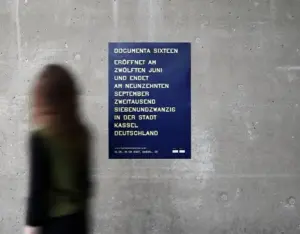
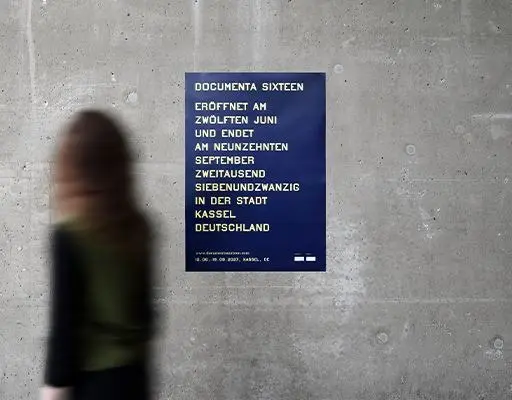
As preparations for the 16th edition of the documenta intensify, the organization has announced a strategic expansion of its curatorial team. The quinquennial exhibition, based in Kassel, Germany, has appointed Osei Bonsu, Raven Chacon, Timea Junghaus, and Noam Segal to join its core curatorial group. This selection brings a diverse range of voices to one of the most scrutinized platforms in the contemporary art world.
The inclusion of these four figures signals an intent to broaden the intellectual scope of documenta 16, which is already under intense observation following the logistical and ideological challenges of previous editions. By integrating curators with deep experience in site-specific performance, indigenous art histories, and interdisciplinary practice, the leadership aims to navigate the complexities of the 2026 iteration with a more nuanced, multifaceted perspective. The team is now tasked with weaving these new curatorial threads into a cohesive narrative that speaks to the urgent, often polarized, socio-political conditions of our time.
Further Artists Announced for Skulptur Projekte Münster 2027
While Kassel looks to the upcoming documenta, the city of Münster is gearing up for its own legendary decennial event, Skulptur Projekte Münster 2027. Building on an initial announcement made earlier this summer, the organizers have revealed 13 additional artists and collectives selected to create site-specific commissions for the sixth edition.
The festival, renowned for its dialogue between contemporary sculpture and the historic fabric of the city, continues to push the boundaries of public art. These new additions suggest a focus on experimental, socially engaged, and environmental interventions. As the city prepares to host international visitors, the expanded list of contributors underscores the festival’s enduring reputation as a laboratory for urban art. The curators have clearly prioritized works that challenge the viewer’s perception of public space, ensuring that the 2027 edition remains a critical reference point for the intersection of sculpture and urban life.
Yoshitomo Nara’s Largest Auction Painting Could Fetch $15 Million USD
The secondary market is bracing for a significant moment on November 19, when Yoshitomo Nara’s monumental 2011 painting, In the Milky Lake / Thinking One, hits the auction block. As the artist’s only major painting from that year, the work carries an estimated value of $15 million USD.
Nara, whose work is celebrated for its blend of punk-rock angst and melancholic innocence, has seen his market reach unprecedented heights over the last decade. This specific canvas is widely considered a cornerstone of his mid-career output, and its appearance at auction is being viewed as a litmus test for the resilience of the high-end contemporary art market. With collectors increasingly seeking rare, museum-quality works, the outcome of this sale will likely set a new benchmark for Nara’s secondary market performance.
Museums & Galleries: Restitution and Discovery
The importance of provenance and historical research has come to the fore through two notable recent events. In France, the Musée des Beaux-Arts d’Orléans has successfully recovered a 17th-century Dutch painting that had been looted during the Second World War. The recovery was facilitated by a targeted “Wanted” campaign, highlighting how modern transparency and public awareness initiatives can serve as effective tools for restitution. This success story serves as a poignant reminder of the ongoing work required to rectify the cultural displacement caused by global conflicts of the 20th century.
Meanwhile, in the United Kingdom, a significant discovery has been made at Charleston, the historic former home of the Bloomsbury Group. A previously unknown drawing by Duncan Grant, depicting his lifelong friend, collaborator, and lover Vanessa Bell, has surfaced. The sketch is believed to be the final portrait Grant ever made of Bell, offering a profoundly intimate glimpse into their shared lives and artistic partnership. The discovery provides historians and enthusiasts alike with a new piece of the puzzle regarding the internal dynamics of the Bloomsbury circle, a group whose legacy continues to captivate the art world.
Auctions, Fairs, and the Financial Strain of Global Art
The auction market remains a space of both excitement and unpredictability. Beyond the Nara sale, the art world is buzzing over the reemergence of a rare Leonora Carrington painting. After remaining out of the public eye for seven decades, this “cosmic” Surrealist masterpiece has resurfaced, marking a major highlight for the fall auction season. Carrington’s market has been on a meteoric rise, and the reappearance of such a significant work provides a rare opportunity for collectors to acquire a piece of Surrealist history.
However, the international art circuit is not without its financial anxieties. The commissioner of the U.S. Pavilion at the Venice Biennale has issued an urgent plea for funding, citing a $1 million shortfall in the budget required to repatriate the sculptures displayed during the exhibition. Often dubbed the “Art Olympics,” the Biennale represents a massive logistical and financial undertaking for participating nations. The current struggle to cover shipping and insurance costs underscores the precarious funding models that often underpin even the most prestigious national cultural showcases.
Honors and Mourning
In the realm of photography, the shortlist for the 30th edition of the £30,000 Deutsche Börse Photography Foundation Prize has been announced. The finalists’ work reflects a profound engagement with contemporary crises, focusing on themes such as hidden human labor, the perception of veiled women, and the ongoing conflict in Eastern Europe. The prize remains one of the most significant honors in the medium, consistently highlighting photographers who use the lens to document the uncomfortable truths of the modern era.
Finally, the art community has been forced to reflect on the loss of several esteemed figures. The tragic news of the death of Pipo Nguyen-duy, the 64-year-old studio art chairman at Oberlin College, has sent shockwaves through the academic and photographic communities. A Guggenheim fellow and a respected mentor, Nguyen-duy’s contributions to both photography and education were profound.
Additionally, the community is mourning the loss of the Spanish sculptor Miquel Navarro, who passed away at 81. Known for his expansive, intricate installations that mapped real and imagined cities, Navarro was a titan of European sculpture. His death, alongside the loss of other prominent museum leaders and modernists, marks the end of an era for many who have followed their long and influential careers. As the art world moves forward, these legacies continue to inform the debates, exhibitions, and markets that define the cultural landscape of 2026.