The international art world finds itself at a complex crossroads this month, balancing the glitz of elite market gatherings against a backdrop of escalating social unrest and institutional soul-searching. From the pressurized atmosphere of Art Basel Paris to the shifting landscapes of major European museums and the emergence of new curatorial voices, the art sector is navigating a period of significant transition.
In the Spotlight: Resilience and Tension in the Art Market
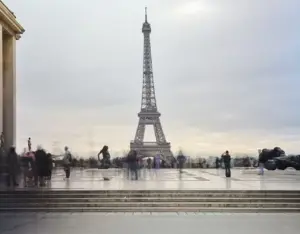
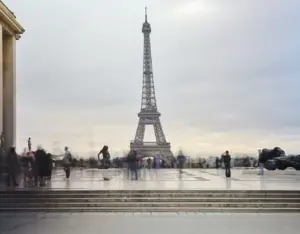
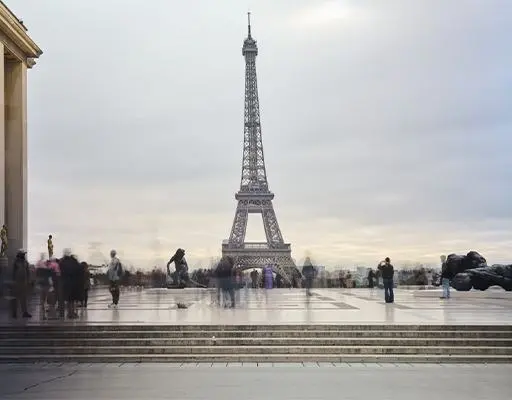
The global art calendar remains a focal point for both economic investment and cultural debate. As Art Basel Paris opened its doors for the highly anticipated Avant-Première preview, the fair faced an unusual and challenging climate. Despite the heavy shadow cast by widespread anti-government protests, riots, and looting across various French cities, the fair drew significant interest from major collectors. The juxtaposition of high-value commerce against a backdrop of civil instability highlights the unique, often sequestered, position the art market occupies during moments of national crisis. For the collectors and dealers in attendance, the fair served as a testament to the resilience of the market, even as the streets outside echoed with the volatility of the current political climate.
Simultaneously, the landscape of private collections in Europe is undergoing a structural change. In Venice, the billionaire collector François Pinault has announced a major strategic shift: the Palazzo Grassi will transition to hosting a permanent display of his expansive private collection. This decision marks the conclusion of the prestigious temporary exhibition program that has long defined the palazzo’s identity as a hub for curated, rotating contemporary art shows. The shift underscores a growing trend among mega-collectors to solidify their legacies through fixed, institutionalized spaces rather than transient exhibition models.
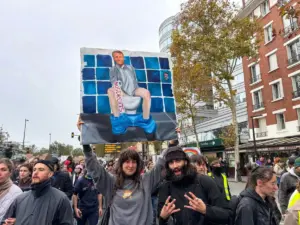
While European capitals grapple with market and collection strategies, Colombia is currently the site of a profound cultural confrontation. Over the weekend, protesters gathered outside the National Museum of Colombia in Bogotá, signaling deep frustration over the institution’s decision to remove more than 30 objects. According to reports from Colombia One, these items were specifically chosen for their historical ties to the struggles of the LGBTQ+ movement, feminism, and the political left. The removal of these artifacts has sparked a heated debate regarding the role of national museums in curating historical narratives and their responsibility to represent marginalized voices, leading to a public outcry that has once again brought the intersection of art and identity politics to the forefront of the public square.
Museums & Galleries: Acquisitions and Institutional Evolution
The institutional sector continues to evolve, with museums actively expanding their holdings to better reflect diverse contemporary practices. Tate has made significant strides in this area, utilizing the Frieze Tate Fund 2026 to acquire new works for the national collection. Among the notable additions are works by Michaela Yearwood-Dan and Luis Fernando Zapata, both of whom have been brought into the national collection for the first time. These acquisitions, facilitated by the high-profile Frieze London and Frieze Masters fairs, reflect an ongoing effort by major public institutions to ensure that the national narrative is enriched by contemporary artists whose contributions are increasingly vital to the global dialogue.
In the United States, the art scene is preparing for a new landmark event. New York City is set to launch its first-ever "Art Week NYC" next month. The initiative promises to be a comprehensive four-day immersion into the city’s creative pulse, with more than 80 museums and galleries participating. The event aims to foster a broader conversation about the state of contemporary art while encouraging public engagement through a city-wide program of exhibitions and discussions. By consolidating the efforts of such a vast number of institutions, the organizers hope to heighten the visibility of the city’s cultural sector and provide a unified platform for curators and artists alike.
Across the Atlantic, institutional leadership is also seeing a shift. The Bluecoat, recognized as England’s oldest art center, has taken a significant step toward its future by naming Emer Grant as its first-ever creative director. This appointment is particularly timely, as the institution prepares to celebrate its centenary in 2027. Grant’s role will be instrumental in shaping the center’s vision as it approaches this historic milestone, ensuring that the institution maintains its historical relevance while adapting to the needs of a contemporary audience.
Auctions and Market Trends
The auction circuit continues to track the value of rare, blue-chip works, with an upcoming sale in Stockholm capturing significant attention. A painting by the pioneering Swedish artist Hilma af Klint, Ser III No.5 (1920), is slated to go under the hammer at Bukowskis next month. Given the extreme rarity of af Klint’s abstract works appearing at auction, the sale is being closely watched by collectors and historians alike. With an estimate ranging between $600,000 and $800,000, the auction has the potential to break the artist’s current record, reflecting the sustained and growing demand for her unique contribution to the history of abstract art.
Fairs, Biennales, and Curatorial Vision
The curatorial landscape for large-scale international exhibitions is also being reshaped. The Biennale de Lyon has announced the appointment of Hélia Paukner as its new artistic director, with her term set to officially commence on February 1, 2027. Paukner’s appointment signals a new chapter for the biennale, as the organization looks to define its direction in the coming years.
In Paris, the boutique-style contemporary art fair Asia NOW has introduced the "New Voices" initiative, a program designed to highlight the curators who are effectively bridging the gap between Asian art practices and their global diasporas. By spotlighting emerging talent and specifically focusing on South Asian practices, the fair is positioning itself as a vital conduit for voices that have historically been underrepresented in the Western market. This focus on curatorial bridge-building is indicative of a broader shift within the fair ecosystem, where the goal is increasingly to foster deeper, more nuanced connections between regional practices and the international art stage.
Recognition and Awards
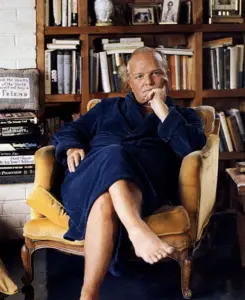
The Irish art scene recently celebrated a significant milestone with the announcement of the inaugural Francis Bacon Awards for Irish Visual Arts, held in conjunction with Dublin Gallery Weekend. The awards recognized two prominent figures: artist Patrick Graham and Northern Irish artist Cathy Wilkes. The establishment of these awards serves to honor the legacy of Francis Bacon while simultaneously acknowledging the vital work of contemporary Irish artists who have consistently pushed the boundaries of visual expression. By awarding both Graham and Wilkes, the committee has underscored the diversity and depth of the current Irish artistic landscape, providing a prestigious platform that celebrates both established and influential careers.
As the international art community moves through the remainder of the year, these events—ranging from the high-tension environment of Paris to the celebratory atmosphere of Dublin—reveal a sector that is increasingly reflective of the global conditions in which it operates. Whether through the acquisition of new works for national collections or the quiet, determined protest of museum-goers in Bogotá, the art world continues to act as a mirror to the societal, political, and economic shifts of our time.