When gardening enthusiasts discuss extreme growing conditions, they typically swap stories about urban fire escapes in Manhattan, tiny window boxes in bustling metropolises, or improvised vegetable patches set up by soldiers stationed in arid conflict zones like Iraq. Yet, these terrestrial challenges pale in comparison to the ingenuity required to cultivate plant life at the bottom of the world. For years, the Fine Gardening Garden Photo of the Day (GPOD) series has showcased incredible domestic backyards, community plots, and exotic botanical escapes. However, a deep dive into the archives reveals one of the most remarkable agricultural endeavors ever undertaken: a thriving hydroponic garden operating deep within the frozen expanse of Antarctica.
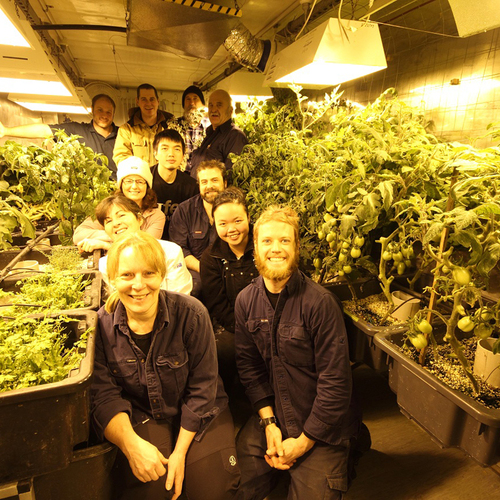
The story of this polar oasis comes courtesy of Darryl Seidel, who served as a station plumber and the manager of the hydroponics unit in 2012 at the Australian Antarctic Division’s Davis Station. Reflecting on his unusual assignment, Seidel noted that his prior gardening experience was limited to modest vegetable and flower patches at his home in Adelaide, Australia. In fact, he had never worked with hydroponic systems before landing a job on the remote continent. The daunting technical challenge of growing food in one of the most inhospitable environments on the planet was precisely what inspired him to take on the role as part of the station’s diverse community responsibilities.
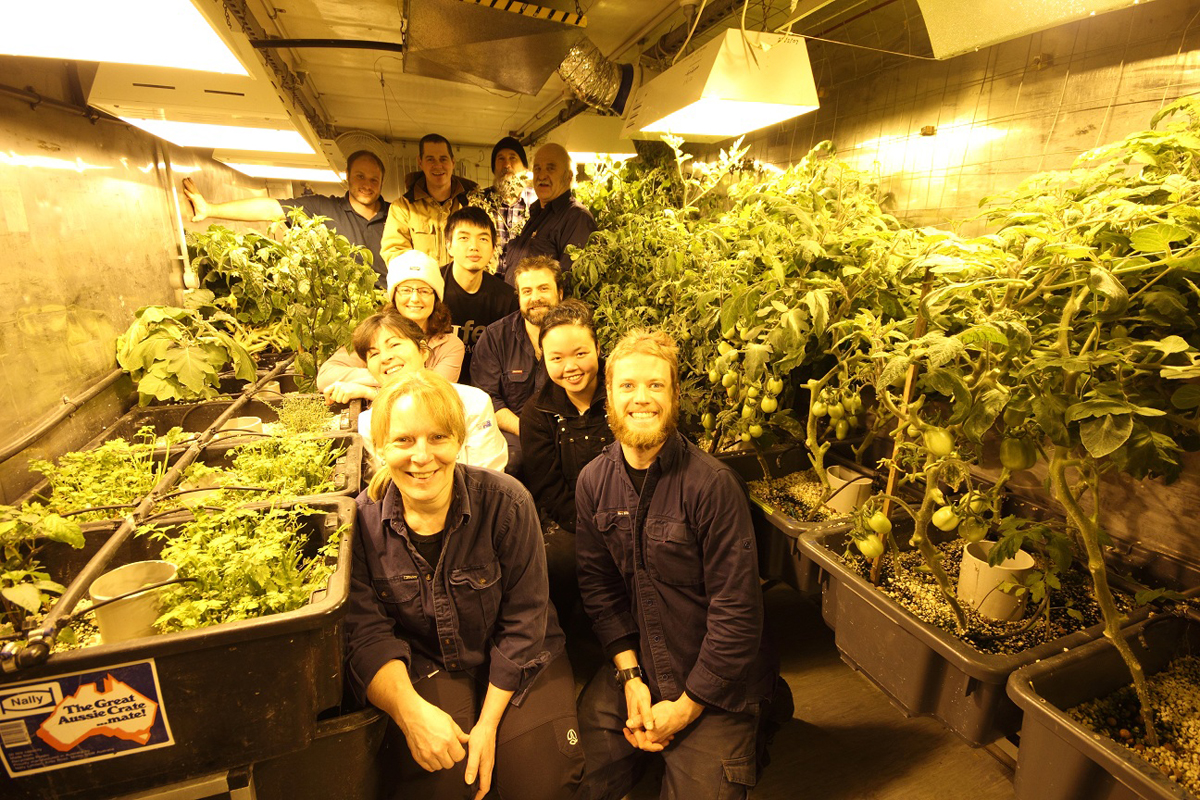
Operating a garden on the frozen continent requires specialized architecture. At Davis Station, the hydroponic setup is ingeniously housed within two insulated shipping containers welded and joined together to create a functional three-room interior. Because the facility cannot possibly produce enough food to sustain the entire station, its primary function is recreational and psychological, serving as a vital morale booster for the crew. Station populations fluctuate depending on the season, surging to over 100 people during the brief summer months, while shrinking to a tight-knit winter crew of 16 to 25 people. During Seidel’s tenure, a crew of 21 individuals stayed over the grueling winter months from April to November, with 14 actively participating in the hydroponics maintenance crew. Maintaining the facility fosters a strong sense of community camaraderie, ensuring that whenever a technical hurdle arises, an abundance of willing hands is always nearby to assist with repairs.
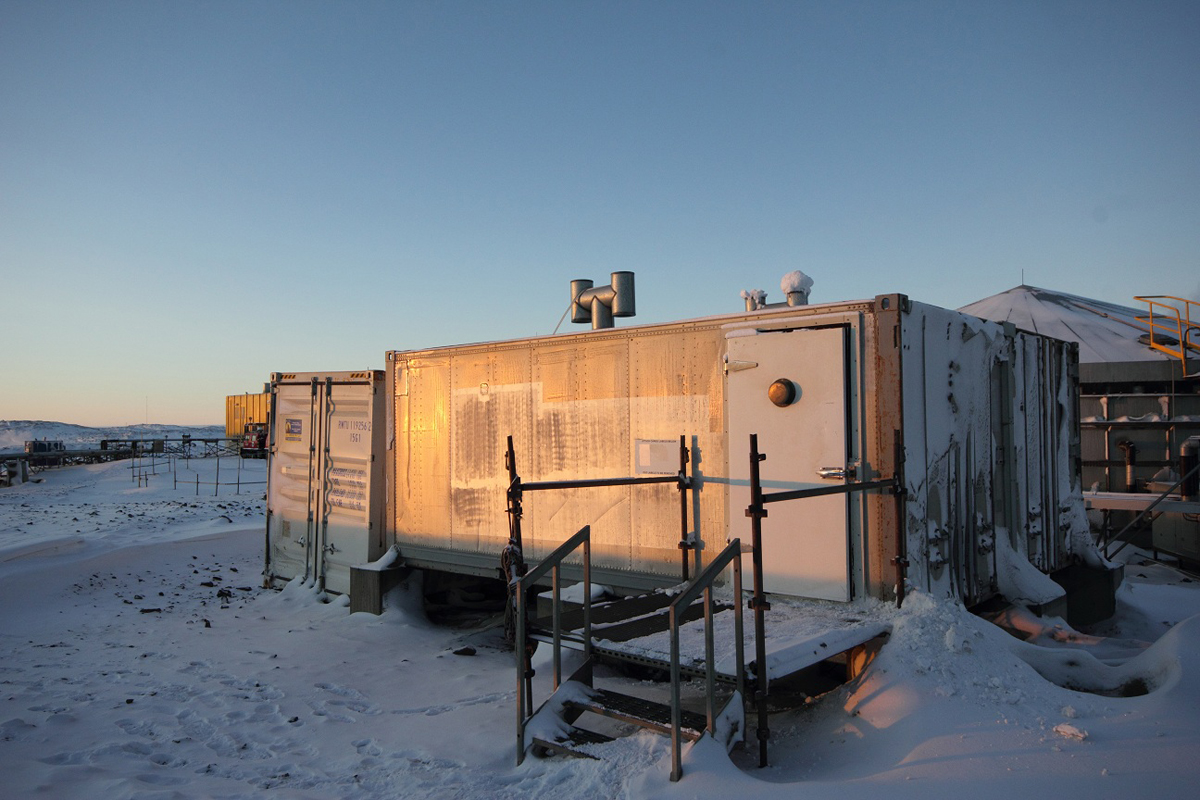
The external climate surrounding this agricultural refuge is nothing short of brutal. Winter temperatures at Davis Station vary dramatically depending on erratic weather patterns. Calm, clear days can plunge the thermometer to an astonishing -30 degrees Celsius (-22 degrees Fahrenheit), accompanied by howling katabatic winds reaching speeds up to 100 knots, equivalent to 185 kilometers per hour or 115 miles per hour. The ambient winter temperature averages around -20 degrees Celsius (-4 degrees Fahrenheit). These external conditions completely preclude any possibility of traditional outdoor agriculture, rendering the sealed, indoor shipping containers an absolute necessity for survival and cultivation.
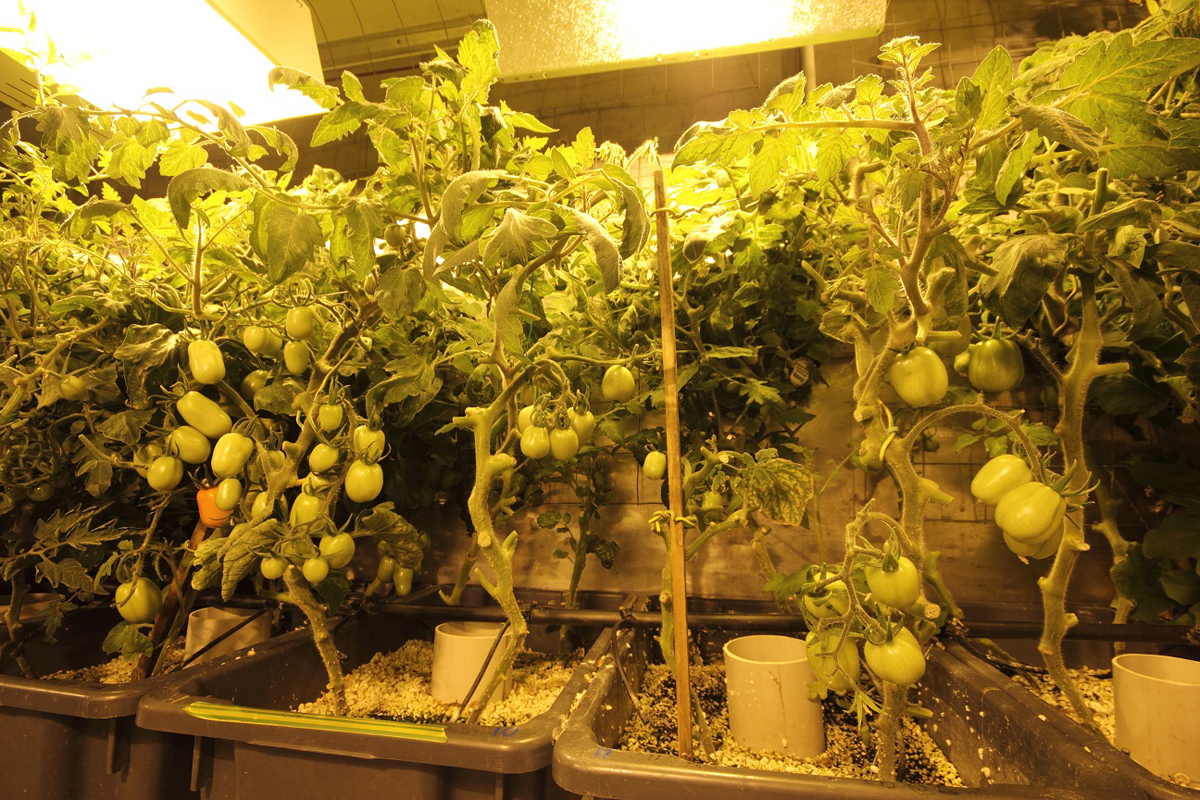
Strict quarantine regulations and severe spatial limitations dictate the scope of what can be grown inside the facility. To comply with rigorous environmental protection protocols, the team is strictly limited to cultivating edible produce. During Seidel’s season, the harvest list featured iceberg and cos lettuce, several distinct varieties of tomatoes, Lebanese cucumbers, capsicums, commonly known as bell peppers, and a diverse selection of culinary herbs. For the station crew, stepping inside the hydroponic chambers offered a sensory escape from the monochrome polar landscape, as the interior environment was consistently maintained at a tropical 27 degrees Celsius (80 degrees Fahrenheit) with 60 percent humidity. Crew members frequently spent as much free time as possible immersed in the warmth and greenery of the garden.
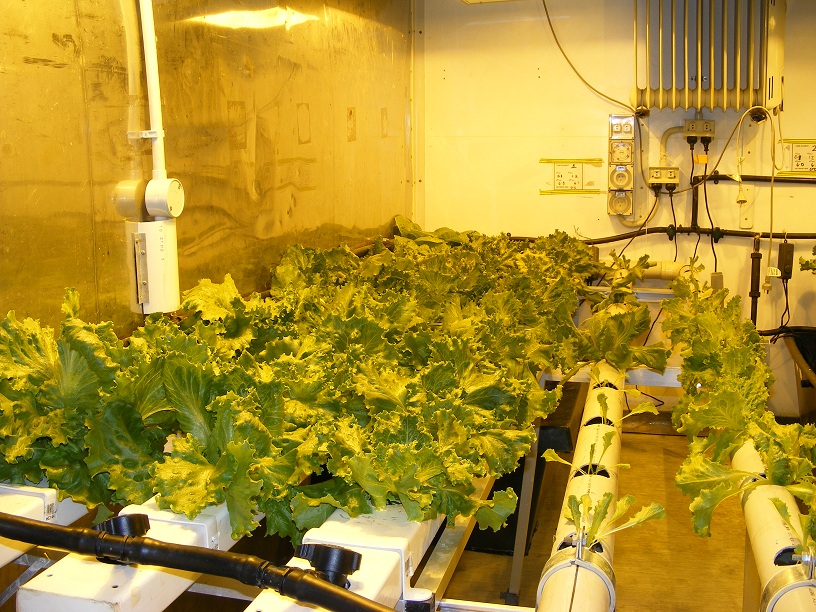
Managing the facility requires rigorous daily oversight and strict biosecurity protocols. Two crew members are assigned on a weekly rotational basis to monitor the plants twice daily, while another two team members specialize in seeding and propagation. To safeguard the pristine, fragile Antarctic ecosystem from any biological contamination, every single crop cycle is systematically removed and completely incinerated at the end of the season. This destruction protocol includes not only the plant matter but also the growing media itself, ensuring that no non-native species, pathogens, or diseases are ever introduced into the surrounding environment.
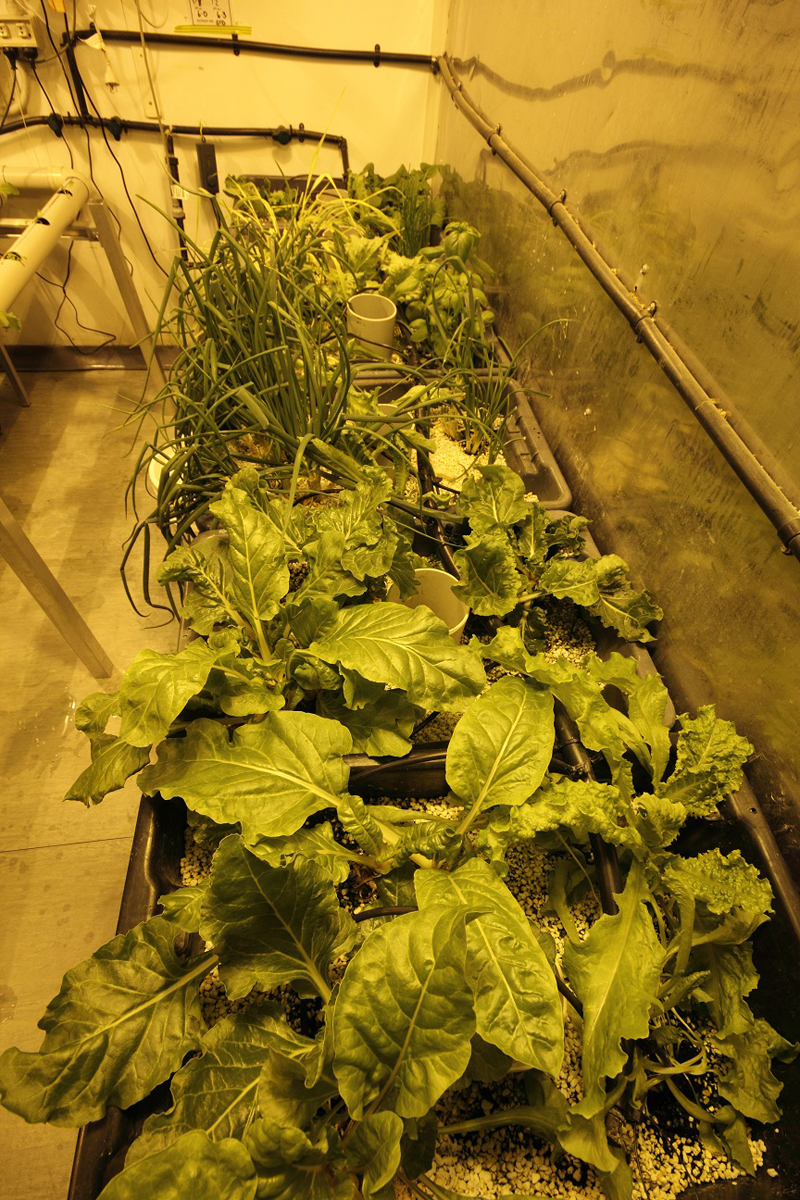
While the isolated, sterile nature of Antarctica protects the crops from many common agricultural pests and diseases, maintaining the infrastructure against the external cold remains a constant battle. The primary threat to the operation is the risk of freezing water lines and building failures. This vulnerability was starkly demonstrated in mid-June when a door malfunction occurred, allowing blistering external air to flood the facility and displacing the internal heat for a harrowing 12-hour period. The resulting frost caused catastrophic damage, wiping out the vast majority of the crop. Remarkably, however, resilient pockets of herbs and lettuce managed to survive the freeze. Bouncing back from the setback with characteristic determination, the crew replanted the facility, ultimately harvesting more than 60 kilograms, or 132 pounds, of fresh, vibrant produce during their eight months of operation.
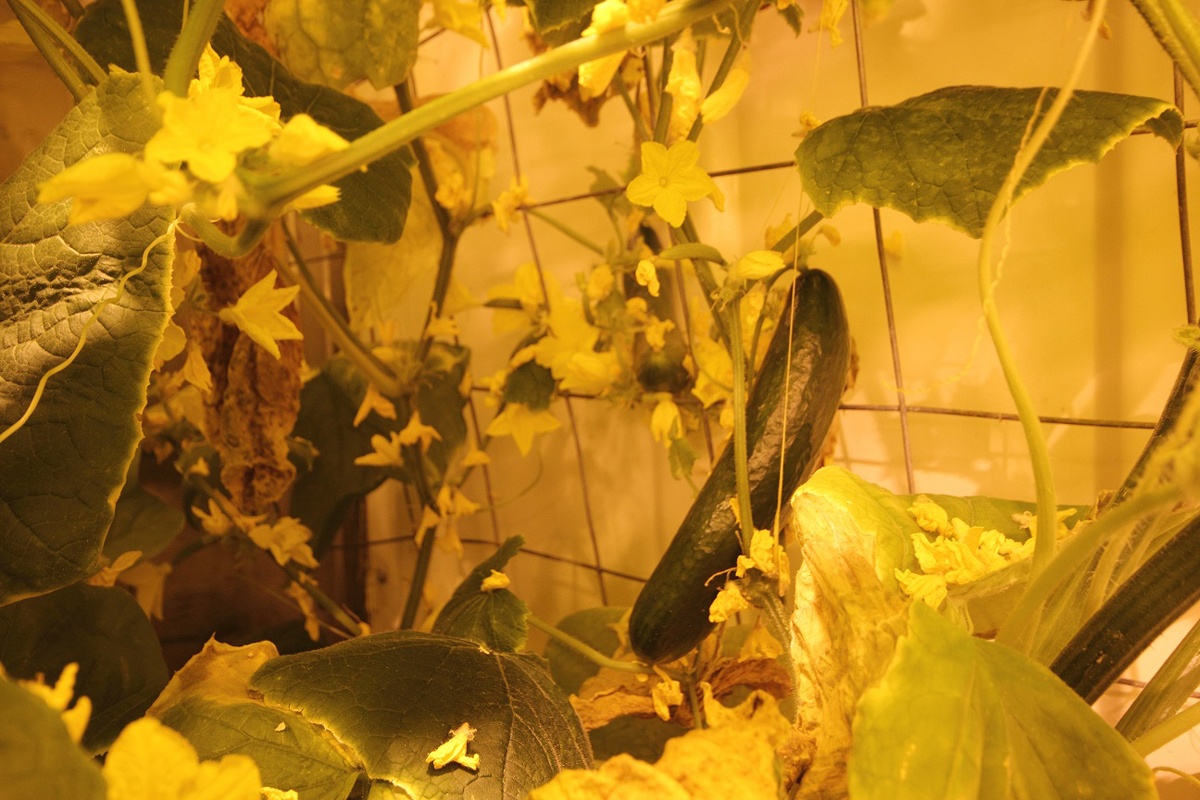
The success of the Davis Station hydroponic unit stands as a testament to human adaptability, proving that dedication and ingenuity can establish a flourishing patch of green even amidst the most extreme and unforgiving wildernesses on Earth.