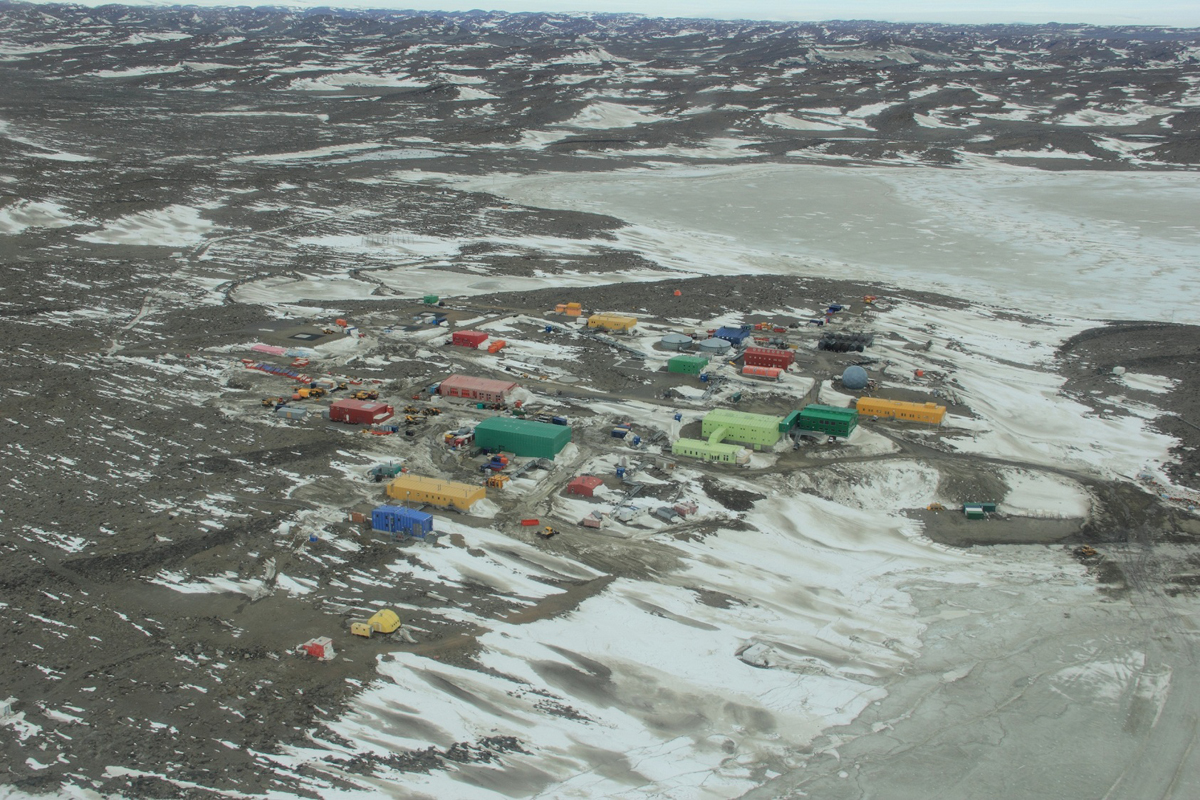
When exploring the lengths to which human beings will go to cultivate a garden, the search inevitably leads to some of the most inhospitable corners of the globe. While stories of improvised container patches on Manhattan fire escapes or compact vegetable plots utilized by soldiers in active deployments are well-documented, true agricultural dedication can be found in an even more extreme location: the frozen expanse of Antarctica. Specifically, at the Australian Antarctic Division’s Davis Station, a dedicated team of researchers and station workers maintains a thriving, high-tech indoor oasis that defies the brutal polar climate.
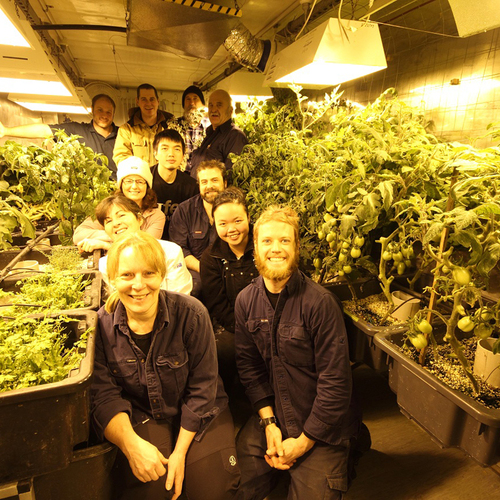
The existence of this remarkable polar garden came to light through the reflections of Darryl Seidel, who served as a station plumber and managed the hydroponics facility during the 2012 season. Seidel, whose previous gardening experience was limited to modest vegetable and flower patches at his home in Adelaide, Australia, took on the role primarily for the unique challenge it presented. Like many of the community jobs necessary to keep an Antarctic research station running smoothly throughout the year, managing the station’s greenhouse setup is a shared responsibility embraced by the crew.
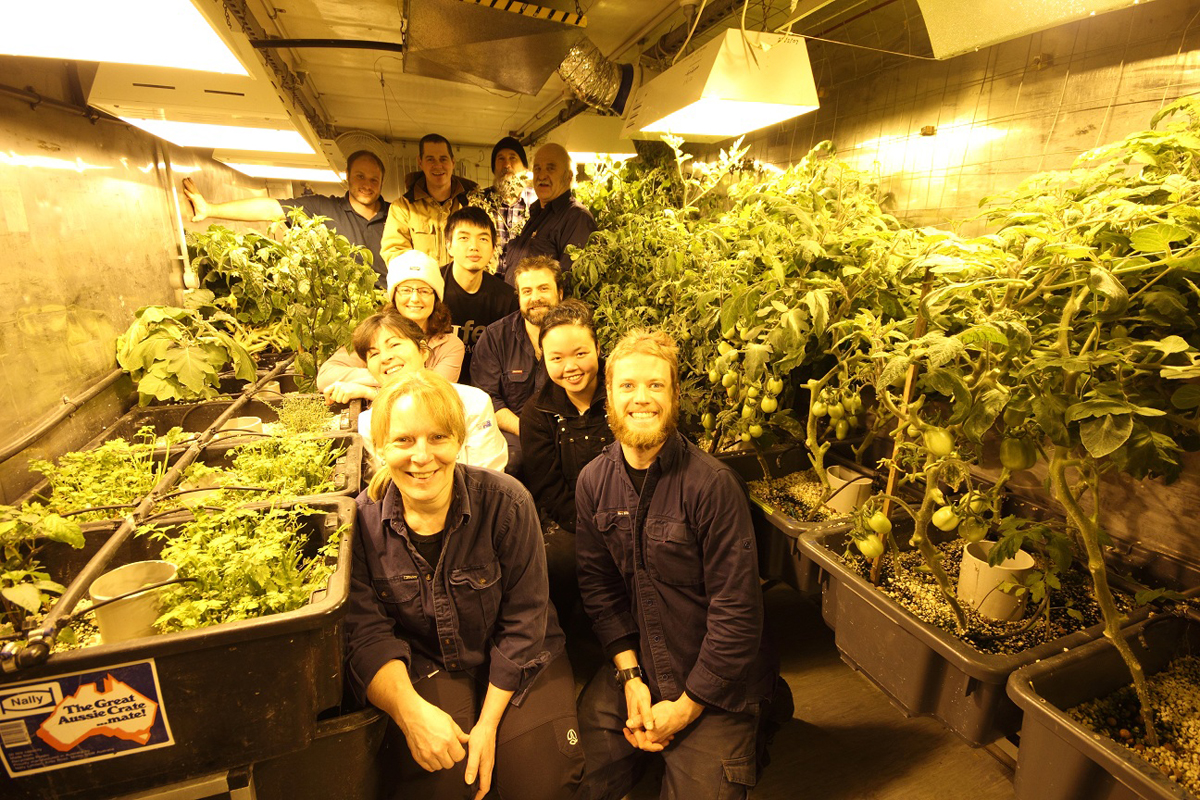
Inside the Antarctic Hydroponics Facility
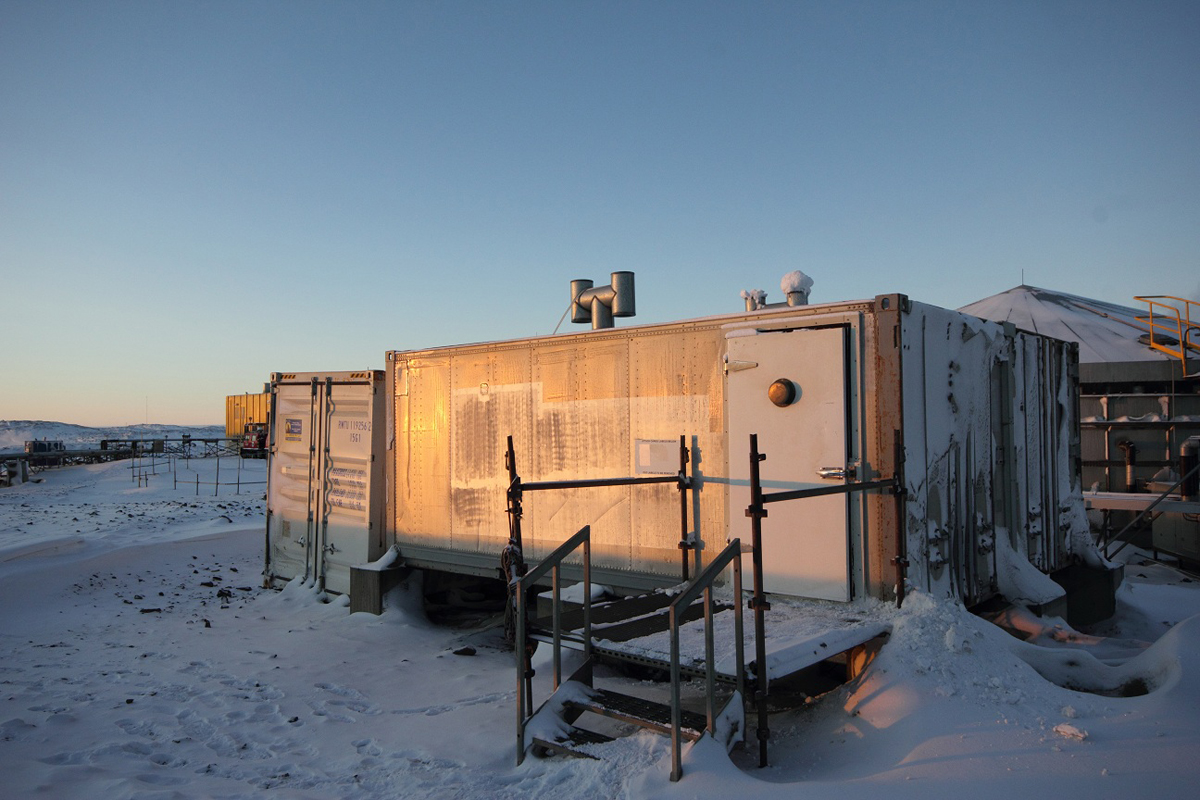
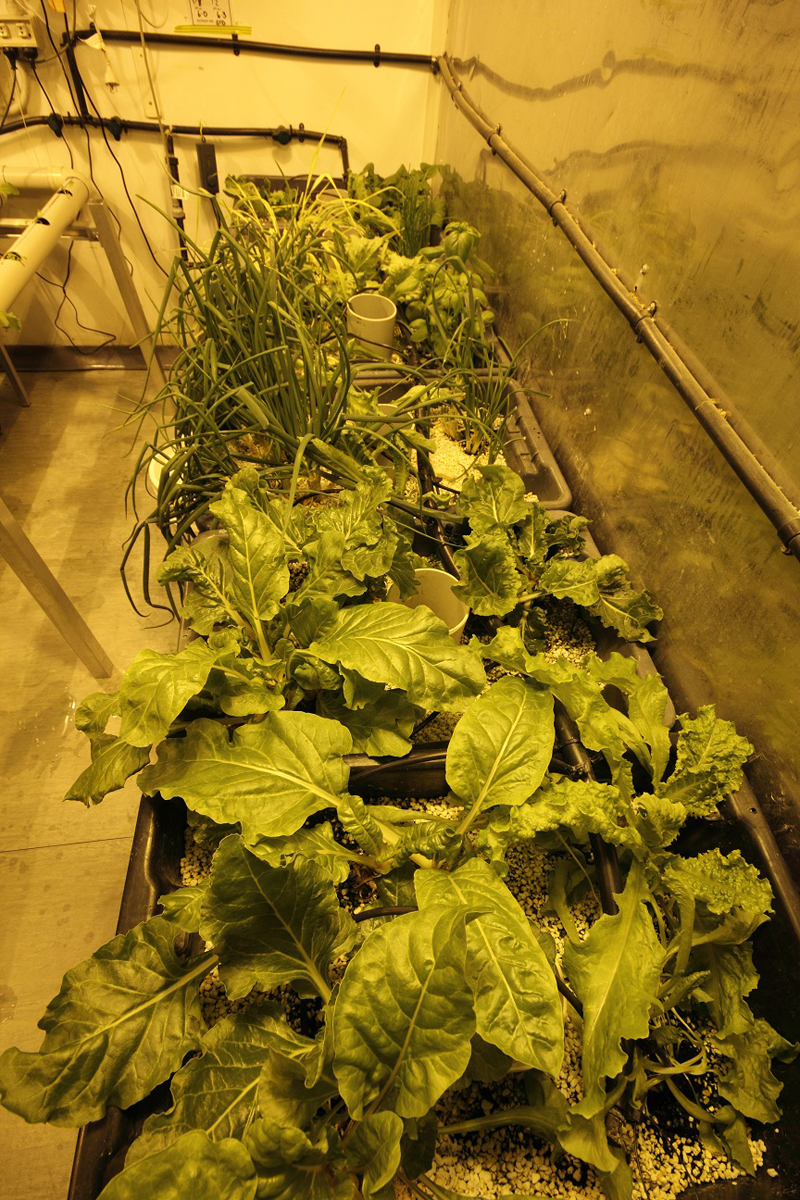
The agricultural infrastructure at Davis Station is as functional as it is unique. Housed within two modified shipping containers joined together to form a secure three-room complex, the hydroponics system serves a vital psychological and social purpose on the station. While it does not produce enough fresh food to feed the entire population—which can swell to over 100 people during the busy summer months and drop to between 16 and 25 crew members over the winter—it remains an invaluable contributor to station morale.
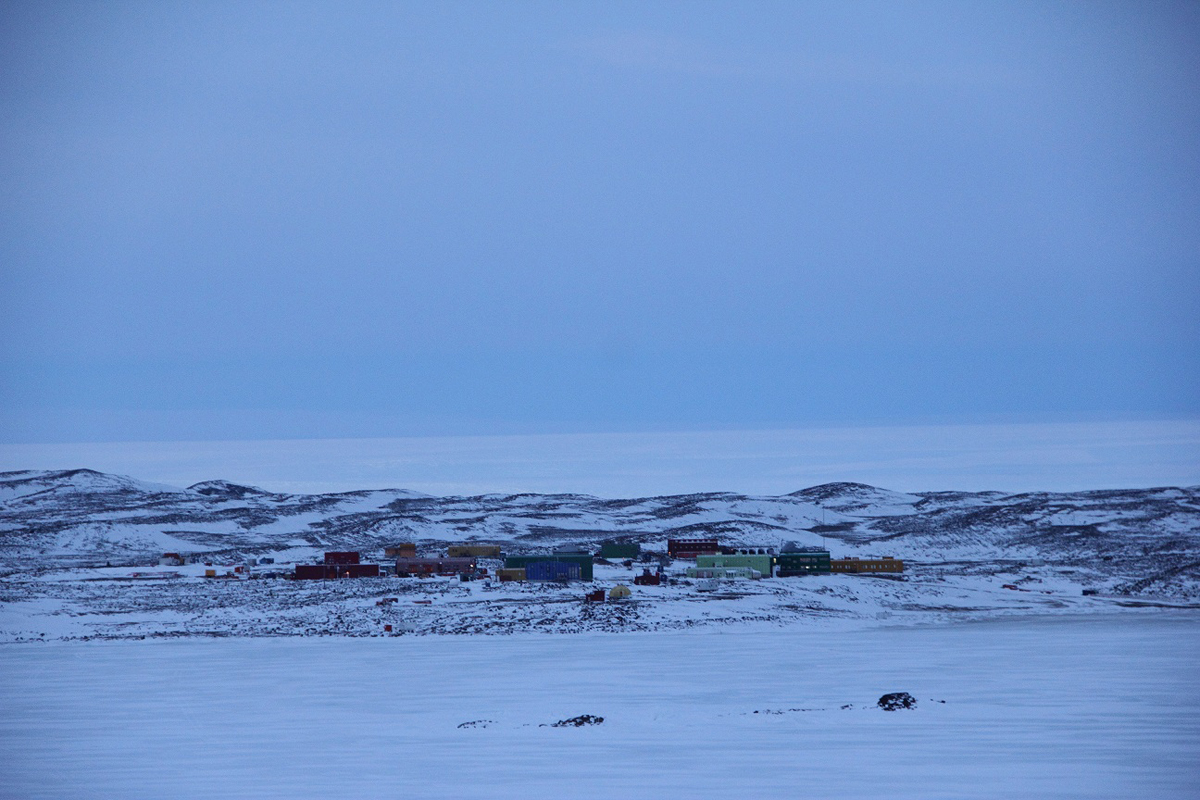
During the winter season when Seidel served, 21 people stayed behind for the long isolation period between April and November, with 14 of those crew members directly participating in the hydroponics crew. Operating the facility fosters a strong sense of community among the overwintering staff, ensuring that any mechanical or operational hurdles are met with a ready team of volunteers eager to assist.
The contrast between the external environment and the interior of the hydroponics containers could not be more stark. Winter temperatures at Davis Station fluctuate wildly depending on local weather patterns. Clear days frequently plunge the thermometer down to -30 degrees Celsius, accompanied by fierce katabatic winds reaching up to 100 knots. With average winter temperatures hovering around -20 degrees Celsius, outdoor cultivation is entirely out of the question.
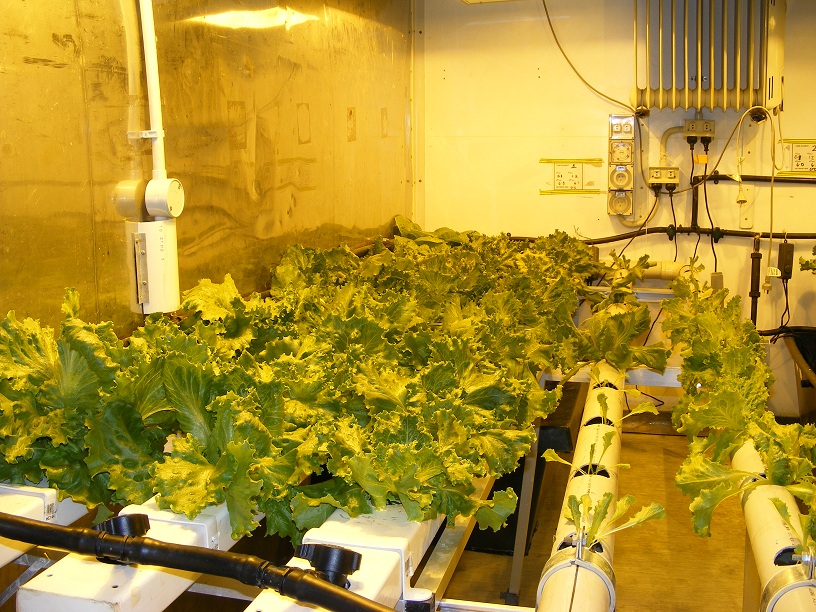
Inside the joined shipping containers, however, the climate tells a completely different story. Crew members often spend as much time working or relaxing in the garden space as possible because the interior environment is consistently maintained at a comfortable 27 degrees Celsius with 60 percent humidity, simulating a warm, tropical microclimate in the middle of the polar desert.
Strict Protocols and Daily Maintenance
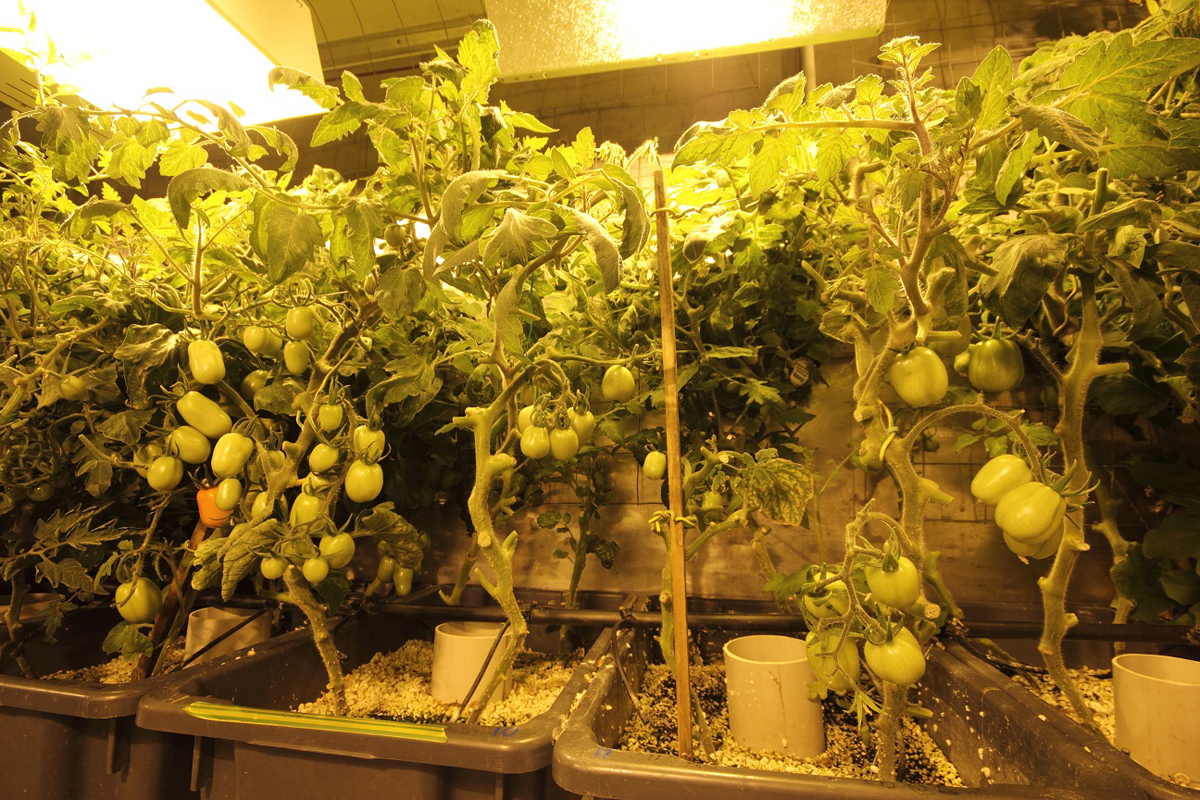
Because of strict environmental protocols, quarantine regulations, and space limitations, the station is restricted to growing edible produce exclusively. During Seidel’s tenure, the crop selection featured iceberg and cos lettuce, several varieties of tomatoes, Lebanese cucumbers, capsicums, and a diverse assortment of fresh herbs.
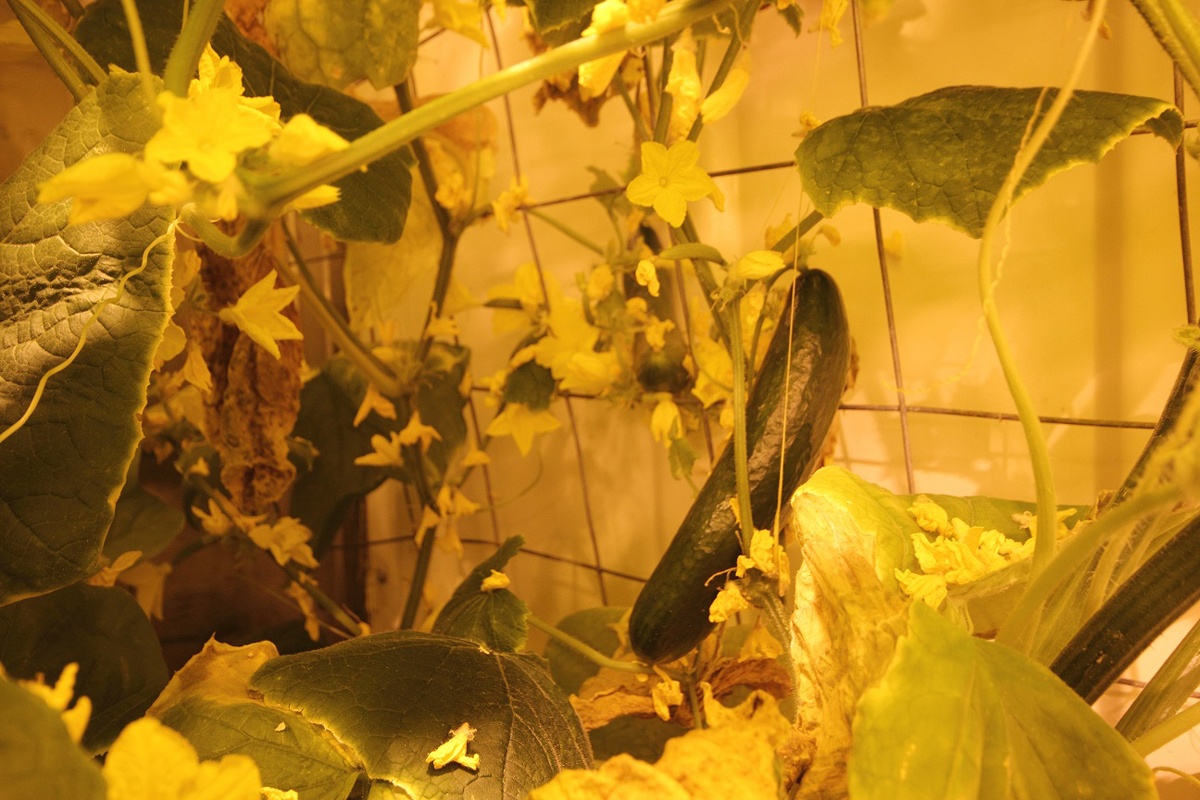
Managing such a sensitive ecosystem in a fragile environment requires rigorous oversight. The station rosters two people per week to monitor the growing plants twice daily, alongside two dedicated crew members who handle seeding and propagation. Furthermore, strict biosecurity measures dictate the end-of-season routine. Every year, all crops, root systems, and even the growing media are completely removed and incinerated. This thorough protocol prevents the spread of plant diseases and ensures that no non-native species are ever accidentally introduced into the pristine Antarctic ecosystem.
Maintaining the warmth of the building and preventing the water lines from freezing present the primary operational challenges for the crew. Because the system is entirely hydroponic and isolated within the Antarctic continent, traditional plant diseases common in commercial agriculture are virtually nonexistent. However, mechanical failures can still pose a significant threat.
During the middle of June, a door malfunction allowed the bitter exterior cold to rush into the facility, letting the heat escape for a twelve-hour period. The resulting frost caused widespread damage, wiping out a significant portion of the crops. Remarkably, the majority of the hardy herbs and lettuce managed to survive the freeze. Rather than succumbing to the setback, the crew replanted immediately, bouncing back stronger than before. Over an eight-month operational window, the hydroponics team successfully harvested more than 60 kilograms of fresh, high-quality produce.
The presence of lush greenery and fresh vegetables provides a profound psychological boost during the dark, isolated months of the Antarctic winter. It stands as a testament to human ingenuity, resilience, and the universal desire to nurture living things, even in one of the most punishing and unforgiving environments on the planet.