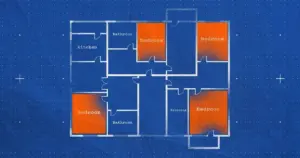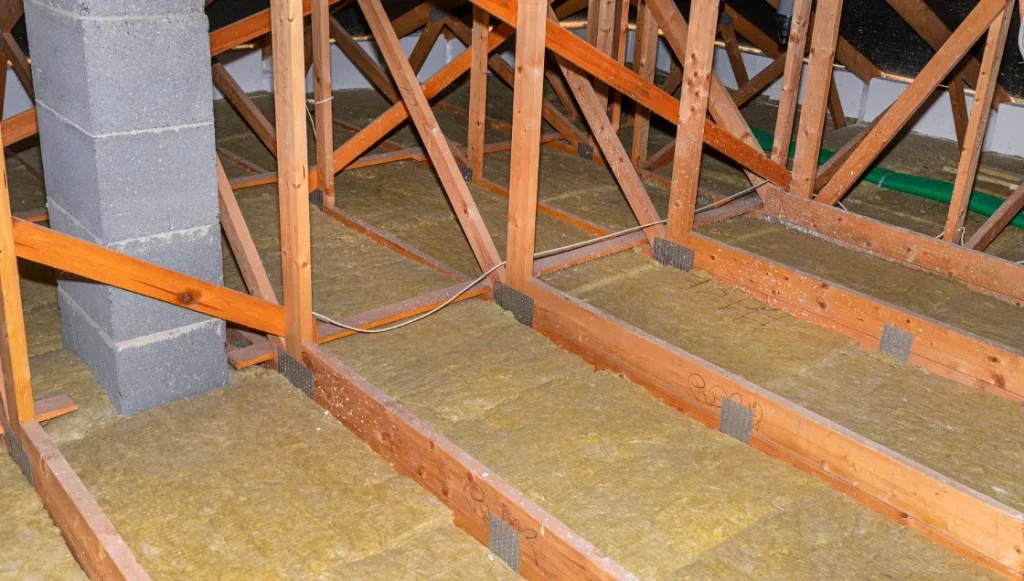
As households across the country prepare for the colder winter months, energy experts and housing authorities are reminding residents of a vital, yet often overlooked, defense against rising heating bills: proper loft insulation. With winter bringing plummeting temperatures and the constant battle against drafty rooms, understanding the state of your home’s attic space has never been more critical for both household comfort and financial well-being.
The challenge of keeping a home warm and cozy is a familiar seasonal hurdle, particularly for owners of older properties or buildings with historically poor thermal envelopes. Heat naturally rises, and without adequate barriers in the loft, valuable warmth escapes directly through the roof and into the atmosphere. This continuous loss of heat not only leaves families shivering during chilly nights but also forces heating systems to work harder, driving up energy consumption and environmental impact.
To combat this, industry guidance emphasizes the importance of evaluating and upgrading loft insulation to recommended depths, typically between 250mm and 270mm. According to data from the Energy Saving Trust, bringing an uninsulated loft up to this recommended standard can save homeowners up to £590 per year on their energy bills. While the initial investment varies depending on the chosen material and whether the installation is handled independently or by professionals, the long-term cost benefits and environmental advantages make it a cornerstone of domestic energy efficiency.
Understanding Loft Insulation and Material Choices
Loft insulation functions by trapping a layer of air within its material matrix, creating a thermal barrier that significantly reduces heat transfer through the top ceiling of a property. However, selecting the right material can often feel overwhelming given the variety of products available on the market. Homeowners generally choose between blanket insulation, loose-fill insulation, and rigid board or slab insulation, each suited to different structural layouts and installation preferences.
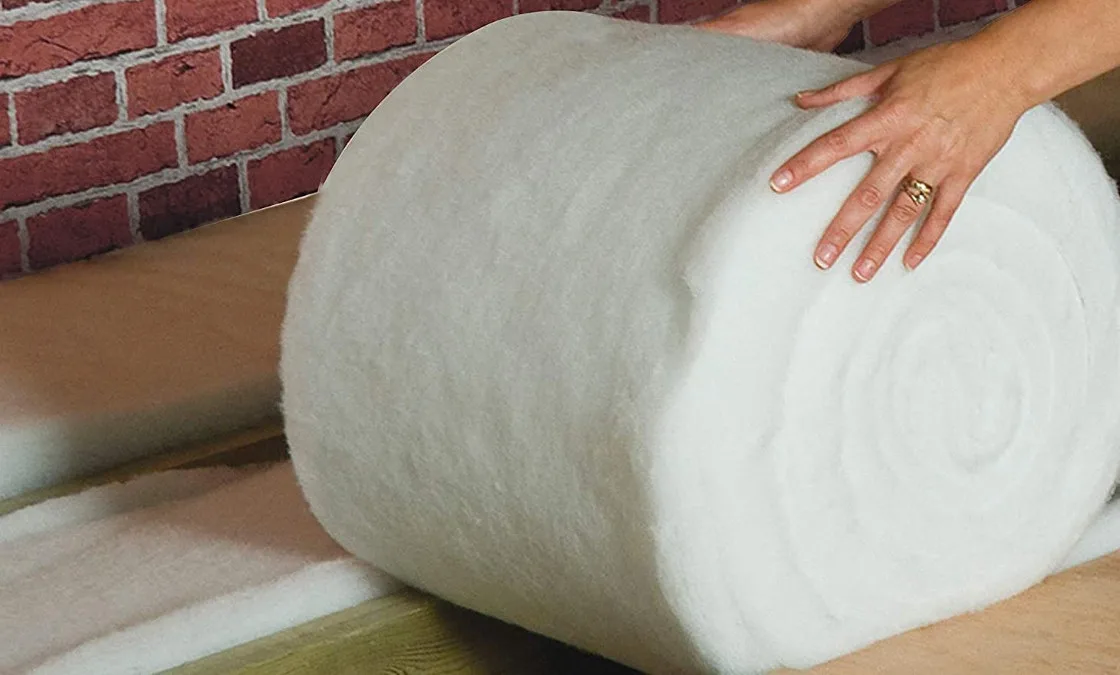
Blanket insulation remains the most common choice for standard attic spaces. Supplied in rolls designed to fit standard joist gaps, it is an economical and widely accessible solution. These blankets are manufactured from a variety of substances, including traditional glass fiber as well as emerging recycled and natural materials. While standard fiberglass blankets are cost-effective, they require personal protective equipment during handling to avoid skin and respiratory irritation.
For those seeking an alternative installation experience, recycled or natural blanket insulation offers significant advantages. Although generally more expensive upfront, these natural alternatives often deliver superior thermal performance in thinner layers and are far more pleasant to handle, eliminating the familiar itch associated with traditional materials.

For awkwardly shaped loft spaces or areas with difficult access restrictions, loose-fill insulation provides a practical alternative. Supplied in manageable bags, materials such as loose cellulose or recycled paper can be poured directly between joists, making them easier to transport through tight access hatches than bulky rolls of blanket insulation.
Alternatively, slab or rigid-board insulation offers dense, structural panels that fit snugly between joists. Available in extra high-density variants, these slabs can also assist with acoustic dampening, adding an extra layer of soundproofing to the home alongside their thermal properties.
Assessing and Preparing the Loft Space
Before any installation work begins, careful measurement of the loft space is essential to calculate the precise volume of material required. Property owners are advised to measure the length and width of the attic floor to determine total square footage, while also gauging the depth of any existing insulation. Because the target depth sits between 250mm and 270mm, measuring existing layers allows residents to calculate exactly how much material is needed to bridge the gap.
Preparation of the physical space is equally important before laying new materials. Dust, debris, and dirt must be cleared from the joist spaces. If the underlying ceiling plasterboard is older and lacks a silver backing, laying a dedicated vapour barrier across the joists is strongly recommended to manage moisture and prevent condensation. This barrier material is simply rolled out, cut to length, and stapled along the inner edges of the timber joists, with careful allowances made for existing pipework and electrical cables.
Installation Considerations and Safety Practices
Whether opting for blanket rolls or loose-fill products, safety remains paramount during the installation process. Protective clothing, gloves, and face masks are standard prerequisites when handling fibrous insulation materials.
When installing blanket insulation, experts recommend keeping rolls sealed in their original plastic packaging until they are physically inside the loft space to prevent loose fibers from circulating into the main living areas. The blanket is then unrolled gently between the joists, taking care not to compress the material excessively, as trapped air is what provides the thermal barrier. When running out of a roll mid-joist, sections must be firmly butted together to leave no thermal gaps.
Electrical safety is another critical consideration during loft upgrades. Electrical fittings and recessed light fixtures situated within the joist spaces generate heat and must never be directly covered by thick insulation blankets, which can cause overheating and potential fire hazards. Installers must carefully cut around such fittings. Furthermore, electrical cables running along the joist gaps should be lifted and repositioned safely on top of the insulation rather than trapped beneath heavy layers.
For loose-fill installations, preparation involves similar cleaning and vapour-barrier checks, accompanied by a small perimeter barrier of blanket insulation around the eaves to prevent loose material from spilling into roof ventilation gaps. The loose material is poured between the joists and leveled off evenly using a wooden board cut to the exact joist spacing. Because loose fill can obscure electrical fittings entirely, customized wooden or cardboard frames are typically constructed around light fixtures to hold the material safely at bay.
Managing Common Issues and Ongoing Maintenance
While effective insulation transforms the thermal comfort of a property, homeowners must remain vigilant about potential side effects, most notably condensation and dampness. Increasing the thermal efficiency of a roof space alters airflow dynamics, making adequate roof ventilation critical. Without proper air circulation, moisture generated within the living spaces below can rise into the loft, condense against colder surfaces, and lead to mold growth or structural timber rot.
Ensuring continuous ventilation through roof vents or maintaining small, clear margins near the eaves helps mitigate this risk. Additionally, sealing potential drafts around loft hatches and gaps in the insulation layer with specialized foam sealants ensures the thermal envelope remains airtight.
Routine maintenance involves periodically inspecting the loft space for signs of wear, shifting materials, pest damage, or moisture accumulation. By addressing minor gaps or damp spots early, homeowners can preserve the integrity of their insulation for decades.
Ultimately, proper loft insulation stands out as one of the most reliable and cost-effective methods for enhancing domestic energy efficiency. By understanding the distinct material options, carefully measuring spaces, and adhering to proper installation and ventilation protocols, households can secure a warmer living environment throughout the winter while making substantial long-term savings on their annual energy bills.