For many homeowners seeking to refresh an interior space, the prospect of painting directly over existing wallpaper offers an undeniably tempting shortcut. Bypassing the notoriously arduous task of stripping old paper, repairing the underlying plaster, and meticulously preparing bare walls can save significant time and physical effort. However, home improvement specialists and interior professionals caution that taking this route requires careful evaluation, as leaping into the project without proper assessment can lead to costly and frustrating pitfalls down the line.
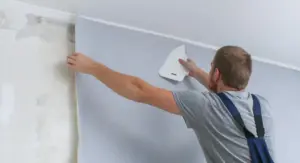
Before deciding to pick up a roller and transform a room’s aesthetic, experts emphasize that a thorough inspection of the current wall coverings is non-negotiable. The fundamental baseline for success is that the paper must be in sound structural condition, completely free from rips, tears, or widespread damage. When wallpaper is heavily compromised or deteriorated, attempting to mask the issues with paint is rarely a viable solution. In such cases, stripping the compromised material and addressing the bare wall beneath remains the most reliable path to a lasting finish.
A primary warning sign that should deter anyone from painting is widespread peeling. Even if the paper is not physically torn, multiple areas lifting away from the wall indicate that the original adhesive is failing. This loss of bond can stem from several factors, including the use of low-quality paste during the initial installation or long-term issues with dampness and moisture infiltrating the room. Painting over peeling wallpaper only exacerbates the problem, as the added weight and moisture from the fresh coats of paint will inevitably pull the loose paper further away from the surface, ruining the final appearance.
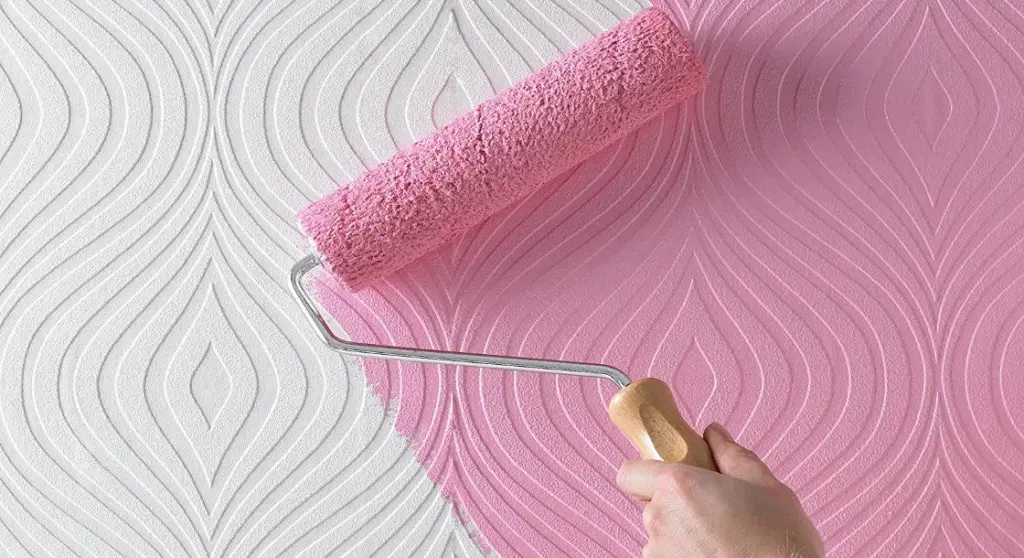
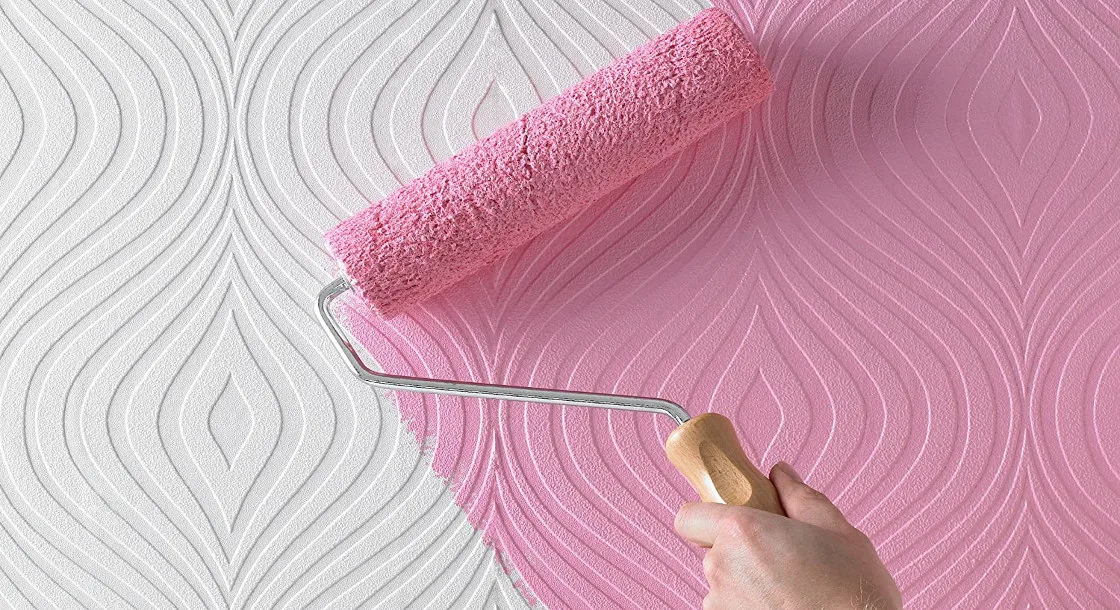
While widespread peeling is a dealbreaker, localized lifting in a single, isolated spot can sometimes be managed before moving forward. Homeowners can carefully re-adhere loose edges using dedicated wallpaper paste, smoothing the paper down meticulously to eliminate any trapped air bubbles. Crucially, the repaired area must be allowed to dry thoroughly before any further work begins. When evaluating the paper’s surface characteristics, plain and flat varieties generally prove most suitable for receiving a coat of paint. Textured and patterned papers can also be painted over successfully, provided the homeowner is comfortable with the underlying texture remaining permanently visible through the new color.
Preparing Wallpaper for Painting
Once an inspection confirms that the wallpaper is in good condition, firmly adhered, and suitable for the project, the required preparation phase is relatively straightforward compared to traditional wall stripping. The surrounding space must be adequately cleared and protected, ensuring that woodwork, fixtures, and flooring are shielded from accidental splatters. Ensuring a clean surface by gently wiping away dust or accumulated grime is also standard practice before any liquid touches the walls.
Priming Wallpaper for Painting
Even when working with light-colored or unpatterned paper, industry professionals strongly recommend applying at least one dedicated coat of primer prior to the main color application. Priming serves a vital functional purpose, helping to achieve a clean, uniform finish and making the underlying pattern or color much easier to conceal with the topcoat.
However, the choice of primer requires careful consideration. Water-based primers can sometimes penetrate too deeply through the porous paper and reactivate or compromise the underlying wallpaper paste, leading to bubbling and lifting. To mitigate this risk, specialists frequently recommend using an oil-based primer or a specialized all-in-one primer and sealer designed specifically to stabilize wallpaper surfaces. Applying one or two thorough coats of an appropriate primer and allowing it to cure completely creates a stable foundation for the final color selection.
How to Paint Over Wallpaper
With the surface fully prepared and the primer dry, homeowners can move forward with applying their chosen topcoat paint color. Using standard rollers and brushes suited to the room’s layout, the application proceeds much like painting a standard plastered wall. Multiple thin coats, applied with adequate drying time in between, generally yield the best visual results and prevent sagging or uneven coverage.

Problems With Painting on Top of Wallpaper
While careful planning and meticulous preparation usually result in a successful transformation, certain complications can occasionally arise when painting over wallpaper. Fortunately, most of these issues can be successfully managed or resolved with targeted corrective work.
Gaps Between Wallpaper Strips
One common issue encountered during the process involves gaps opening up between individual strips of wallpaper. As wallpaper adhesive dries and the paper ages, it can sometimes shrink slightly, leaving thin, noticeable lines between the sheets. While this shrinkage does not automatically ruin a painting project, it cannot simply be ignored.
Assuming the wallpaper remains firmly affixed to the wall on either side of the gap, a standard wall filler can be employed to bridge the division. Experts advise performing this corrective step after the primer has been applied, as the primer helps seal the edges of the paper. Once the filler has cured completely, it must be sanded down with extreme precision until it is completely flush with the surrounding paper surface. Because any raised filler will stand out starkly once the topcoat is applied, taking the necessary time to sand the area smooth is essential for achieving a professional finish.