Revamping the interior of a home often brings property owners to a familiar crossroads: spend hours meticulously stripping old wallpaper, preparing bare walls, and starting from scratch, or take a shortcut by painting directly over the existing paper. While painting over wallpaper is widely recognized as a significantly faster method to refresh a room’s aesthetic, industry experts and interior specialists emphasize that success depends heavily on careful inspection, proper material selection, and rigorous preparation to avoid costly and unsightly mistakes down the line.
Choosing to paint over wallpaper can drastically reduce the labor intensity of a home improvement project. However, before committing to the shortcut, homeowners must conduct a thorough assessment of the walls. The primary prerequisite for a successful paint job over wallpaper is the overall condition of the paper itself. The surface must be entirely free from rips, tears, and extensive damage. If the wallpaper is severely compromised, attempting to paint over it is rarely a viable solution; in such cases, stripping the paper and painting the bare plaster remains the standard recommendation.
Furthermore, experts warn against painting over wallpaper that is already peeling in multiple locations. Even if the paper is not physically ripped, widespread peeling indicates that the underlying adhesive paste is failing. This loss of adhesion can stem from the use of inferior paste during the original installation or, more concerningly, from historical or ongoing dampness within the room. While localized peeling—such as a single loose corner—can occasionally be repaired by re-sticking the paper with fresh paste, allowed to dry fully and smoothed carefully to prevent air bubbles, widespread structural failure means the entire wall covering must be removed.
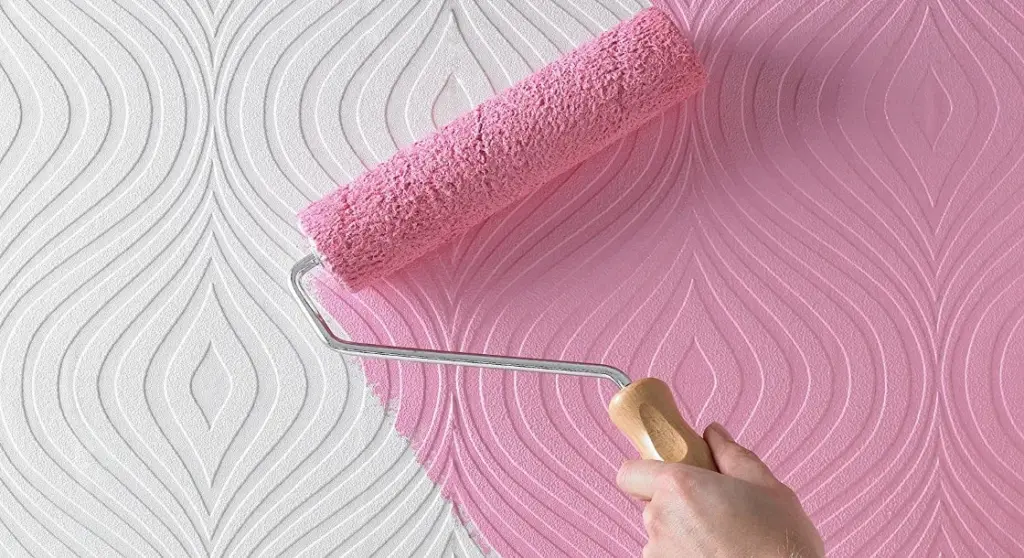
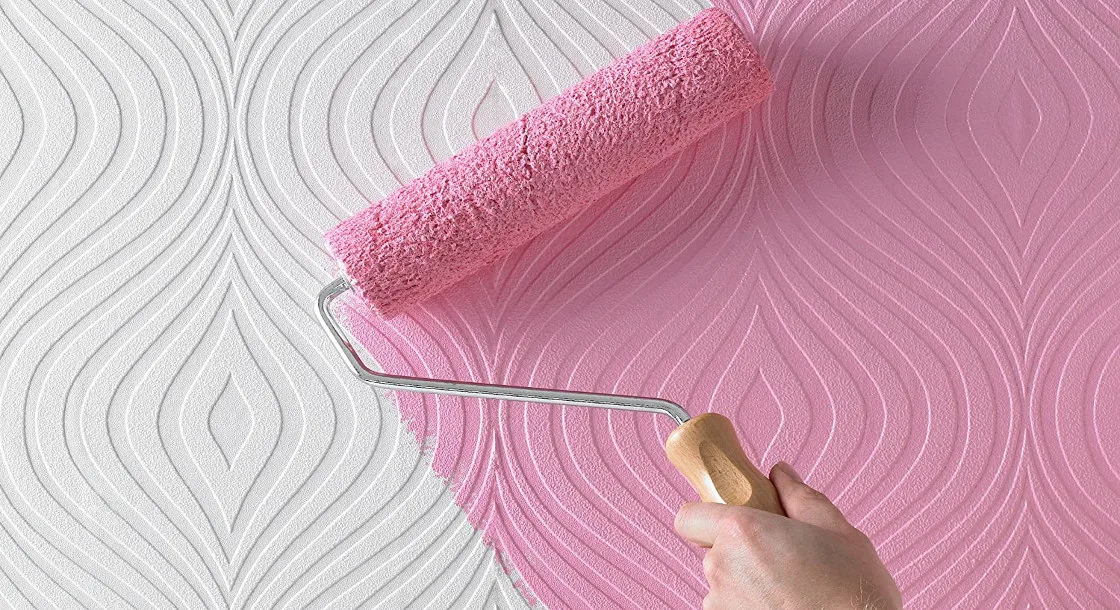
When evaluating wall textures, flat and plain wallpaper offers the most straightforward canvas for a new coat of paint. Nevertheless, textured and patterned paper can also be painted over, provided the homeowner accepts that the underlying texture, relief, or pattern will remain visible beneath the new paint layer.
Preparing Wallpaper for Painting
Once a homeowner confirms that the existing wallpaper is structurally sound, clean, and securely adhered to the walls, the preparatory phase for painting can begin. Although this shortcut bypasses the arduous wallpaper removal process, surface preparation remains critical to achieving a professional finish. Protecting surrounding trim, fixtures, and flooring with decorator’s masking tape sets the stage for a clean application, ensuring that the transition from prep work to painting proceeds smoothly.
Priming Wallpaper for Painting
Regardless of whether the original wallpaper features a light hue or a busy pattern, applying at least one coat of primer is strongly advised before introducing a topcoat. Primer acts as a foundational layer that ensures a clean, uniform finish and improves the overall coverage of the final paint color.
However, the choice of primer requires careful consideration. Standard water-based primers can sometimes penetrate too deeply into the wallpaper, introducing excess moisture that reactivates or compromises the underlying wallpaper paste. To mitigate this risk, professionals recommend utilizing an oil-based primer or specialized sealing products, such as an all-in-one primer and sealer, specifically formulated to prepare challenging surfaces like wallpaper for subsequent coats of paint. Applying one to two coats of the recommended primer and allowing it to cure completely is essential before moving forward with the topcoat.
How to Paint Over Wallpaper
With the priming phase successfully completed and fully dried, homeowners can select their preferred topcoat paint color and begin applying the final layers to the wallpapered surfaces. The process follows standard interior painting methodologies, utilizing rollers and brushes to achieve an even distribution of color across the walls, provided the underlying foundation has been properly sealed and prepared.

Problems With Painting on Top of Wallpaper
Even with meticulous planning and thorough preparation, certain challenges can emerge when painting over wallpaper. Fortunately, most of these potential issues can be successfully managed or avoided with minor corrective work.
Gaps Between Wallpaper Strips
One common issue that may arise involves the natural behavior of wallpaper as it ages and dries. When wallpaper was originally installed, strips were typically hung flush against one another. However, as wallpaper dries completely following pasting, it can occasionally shrink slightly, leaving thin gaps between the vertical strips.
While a hairline gap is not an automatic dealbreaker for a painting project, it cannot simply be ignored, as the gap will remain visible through the paint. Assuming the surrounding wallpaper remains firmly affixed to the wall, these gaps can be successfully addressed using standard wall filler. To achieve the best results, this remedial work should be executed after the primer coats have been applied.
Once the primer has set completely, any applied filler must be carefully sanded down until it sits perfectly flush with the level of the surrounding paper. Because any raised filler will stand out prominently once painted over, taking the necessary time to sand the surface smooth is vital to achieving a seamless, professional-looking finish.