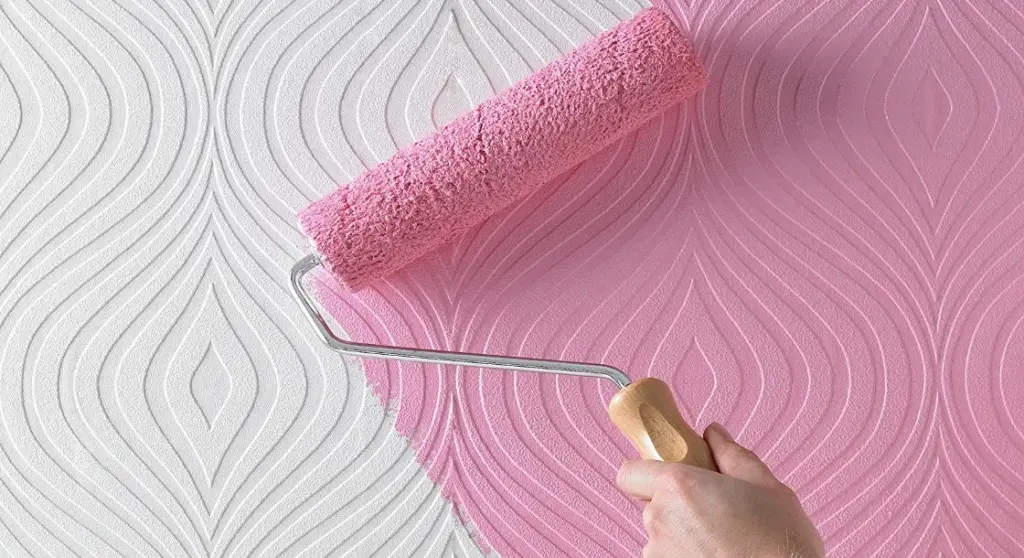
When it comes to home renovations and interior updates, homeowners are constantly looking for ways to streamline the process, save time, and cut down on labor costs. One decorating shortcut that frequently sparks debate among DIY enthusiasts is painting directly over existing wallpaper. While this method can bypass the arduous, time-consuming process of stripping old paper, preparing bare plaster, and repainting, industry experts warn that it requires careful evaluation, meticulous preparation, and an understanding of potential structural pitfalls to achieve a professional-looking finish.
Opting to paint over wallpaper rather than removing it entirely is primarily driven by efficiency. Stripping wallpaper often reveals uneven plaster, damp damage, or stubborn adhesive residues that demand extensive patching and sanding before a fresh coat of paint can be applied. Painting over the paper appears to offer a swift alternative. However, interior specialists emphasize that this shortcut is only viable under specific conditions, and failing to inspect the walls beforehand can lead to disastrous cosmetic results and costly remediation work later down the line.
The first and most critical step in evaluating this approach is assessing the current condition of the wallpaper. Experts stress that the paper must be in sound condition, securely adhered to the wall, and completely free from rips, tears, or significant surface damage. If the wallpaper is in poor overall condition, attempting to paint over it is strongly discouraged; stripping the compromised material and treating the bare wall remains the superior course of action. Furthermore, wallpaper that is actively peeling in multiple areas across a room is an immediate red flag. Peeling typically indicates that the underlying adhesive paste is failing, a problem that can stem from poor-quality installation during the initial hanging process or underlying dampness within the room’s walls.
While widespread peeling rules out painting, localized issues may be manageable. If the peeling is restricted to a single, isolated area, decorators can sometimes re-secure the loose section using fresh wallpaper paste prior to painting. This corrective step requires precision, demanding that the paste be applied carefully to avoid trapping air bubbles underneath the paper. Crucially, the repaired section must be given ample time to dry fully before any preparatory primers or topcoats are introduced to the surface.
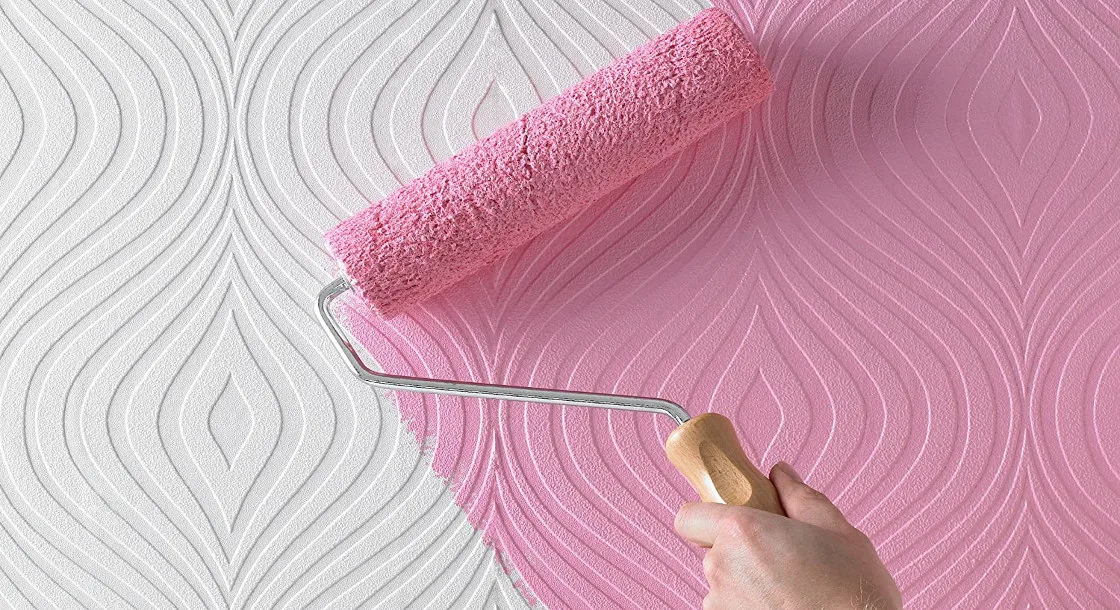
Surface texture is another vital consideration for anyone contemplating this renovation method. Plain, flat wallpaper provides the most hospitable surface for a paint roller, yielding a smooth, uniform appearance. Nevertheless, textured and patterned wallpapers can also be painted over, provided the homeowner is comfortable with the underlying relief pattern remaining visible through the new color. For those seeking a modern, seamless look, heavy textures may ultimately necessitate traditional removal, but for others, a patterned wallpaper can add a subtle, sophisticated dimensional quality to a freshly painted room.
Assuming the wallpaper passes initial inspections and is deemed stable, the focus shifts to preparation and priming. While the preliminary labor is reduced compared to a full strip-down, skipping the priming phase is a frequent mistake that compromises the final outcome. Even when working with light-colored or unpatterned paper, applying at least one coat of primer is heavily recommended. A quality primer ensures a clean, even base for the final color and significantly improves the paper’s overall coverage.
However, the choice of primer is critical. Water-based primers can penetrate too deeply into the wallpaper, saturating the material and potentially reactivating or weakening the underlying adhesive paste. To mitigate this risk, professionals consistently recommend utilizing an oil-based primer when painting over wallpaper. Specialized formulas, such as all-in-one primer and sealer products designed for difficult surfaces, offer an effective barrier that protects the substrate while preparing it for the topcoat. Decorators are generally advised to apply one to two coats of primer, ensuring each layer dries thoroughly before moving forward with the project.

Once the priming phase is successfully completed, homeowners can select their desired topcoat color and proceed with painting the walls. Yet, even with thorough planning and diligent preparation, certain complications can occasionally arise as the project progresses. Anticipating these challenges and knowing how to address them can mean the difference between a successful room revamp and a frustrating setback.
One common issue encountered when painting over wallpaper involves the appearance of thin gaps between individual strips of paper. While correctly installed wallpaper should butt together seamlessly, natural shrinkage can occur as the paste dries over time, resulting in narrow fissures between the sheets. While these gaps do not automatically ruin a painting project, they cannot simply be ignored.
If the wallpaper remains firmly affixed to the wall surrounding the gap, the issue can typically be resolved using standard wall filler. To achieve the best results, this remedial work should be executed after the primer has been applied and allowed to set. Once the filler is introduced into the gap, it must be carefully sanded back until it is entirely flush with the level of the surrounding paper. Because any raised filler will become glaringly obvious once the topcoat is applied, taking the time to sand the surface smooth is essential for achieving a clean, professional finish. By understanding these nuances, properly evaluating wall conditions, and executing each stage with care, homeowners can successfully navigate the complexities of painting over wallpaper and achieve a refreshed interior space.