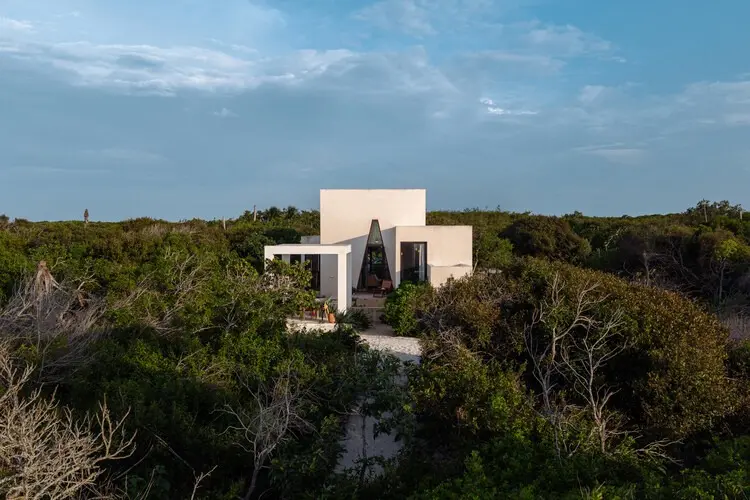
On the sun-drenched, windswept coast of Sisal—an ancient fishing and commercial port steeped in history and bathed by the warm, turquoise waters of the Gulf of Mexico—stands a striking new architectural achievement. Designed by Nutum Estudio, the KatNap House emerges from the landscape not as an imposing structure, but as a subtle, contemporary refuge carefully anchored within the fragile, shifting beauty of the Yucatecan dune ecosystem.
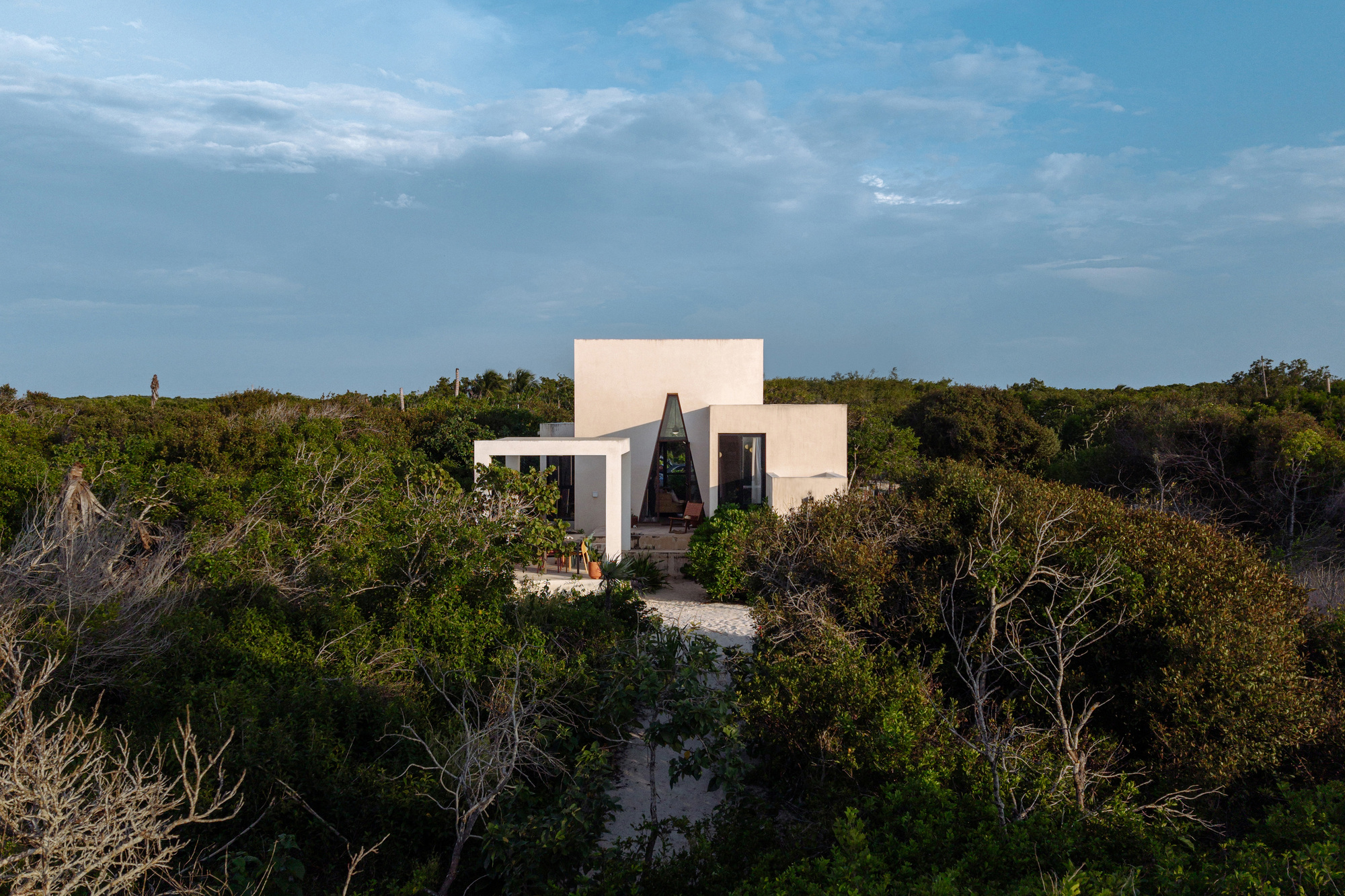
Approaching the residence is an immersive sensory experience that sets the tone for the entire architectural concept. Visitors arrive via a narrow, meandering path that winds its way through a rich tapestry of lush native coastal vegetation. The approach deliberately strips away urban anxieties, replacing them with the raw textures of sand, sea air, and untamed greenery. In a unique departure from traditional coastal landscaping, there is no manicured garden surrounding the home. Instead, the architecture engages in a direct, unmediated dialogue with its environment; there is only the beach, the native flora, and the vast expanse of the horizon.
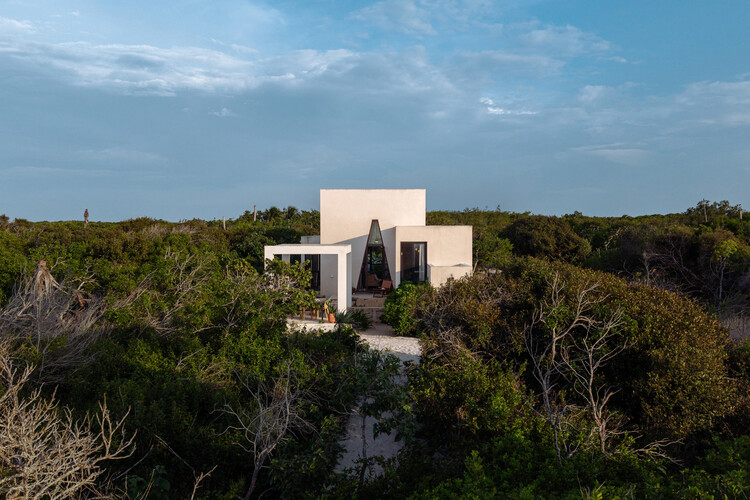
The project, curated by Valentina Díaz and captured through the lens of architectural photographer Rodrigo Hermida, highlights a growing architectural sensitivity in the region. Along the Yucatán Peninsula, where historical ports like Sisal hold deep cultural and commercial roots, contemporary design is increasingly tasked with a delicate balancing act. Architects must find ways to introduce modern habitation into fragile coastal ecosystems without disrupting the natural rhythms of the coastline. Nutum Estudio’s approach with the KatNap House exemplifies this mindful integration, prioritizing site-specific sensitivity over grand gestures.
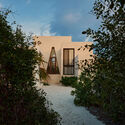
The residence is designed to serve as a tranquil sanctuary away from the fast pace of modern life, echoing the poetic duality of its name. By embedding the structure directly into the coastal dune, the studio minimizes the visual and ecological footprint of the building. The sand and the native vegetation act as the primary framing elements for the home, anchoring it firmly to its geography while allowing the architecture to recede into the background. This strategy protects the delicate balance of the dune while offering inhabitants an intimate, immersive connection to the elements.
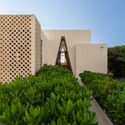
Throughout the design of the KatNap House, the interplay between interior shelter and exterior exposure is handled with nuance. Large openings and carefully considered sightlines frame the dramatic coastal landscape, turning the shifting tides and tropical weather patterns into living backdrops for daily life. The materials chosen for the residence are selected to withstand the demanding marine climate while weathering gracefully over time, acquiring a patina that mirrors the natural aging process of the surrounding coast.
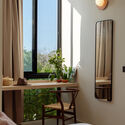
As architectural practices increasingly grapple with the challenges of building in sensitive coastal zones, projects like the KatNap House offer a compelling model. By respecting the inherent character of Sisal’s historical coastline and honoring the delicate ecology of the Yucatecan dunes, Nutum Estudio has crafted a contemporary retreat that feels as though it has always belonged to the shore. The residence stands as a testament to the power of restrained architecture—a place where the boundary between built form and natural landscape dissolves entirely, leaving only the rhythm of the waves and the quiet expanse of the beach.