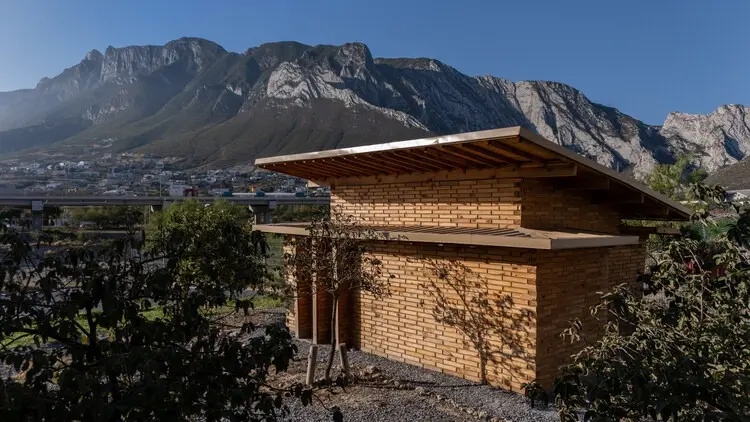
Architecture has long transcended the mere assembly of bricks, steel, and concrete to stand as a profound cultural, experiential, and collaborative practice. In a striking demonstration of this philosophy, the architectural community has welcomed the completion of La Grieta Pavilion, a temporary structure that bridges the gap between academic theory and hands-on tectonic reality. Curated by Valentina Díaz and captured through the lens of photographer Paco Alvarez, the pavilion represents a joint effort between Onda Pavilion and WEYES Estudio, developed in close partnership with architecture students from CEDIM.
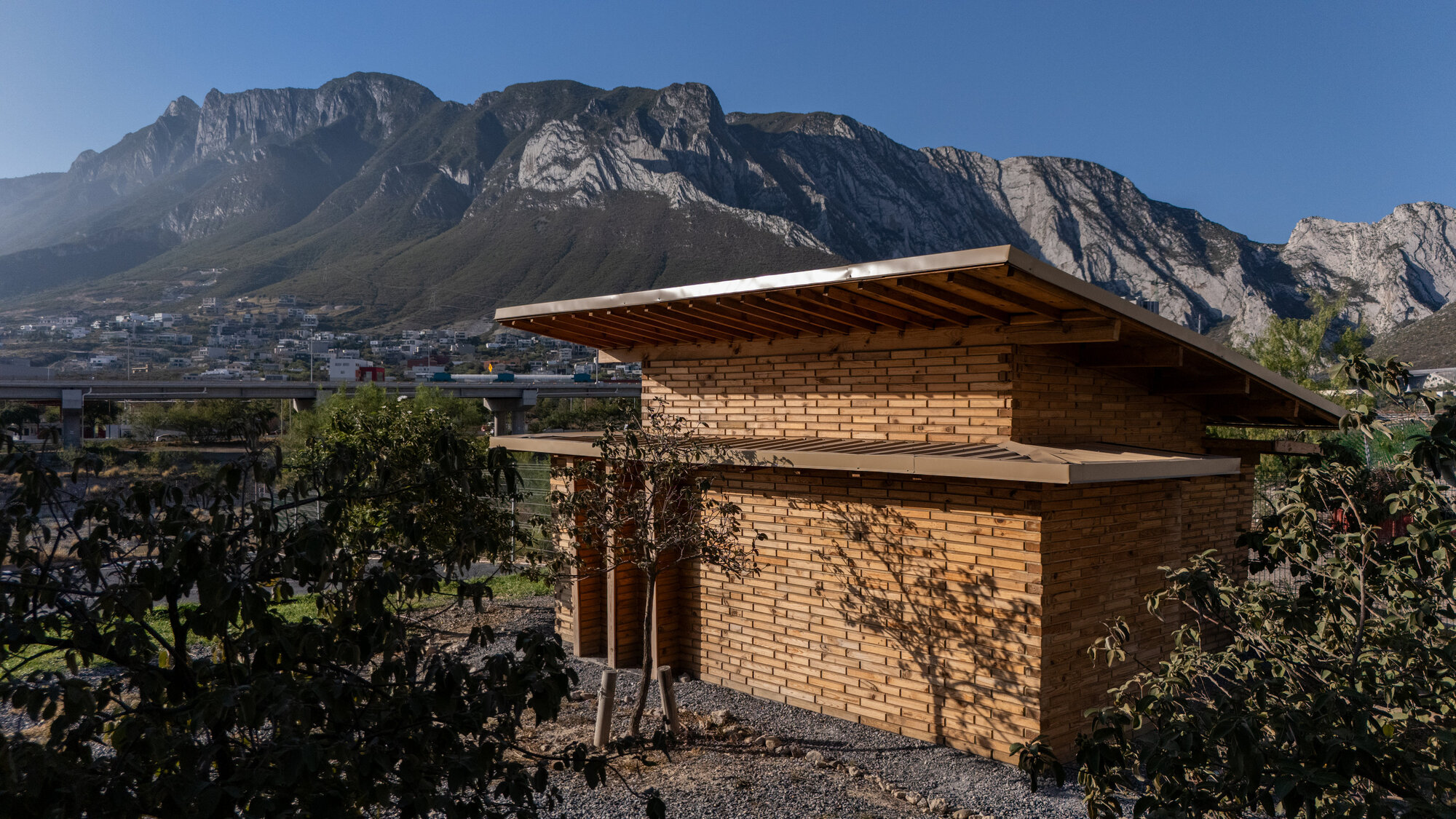
Conceived from the ground up as an immersive academic and constructive exploration, La Grieta Pavilion places sustainability, material awareness, and the dynamic interplay between light, time, and space at the forefront of its design. Rather than existing merely as an aesthetic object to be viewed from a distance, the pavilion functions as an active participant in its environment, inviting occupants to experience how architecture can shape perception and foster a deeper connection with the natural elements.
At its core, the project was designed to serve a dual purpose: a physical, built artifact capable of engaging the public and a rigorous pedagogical exercise for emerging designers. By integrating design, construction, and environmental consciousness into a single continuous workflow, the project gave students direct, tactile interaction with material systems. This hands-on methodology allowed participants to move beyond two-dimensional drawings and digital renderings, forcing them to confront the physical limitations, structural behaviors, and environmental responses of building materials in real-time.
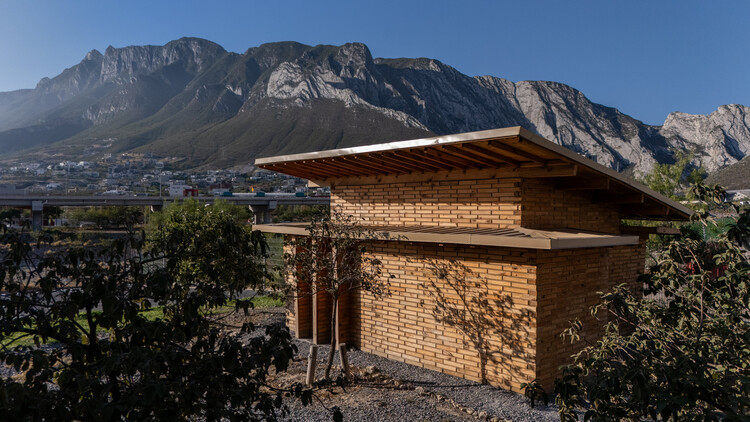
The collaboration between Onda Pavilion and WEYES Estudio provided a strong conceptual framework that guided the students through the complexities of pavilion architecture. Temporary pavilions have historically offered architects and students a unique laboratory for experimentation—a space where bold structural ideas, material innovations, and ephemeral spatial experiences can be tested without the long-term constraints of permanent building typologies. La Grieta Pavilion embraces this tradition, using its temporary nature to test innovative construction techniques and material assemblies that prioritize resource efficiency and environmental sensitivity.
Throughout the design and construction phases, a central focus was placed on material awareness. In an era marked by growing ecological concerns within the built environment, the project highlights the importance of understanding where materials originate, how they are fabricated, and what kind of footprint they leave behind. By working closely with wood and other tactile elements, the design team and students explored how structural components can be assembled, disassembled, and potentially repurposed, minimizing waste and honoring a circular design philosophy.
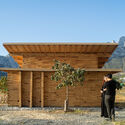
Light and time also play critical roles in defining the spatial identity of La Grieta Pavilion. The architecture is deliberately porous, allowing sunlight to filter through its timber members in shifting patterns throughout the day. As the sun moves across the sky, the interior and exterior spaces of the pavilion transform, casting dynamic shadows and highlighting the texture of the materials. This temporal dimension turns the pavilion into a living sundial, reminding visitors of the passage of time and the ever-changing relationship between the built form and the natural environment.
The completion of La Grieta Pavilion adds to a rich lineage of experimental architecture in Mexico, where academic institutions and independent design studios frequently collaborate to push the boundaries of spatial practice. By empowering students to take an active role in the construction process, the project fosters a new generation of architects who are not only skilled in digital design but also deeply grounded in the physical realities of building.
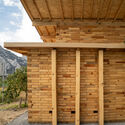
As captured in the project’s extensive gallery and documentation, La Grieta Pavilion stands as a testament to the power of collective creation. By uniting the visionary design approaches of Onda Pavilion and WEYES Estudio with the energetic curiosity of CEDIM architecture students, the pavilion successfully demonstrates that architecture can be simultaneously educational, sustainable, and deeply moving.