When it comes to backyard structures, the lifespan and stability of a shed depend heavily on what lies beneath it. Recognizing the common challenges homeowners face when trying to establish a level and secure base, Outdoor Living Today has rolled out a comprehensive advisory outlining the critical phases of foundation preparation. Designed to eliminate the guesswork for both seasoned do-it-yourself enthusiasts and first-time builders alike, the new guidelines emphasize that a solid foundation is the absolute key to a successful outdoor installation.
The initiative aims to address a frequent stumbling block in backyard construction. Without a sturdy and properly leveled base, even the highest-quality shed kit can suffer from structural shifting, misaligned doors, and premature wear over time. To help customers navigate this crucial phase, the home improvement resource details three distinct types of foundations—patio stone, pressure-treated beams, and concrete slabs—while breaking down the essential groundwork required before any building components arrive.
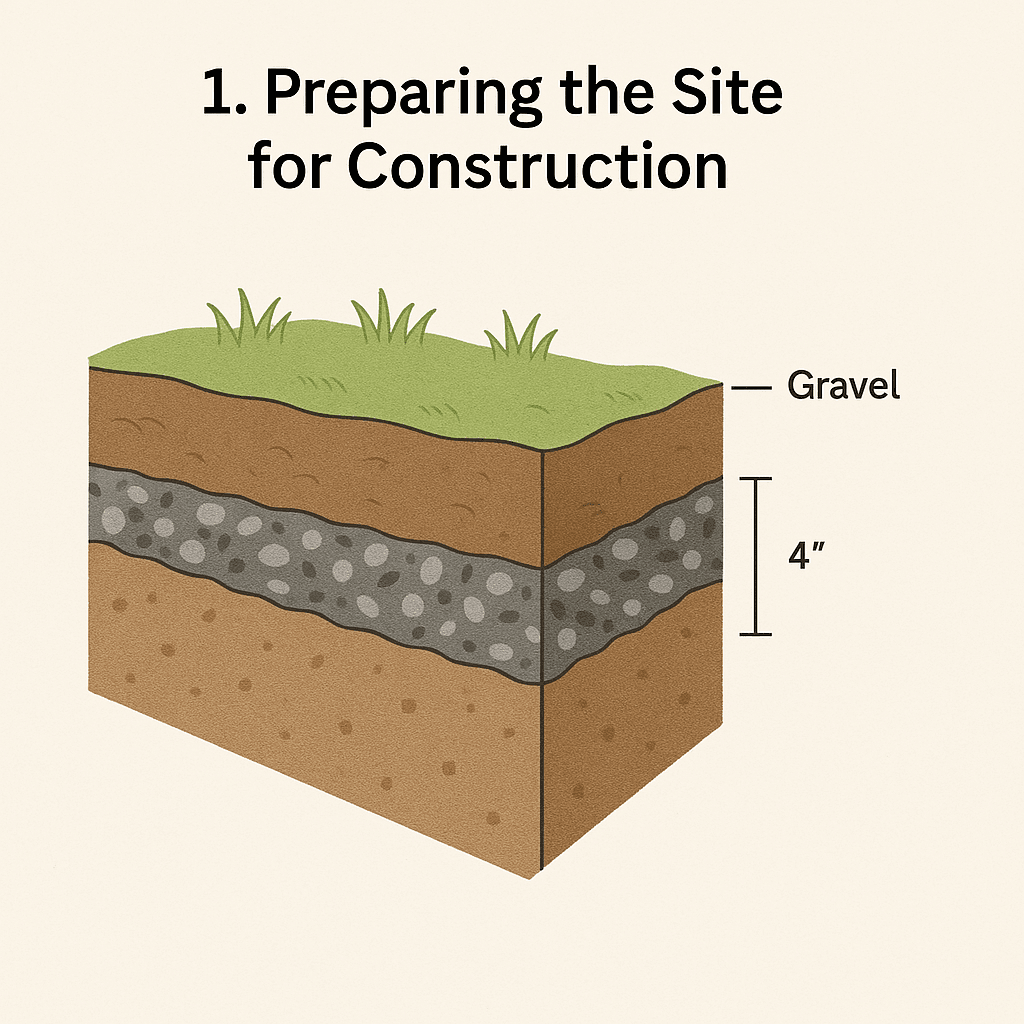
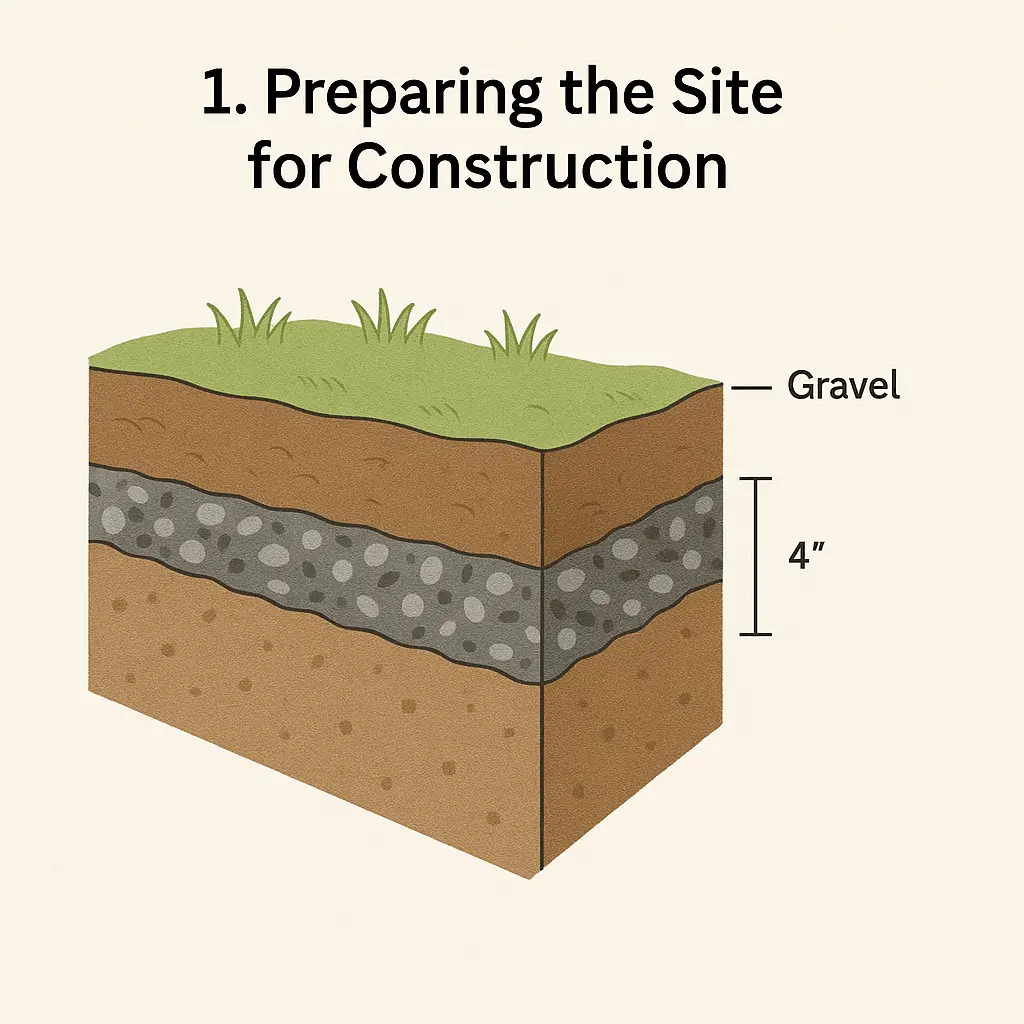
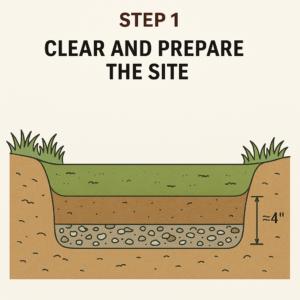
The foundational process begins well before the delivery truck pulls up with the shed kit. According to the outdoor building specialists, the initial phase centers entirely on clearing and preparing the site. Homebuilders are advised to choose a location that offers proper natural drainage, steering clear of low-lying areas where water tends to pool after heavy rains. Once an appropriate spot is selected, the entire footprint must be cleared of all organic matter, including grass, topsoil, roots, and debris. Neglecting to strip away topsoil can lead to settling and uneven shifting as organic material decomposes beneath the weight of the structure.
To further safeguard the site against future maintenance headaches, construction experts recommend laying down a heavy-duty landscape fabric before adding any gravel or crushed stone base. This simple yet effective measure acts as a barrier that prevents weed growth from piercing through the foundation while stopping underlying soil from shifting or mixing into the gravel layer over time. Establishing this clean, stable sub-base ensures that the subsequent weight of the shed is distributed evenly across the ground.
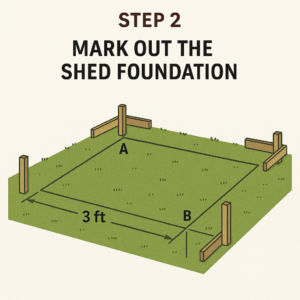
Once the site has been cleared and stabilized, the next critical hurdle is accurately marking out the perimeter of the shed foundation. Precision at this stage is vital to ensuring the final structure squares up correctly during assembly. Builders are encouraged to measure diagonal corners meticulously, as equal diagonal measurements confirm that the layout forms a true rectangle rather than a skewed parallelogram. For those who find squaring a layout challenging, industry professionals note that a variety of modern smartphone applications and online calculators are readily available to assist with calculating precise right angles based on specific shed dimensions.
With the site prepared and accurately marked, the decision shifts to selecting the most appropriate foundation type for the specific property, budget, and intended use of the shed. Outdoor Living Today highlights three primary options, each offering distinct advantages depending on the homeowner’s needs.
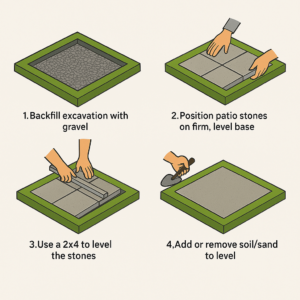
The patio stone foundation is presented as an accessible choice for many backyard projects. Quick to install and budget-friendly, a foundation built on patio stones offers the distinct advantage of being easy to modify, move, or adjust if ground conditions shift over time. It provides a reliable, flat surface without requiring heavy machinery or permanent chemical curing processes.
For those seeking elevated support, a 4×4 pressure-treated beam foundation serves as another highly recommended alternative. Constructing a base using pressure-treated lumber not only provides exceptional load-bearing strength but also leaves valuable open space underneath the structure. This elevation promotes continuous air circulation and ventilation beneath the floor joists, which plays a critical role in preventing moisture buildup and subsequent wood rot.
At the more permanent end of the spectrum is the concrete slab foundation. Recognized as the ultimate option for durability and longevity, a poured concrete pad offers unbeatable structural integrity and superior pest resistance. While it requires more labor, material investment, and curing time than stone or wood alternatives, a concrete slab provides a permanent, impenetrable barrier against ground moisture and burrowing pests, making it an ideal choice for heavy storage or workshop environments.
Before breaking ground or purchasing materials, the advisory stresses the importance of keeping individual project specifications in mind. While general best practices apply to nearly all backyard structures, distinct product designs may feature unique engineering requirements or load distribution points. Homeowners are strongly encouraged to consult the specific product assembly manuals included with their kits or provided through official resources to ensure their chosen foundation aligns perfectly with the manufacturer’s structural recommendations.