Deciding where to install a new radiator in a living space is a choice that ultimately rests with the homeowner, property developer, or interior designer. There are often compelling aesthetic or functional reasons why someone might prefer to place a heating unit opposite a primary window or along the exact stretch of wall designated for a large sofa. However, heating specialists and thermodynamic experts emphasize that adhering to foundational rules of positioning can yield significant dividends. By following basic principles of thermodynamics and air circulation, households can allow their heating systems to provide optimal warmth while potentially trimming down monthly heating bills in the process.
Does it Matter Where You Place a Radiator?
It is easy to assume that a radiator will heat a room effectively no matter where it is bolted to the wall. Yet, positioning the primary source of room heat in an ill-considered location can have a surprisingly drastic effect on how efficiently the entire heating system operates. Homeowners do not need to be masters of thermodynamics to optimize their living spaces, but a basic understanding of how hot air behaves and how it interacts with cold air is invaluable.
Warm air is naturally buoyant; it heats up, becomes less dense, and rises toward the ceiling, displacing cooler air which then sinks toward the floor. When radiators are poorly placed, this natural convection cycle can be disrupted, leading to cold spots, inefficient energy consumption, and needlessly high energy usage. Of course, a radiator failing to produce adequate heat is not always a matter of poor placement. Often, performance issues stem from trapped air inside the system that simply needs to be bled out to restore full circulation and heating efficiency.
Why Install a Radiator Under a Window?
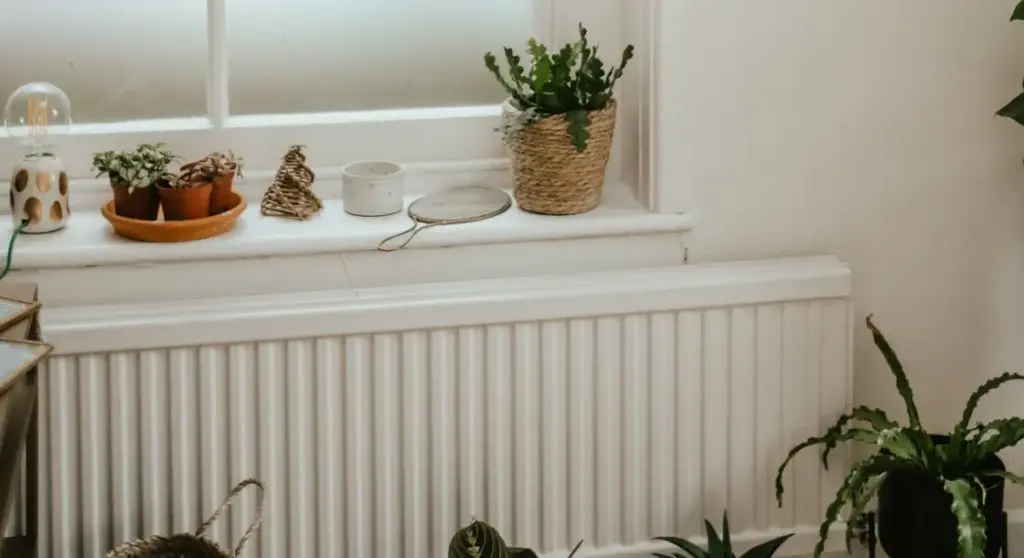
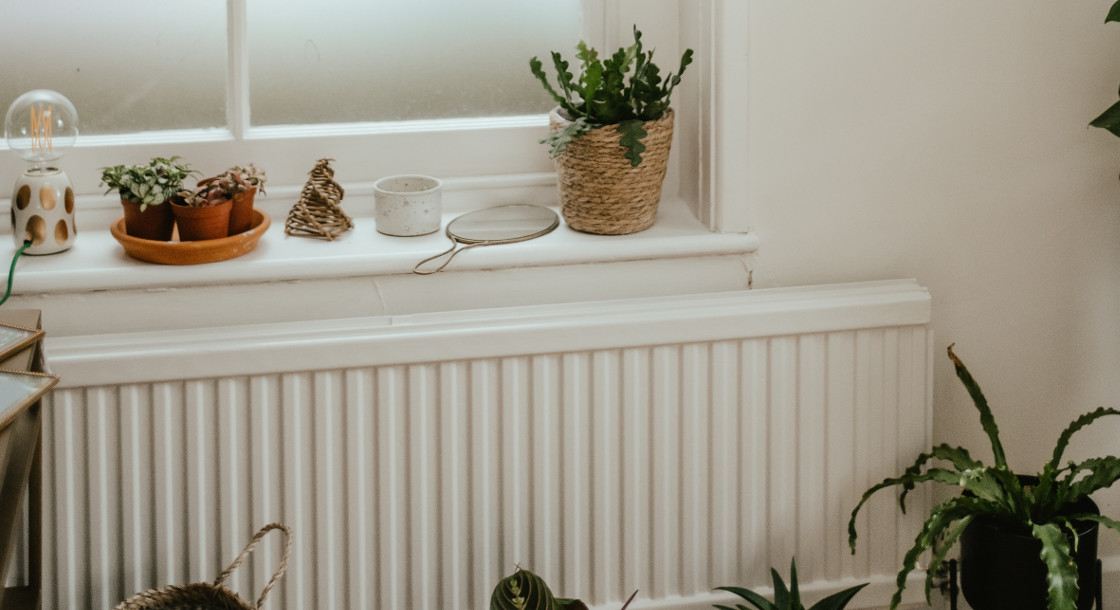
Although positioning a radiator directly beneath a window is a ubiquitous design choice in British homes, many people harbor the misconception that this practice wastes thermal energy. The faulty assumption is that rising heat is immediately met and neutralized by the cold glass of the window, venting valuable warmth outward. In reality, placing the radiator beneath a window delivers the best thermal results in the vast majority of cases, even within modern houses equipped with advanced double or triple-glazed window installations.
When a radiator is situated under a window, the warm air rising from the unit actively counteracts the cold air cascading downward from the glass pane. This thermal curtain effect means the descending cold air is intercepted and warmed before it has a chance to spread across the floor and chill the rest of the room. While modern window glazing has vastly reduced the intensity of down-drafts, the effect remains critical, and for those living in period properties with single-glazed or older windows, the difference in room comfort can be monumental.

Furthermore, positioning a radiator underneath a window offers practical spatial advantages. This particular wall space is traditionally left free of large furniture, allowing homeowners to make more efficient use of the remaining room layout. Even if a wall appears completely free of furniture at the time of installation, future room rearrangements are common. While placing a large piece of furniture in front of a radiator is not catastrophic for a home, it inevitably acts as a physical barrier that restricts the free circulation of heat throughout the living space.
When to Install a Radiator Opposite a Window?
The geographical placement of a new radiator becomes considerably less critical in properties fitted with high-quality double-glazed windows. Because modern glazing allows far less cold air to seep into the interior and minimizes the escape of warm air, the room’s overall thermal dynamics are much more forgiving.
However, in older properties lacking double-glazing, experts generally advise against positioning a radiator directly opposite a large window. In such configurations, the dynamic of warm air rising on one side of the room while cold air falls heavily on the other can create an exaggerated convective loop. This amplified air movement can generate noticeable, uncomfortable draughts throughout the living space.
When architectural constraints leave no alternative but to place a radiator opposite a window, homeowners can mitigate these adverse effects with a simple architectural adjustment. Installing a shelf slightly above the top of the radiator can effectively disrupt the rotating flow of air. The shelf acts as a physical deflection barrier, forcing the rising hot air outward into the center of the room rather than letting it feed directly into the descending current of cold air from the window.
Which Style of Radiator is Better?
The domestic heating market has undergone a dramatic transformation over recent generations. Not too long ago, household radiators were universally uniform in appearance—standardized, flat, rectangular panels that consumed substantial amounts of valuable wall space. Today, homeowners can select from an extensive array of sizes, shapes, and configurations designed to match diverse interior aesthetics and heating demands.
Despite the vast market selection, heating engineers note that there is no single "best" size or style of radiator for every application. The ideal choice depends heavily on the physical dimensions, architectural style, and layout of the room, alongside the desired interior design scheme and the overall thermal insulation quality of the building. In a modern, highly insulated home, an upright vertical radiator is frequently desirable because it commands minimal horizontal wall space while offering a striking visual accent. Conversely, a traditional Victorian terraced house with high ceilings and period features might be better suited to an imitation cast iron radiator that complements the historical character of the property.
Where You Should Avoid Placing a Radiator
Regardless of their aesthetic style or modern engineering, all radiators operate on the same fundamental principles of convection and radiation. Consequently, certain locations and environmental surroundings can severely undermine the efficiency of any heating unit.
One of the most common mistakes is placing a radiator behind a sofa or another large piece of furniture. While tucking a radiator out of sight behind a bulky sofa may seem like an appealing interior design choice to hide an unattractive unit, it drastically reduces heating efficiency. Although heat will continue to rise from the top of the radiator, the majority of the thermal energy emitted from the front face will be absorbed directly by the furniture, leaving the rest of the room inadequately heated.
Similarly, hanging full-length curtains that drop in front of a radiator yields a comparable negative effect. Curtains that drape down to the floor act as a thermal barrier, preventing waves of heat from pushing out into the room and instead channeling the warm air upward toward the window recess. The heavier and thicker the curtain fabric, the more pronounced this blocking effect becomes, resulting in wasted energy and a colder living space.
Finally, small rooms and tight floor plans sometimes leave homeowners with few options other than installing a radiator behind a door. While this placement is not an absolute disaster for room temperatures, it introduces specific inefficiencies. If the radiator is mounted on an internal wall that backs onto an unheated hallway, a significant portion of the generated heat can be lost through the wall structure. Additionally, if the internal door is left propped open against the radiator for extended periods, it can physically block the flow of warm air into the room it is intended to heat.