The longevity and structural integrity of any outdoor structure ultimately depend on one critical element: a solid, reliable foundation. Recognizing the challenges that both novice do-it-yourselfers and seasoned builders face when preparing a site, Outdoor Living Today has introduced a comprehensive advisory aimed at demystifying the process of creating a sturdy, level base for backyard sheds. Designed to eliminate guesswork and confusion, the newly detailed framework outlines essential preparatory measures and highlights three primary foundation types tailored to varying needs and skill levels.
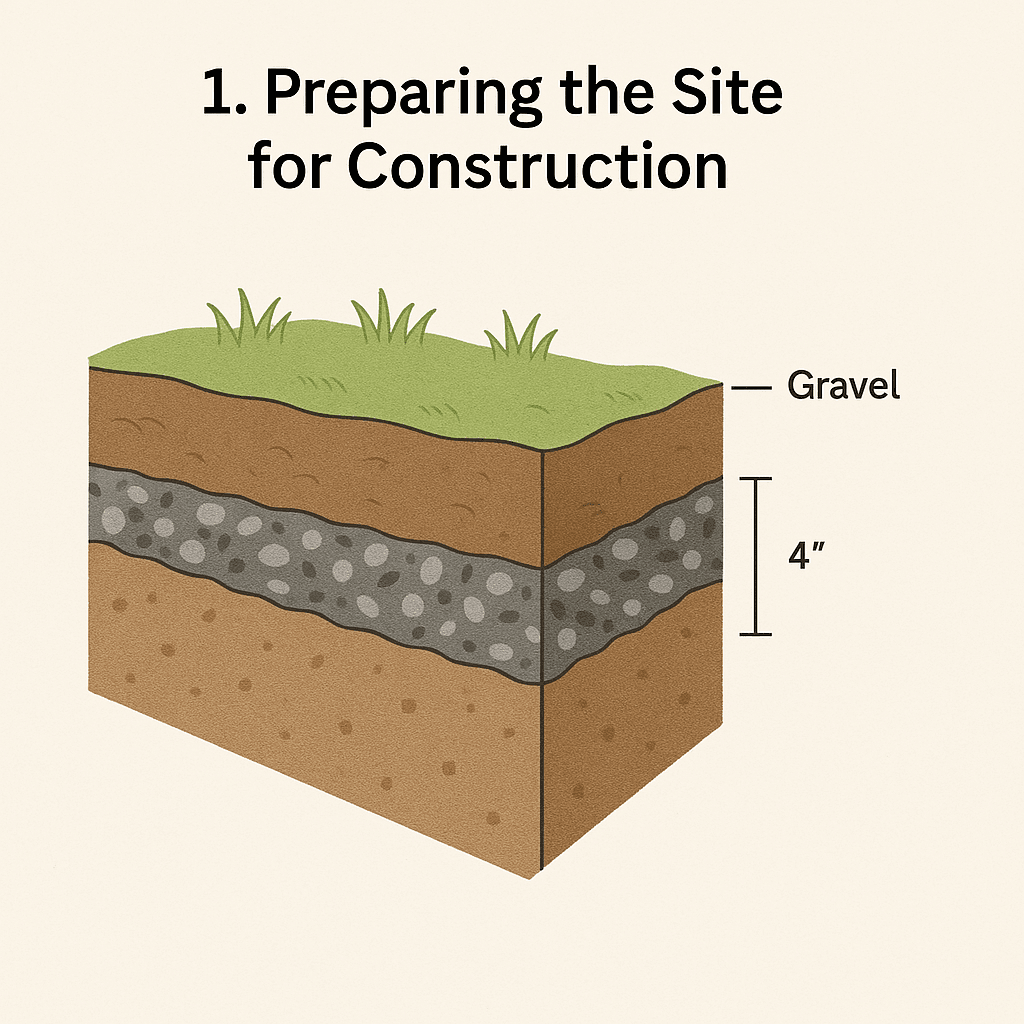
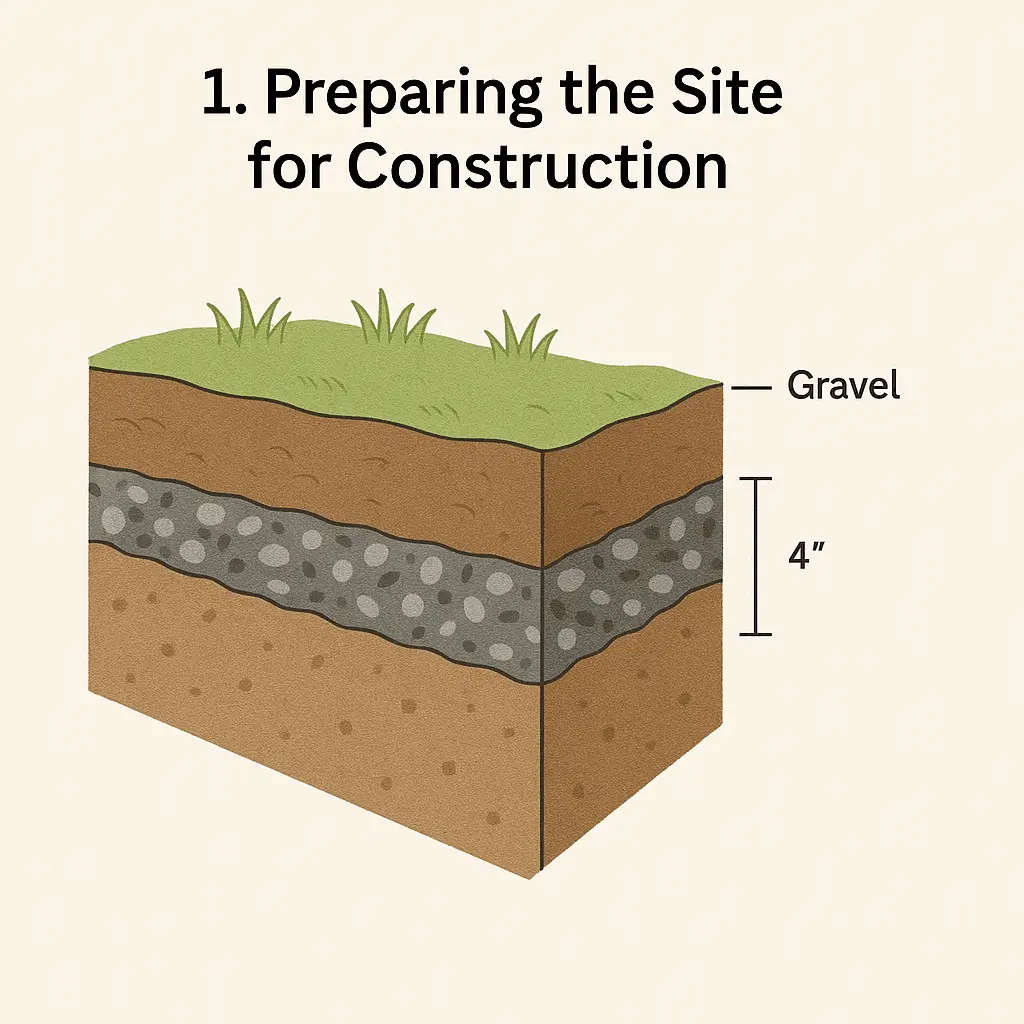
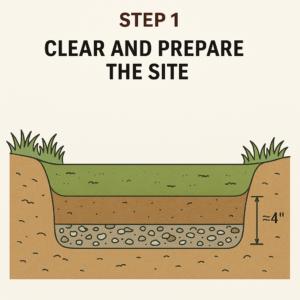
According to the experts at Outdoor Living Today, building a durable shed begins long before the actual assembly of the structure’s walls and roof. The process fundamentally relies on proper site selection and meticulous ground preparation. Before any shed kit arrives at a property, builders are advised to carefully evaluate their proposed location. Ensuring that the ground is adequately cleared and properly graded is the first major milestone in preventing future structural shifts, water accumulation, and premature wear.
A central recommendation in the foundational guidelines involves the strategic management of the site’s immediate environment. Professionals suggest laying landscape fabric underneath any chosen gravel base. This simple yet effective measure serves a dual purpose: it acts as a robust barrier against aggressive weed growth while simultaneously stabilizing the soil profile over extended periods, preventing the shifting that can compromise a building’s level alignment.
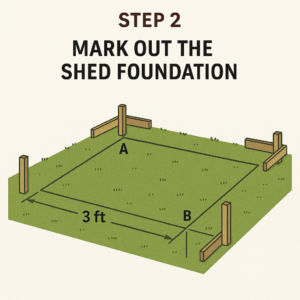
Following site clearance, the next critical phase in the preparation sequence involves accurately marking out the perimeter of the intended shed foundation. Precision during this stage dictates how smoothly the subsequent assembly will proceed. Builders must ensure that the layout is perfectly square, a task that can often intimidate first-time constructors. To alleviate this hurdle, the guidelines note that modern builders can leverage a variety of digital tools, including smartphone applications and specialized online calculators. These resources simplify the process of establishing exact right angles by utilizing specific shed dimensions, ensuring the base matches the exact footprint required by the manufacturer.
Once the site is cleared and accurately measured, builders face the decision of selecting the most appropriate foundation type for their property and budget. Outdoor Living Today outlines three distinct, highly recommended options, each offering specific advantages regarding cost, installation time, and permanence.
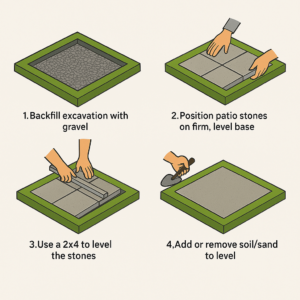
The first option is the patio stone foundation. Favored for its accessibility and flexibility, a patio stone base is quick to install, relatively inexpensive, and notably forgiving, allowing builders to easily move or adjust individual stones as needed over time. This approach appeals particularly to homeowners seeking a straightforward, efficient path to establishing a stable platform without undertaking massive landscaping projects.
The second alternative features a 4-by-4 pressure-treated beam foundation. This method involves constructing a grid or framework using treated lumber, which elevates the shed structure slightly off the ground. A key benefit of this configuration is the creation of a natural clearance space underneath the building. This gap allows for crucial air circulation and ventilation, which actively helps prevent moisture accumulation and subsequent wood rot, thereby extending the lifespan of the floor joists and overall framing.
For those requiring the absolute highest degree of permanence and durability, a concrete slab foundation stands out as the ultimate choice. Pouring a concrete pad delivers unmatched structural resilience, exceptional load-bearing capacity, and robust resistance to pests and moisture. While it requires a more intensive initial installation effort compared to patio stones or timber beams, a properly cured concrete slab provides a lifelong, unyielding anchor for any outdoor structure.
Despite the comprehensive nature of these general best practices, Outdoor Living Today emphasizes that no two backyard projects are entirely identical. Product designs can vary significantly, bringing with them unique structural requirements and load distributions. Consequently, builders are strongly encouraged to consult the specific product assembly manuals included with their kits. These tailored documents offer precise instructions and model-specific nuances that complement the broader foundational preparation steps. By combining meticulous site preparation with the correct choice of foundation, property owners can ensure their outdoor investments remain secure, level, and functional for decades to come.