As the cultural calendar shifts into high gear, New York’s major museums are once again leaning heavily into the familiar art historical canon. For fall 2026, visitors wandering through the city’s premier institutions are greeted by a familiar lineup: Jackson Pollock at the Metropolitan Museum of Art, Roy Lichtenstein at the Whitney Museum of American Art, and Constantin Brancusi at the Museum of Modern Art (MoMA).
For critics like Aruna D’Souza, this heavy reliance on canonical, deceased white male artists can feel exhausting, particularly at a time when museums have publicly spent years taking pains to expand their permanent collections, hire curators with broad expertise and diverse interests, and invite entirely new audiences into their physical and discursive spaces. Yet, even among the fatigue of what feels like a perennial "dead-White-men fest," certain figures retain an undeniable, enduring allure.
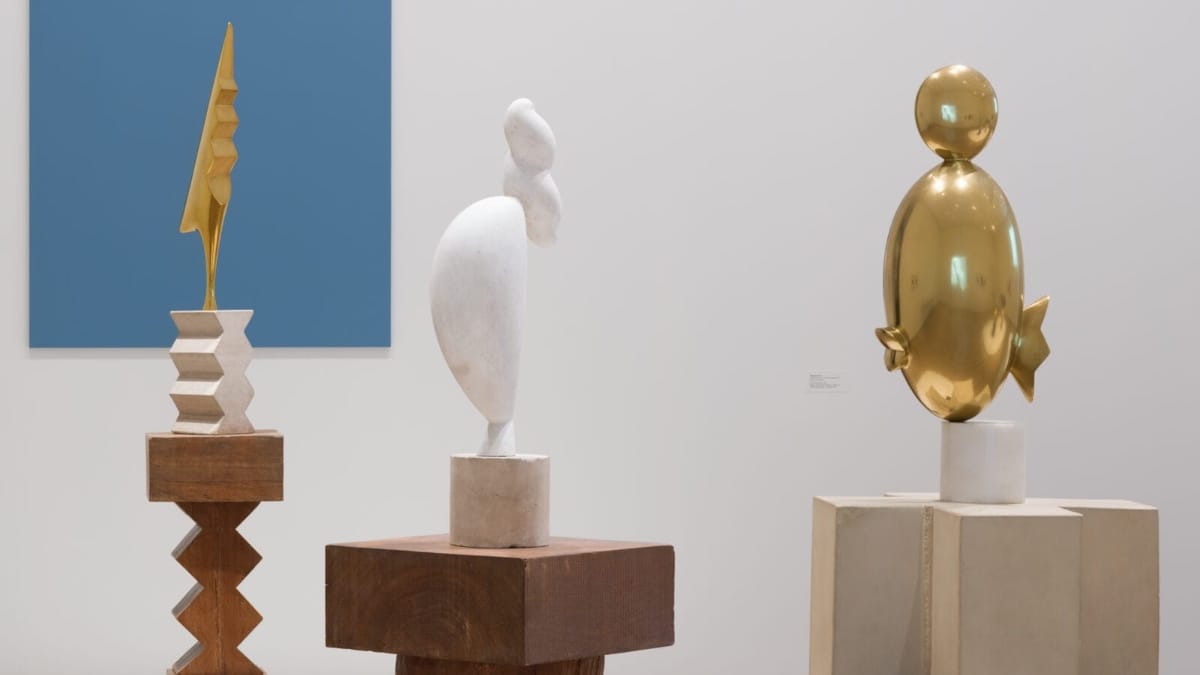
D’Souza admits to a soft spot for Constantin Brancusi, whose monumental contributions to modern sculpture continue to command respect. Visiting MoMA’s major exhibition, Brancusi: The Artist and His Studio, offers a potent reminder of why the Romanian modernist still matters. Despite the omnipresence of mid-century male titans—an era-defining survey that D’Souza wryly insists should have included a major Lee Krasner retrospective instead—Brancusi’s work continues to resonate deeply with contemporary sculptors. In interviews conducted over the past year, contemporary artists ranging from Rodney McMillian to Martin Puryear routinely invoke Brancusi’s revolutionary approach to form, space, and materiality, proving that his artistic footprint remains vibrantly alive in studios today.
However, the presentation of these historic masterworks has not been without its aesthetic critiques. In her review for Hyperallergic, D’Souza explores how Brancusi: The Artist and His Studio at the Museum of Modern Art occasionally struggles with its environment, observing that the layout risks leaving the pioneering sculptor’s intimate, studio-derived forms feeling somewhat lost in the museum’s expansive gallery spaces.

Conservation in Real Time and Market Realities
While New York institutions grapple with blockbuster retrospectives and spatial design, other major American museums are finding innovative ways to engage the public with historical works. At the Museum of Fine Arts, Boston, visitors are being offered a rare, behind-the-scenes look at the painstaking labor of art preservation. The museum has opened up the conservation process for Dutch painter Nicolaes Eliasz Pickenoy’s monumental 1625 canvas, The Six Founders of the Amsterdam Wine Guild. Rather than merely admiring the finished 17th-century group portrait on a gallery wall, museumgoers can watch conservators live as they clean, stabilize, and restore the historic painting—proving that watching paint dry can, under the right institutional curation, become an unexpectedly compelling spectator sport.
Away from the public galleries, the commercial art market is experiencing its own dramatic fluctuations. Pace Gallery, the powerhouse commercial gallery co-led by the father-and-son duo Arne and Marc Glimcher, has recently reported steep financial losses. The downturn at one of the blue-chip art world’s most influential commercial empires serves as a prominent indicator of broader economic anxieties rippling through the upper echelons of the international art trade.
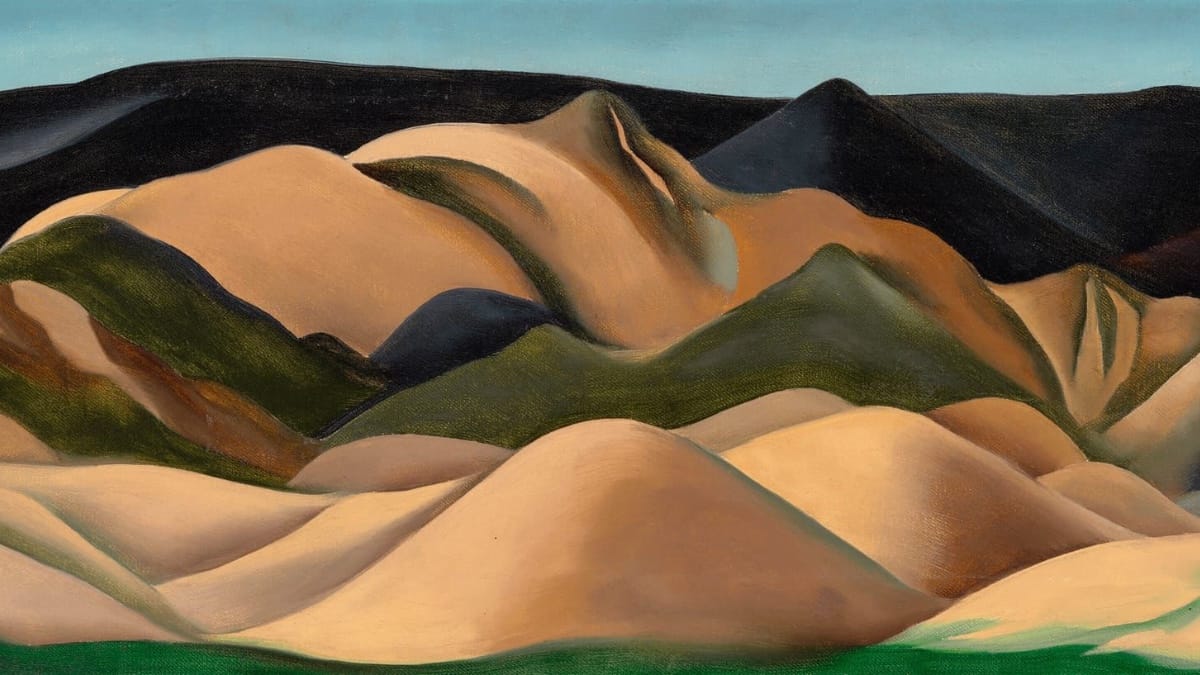
In contrast, the secondary market continues to unearth lucrative surprises from the past. A long-lost Georgia O’Keeffe landscape painting has recently been rediscovered, sending ripples of excitement through auction circles. The newly surfaced canvas is now heading toward the auction block, where industry experts anticipate it could command millions of dollars, demonstrating that rare works by pioneering modernists remain bulletproof safe havens for collectors even in volatile economic times.
Amid these high-stakes market movements, the upper crust of society continues its familiar rituals, with the Met Gala reportedly testing the waters with a new "everyday" thematic framing—a conceptual pivot that offers a stark contrast to the multi-million-dollar art transactions and institutional blockbusters dominating the headlines.
The Twilight of Bohemia and Institutional Futures
Beyond the glittering world of blockbusters and auctions, the deeper socioeconomic realities of being an artist in contemporary society remain a pressing subject of critical discourse. Peter Trachtenberg’s deeply moving new book, The Twilight of Bohemia: Westbeth and the Last Artists in New York, tackles these enduring struggles head-on. Reviewed by Jennifer Liese, the book chronicles the history of Westbeth Artists Housing in New York City, offering a poignant look at the lives of the people who have called the landmark residential complex home.
Trachtenberg’s narrative provides a bittersweet reflection on the mechanisms of urban change, the realities of aging within a notoriously youth-obsessed creative capital, and the fundamental ways artists manage to survive against the odds through community, friendship, and resilience in the face of immense loss. The book arrives at a time when conversations around classism within the broader art world are becoming increasingly urgent, challenging romanticized notions of the bohemian lifestyle by confronting the economic precarity that has long shadowed cultural producers.
For the next generation of artists navigating these economic and professional hurdles, institutional support structures remain critical. Major academic and fellowship programs are actively shaping the future landscape of studio practice and scholarship. The University of Michigan’s Stamps School of Art & Design continues to draw attention for its top-ranked, fully funded Master of Fine Arts program, which deliberately merges rigorous studio art production with interdisciplinary research practices. Similarly, UC Davis’s Maria Manetti Shrem Art Studio MFA Program offers generous funding, spacious studios, access to renowned faculty and visiting artists, and culminating institutional exposure through exhibitions at the Manetti Shrem Museum of Art.
On the international stage, avenues for cultural exchange are also expanding. The Asian Cultural Council has opened its 2027 global grant cycle, inviting applications for fellowships and grants designed to support artists, arts professionals, and scholars engaging in cross-cultural dialogue and research between Asia and the United States, as well as within Asia itself. With application deadlines approaching, these initiatives underscore a continuous, global effort to sustain diverse artistic voices long after the current season of museum blockbusters has faded from view.