For homeowners looking to revitalize a living space, the prospect of painting directly over existing wallpaper can be an enticingly efficient alternative to the laborious process of stripping old paper, repairing the underlying plaster, and preparing bare walls for a fresh coat. However, interior design and home improvement professionals emphasize that while this shortcut can save considerable time and effort, it is far from a universal fix. Achieving a durable and professional-looking finish requires careful initial inspection, proper material selection, and an understanding of the potential pitfalls that can compromise the final aesthetic.
Before committing to a paint-over strategy, experts advise conducting a thorough assessment of the condition of the wallpaper currently on the walls. The primary prerequisite is that the paper must be entirely intact, structurally sound, and completely free from rips, tears, or significant surface damage. If the wallpaper is severely compromised, attempting to paint over it is generally counterproductive; in such cases, stripping the old material and painting the bare wall directly remains the superior and more durable course of action.
Furthermore, homeowners should be wary of wallpaper that is peeling in multiple areas, even if the paper itself is not torn. Widespread peeling is a strong indicator that the original adhesive bond is failing. This failure can stem from the use of low-quality paste during the initial installation or from underlying dampness and moisture issues within the room. Painting over compromised adhesive will only trap moisture or accelerate the failure of the wall covering.
Localized lifting presents a different scenario. If the peeling is confined to a single, isolated area, it may be possible to remedy the issue by carefully re-securing the loose section with wallpaper paste prior to painting. When undertaking this minor repair, diligence is required to smooth out any trapped air bubbles and allow the adhesive to dry thoroughly before any priming or painting begins.
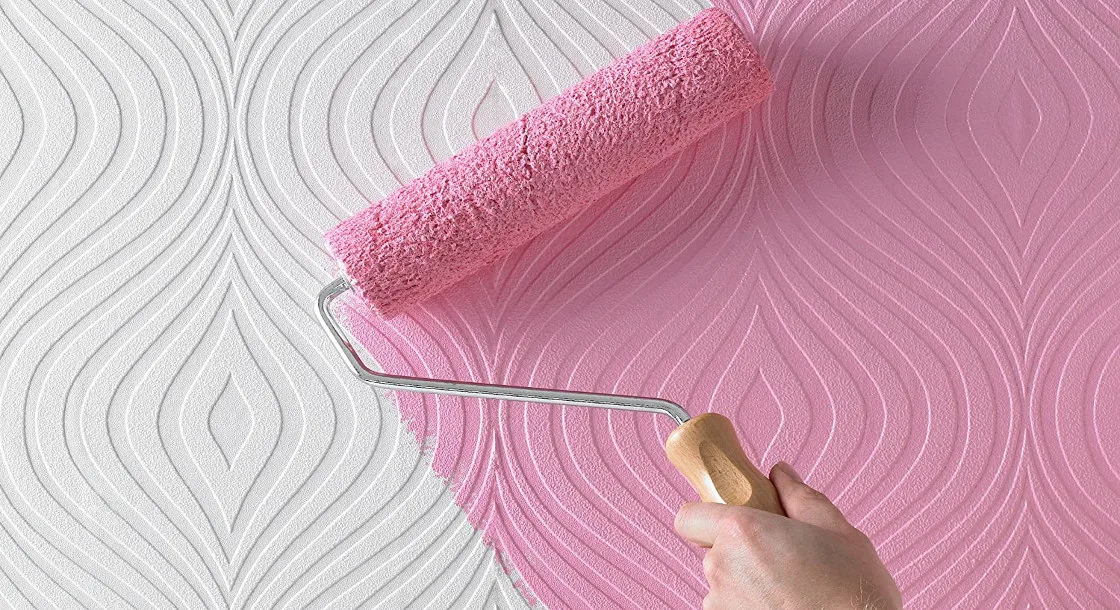
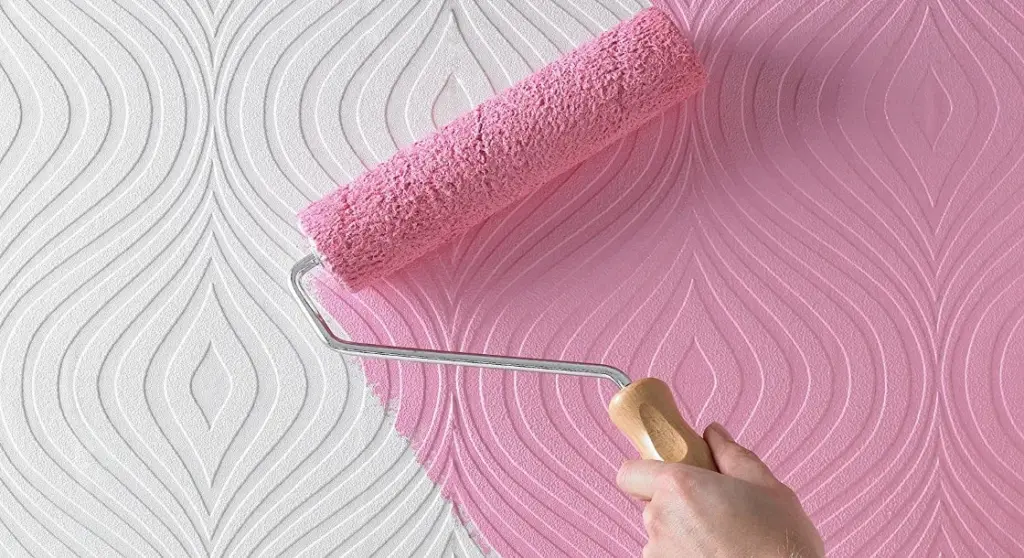
Regarding the type of wall covering, plain and flat wallpaper provides the most straightforward and suitable surface for a paint application. Nevertheless, painting over textured or patterned paper is entirely feasible, provided the homeowner is willing to accept that the underlying texture will remain visible beneath the new coats of paint, adding a distinct dimensional quality to the finished wall.
Preparing Wallpaper for Painting
Assuming an initial inspection confirms that the wallpaper is in good condition, the preliminary preparation phase is relatively straightforward compared to traditional wall stripping. The focus shifts quickly from demolition to surface conditioning.
Even when working with light-coloured or unpatterned wallpaper, industry professionals strongly recommend applying at least one coat of primer before introducing the topcoat. Priming serves a critical dual purpose: it creates a uniform surface that ensures a clean, professional finish for the final color, and it seals the paper to make subsequent coverage significantly easier.
The choice of primer is of paramount importance. Water-based primers carry the risk of soaking excessively into the wallpaper, which can inadvertently reactivate and weaken the underlying paste, causing the paper to bubble or lift. Consequently, experts consistently recommend using an oil-based primer when painting over wallpaper. Specialized formulations, such as all-in-one primer and sealer products designed for difficult surfaces, provide the necessary barrier to protect the adhesive layer while creating an ideal foundation for paint.

Applying one to two thorough coats of an appropriate primer, followed by allowing adequate drying time, establishes the structural integrity required before moving forward with the topcoat selection and application.
Problems With Painting on Top of Wallpaper
While careful planning and meticulous preparation generally lead to a successful outcome, homeowners occasionally encounter specific challenges when painting directly over wallpaper. Fortunately, most of these issues can be successfully resolved or mitigated with targeted corrective work.
One common issue involves the appearance of thin gaps between individual strips of wallpaper. While a correct initial installation should prevent this, wallpaper can occasionally shrink slightly as it dries after being pasted, leaving narrow seams exposed. While this does not render the painting project impossible, it requires specific attention.
Assuming the wallpaper remains firmly affixed and structurally sound overall, standard wall filler can be utilized to bridge and conceal the gaps between the sheets. To achieve the best results, this corrective measure is ideally performed after the primer coats have been applied. Once the filler has set, it must be carefully and meticulously sanded back until it is completely flush with the surrounding paper surface. Because any raised filler will become glaringly obvious once the topcoat is applied, taking the necessary time to achieve a seamless, level surface is essential for a professional finish.