When undertaking a home renovation project, deciding how to refresh a tired room often brings homeowners to a significant crossroads: should they strip the existing wallpaper, or take the seemingly faster route of painting directly over it? While painting over wallpaper can dramatically cut down on project timelines by bypassing the arduous stripping, wall preparation, and skimming phases, industry experts emphasize that the shortcut is not without its risks. A successful outcome requires careful evaluation of the wall coverings, meticulous surface preparation, and an understanding of potential pitfalls that could derail an interior makeover.
The primary consideration for any property owner contemplating this technique is the current condition of the wallpaper itself. Experts advise that painting is only viable if the underlying paper is firmly adhered, structurally sound, and entirely free from major rips, tears, or extensive damage. If the wall covering is already compromised, attempting to paint over it typically results in a substandard finish and future bubbling, making the traditional route of stripping the paper and painting the bare plaster a much wiser investment of time and effort.
Furthermore, widespread peeling serves as an immediate red flag. When wallpaper begins to detach in multiple locations, it usually indicates that the original adhesive is failing. This failure can stem from a variety of factors, ranging from the use of low-quality paste during installation to ongoing moisture issues within the room, such as localized dampness or condensation. Applying a layer of heavy paint over failing adhesive almost invariably accelerates the detachment process, as the added weight and moisture from the fresh coats apply stress to an already weakened bond.
However, minor issues do not automatically rule out the technique. If peeling is strictly localized to a single, contained area, homeowners can often remedy the problem by carefully re-securing the loose edge with fresh wallpaper paste. Professionals recommend executing this patch with precision to ensure no air bubbles are trapped beneath the paper, followed by a mandatory waiting period to let the paste dry completely before any paint touches the surface.
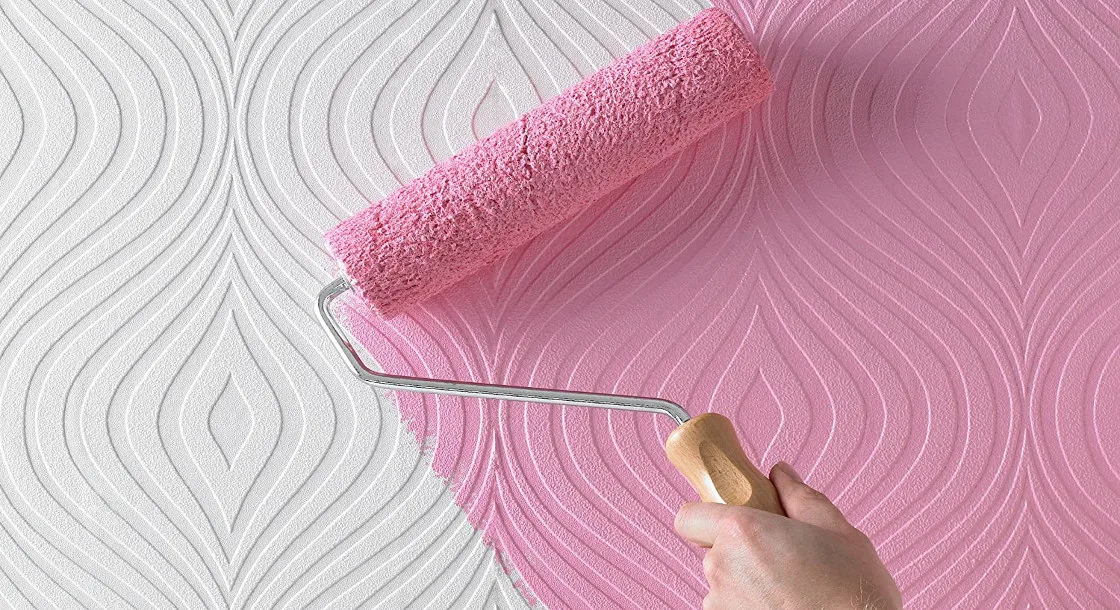
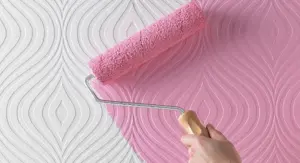
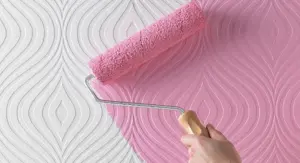
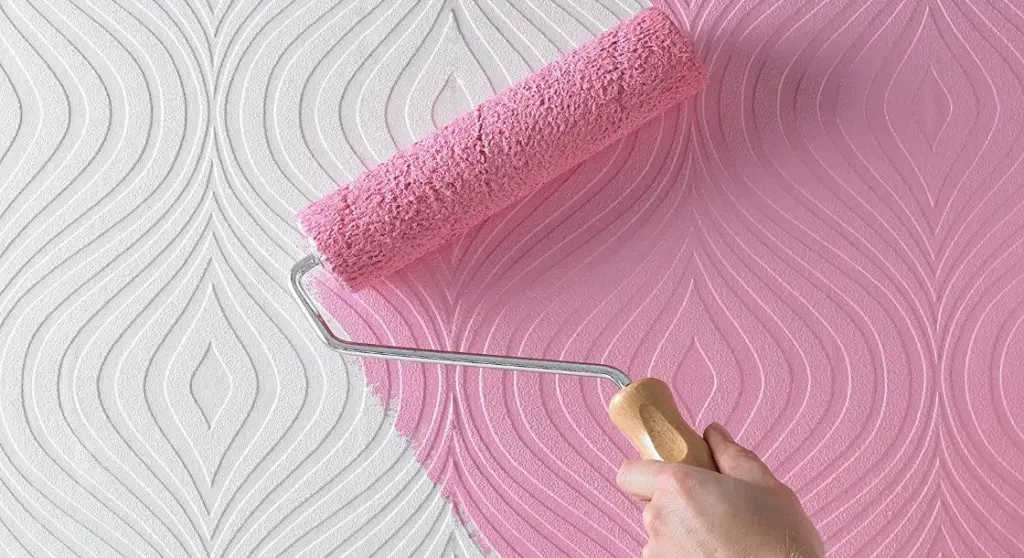
Regarding the aesthetic choice of wallpaper, flat and plain varieties remain the most straightforward candidates for painting. Textured and heavily patterned wallpapers can still be painted over, but decorators must accept that the underlying relief or pattern will remain visible through the new finish, creating a distinct textured effect on the final walls.
Preparing Wallpaper for Painting
Once a homeowner has verified that the existing wallpaper meets the necessary condition criteria, the preparatory phase begins. Although skipping the stripping process removes a massive hurdle, proper surface preparation remains vital to achieving a clean, professional-looking interior finish. The workspace must be thoroughly cleared and protected, ensuring that all fixtures, trim, and adjacent surfaces are properly taped off with decorator’s masking tape to prevent accidental splatters and ensure crisp lines.
Priming Wallpaper for Painting
Even when working with light-colored or unpatterned wallpaper, applying at least one coat of primer is strongly recommended before introducing a colored topcoat. A quality primer creates a uniform base, guarantees a cleaner final appearance, and makes the underlying paper significantly easier to cover with fewer coats of the final paint.
Choosing the right type of primer, however, is a critical technical detail. Water-based primers can penetrate too deeply into the wallpaper, introducing excess moisture that risks reactivating and compromising the old adhesive paste beneath. To prevent this, professionals universally recommend utilizing an oil-based primer or a specialized sealing formula designed specifically to prepare wallpaper for painting. Products such as all-in-one primers and sealers provide an effective barrier, locking down the surface securely. Experts advise applying at least one, and ideally two, thorough coats of primer, allowing adequate drying time between applications to ensure the surface is completely stable before moving forward.
How to Paint Over Wallpaper
With the priming stage successfully completed and the surface fully sealed, homeowners can select their desired topcoat color and begin the final phase of transforming the room. Working methodically across the walls with brushes and rollers ensures an even application of the chosen paint, bringing the room’s new aesthetic to life without the dust and labor associated with traditional wallpaper removal.

Problems With Painting on Top of Wallpaper
Even with meticulous planning and thorough preparation, unexpected challenges can occasionally arise when painting over existing wall coverings. Fortunately, most of these issues can be successfully managed or avoided entirely with a bit of targeted corrective work.
Gaps Between Wallpaper Strips
One of the most common issues encountered during this process involves the appearance of thin gaps between adjacent strips of wallpaper. While professionally installed wallpaper should butt together seamlessly, the paper can occasionally experience slight shrinkage as it dries out over time, leaving narrow separations. While these gaps do not render the painting project impossible, they must be addressed to achieve a polished look.
Assuming the wallpaper is otherwise secure and firmly affixed to the wall, homeowners can utilize a standard wall filler to bridge and conceal the gaps between the sheets. Crucially, decorators advise performing this corrective step only after the primer coats have been applied and allowed to cure. Once the filler has set, it must be sanded back with extreme care until it is perfectly flush with the surrounding paper. Any raised filler will catch the light and show up severely once the final colored paint is applied, making patience and precision during the sanding process essential to the success of the project.