The past week has been a period of profound volatility and significant milestone moments within the international art community. From the resolution of long-standing fiscal crises in Europe to the unexpected collapse of major industry players and the celebration of transformative contemporary voices, the news cycle has highlighted the intricate connection between the art world and the broader global economy.
In the Spotlight: Stability, Bankruptcy, and Recovery
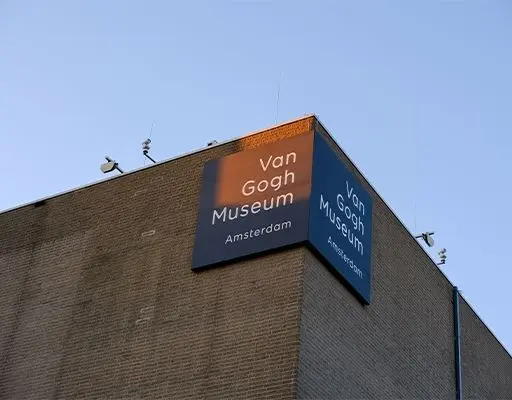
Perhaps the most significant sigh of relief heard across the cultural sector this week came from Amsterdam, where the Van Gogh Museum has successfully averted a potential closure. For years, the institution had been locked in a tense, high-stakes dispute with the Dutch government, arguing that its annual subsidy was insufficient to cover the mounting costs of essential infrastructure and building renovations. The museum, which serves as the primary custodian of one of the world’s most important collections of 19th-century art, had warned that without a financial infusion, its long-term operational viability was at risk. The newly finalized funding deal ensures that the museum can proceed with its vital restoration projects, securing the future of its world-renowned collection for generations to come.
However, the news was far less positive in the commercial sector of the art world. Getty Images, a titan in the image-licensing landscape that maintains a massive archive of over 477 million assets, has filed for Chapter 11 bankruptcy. This development follows a period of intense turbulence for the company, specifically the collapse of a proposed $3.7 billion merger with its primary competitor, Shutterstock. The deal, which was intended to reshape the digital media and photography market, was ultimately abandoned due to insurmountable regulatory roadblocks. The filing marks a major shift in the digital assets space, prompting industry analysts to consider the future of image licensing and the potential for new market dynamics in the wake of such a significant institutional failure.
Meanwhile, the art world received a rare piece of good news regarding the recovery of stolen property. The Renoir Museum has confirmed the successful recovery of two major paintings by Pierre-Auguste Renoir that had been missing for some time. The works, which hold an estimated combined value of $10.5 million, were originally seized during a daring pre-dawn raid that shocked the local community. The recovery of these masterpieces marks a successful conclusion to an exhaustive investigative effort, allowing the museum to restore the pieces to their rightful place within its permanent collection.
Fairs and Biennials: Challenges and New Horizons
The landscape of international art exhibitions continues to be a volatile environment, as evidenced by the sudden cancellation of the fifth edition of the Karachi Biennale. Scheduled for January 2027, the event was called off by organizers citing "war conditions," a move that has sparked internal controversy. Reports indicate that the decision was reached abruptly and without the involvement of the biennale’s appointed curator, Noor Ahmed. The cancellation underscores the fragility of global cultural events when faced with geopolitical instability, leaving the local arts community to navigate the fallout of a lost platform for contemporary expression.
Conversely, the European art fair calendar is set to expand in the coming year. Plans were finalized for the debut of Prague Contemporary, which is slated to become the Czech Republic’s first truly international contemporary art fair. The inaugural edition will take place at the historic Industrial Palace in Výstaviště Praha at the end of April. By establishing a new nexus for collectors and galleries in Central Europe, the organizers hope to tap into a growing market and provide a vital space for the dialogue between established and emerging artists in the region.
Evolution in Museums and Galleries
The gallery scene in New York City is experiencing a moment of transition following the untimely death of the founder of the Lubov gallery. In a move to honor the legacy of the space while ensuring its continued relevance in the competitive Manhattan market, the gallery has announced that Mode Bonafilia and Kristen Wasik will take over as the new owners. The transition signals a commitment to maintaining the gallery’s unique voice while navigating the complexities of the current art market.
Simultaneously, the industry is grappling with issues of representation through the adoption of new technologies. A recently launched AI tool is now being utilized to analyze and reveal the gender balance within gallery rosters and exhibition programs. The developer behind the tool suggests that the data-driven approach is more than just a metric of equality; it is a strategic business advantage. By identifying gaps in representation, the app aims to help galleries broaden their reach, appeal to a wider demographic of collectors, and improve their financial performance by championing the work of women artists who have historically been underrepresented in the blue-chip market.
Honoring a Legacy: The Passing of Peter Nagy
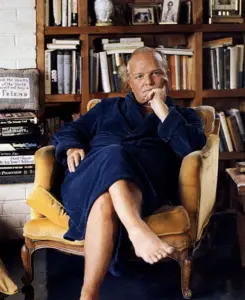
The art community is mourning the loss of Peter Nagy, the influential founder of the Nature Morte gallery, whose death marks the end of an era for the Indian contemporary art market. An artist and dealer of profound vision, Nagy was instrumental in placing Indian contemporary art on the global map. Through his stewardship of Nature Morte, he nurtured and launched the careers of many of the most significant artists working in India today. His influence went beyond the walls of his gallery, as he acted as a bridge between the local Indian scene and the international art world, fundamentally changing how the country’s contemporary output was valued and understood by global institutions. His legacy remains etched in the vibrant careers of the many artists he mentored and supported throughout his long and storied career.
Excellence in Contemporary Practice
Finally, the Government Art Collection has announced that British artist Louise Giovanelli is the recipient of the prestigious Robson Orr TenTen Award for 2026. The award is designed to recognize exceptional talent within the contemporary British art scene and includes a commission for a new print. Giovanelli’s winning work, titled Media Luna, will not only be celebrated in a public capacity but will also be prominently displayed in British government buildings and embassies across the globe. This recognition serves as a testament to the continued importance of state-supported arts initiatives and provides a high-profile platform for Giovanelli, whose work has increasingly garnered attention for its technical precision and emotional resonance.
As the industry moves into the final months of the year, the combination of these events—from the fiscal restructuring of major museums to the loss of industry leaders and the launch of new, technology-driven initiatives—paints a picture of a sector in flux. The art world remains a space where the weight of history and the pressures of the modern economy constantly collide, forcing institutions, galleries, and individual practitioners to remain adaptable in the face of both challenge and opportunity.