For homeowners looking to refresh a tired interior, painting directly over existing wallpaper can offer a significantly faster route to a revamped room compared to the labor-intensive process of stripping the paper, repairing the underlying plaster, and finally applying a fresh coat of paint. However, industry experts and interior specialists emphasize that taking this shortcut requires careful evaluation, meticulous preparation, and an awareness of several potential pitfalls that can derail a DIY project if ignored.
Before committing to a paintbrush and roller, decorators must first carefully inspect the current condition of the wallpaper. The primary rule of thumb is that the underlying paper must be in sound condition, completely free from major rips, tears, or extensive damage. If the wallpaper is severely compromised, attempting to paint over it is rarely a viable solution; in such cases, stripping the old material and painting the bare wall remains the superior choice.
Furthermore, painting over wallpaper that is actively peeling in multiple areas is strongly discouraged by professionals. When wallpaper begins to separate from the wall in several spots, it usually signals that the adhesive paste is failing. This failure can stem from a variety of factors, ranging from the use of low-quality paste during the initial installation to underlying issues with dampness and moisture in the room. Ignoring these warning signs and applying paint over loose paper will only accelerate the detachment process, as the added weight of the paint layers will place further strain on already weakened glue.
While widespread peeling is a dealbreaker, localized issues can sometimes be salvaged. If the peeling is restricted to a single, isolated area, homeowners may be able to re-secure the loose section using specialized wallpaper paste before moving forward with any painting preparations. This must be done carefully to prevent unsightly air bubbles from forming beneath the surface, and the repaired area must be allowed to dry completely before any primers or topcoats are introduced.
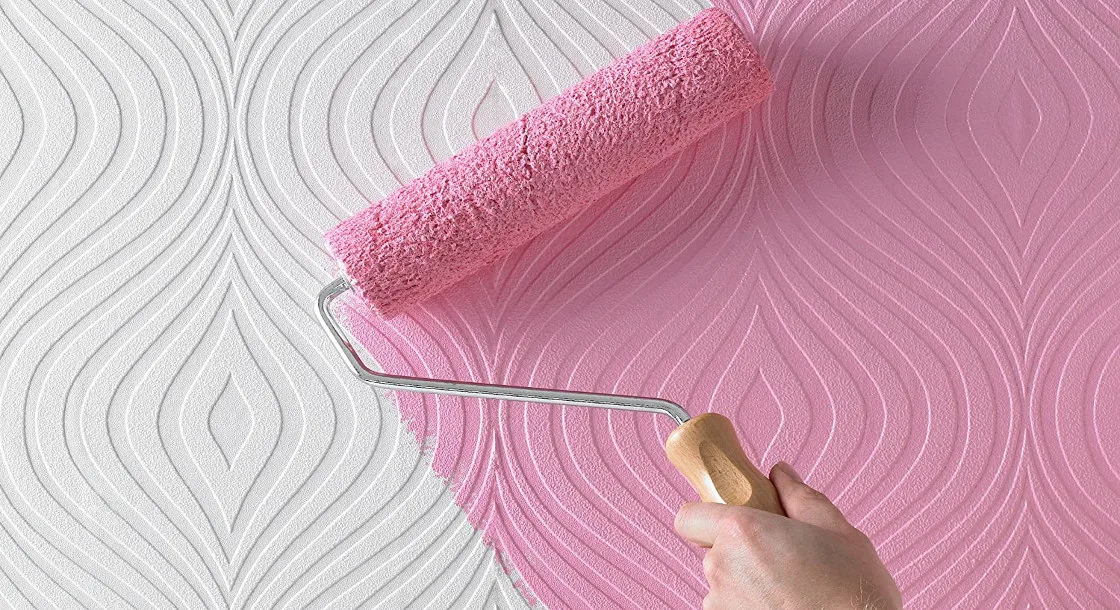
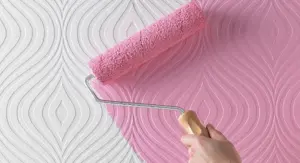
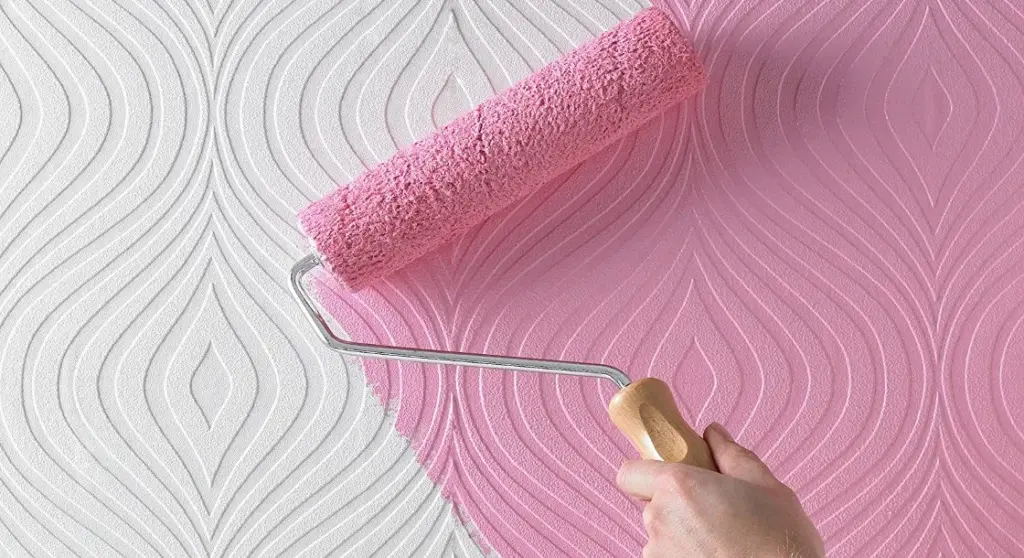
When considering the type of paper, plain and flat wallpaper serves as the most suitable canvas for painting. Nevertheless, textured and patterned styles can also be painted over, provided the homeowner is comfortable with the underlying texture remaining visible through the new finish.
Preparing Wallpaper for Painting
Assuming a thorough inspection reveals that the wallpaper is firmly affixed and in good condition, the necessary preparatory work is relatively straightforward. With the room cleared and the workspace protected using decorator’s masking tape and drop cloths, the walls must be clean and free from dust or grease before any coating can begin.
Priming Wallpaper for Painting
Even when working with light-coloured or unpatterned wallpaper, applying at least one coat of primer is strongly recommended. A quality primer helps achieve a clean, professional finish when the final topcoat is applied, while also making the underlying paper much easier to cover uniformly.
However, choosing the right type of primer is critical. Water-based primers can penetrate too deeply into the wallpaper, potentially reactivating the original paste and compromising its adhesion to the wall. To avoid this common hazard, experts recommend using an oil-based primer whenever painting over wallpaper. Specialized formulations, such as all-in-one primer and sealer products designed for difficult surfaces, provide an ideal barrier. Homeowners are generally advised to apply at least one—and ideally two—coats of primer, ensuring each layer dries completely before continuing with the decoration process.

How to Paint Over Wallpaper
Once the primer has fully cured, homeowners can select their preferred topcoat paint color and begin the transformation of the room. The application follows standard painting techniques, using brushes and rollers to build an even and durable finish over the sealed wallpaper surface.
Problems With Painting on Top of Wallpaper
While proper planning and meticulous preparation generally allow for a smooth painting process over wallpaper, certain complications can still arise. Fortunately, most of these issues can be successfully managed or avoided with a little extra effort and attention to detail.
Gaps Between Wallpaper Strips
If wallpaper was installed correctly, gaps between individual strips should not pose a major problem. However, as wallpaper dries out completely after being pasted to the wall, it can occasionally experience slight shrinkage, leaving a thin gap between the seams. While this is not an insurmountable obstacle for a painting project, it requires corrective action before the room is finished.
Assuming the wallpaper remains firmly attached to the wall on either side of the gap, standard wall filler can be used to bridge and conceal the opening. Professionals recommend performing this step after the primer has been applied and allowed to set. Once the filler is dry, it must be carefully sanded back until it is perfectly flush with the surrounding paper surface. Because any raised filler will stand out prominently once painted over, taking the time to sand the area down smoothly is essential for achieving a professional-looking result.