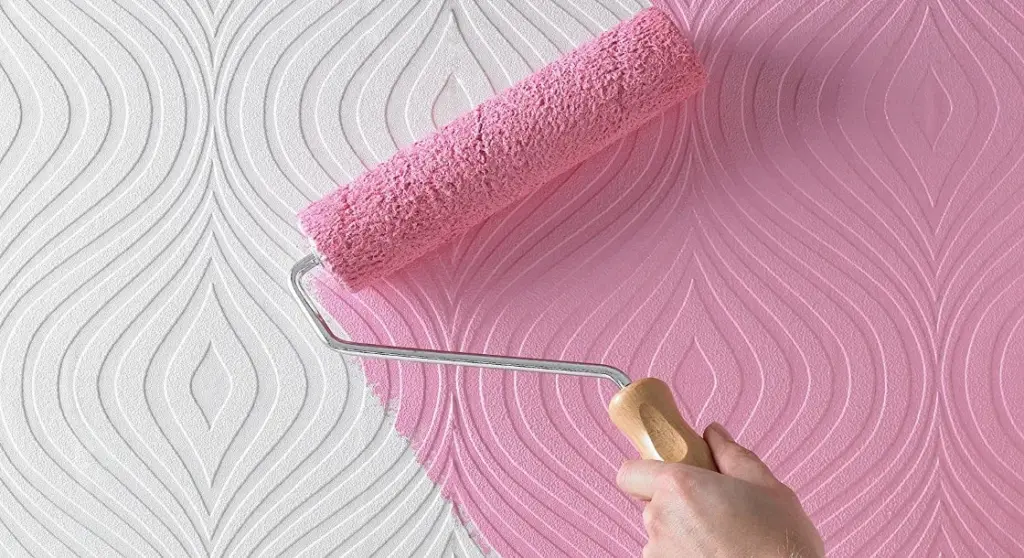
When undertaking a home improvement project, homeowners are frequently faced with the arduous task of room renovation, where deciding how to handle existing wall treatments can significantly impact both the timeline and the budget. Choosing to paint directly over wallpaper is often marketed as a streamlined, time-saving alternative to the notoriously labor-intensive process of stripping old paper, preparing bare walls, and applying a completely new finish. However, industry insights and interior design professionals emphasize that while this method can certainly bypass the mess and effort of wallpaper removal, it is far from a universal shortcut and comes with a unique set of considerations and potential pitfalls that must be carefully navigated.
The viability of painting over wallpaper relies heavily on a thorough initial assessment of the current state of the walls. Before committing to a paint roller, property owners must carefully inspect the wallpaper to ensure it remains in good condition, completely free from rips, tears, or extensive structural damage. If the paper is severely compromised, experts generally advise abandoning the shortcut and opting for the traditional route of stripping the paper to paint the bare wall underneath. Attempting to paint over wallpaper that is actively peeling in multiple locations is strongly discouraged, even if the paper itself is not physically ripped. Widespread peeling typically indicates that the underlying adhesive paste is failing, a deterioration that can stem from the original application of poor-quality paste or from ongoing issues with dampness and moisture within the room.
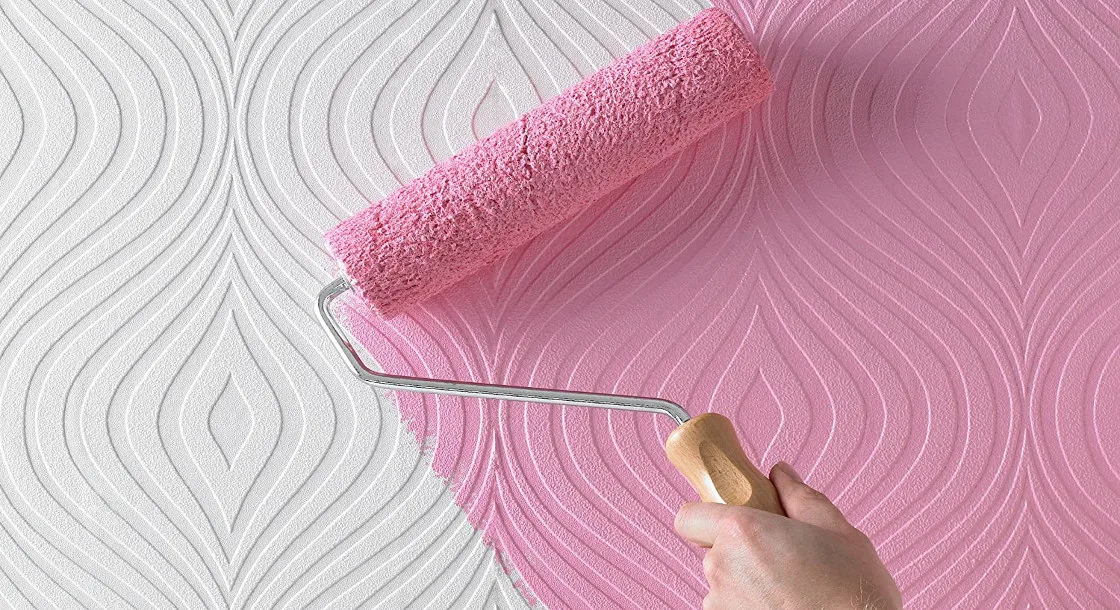
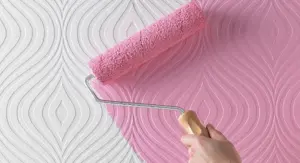
In situations where peeling is minimal and localized to a single, isolated area, remedial action may be possible. Homeowners can sometimes re-stick the affected edge using specialized wallpaper paste, provided the repair is executed with care to prevent the formation of unsightly air bubbles. Furthermore, once any localized adhesive repair is made, it is critical to allow the area to dry fully before introducing any primer or paint. Regarding the type of paper best suited for this technique, plain and flat wallpaper offers the most straightforward canvas. Nevertheless, textured and patterned papers can also be painted over, provided the decorator is comfortable with the underlying texture remaining visible through the new coats of paint.
Assuming the preliminary inspection confirms the wallpaper is stable, sound, and securely adhered, the necessary preparation phase before introducing color is relatively straightforward compared to full wall stripping. The surrounding environment must be properly protected, and surfaces should be clean and dust-free. With the room adequately prepared, the focus shifts to the critical step of priming the surface, a measure that professionals strongly advocate even when dealing with light-coloured or unpatterned wallpaper. Applying at least one coat of primer is essential for achieving a clean, professional finish when the topcoat is eventually applied, while also making the underlying paper much easier to cover uniformly.
A critical technical detail often overlooked by amateur decorators involves the choice of primer. Water-based primers carry the risk of soaking too deeply into the wallpaper, which can inadvertently reactivate and weaken the old adhesive paste, causing the paper to bubble or lift. To mitigate this risk, industry recommendations point toward oil-based primers, or specialized all-in-one primer and sealer formulations, as the optimal choice for preparing wallpapered surfaces. Decorators are generally advised to apply at least one, but ideally two, thorough coats of primer, ensuring each layer dries completely before progressing to the application of the chosen topcoat colour.

Even with meticulous planning and thorough preparation, painting over wallpaper can occasionally present unexpected challenges. One common issue arises from the natural behavior of wallpaper as it dries and ages. If wallpaper strips were not initially installed with tight seams, or if the paper shrank slightly as the original paste dried, thin gaps can sometimes appear between adjacent sheets. While the discovery of these gaps does not automatically derail a painting project, it does require deliberate intervention before the final aesthetic result can be achieved.
Assuming the wallpaper surrounding the gap remains structurally sound and firmly affixed, decorators can utilize standard wall filler to conceal the separation between the sheets. Industry best practices dictate that this remedial filling should ideally take place after the application of the primer coats. Once the primer has fully set, the filled area must be carefully sanded down until it is entirely flush with the level of the surrounding paper. Because any raised filler will become glaringly obvious and disrupt the visual uniformity of the wall once the final paint is applied, taking the necessary time to sand the surface smooth is an essential component of achieving a polished, professional outcome.