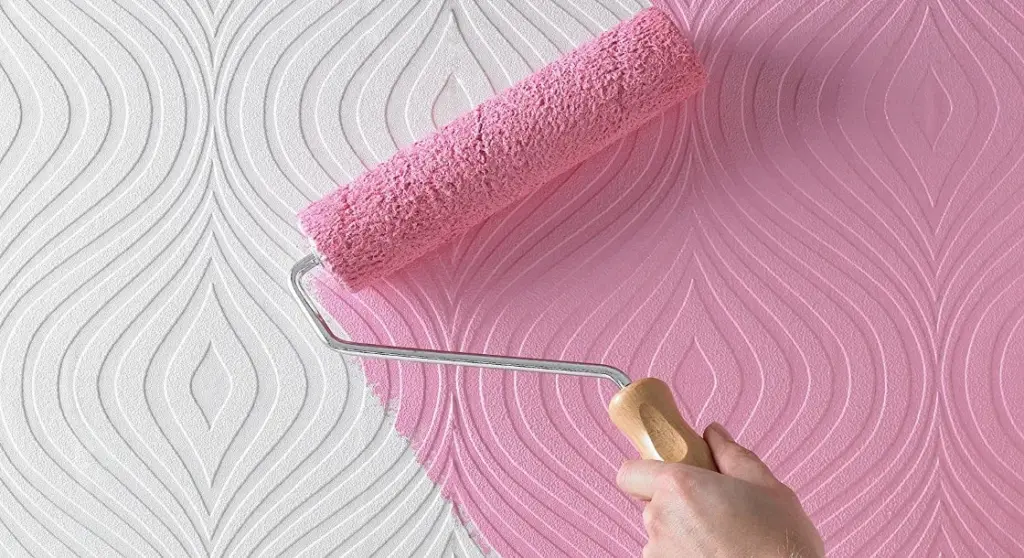
For homeowners seeking a fresh aesthetic without undertaking the laborious and time-consuming process of stripping old wallpaper, painting directly over existing wall coverings has long presented an enticing shortcut. Bypassing the arduous stages of scraping, steaming, and preparing bare plaster can drastically reduce both the timeline and effort required to revamp a tired interior space. However, industry professionals and seasoned decorators emphasize that this seemingly simple alternative demands careful evaluation, rigorous assessment of existing conditions, and strategic preparation to avoid costly and unsightly mistakes down the line.
Before reaching for a paint roller, property owners must conduct a thorough inspection of the walls in question. The primary prerequisite for a successful paint-over project is that the underlying wallpaper remains in sound, stable condition, entirely free from significant rips, tears, or structural compromises. When wallpaper has deteriorated significantly, attempting to paint over it is rarely advisable; in such cases, traditional stripping followed by proper preparation of the bare wall underneath remains the superior path forward.
Similarly, wallpaper that is actively peeling in multiple locations serves as a red flag for underlying issues. Multiple peeling sections strongly indicate that the original adhesive is failing. This failure can stem from the use of inferior paste during the initial installation or from chronic dampness within the room, which degrades the adhesive bonds over time. While localized peeling confined to a single, isolated spot can sometimes be remedied by carefully re-securing the loose paper with fresh wallpaper paste—ensuring no air bubbles are trapped and allowing adequate drying time before any paint touches the surface—widespread peeling signals that the entire installation is compromised.
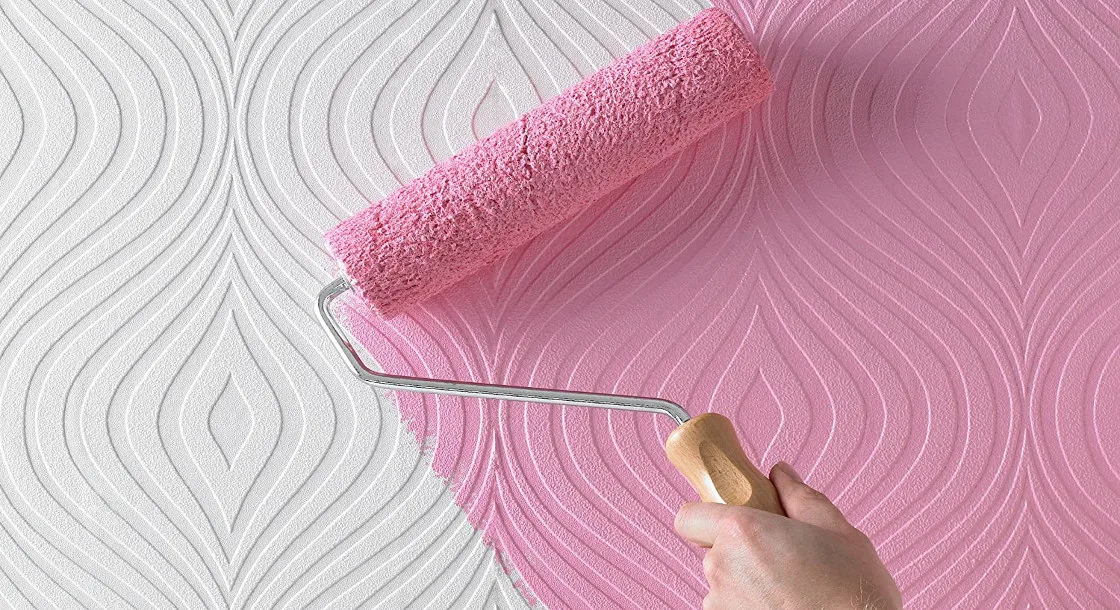
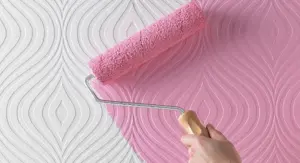
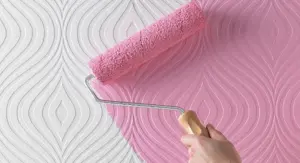
The physical characteristics of the wallpaper also dictate the feasibility and visual outcome of the project. Plain, flat wallpaper provides the most accommodating canvas for a coat of paint, yielding a smooth and uniform finish. Nevertheless, property owners can also paint over textured and patterned wallpapers, provided they accept that the underlying texture, embossing, or pattern relief will remain visibly apparent beneath the new coats of paint.
Assuming the wallpaper passes initial inspections and is deemed structurally sound, the necessary preparation phase is relatively straightforward compared to traditional wall stripping. Yet, skipping or rushing the foundational steps can severely undermine the final result. Professionals note that while the physical prep of stable paper may be minimal, establishing the correct chemical barrier between the old paper and the new paint is paramount.
Even when working with light-coloured or unpatterned wallpaper, applying at least one coat of a dedicated primer is strongly recommended. Priming ensures a clean, uniform finish for the topcoat while simplifying the process of covering the existing surface. A critical technical consideration during this stage involves the choice of primer. Water-based primers can easily penetrate the porous wallpaper, potentially reintroducing moisture that reactivates the old paste and ruins the adhesion of the wall covering. Consequently, experts advise utilizing an oil-based primer or a specialized sealing formulation when painting over wallpaper, as these products create an effective barrier that protects the integrity of the underlying paste. Applying one to two coats of primer, followed by complete drying time, sets the stage for a successful topcoat application.

Once the primed surfaces have cured completely, decorators can select their desired topcoat paint colour and proceed with transforming the room. While proper planning and meticulous preparation generally lead to a seamless execution, certain complications can occasionally arise during or after the painting process. Fortunately, most of these hurdles can be managed or corrected with targeted remedial work.
One common issue involves the appearance of thin gaps between individual strips of wallpaper. While correctly installed paper should fit tightly, natural shrinkage as wallpaper dries following installation can occasionally open up narrow seams. While this occurrence does not spell disaster for a painting project, it requires deliberate intervention before the final aesthetic can be achieved.
Providing that the wallpaper remains firmly anchored to the wall on either side of the gap, standard wall filler can be employed to bridge and conceal the opening. Best practice dictates addressing these gaps after the primer coats have been applied and allowed to set fully. Once the filler has dried, it must be meticulously sanded down so that it sits perfectly flush with the surrounding paper. Because any raised filler will stand out conspicuously once painted over, taking the time to achieve a smooth, level finish is essential for a professional-grade result. Through careful assessment, proper material selection, and patient execution, painting over wallpaper can offer a viable and efficient method for interior transformation.