As New York City transitions deeper into the autumn calendar, the local arts scene is bursting with activity, balancing grueling domestic routines with an overwhelming influx of cultural programming. Following a three-day weekend marked by closet overhauls, neighborhood travels, and milestone birthdays, the city’s creative community is turning its focus outward. Much like neglected household chores that inevitably pile up, personal to-do lists are being cheerfully abandoned across the five boroughs in favor of total cultural immersion.
The upcoming weeks promise a packed roster of events, beginning with a weekend of wide-open doors across Brooklyn. Neighborhoods like Sunset Park and Gowanus are rolling out their annual open studios, aligning with the broader citywide programming of Open House New York (OHNY). This convergence of architecture, historic access, and independent artistic workspaces highlights the enduring dynamism of New York’s grassroots creative hubs, offering the public rare glimpses behind the scenes of working studios.

Celebrating Indigenous Survivance Across the City and State
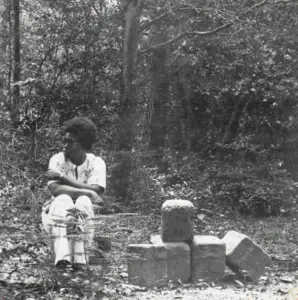
In observance of Indigenous Peoples’ Day, New York institutions have rolled out a rich array of exhibitions and performances that honor Native American art, history, and contemporary culture. A newly published citywide round-up highlights seven ongoing exhibitions spanning Manhattan, the Hessel Museum of Art at Bard College, and the Long Island Museum in Stony Brook. Through both solo and group presentations, artists representing a diverse tapestry of Indigenous populations across Turtle Island embody what scholars and creators term "survivance"—a concept that actively traces and rejects narratives of dispossession and irrelevance. These exhibitions work to upend and satirize stereotypes, preserve and reinvent traditional art forms, and bring vital, underrepresented histories out from the margins and into the institutional spotlight.
Adding to this momentum, Diné artist and composer Raven Chacon recently led an hour-long improvisational sound performance at the Park Avenue Armory. Following the performance, a deep-dive Q&A explored Chacon’s singular approach to sounding the history of the land. In the same vein of expanding institutional access to contemporary Indigenous art, the Gochman Family Collection is preparing to open its Katonah site for specialized exhibitions starting next month, as reported by the newsroom.
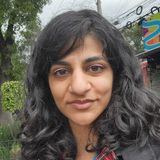
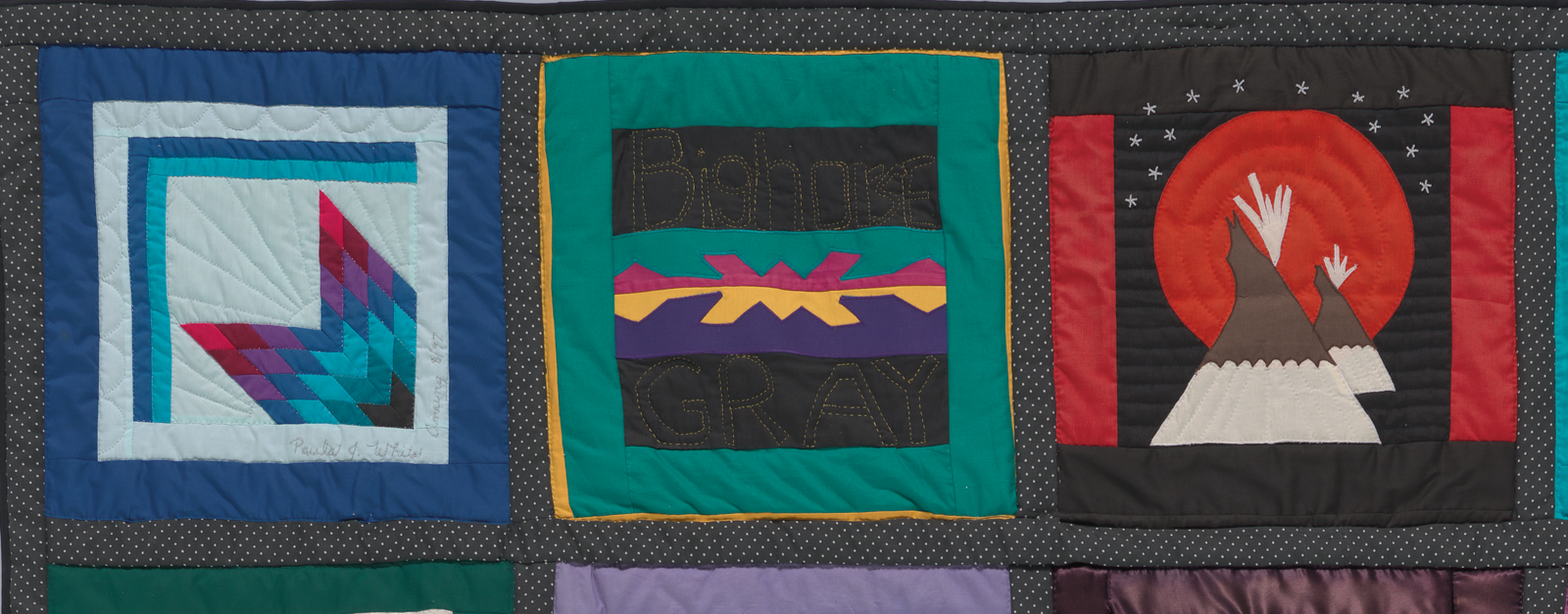
Public engagement is also taking tactile forms. The National Museum of the American Indian is hosting a special "Quilt Along: Sit and Sew" program featuring artist Margaret Wood, who is of Diné and Seminole descent. Wood is one of five contemporary Indigenous artists featured in the museum’s initiative, having designed patterns inspired by different eras of United States history viewed explicitly through a Native lens.
Municipal Grants and Material Support for Local Artists
Recent policy shifts from the Department of Cultural Affairs are beginning to yield tangible benefits for the city’s independent creative workforce. Following the announcement that city-funded artists’ grants have doubled from $5,000 to $10,000, municipal officials have revealed an additional perk designed to stretch those funds even further.
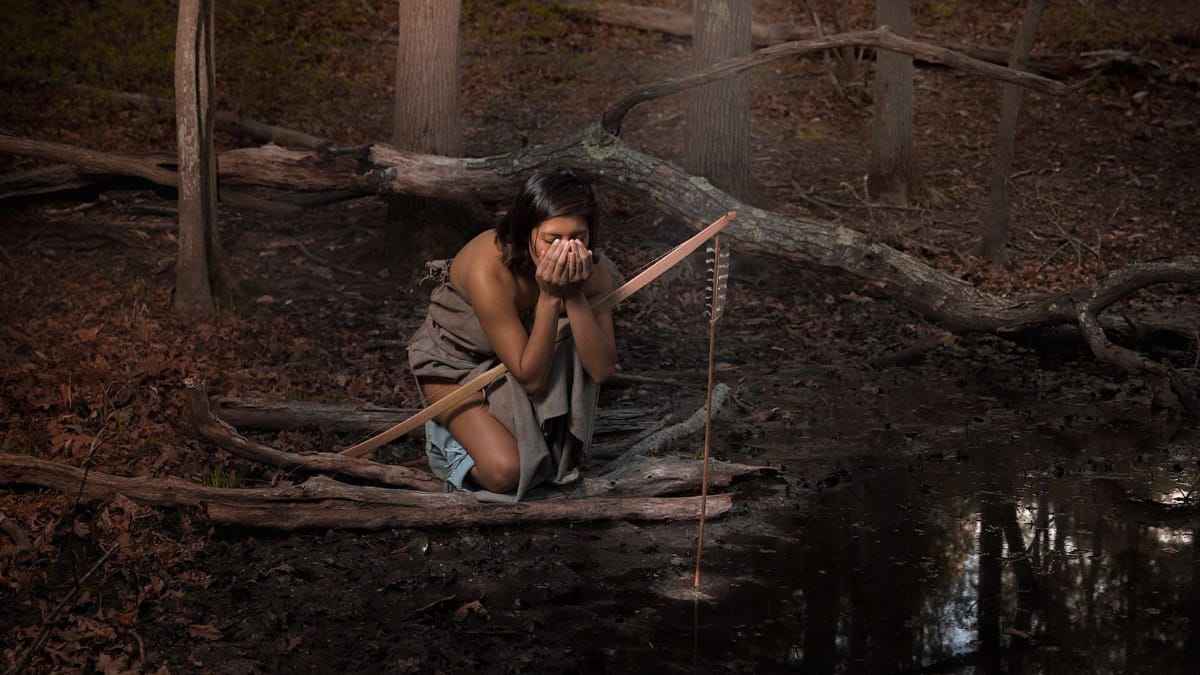
Beginning October 19, artists awarded these grants will gain direct access to the city’s popular Materials for the Arts warehouse on the second Monday of each month. By providing free access to surplus supplies, theatrical gear, and artistic materials, the program offers crucial logistical relief to practitioners navigating the city’s high cost of production.
From Our Critics: Navigating Recent Gallery and Performance Openings
Cultural criticism across the city has captured a vibrant cross-section of performance, painting, and installation work, reflecting both local anxieties and broader global political realities.
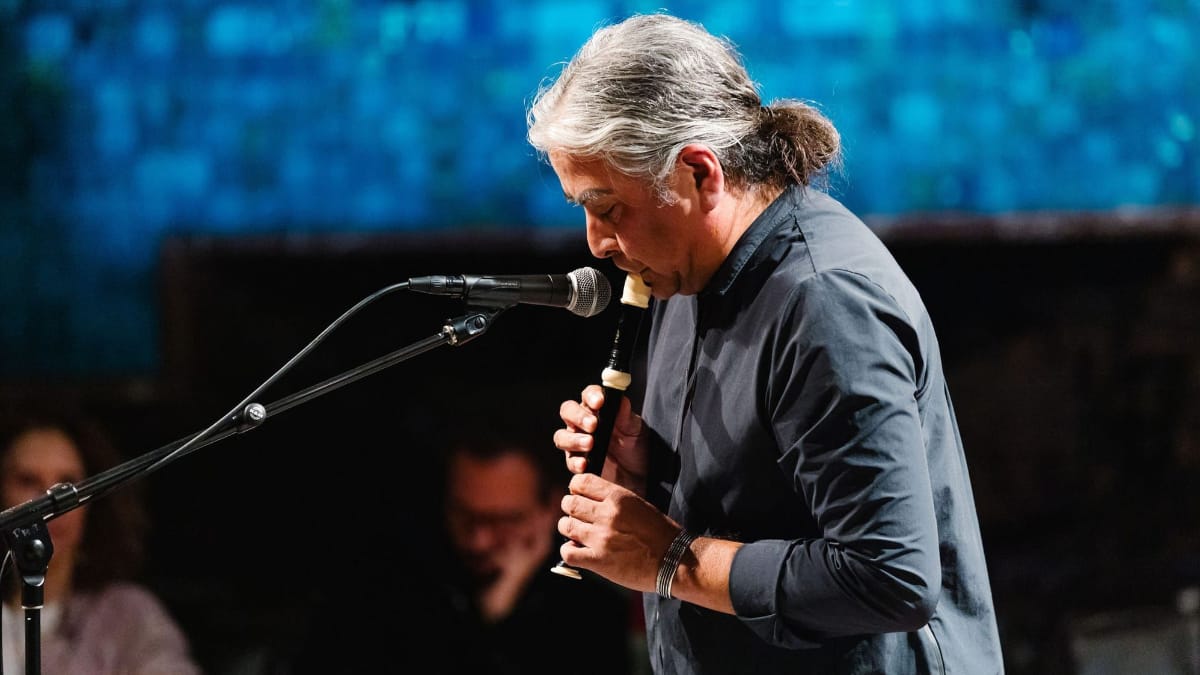
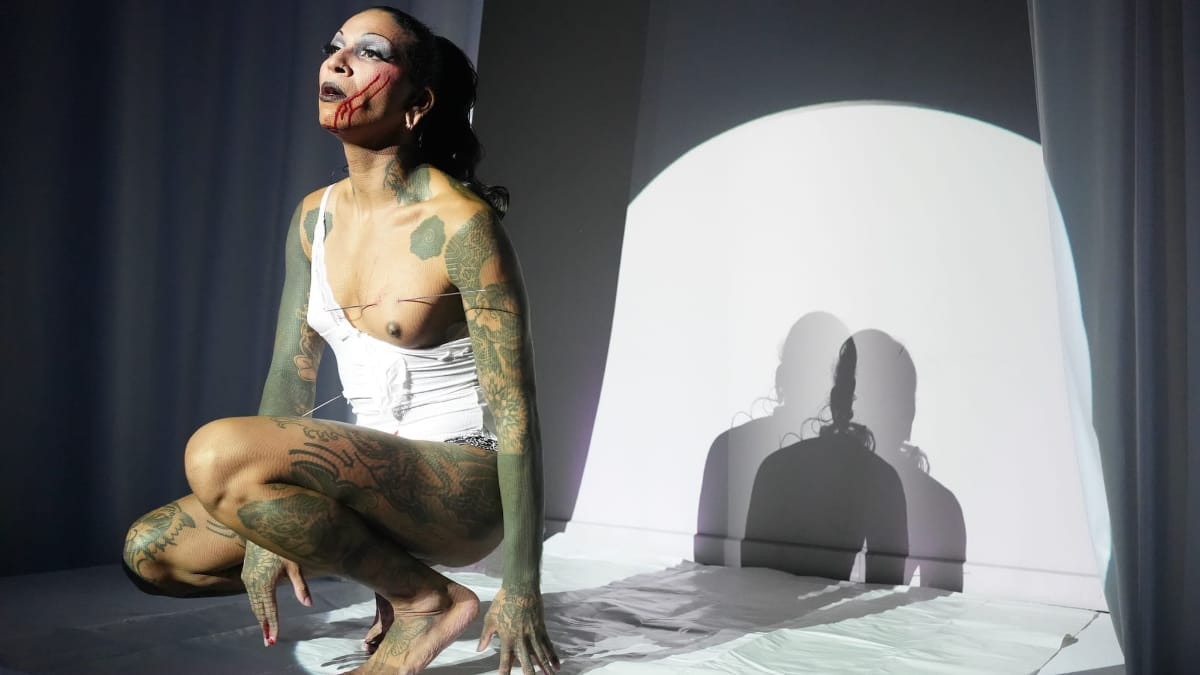
At SoMad, Hrag Vartanian reviewed Pleasure Dome: Continuum, describing the gathering as a vibrant fusion of therapeutic sound, a queer political rally, a vaudeville tribute, and an essential vibe manifesto for a metropolis that constantly demolishes its past to construct its future. Vartanian highlighted the ritual joy of queer performance as a steadfast refusal to surrender to erasure.
Daniel Larkin turned his critical lens to KLAB at the Salma Sarriedine gallery, examining the work of Ridikkuluz. In these pieces, the irascible dog emerges as a haunting symbol representing ongoing geopolitical violence and the actions of unrestrained perpetrators.
Meanwhile, Julia Curl reviewed settle for a good fantasy at Luhring Augustine. Focusing on a set of eight prints where the artist rubs dark makeup from her eyes in a gesture reminiscent of weeping, Curl noted how the smudged eyeshadow mimics bruises. This visual trickery creates a dissonant, dual feeling of pain and pleasure, coupled with the sharp acknowledgment that the spectacle is ultimately an act.
At the Hessel Museum of Art at Bard College, Seph Rodney reviewed Betty Parsons: An Expanded World. Rodney reflected on the curatorial framing of the presentation, arguing that an artist of Parsons’s stature deserves a dedicated exhibition space free from the distractions of contemporary artistic interventions, asserting her ability to stand firmly on her own historical merits.
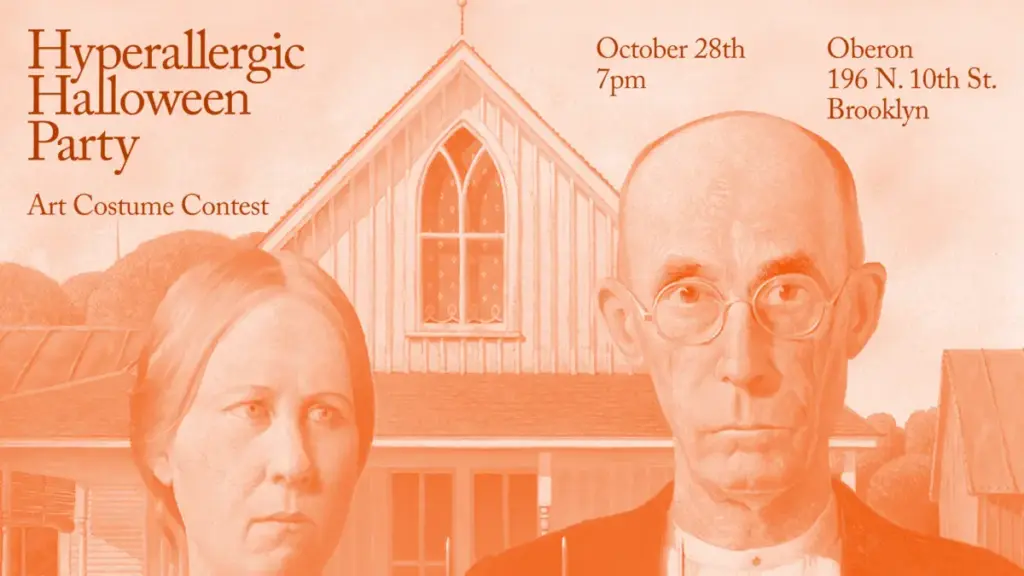
As the fall season accelerates, museums and independent spaces alike are preparing for major recurring events. Preparations are well underway for the much-anticipated New Museum Triennial, which recently announced its roster of participating artists for the 2027 edition, alongside upcoming seasonal celebrations including the annual Tompkins Square Dog Halloween Parade and specialty literary and artistic Halloween gatherings across Brooklyn.