A solid, dependable foundation serves as the absolute cornerstone of any long-lasting outdoor structure. Recognizing the challenges that property owners frequently face when preparing to install backyard structures, Outdoor Living Today has rolled out a detailed set of expert recommendations designed to take the guesswork, confusion, and anxiety out of creating a sturdy and perfectly level base. Whether property owners consider themselves seasoned do-it-yourself professionals or absolute beginners taking on their very first backyard improvement project, the newly detailed framework walks builders through essential preparation phases while outlining multiple viable foundation options tailored to varying budgets and landscapes.
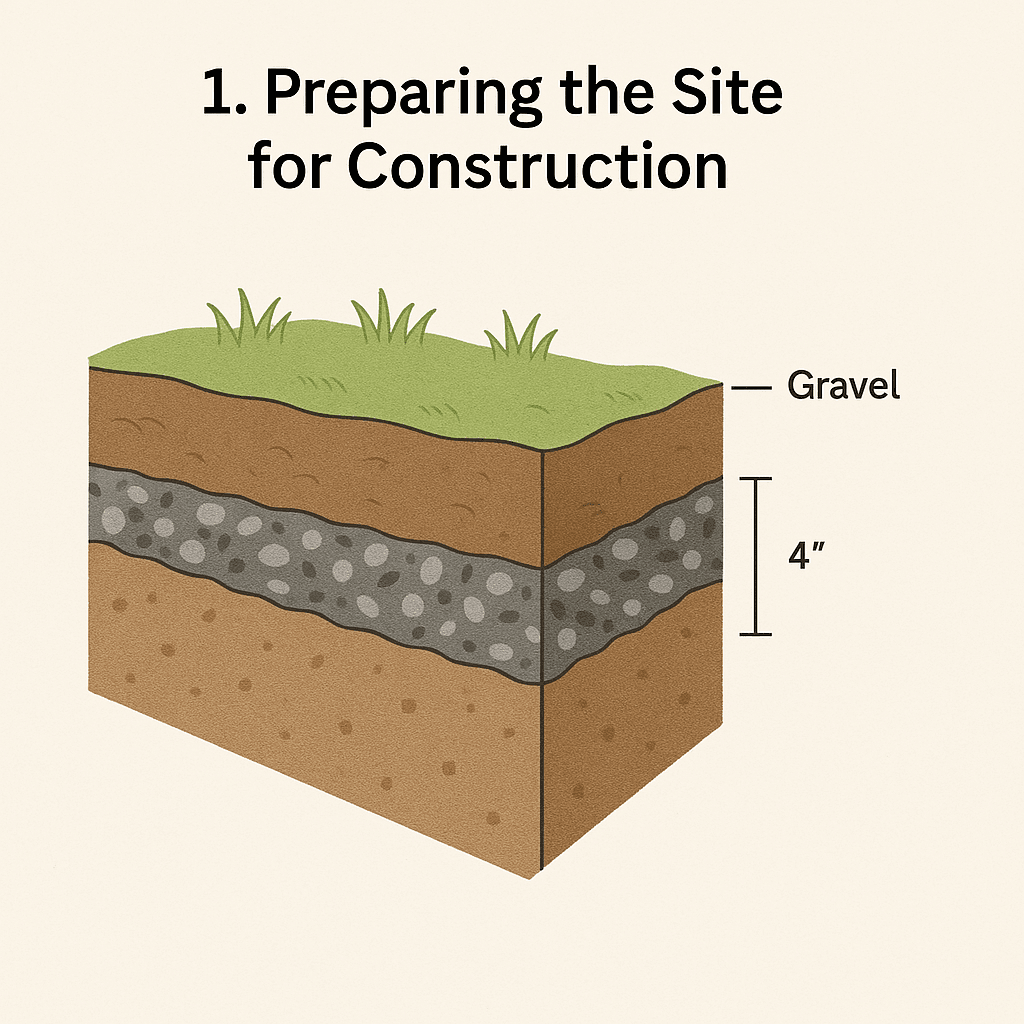
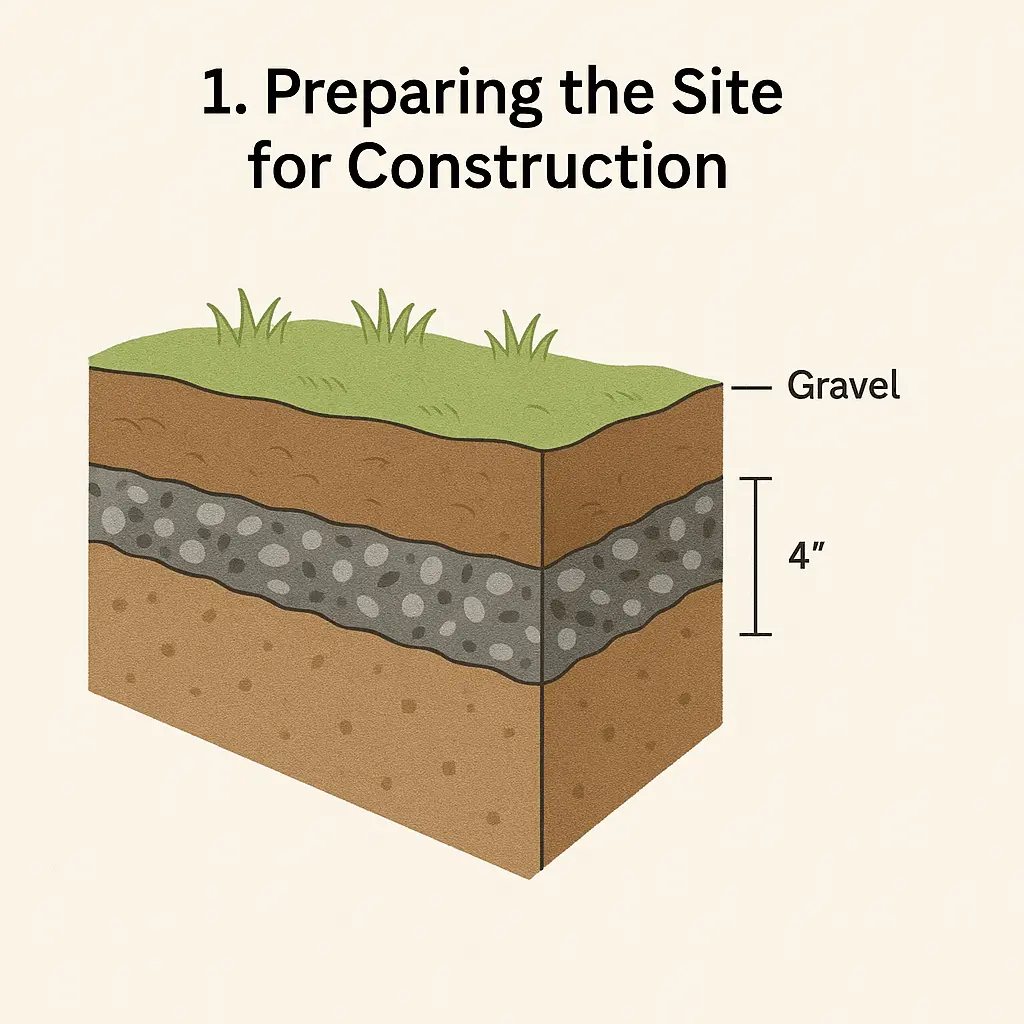
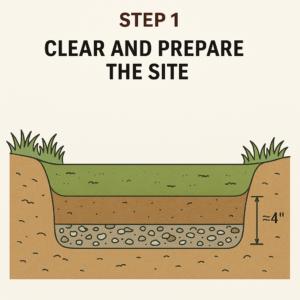
Establishing a reliable base begins long before a shed kit ever arrives at a residential property. According to the guidance provided by Outdoor Living Today, proper site preparation is the single most critical factor in ensuring structural integrity over the years. Builders must first carefully clear the designated footprint of all debris, organic matter, rocks, and vegetation that could eventually decompose and cause uneven settling. Experts heavily advise incorporating a layer of quality landscape fabric directly beneath the chosen gravel or stone bed. This simple yet effective measure acts as a dual-purpose shield, actively suppressing unwanted weed growth while preventing surrounding soil from shifting or eroding over time.
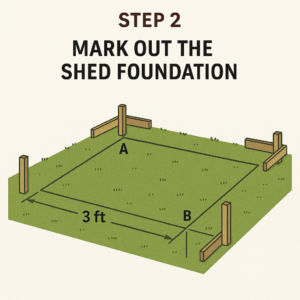
Once the site has been thoroughly cleared and leveled, the next crucial phase involves accurately measuring and marking out the exact perimeters of the shed foundation. Ensuring that the layout is completely square is paramount to the success of the entire building process, as even minor miscalculations early on can lead to significant structural complications when assembling the walls and roof. For builders seeking absolute precision, modern technology offers a variety of helpful resources, including smartphone applications and online calculators designed to compute exact right angles based on specific shed dimensions. Taking the extra time during this layout phase guarantees that the final structure remains plumb and square.
When it comes to selecting the appropriate structural base, property owners have three primary foundation types recommended by Outdoor Living Today, each offering distinct advantages depending on soil conditions, budget, and permanence. The first option is the patio stone foundation, which is widely favored for being exceptionally quick to install, cost-effective, and remarkably forgiving if adjustments or relocation are required down the road.
For those looking to elevate their structure slightly off the ground, the four-by-four pressure-treated beam foundation provides an excellent alternative. This method involves laying heavy-duty treated timber beams to support the floor joists, cleverly leaving adequate open space underneath the structure for crucial air circulation and ventilation. This continuous airflow is particularly beneficial in humid or damp climates, as it significantly helps prevent premature wood rot and moisture accumulation.
At the most permanent end of the spectrum is the concrete slab foundation, which offers unbeatable long-term durability and exceptional resistance to pests, shifting, and severe weather conditions. While pouring concrete requires more upfront labor and material investment, it delivers a permanent, rock-solid platform that will outlast decades of heavy use.
Before diving into any heavy construction or material purchasing, builders are reminded that while general best practices provide an invaluable baseline, individual product designs often feature unique structural requirements. For a completely tailored approach that aligns perfectly with a specific model, property owners should always consult the dedicated product assembly manual included directly with their kit or available through official manufacturer resources. By following these carefully curated foundational guidelines, builders can ensure their new outdoor investment remains secure, level, and structurally sound for generations to come.